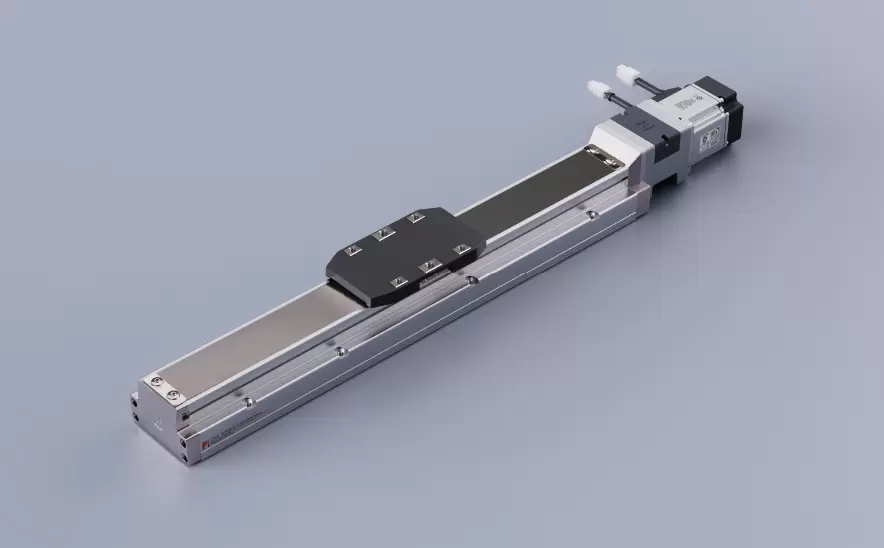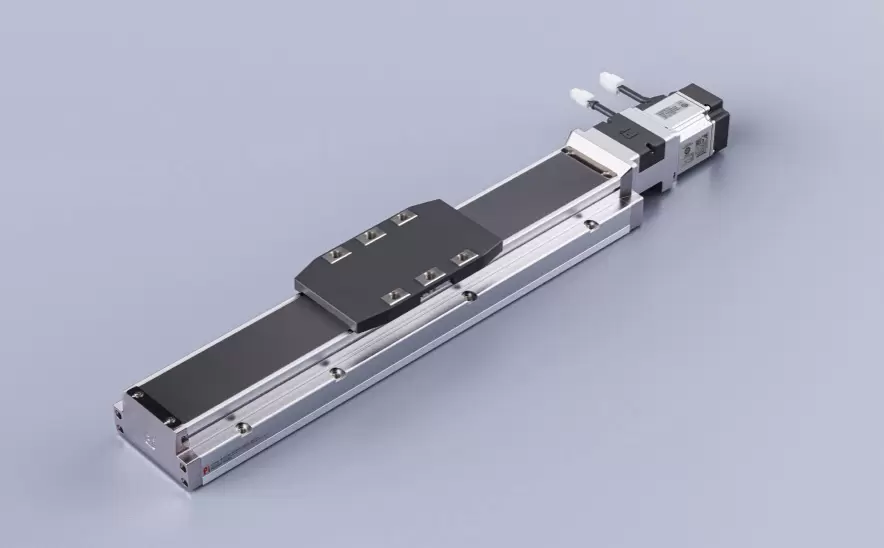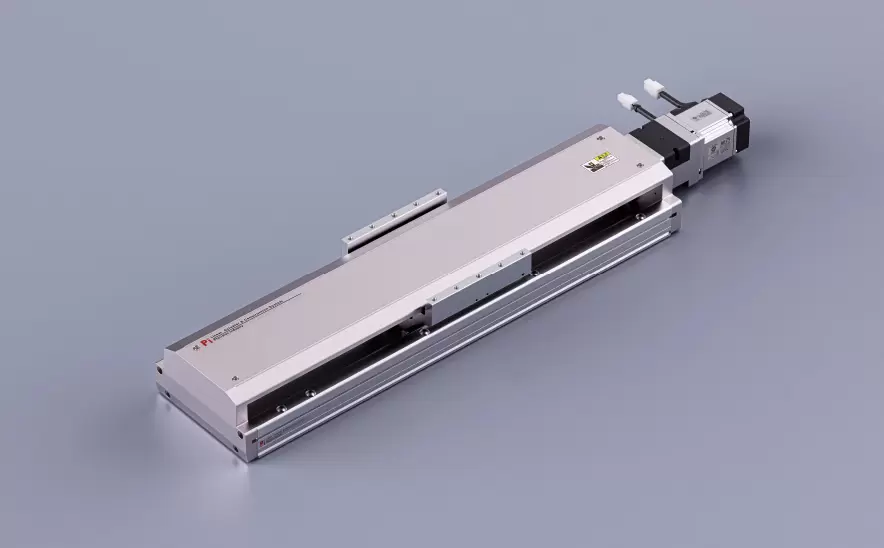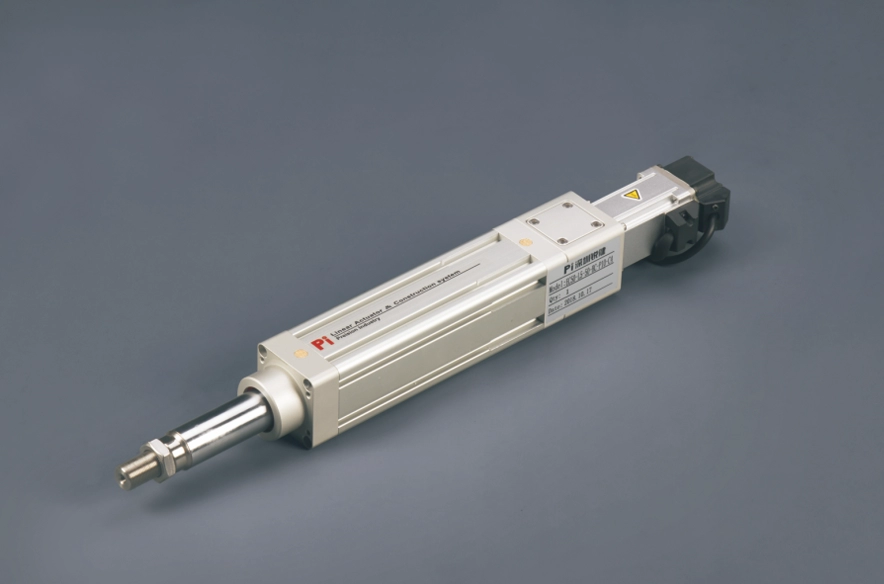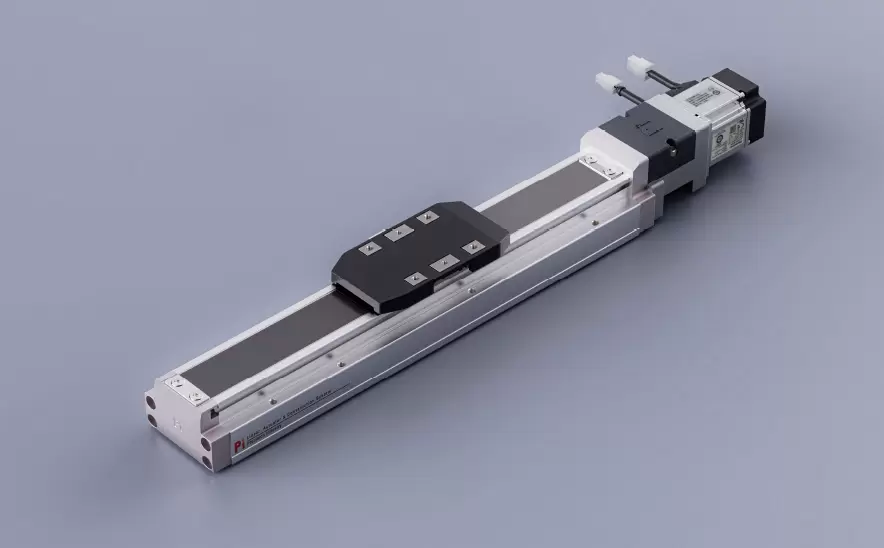
Motor Bottom Side
Repeatability:±0.005/0.01mmHorizontal Load:150kgVertical Load:55kgMaximum Speed:2000mm/sTravel Range:100-1500mm

 Current location:Home > Company > News > Latest news > How to Maintain Accuracy When Using a Precision Positioning Slide Table
 Date: Apr 01 2026
Precision positioning slide tables are widely used in applications where even the smallest movement matters. From optical alignment and semiconductor inspection to automated assembly systems, these devices are built to deliver highly accurate and repeatable motion.
However, maintaining that level of accuracy over time requires more than simply turning the system on and letting it run. Installation conditions, operating habits, maintenance routines, and environmental factors can all influence the final positioning results.
If your goal is to keep your slide table performing at its best, the following practices can make a significant difference.
Accuracy begins long before the slide table starts moving. If the system is not installed correctly, even the most advanced equipment may struggle to deliver consistent positioning.
When installing a precision slide table:
Make sure the mounting surface is flat and rigid
Secure the base evenly using the recommended fasteners
Confirm that the platform is aligned with connected equipment
Avoid twisting or uneven tightening of bolts
A stable and properly aligned foundation allows the slide table to move smoothly without unnecessary resistance or distortion.
Guide rails are one of the most critical parts of a precision slide table. Dust, debris, or small particles on the rails can disrupt smooth movement and gradually reduce positioning accuracy.
To maintain clean motion:
Regularly wipe down exposed rails
Prevent metal chips or dust from accumulating
Use protective covers if the system operates in a dusty environment
Keeping the motion path clean ensures the slide table can maintain its designed level of precision.
Lubrication plays a major role in maintaining smooth motion and reducing friction between moving components. Without proper lubrication, mechanical parts may experience increased wear and inconsistent movement.
A simple lubrication routine should include:
Using the lubricant recommended by the manufacturer
Applying it at appropriate intervals
Avoiding excessive lubrication that may attract dust
Consistent lubrication helps maintain stable movement and extends the service life of the system.
Even if the load is within the slide table’s rated capacity, poor placement can still affect accuracy. An unevenly distributed load places additional stress on one side of the guide system.
For best results:
Place the workpiece near the center of the platform
Avoid heavy loads extending too far from the mounting area
Ensure fixtures are firmly secured and balanced
Proper load distribution reduces mechanical strain and improves motion stability.
Running the slide table at maximum speed is not always the best choice for precision work. High acceleration and rapid stops can introduce small vibrations that affect positioning results.
Instead, consider:
Adjusting motion speeds to suit the application
Using smooth acceleration and deceleration profiles
Testing movement settings before full operation
Finding the right balance between speed and stability helps maintain reliable positioning accuracy.
The surrounding environment can influence precision equipment more than many people realize. Temperature changes, vibration, and airborne contaminants may all affect motion stability.
Whenever possible:
Operate the slide table in a temperature-controlled area
Minimize vibration from nearby machinery
Keep the workspace clean and organized
A stable environment allows the system to perform consistently over long periods.
Even well-maintained equipment may gradually change over time. Regular observation helps detect small shifts in performance before they become major problems.
Operators should pay attention to:
Changes in positioning consistency
Unexpected noise during movement
Increased vibration or resistance
Early detection allows minor adjustments or maintenance to restore optimal accuracy.
Maintaining the accuracy of a precision positioning slide table requires a combination of proper setup, careful operation, and consistent maintenance. By focusing on installation quality, clean guide rails, balanced loads, and controlled operating conditions, users can keep their systems performing at a high level of precision.
Over time, these simple habits not only preserve accuracy but also improve reliability and extend the lifespan of the equipment—ensuring the slide table continues to support demanding applications where precision truly matters.