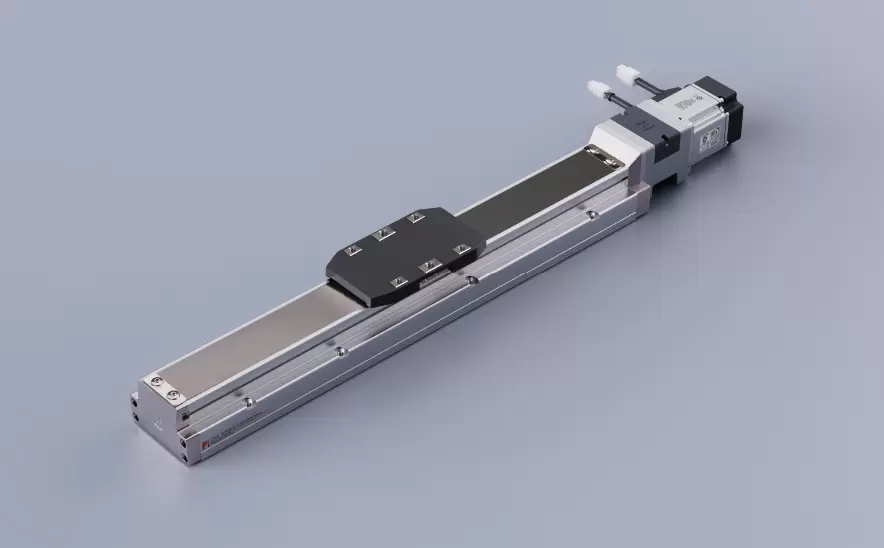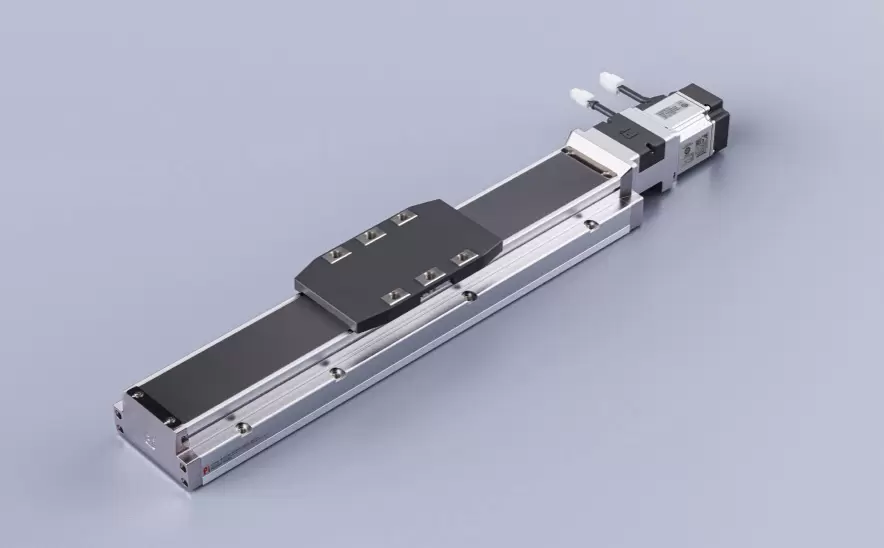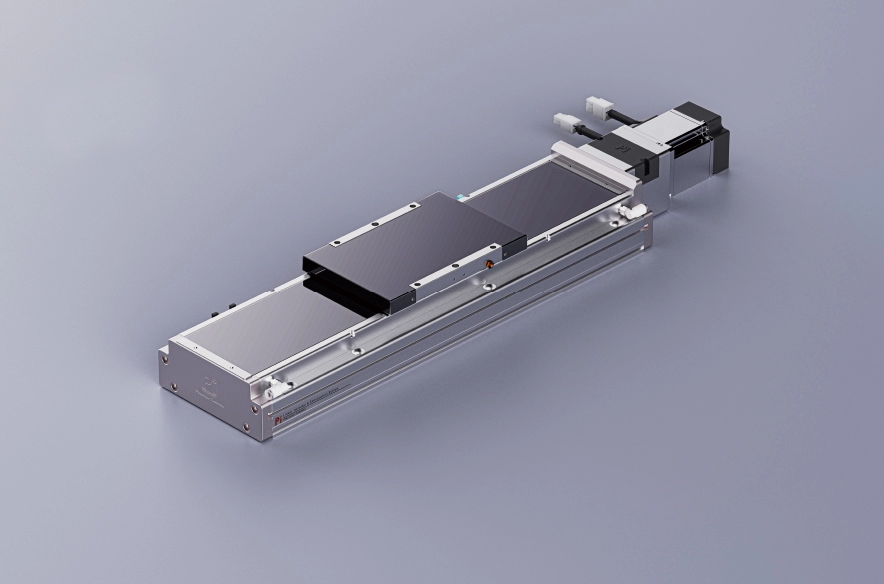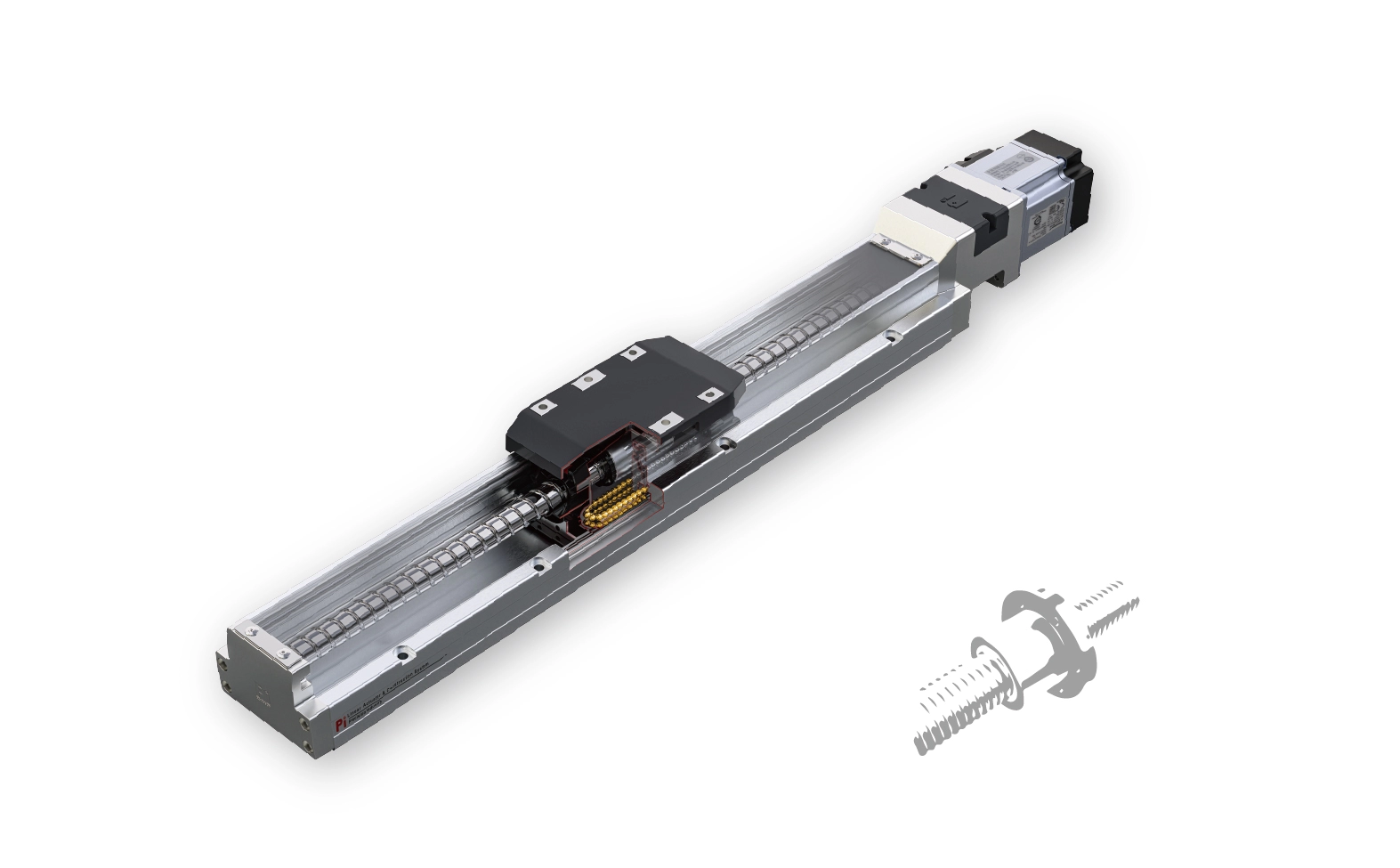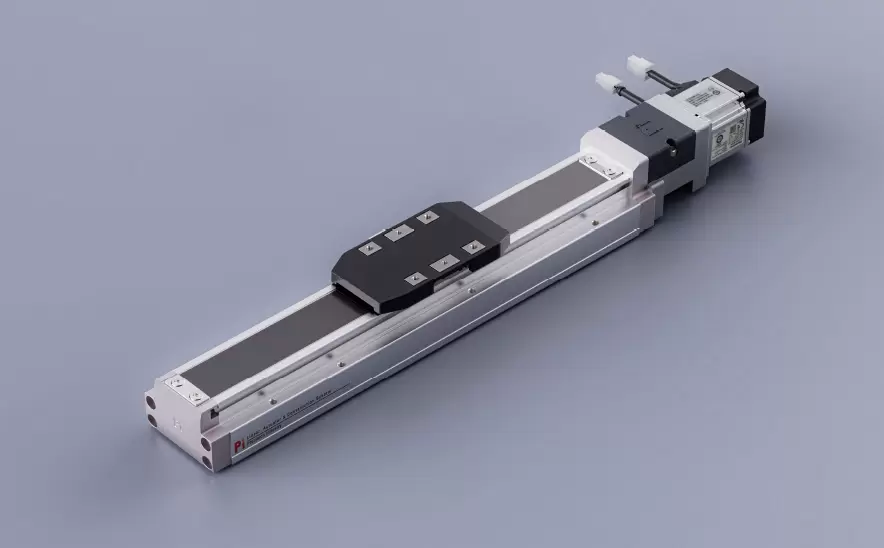
Motor Bottom Side
Repeatability:±0.005/0.01mmHorizontal Load:150kgVertical Load:55kgMaximum Speed:2000mm/sTravel Range:100-1500mm

 Current location:Home > Company > News > Latest news > Best Practices for Operating Precision Positioning Slide Tables in Automated Systems
 Date: Apr 01 2026
Precision positioning slide tables play a key role in modern automated systems. Whether used in electronics assembly, inspection equipment, optical alignment, or semiconductor manufacturing, these devices help ensure that components move to the exact position required—every single time.
In automated environments where machines operate continuously and at high speed, proper operation of slide tables becomes especially important. Following a set of proven best practices can help improve system reliability, maintain positioning accuracy, and reduce unexpected downtime.
Below are several practical guidelines for operating precision positioning slide tables effectively in automated systems.
The first step toward reliable operation begins with selecting the right slide table for the job. Automated systems often run continuously, so the motion stage must be able to handle the required load, speed, and duty cycle.
Before integration, engineers should consider:
Required positioning accuracy
Load weight including fixtures and tools
Travel distance and movement frequency
System cycle time
Choosing a slide table that fits the application prevents unnecessary stress on the system and helps maintain consistent performance over long periods.
In automated systems, stability is essential. Any slight misalignment or instability in the mounting structure can affect the overall motion accuracy.
To ensure proper installation:
Mount the slide table on a rigid and flat base
Tighten mounting bolts evenly to prevent distortion
Align the stage carefully with other motion components
Confirm that all connected fixtures are secure
A stable mechanical setup allows the slide table to operate smoothly within the automated process.
Automation systems rely heavily on efficient movement. Motion parameters such as speed, acceleration, and deceleration should be carefully configured.
When tuning motion profiles:
Avoid excessive acceleration that may introduce vibration
Use smooth deceleration to protect mechanical components
Adjust speed to balance productivity and stability
Well-optimized motion profiles can shorten cycle times while maintaining precise positioning.
Precision slide tables are typically controlled through motion controllers, PLCs, or integrated automation software. Reliable communication between these systems is essential for accurate operation.
Good control practices include:
Verifying communication between the controller and motor drivers
Implementing position feedback when required
Testing control commands during system setup
A well-integrated control system ensures the slide table moves exactly as the automation program intends.
Automated environments often involve dust, particles, or small material fragments that can accumulate around moving parts. Over time, this contamination can interfere with the smooth movement of guide rails and drive components.
To prevent this issue:
Install protective covers or shields if necessary
Clean exposed surfaces regularly
Keep surrounding equipment organized to reduce debris
Maintaining a clean operating environment helps preserve long-term accuracy and reliability.
Automation systems are often expected to run for long periods without interruption. Regular preventive maintenance helps ensure that the slide table continues operating efficiently.
Typical maintenance tasks include:
Inspecting linear guides and drive mechanisms
Checking fasteners and mounting hardware
Applying recommended lubrication
Monitoring signs of wear or abnormal movement
Routine maintenance reduces the risk of unexpected system failures.
Even in automated environments, human oversight remains important. Operators and technicians should understand the basic operation of the slide table and know how to respond to potential issues.
Training should focus on:
Normal system behavior and performance expectations
Identifying unusual sounds or vibrations
Safe procedures for stopping or resetting the system
Basic inspection and maintenance awareness
When personnel are familiar with the system, they can react quickly to potential problems and keep the automation line running smoothly.
Precision positioning slide tables are a vital component in many automated systems, helping ensure accurate and repeatable motion throughout the production process. However, achieving reliable performance requires more than advanced equipment—it also depends on proper operation and management.
By selecting the right stage, installing it correctly, optimizing motion settings, maintaining a clean environment, and performing regular maintenance, companies can maximize both efficiency and reliability in automated applications.
In the fast-paced world of industrial automation, following these best practices helps ensure that precision motion systems continue to deliver the accuracy and stability that modern manufacturing demands.