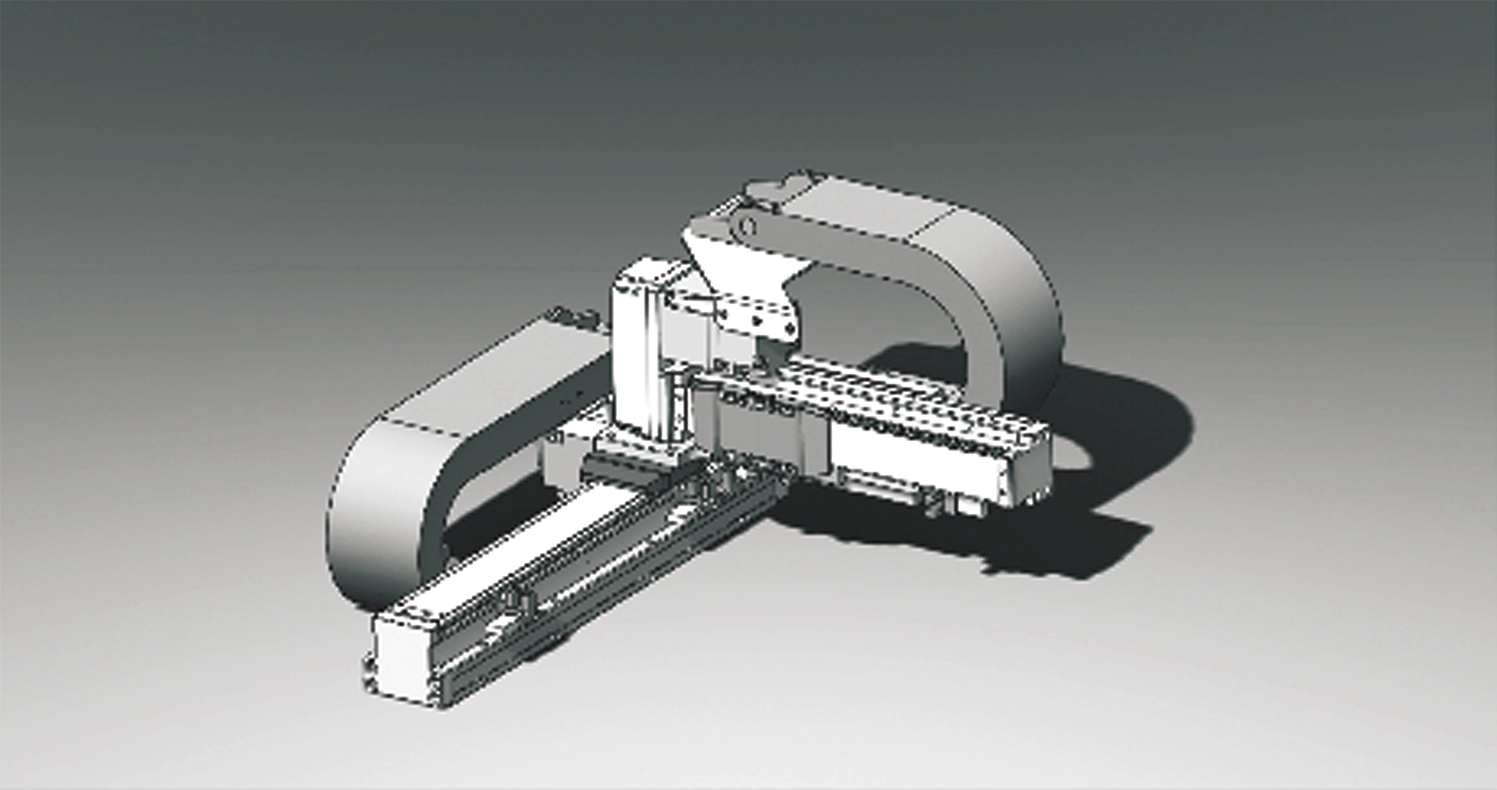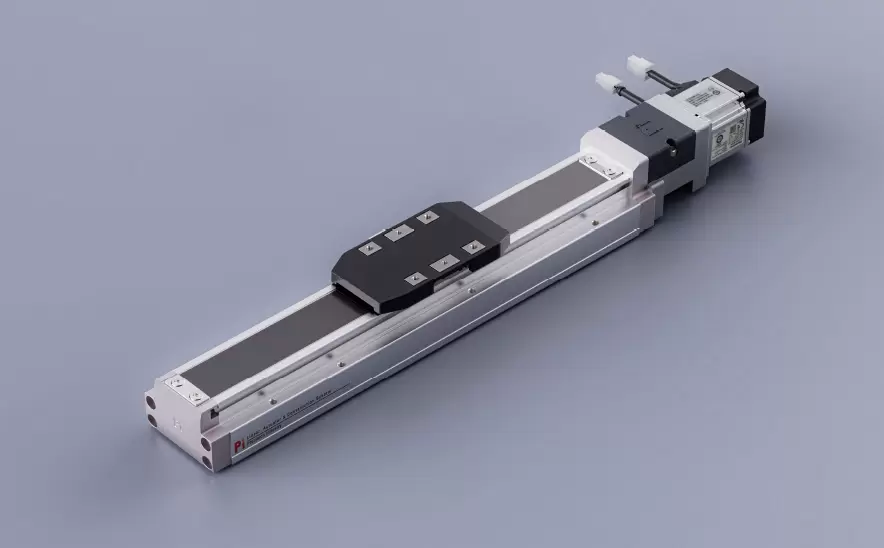
Motor Bottom Side
Repeatability:±0.005/0.01mmHorizontal Load:150kgVertical Load:55kgMaximum Speed:2000mm/sTravel Range:100-1500mm

 Current location:Home > Company > News > Latest news > How to Safely Use a Precision Positioning Slide Table in Your Workplace
 Date: Mar 18 2026
Precision positioning slide tables are widely used in automation, inspection systems, semiconductor equipment, optical devices, and research laboratories. Their ability to move components with micron-level accuracy makes them essential for modern manufacturing and testing environments.
However, because these systems combine mechanical motion, electrical components, and sensitive equipment, proper usage is critical. Safe operation not only protects workers but also extends the life of the slide table and ensures consistent performance.
This guide outlines practical safety tips and best practices for using a precision positioning slide table in the workplace.
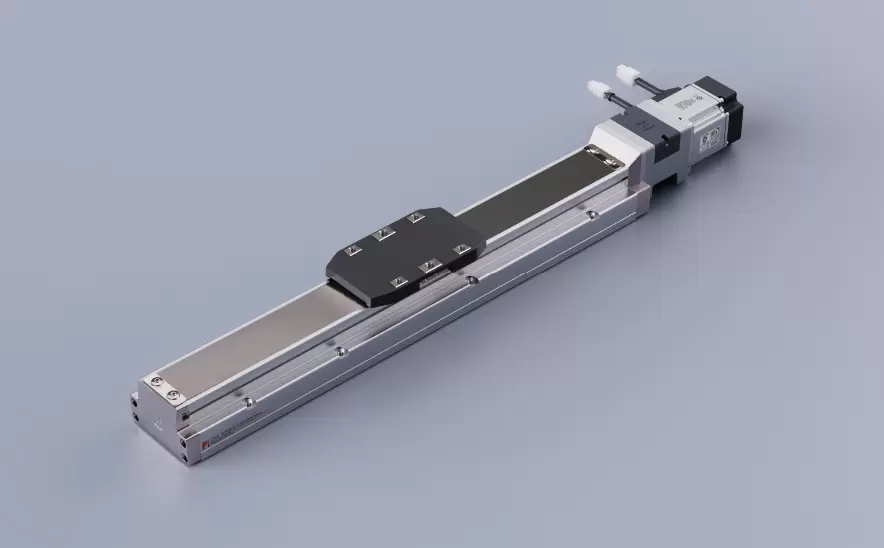
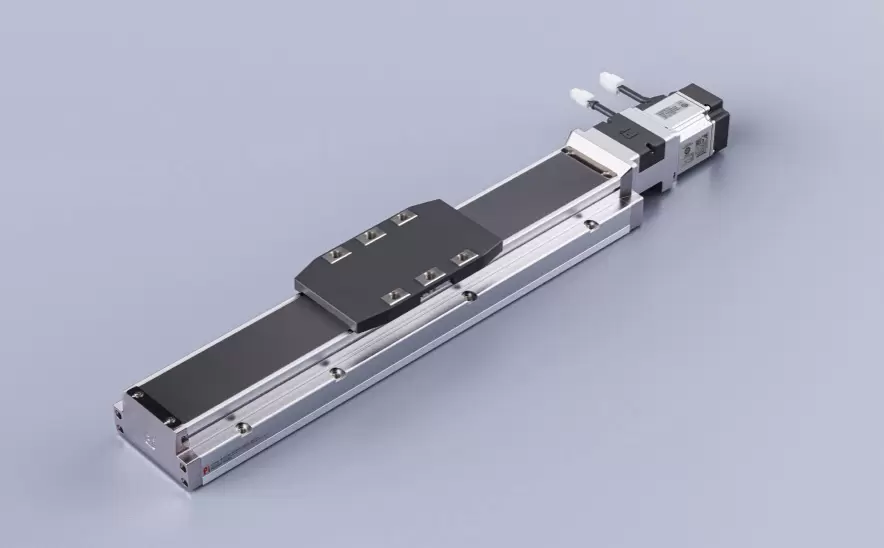
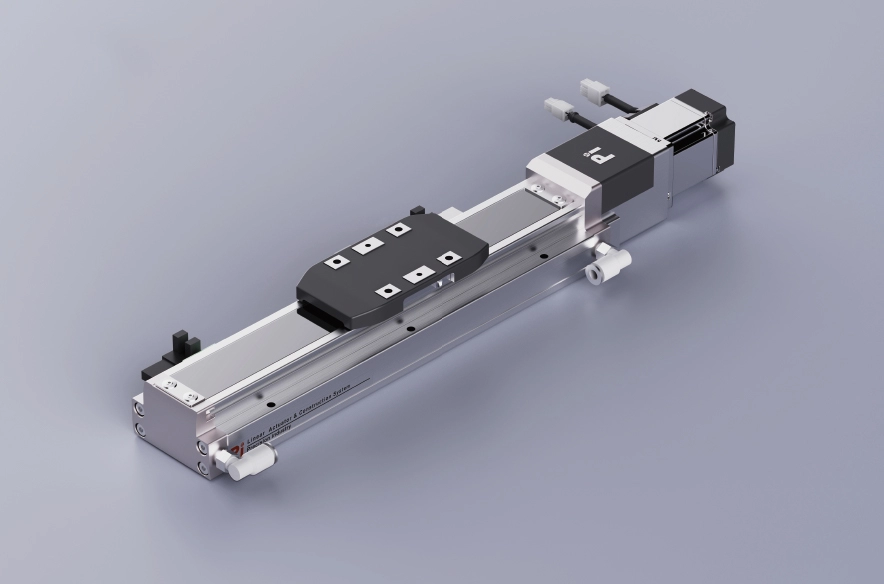
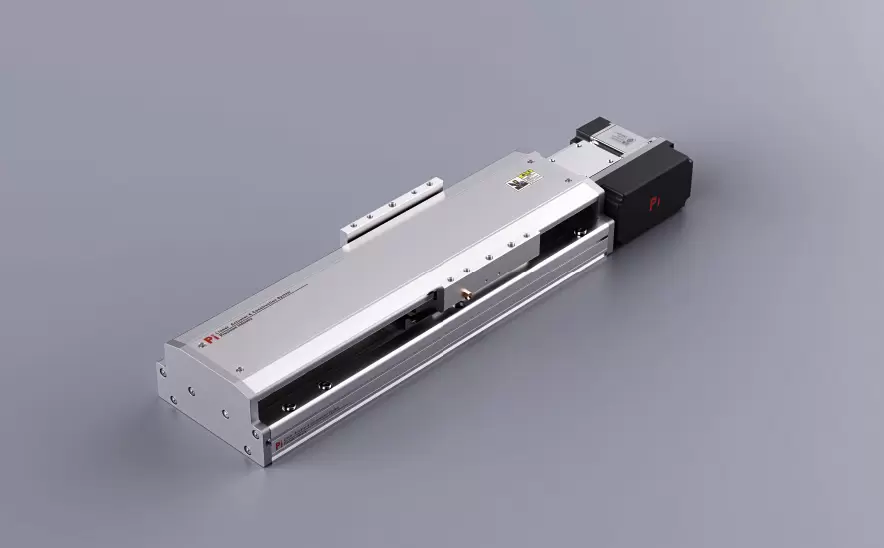
Before operating a precision slide table, take time to understand its basic structure and functionality. Most systems consist of several key components:
Linear guide rails that ensure smooth and accurate movement
Drive systems such as ball screws, belt drives, or linear motors
Motors and controllers that manage positioning and motion
Mounting platforms used to hold workpieces or devices
Operators should review the manufacturer’s documentation and become familiar with the machine’s travel range, speed limits, and load capacity. Knowing these specifications helps prevent misuse that could damage the system or cause safety hazards.
A quick inspection before operation can prevent many workplace accidents.
Check the following items:
Loose bolts or mounting screws
Debris or dust on the guide rails
Unusual wear or damage on cables and connectors
Obstructions within the movement range
If anything appears abnormal, stop and report the issue before running the system.
Precision slide tables often move quickly and quietly, which can make them easy to overlook in busy environments. Always keep the motion path clear of:
Tools
Loose materials
Cables
Hands or clothing
Establishing a designated safe zone around the equipment helps reduce the risk of accidental contact during operation.
Every slide table has a maximum load rating. Exceeding this limit can lead to several problems:
Reduced positioning accuracy
Increased wear on mechanical components
Sudden system failure
When mounting a workpiece, make sure the load is evenly distributed across the platform. Uneven loads may cause vibration, tilting, or premature damage to the guide system.
While precision slide tables are capable of high-speed motion, faster is not always better. Excessive speed or acceleration may cause:
Mechanical shock
Positioning errors
Loss of stability in mounted equipment
For delicate applications such as optical alignment or micro-assembly, slower motion settings usually provide better results and improved safety.
Many modern slide table systems include built-in safety mechanisms such as:
Limit switches
Emergency stop buttons
Motion alarms
Software travel limits
These features are designed to prevent collisions or over-travel. Disabling them to “save time” can result in serious equipment damage or injury.
Regular maintenance is essential for both safety and accuracy. Typical maintenance tasks include:
Cleaning the guide rails
Applying proper lubrication
Checking motor connections
Inspecting ball screws or belts for wear
A simple maintenance schedule—weekly or monthly depending on usage—can significantly extend the lifespan of the system.
Even well-designed equipment can become unsafe if used incorrectly. All operators should receive training that covers:
Basic system operation
Emergency procedures
Load handling guidelines
Maintenance awareness
When employees understand how the slide table works, they are much more likely to use it safely and efficiently.
Precision positioning slide tables play a vital role in modern industrial and laboratory environments. When used correctly, they offer exceptional accuracy, reliability, and productivity.
By following a few essential safety practices—such as performing inspections, respecting load limits, maintaining a clear workspace, and providing proper training—companies can ensure both worker safety and long-term equipment performance.
Safe operation is not just about avoiding accidents; it is also about maintaining the precision and reliability that these advanced motion systems are designed to deliver.