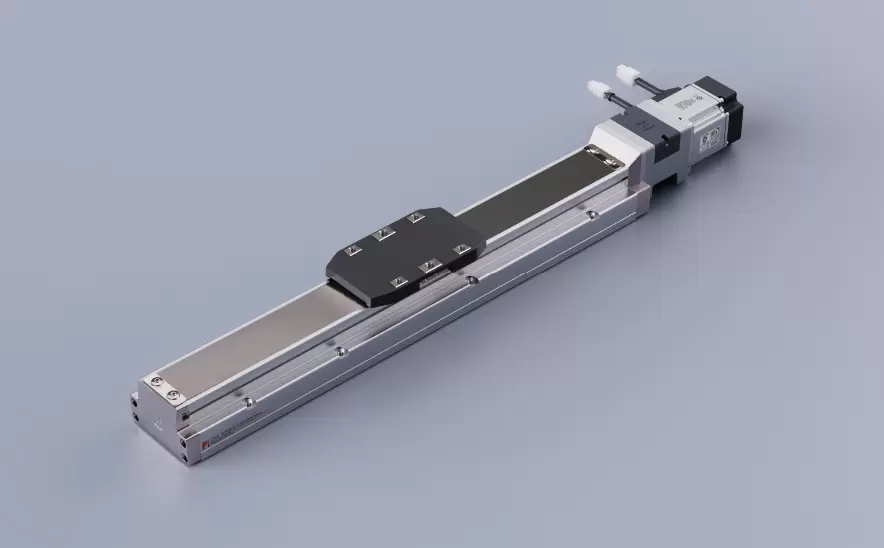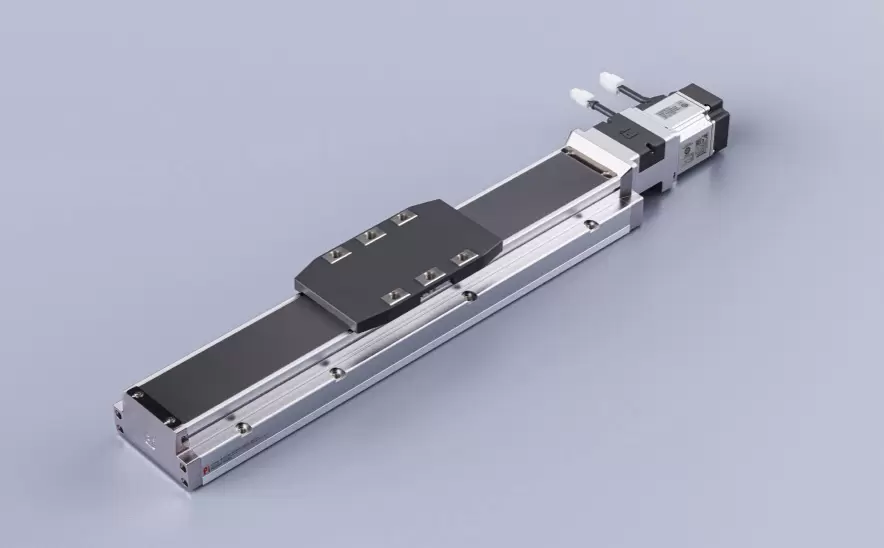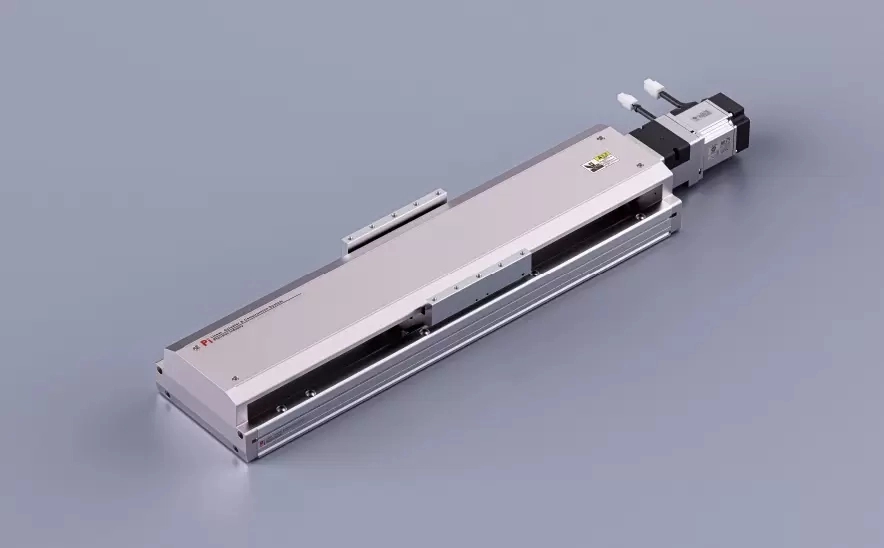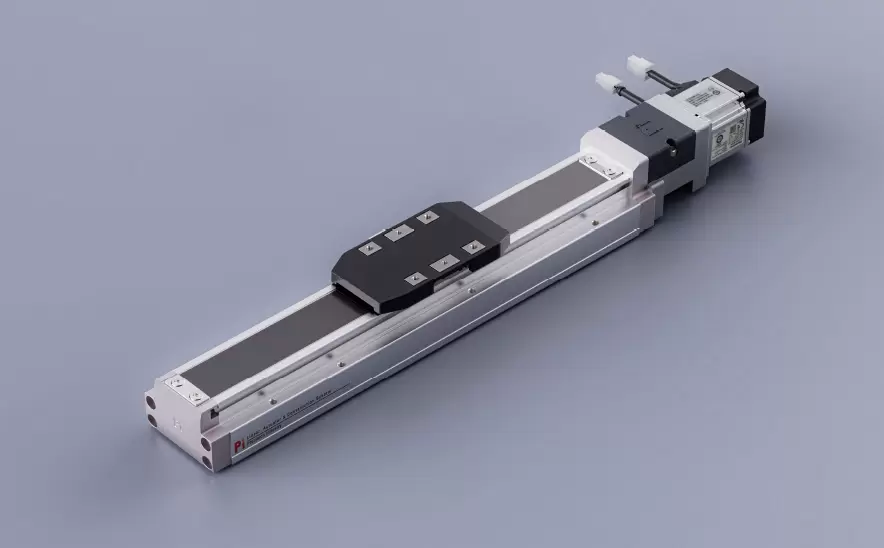
Motor Bottom Side
Repeatability:±0.005/0.01mmHorizontal Load:150kgVertical Load:55kgMaximum Speed:2000mm/sTravel Range:100-1500mm

 Current location:Home > Company > News > Latest news > Common Mistakes to Avoid When Using a Precision Positioning Slide Table
 Date: Mar 18 2026
Precision positioning slide tables are widely used in industries such as automation, electronics manufacturing, optical alignment, and laboratory research. These systems are designed to deliver highly accurate linear motion, making them essential for tasks that require consistent positioning and repeatability.
Despite their reliability, improper operation or simple oversights can lead to performance issues, premature wear, or even equipment failure. Understanding the most common mistakes can help operators get the best results from their slide tables while protecting both the equipment and the work environment.
Below are some of the most frequent mistakes users make—and how to avoid them.
One of the most common issues occurs when users exceed the slide table’s recommended load capacity. This can happen when larger workpieces are added or when additional equipment is mounted without considering the total weight.
Overloading a slide table may cause:
Reduced positioning accuracy
Increased vibration during movement
Excessive wear on the guide rails or drive components
Always check the manufacturer’s specifications and make sure the total load—including fixtures and tools—stays within the recommended range.
Even when the load is within the allowable limit, improper placement can create problems. Mounting a heavy object off-center places uneven stress on the guide system.
This may lead to:
Tilting or unstable movement
Increased friction in the guide rails
Faster deterioration of mechanical parts
For best performance, position the load as close as possible to the center of the platform and ensure it is balanced across the slide table.
Precision slide tables are capable of fast motion, but pushing them to their maximum speed at all times is not always practical. High speeds can introduce unnecessary mechanical stress, especially when handling delicate components.
Common results of excessive speed include:
Reduced positioning precision
Increased noise and vibration
Higher risk of sudden stops or collisions
Adjust the speed and acceleration settings based on the specific application rather than always using the highest available setting.
Because slide tables often operate quietly and smoothly, it’s easy to assume they don’t require much maintenance. In reality, regular maintenance is essential for maintaining accuracy and reliability.
Neglecting maintenance may lead to:
Dust or debris affecting smooth motion
Insufficient lubrication in moving parts
Gradual loss of positioning accuracy
A simple maintenance routine—such as cleaning the guide rails and checking lubrication—can prevent many long-term issues.
Precision motion systems are sensitive to their surroundings. Temperature changes, excessive humidity, and airborne particles can all affect performance.
For example:
Dust can accumulate on guide rails and interfere with movement
High humidity may cause corrosion over time
Temperature fluctuations can slightly alter material dimensions
Whenever possible, operate precision slide tables in a clean and stable environment to maintain consistent accuracy.
Small issues often appear before a major problem occurs. Unusual sounds, slight vibrations, or inconsistent motion may indicate that something needs attention.
Unfortunately, these warning signs are sometimes ignored until the system experiences a more serious failure.
If you notice any abnormal behavior, stop the operation and investigate the cause. Addressing small problems early can prevent costly downtime.
Even advanced equipment depends on proper human operation. Without adequate training, operators may unintentionally misuse the slide table or apply incorrect settings.
Basic training should cover:
Correct loading procedures
Safe speed and travel settings
Routine inspection steps
Emergency shutdown procedures
When operators understand how the system works, they are far less likely to make mistakes that affect performance or safety.
Precision positioning slide tables are valuable tools for achieving accurate and repeatable motion in many technical applications. However, their performance depends heavily on proper usage and care.
By avoiding common mistakes—such as overloading the system, neglecting maintenance, running excessive speeds, or ignoring environmental factors—users can significantly improve the reliability and lifespan of their equipment.
In the end, careful operation and attention to detail are the keys to getting the most out of any precision motion system.