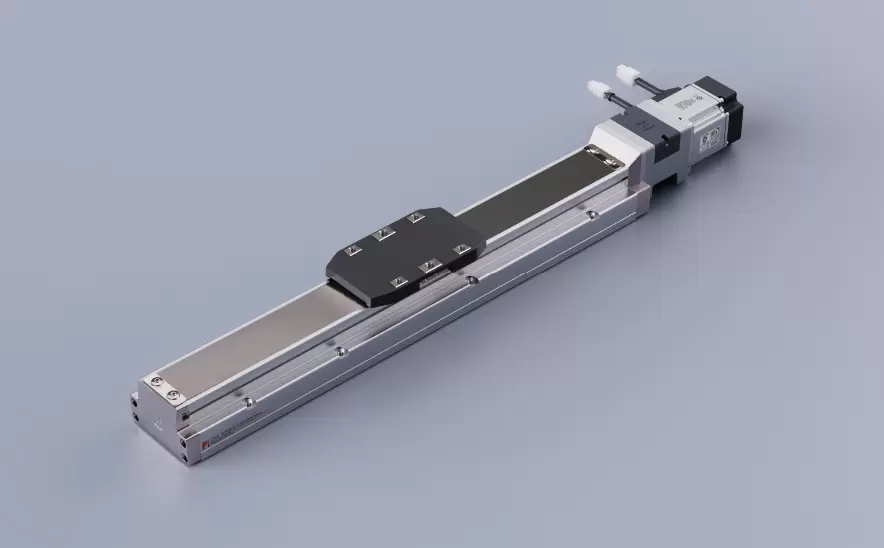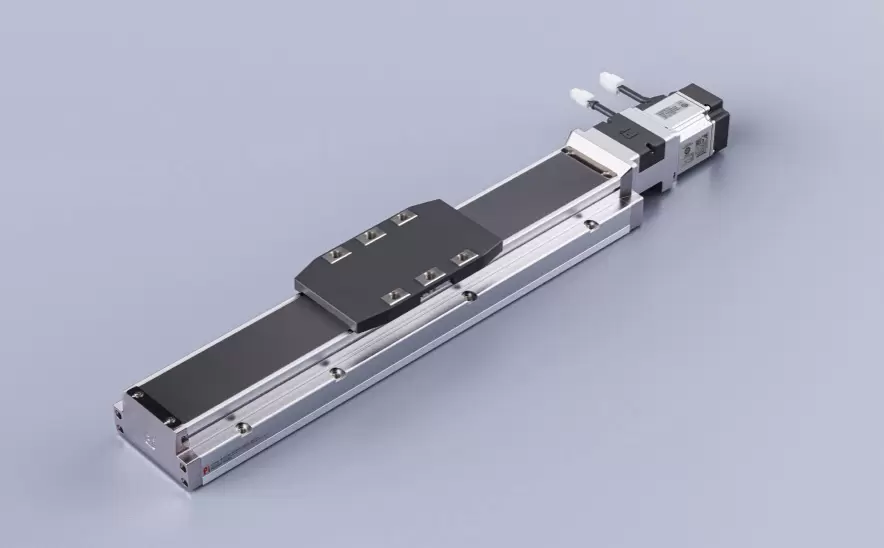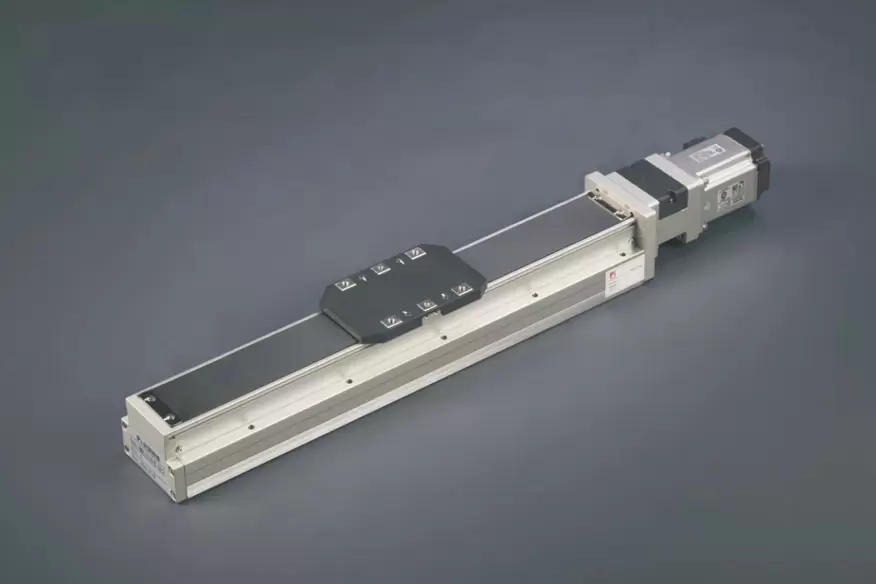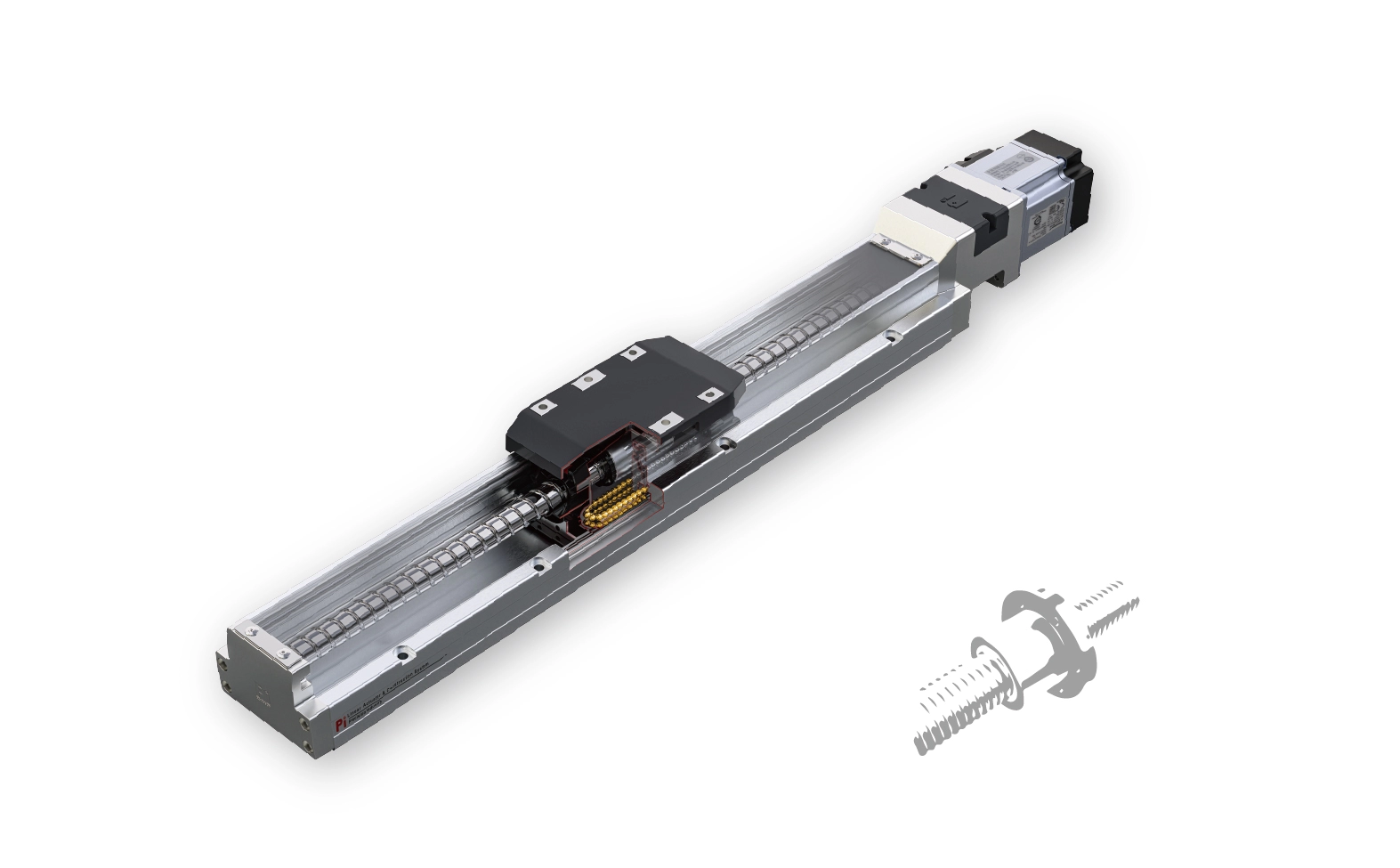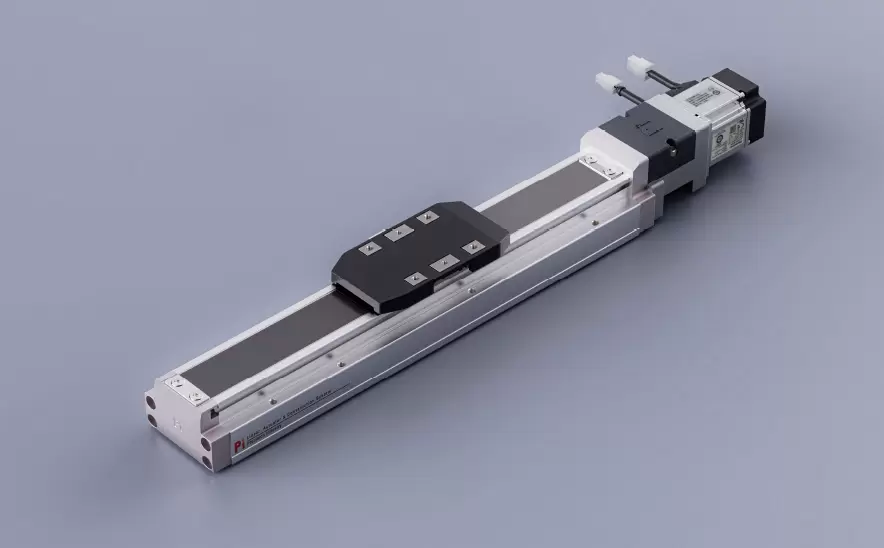
Motor Bottom Side
Repeatability:±0.005/0.01mmHorizontal Load:150kgVertical Load:55kgMaximum Speed:2000mm/sTravel Range:100-1500mm

 Current location:Home > Company > News > Latest news > Maximizing the Efficiency of Your Precision Positioning Slide Table
 Date: Mar 18 2026
Precision positioning slide tables are essential components in many modern industries, from automated manufacturing and electronics assembly to optical alignment and laboratory testing. These systems are designed to deliver smooth, accurate, and repeatable linear motion. However, simply installing a slide table is not enough to guarantee optimal performance.
To truly benefit from its capabilities, users need to focus on efficiency—how well the system performs over time while maintaining accuracy and reliability. The following strategies can help you get the most out of your precision positioning slide table in daily operations.
Efficiency begins with selecting a slide table that matches the requirements of your task. Different applications may require different drive mechanisms, travel ranges, or load capacities.
For example, high-speed automation lines may benefit from lightweight stages with fast response times, while inspection systems often prioritize stability and micron-level positioning accuracy.
Before installation, consider factors such as:
Required positioning accuracy
Maximum load and workpiece size
Travel distance and cycle frequency
Environmental conditions
Choosing the right configuration from the start helps prevent performance bottlenecks later.
Many slide tables allow operators to adjust speed, acceleration, and deceleration settings through a controller. Properly tuning these parameters can significantly improve cycle time while maintaining positioning precision.
When optimizing motion settings:
Avoid unnecessarily slow speeds that reduce productivity
Prevent excessive acceleration that may cause vibration
Balance speed with stability for the specific task
Small adjustments in motion profiles can often lead to noticeable improvements in overall efficiency.
Even a high-quality slide table may perform poorly if it is not installed correctly. Misalignment between the slide table and the mounted equipment can create unnecessary resistance and reduce motion smoothness.
During installation:
Make sure the mounting surface is flat and stable
Tighten bolts evenly to avoid structural stress
Verify that the load is centered and balanced
A well-aligned system reduces mechanical strain and allows the slide table to operate as intended.
Precision motion systems are sensitive to contamination. Dust, metal particles, or other debris can accumulate on guide rails and affect movement accuracy.
To maintain efficiency:
Keep the workspace clean and organized
Use protective covers if the environment contains particles
Regularly inspect the guide rails and moving parts
A clean environment helps the slide table maintain smooth motion and consistent performance over long periods.
Routine maintenance is one of the most effective ways to keep a slide table operating efficiently. Waiting until a problem occurs can lead to downtime and reduced productivity.
Preventive maintenance may include:
Cleaning the linear guides
Applying recommended lubrication
Checking for loose fasteners
Inspecting drive components for wear
These simple tasks ensure that the system continues to perform at its designed level of precision.
Efficiency is not only about immediate performance but also about long-term reliability. Keeping track of system behavior can help identify changes before they become serious issues.
For example, operators can monitor:
Movement smoothness
Positioning consistency
Unusual sounds or vibrations
If performance begins to change, early inspection and adjustment can prevent more significant disruptions.
A precision slide table is only as effective as the people who operate it. Proper training helps operators understand how to use the system efficiently while avoiding unnecessary strain on the equipment.
Training should include:
Correct loading techniques
Recommended operating parameters
Routine inspection procedures
Basic troubleshooting methods
Well-trained operators can often identify and correct small issues before they impact productivity.
Maximizing the efficiency of a precision positioning slide table requires more than just advanced hardware. Proper configuration, careful installation, optimized motion settings, and consistent maintenance all contribute to reliable and efficient performance.
By paying attention to these practical factors, companies can extend the lifespan of their equipment, maintain high positioning accuracy, and improve the overall productivity of their operations.
In the long run, a well-managed precision motion system becomes not just a tool—but a dependable foundation for high-quality manufacturing and research.