Motor Bottom Side
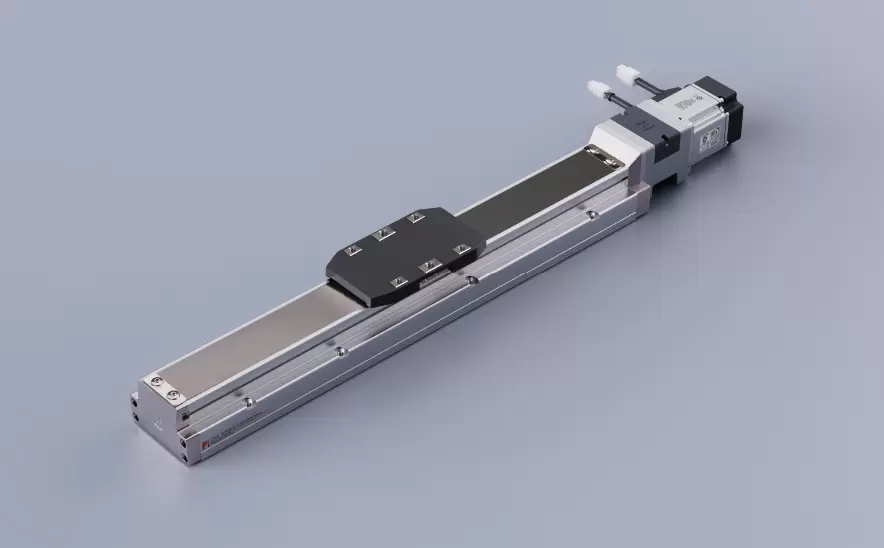
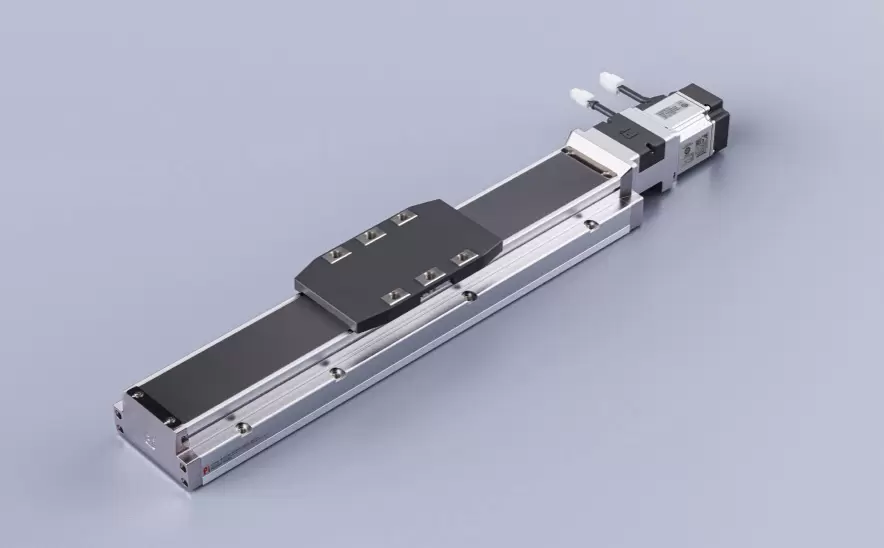
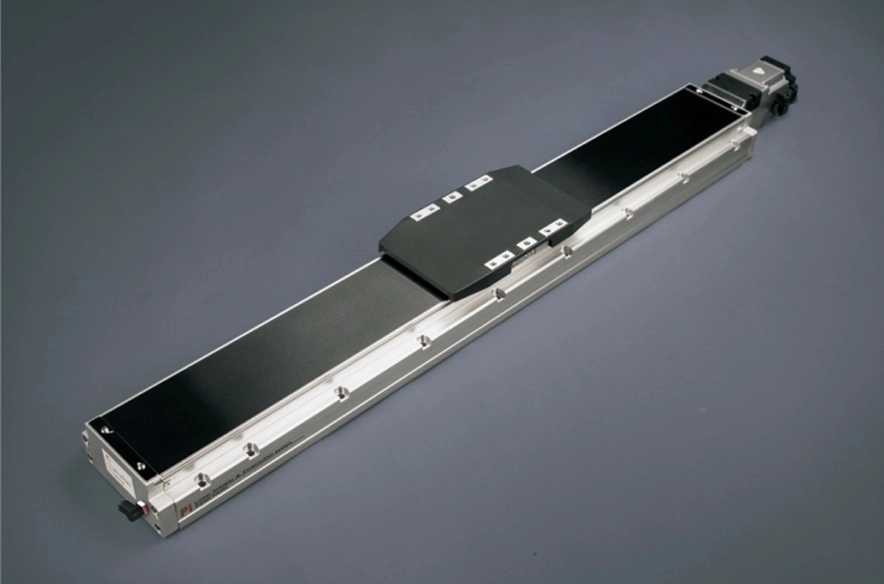
Repeatability:±0.005/0.01mmHorizontal Load:150kgVertical Load:55kgMaximum Speed:2000mm/sTravel Range:100-1500mm

 Current location:Home > Company > News > Latest news > The Importance of Proper Calibration for Precision Positioning Slide Tables
 Date: Apr 08 2026
Precision positioning slide tables are designed to move components with exceptional accuracy. In industries such as semiconductor manufacturing, optical inspection, automated assembly, and laboratory research, even a tiny positioning error can affect product quality or experimental results.
For this reason, proper calibration plays a critical role in maintaining the performance of a precision slide table. Calibration ensures that the system moves exactly where it is supposed to, every time. Without it, even high-quality equipment can gradually lose accuracy.
Understanding why calibration matters—and how it contributes to long-term performance—can help users get the most out of their motion systems.
In simple terms, calibration is the process of verifying and adjusting the positioning accuracy of a slide table. Over time, mechanical wear, environmental conditions, or system adjustments can cause small deviations between the commanded position and the actual position.
Calibration helps identify and correct these deviations by comparing the system’s movement against a known reference. When the slide table is properly calibrated, the controller can ensure that commanded movements correspond closely to the real-world position.
The most obvious benefit of calibration is maintaining accurate positioning. Precision slide tables are often required to move components within extremely tight tolerances.
Without regular calibration:
Small positioning errors may accumulate
Alignment tasks may become less reliable
Production quality may suffer
Proper calibration keeps the system operating within its intended accuracy range.
In automated manufacturing systems, repeatability is just as important as accuracy. A slide table may move thousands or even millions of times during its service life.
Calibration ensures that each movement returns to the correct position consistently. This is especially important in processes such as:
Precision assembly
Inspection and measurement
Optical alignment
Semiconductor handling
Consistency in positioning helps maintain uniform product quality across large production runs.
Calibration is not only about adjustment—it also serves as a diagnostic tool. During calibration checks, technicians may notice subtle changes in system performance.
For example:
Slight increases in positioning error
Minor vibration during movement
Changes in repeatability
These observations can indicate early mechanical wear or environmental influences. Identifying these changes early allows for maintenance before they develop into larger problems.
Regular calibration helps keep the slide table operating under optimal conditions. When positioning errors go unnoticed, operators may unintentionally push the system harder to compensate, which can place extra stress on mechanical components.
By keeping the system properly calibrated, movement remains smooth and controlled, reducing unnecessary strain on guide rails, drive systems, and motors.
Even well-designed systems can gradually drift from their original settings. Several factors may influence calibration accuracy, including:
Mechanical wear from repeated motion
Temperature fluctuations affecting material expansion
Vibration from nearby equipment
Changes in mounting structures or fixtures
Because these factors can vary from one environment to another, regular calibration checks are an important part of maintaining system reliability.
The frequency of calibration depends on how the slide table is used. Systems running in high-speed automated production may require more frequent checks than equipment used occasionally in a laboratory.
A practical calibration routine often includes:
Scheduled accuracy verification
Inspection of mechanical components
Adjustment of controller parameters when necessary
Documentation of calibration results
Keeping records of calibration data can also help track performance trends over time.
Precision positioning slide tables are built to deliver highly accurate and repeatable motion, but maintaining that level of performance requires regular attention. Proper calibration ensures that the system continues to move exactly as intended, supporting both product quality and operational efficiency.
By incorporating calibration into routine maintenance practices, companies can maintain consistent accuracy, detect potential issues early, and extend the lifespan of their precision motion equipment. In applications where precision truly matters, calibration is not just a technical step—it is a key part of reliable system performance.