Motor Bottom Side
Repeatability:±0.005/0.01mmHorizontal Load:150kgVertical Load:55kgMaximum Speed:2000mm/sTravel Range:100-1500mm

 Current location:Home > Company > News > Latest news > What You Should Know Before Operating a Precision Positioning Slide Table
 Date: Mar 25 2026
Precision positioning slide tables are widely used in industries such as automation, semiconductor manufacturing, optical inspection, and laboratory research. These systems are designed to deliver accurate and repeatable linear motion, often down to microns.
While the technology behind slide tables is highly advanced, safe and efficient operation still depends on how well users understand the equipment before turning it on. Taking a few important factors into account beforehand can prevent unnecessary errors, reduce equipment wear, and improve overall productivity.
Here are several key things every operator should know before operating a precision positioning slide table.
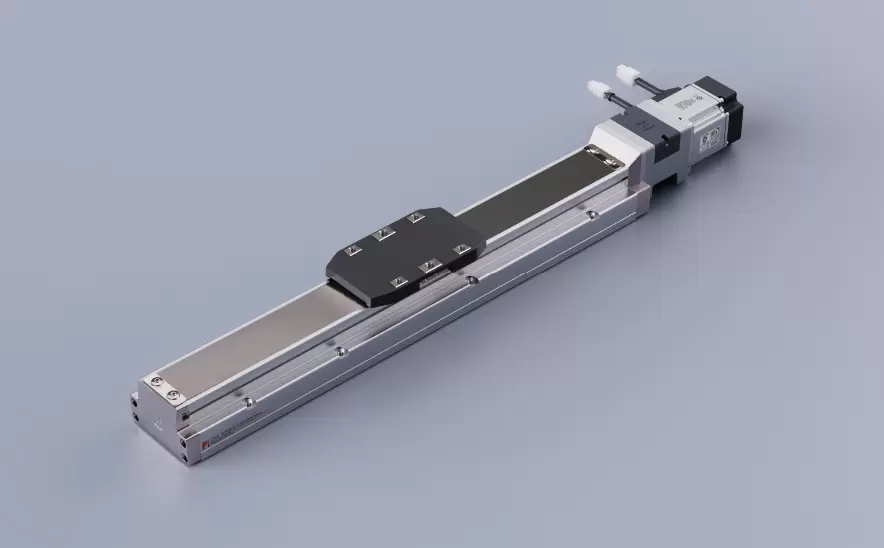
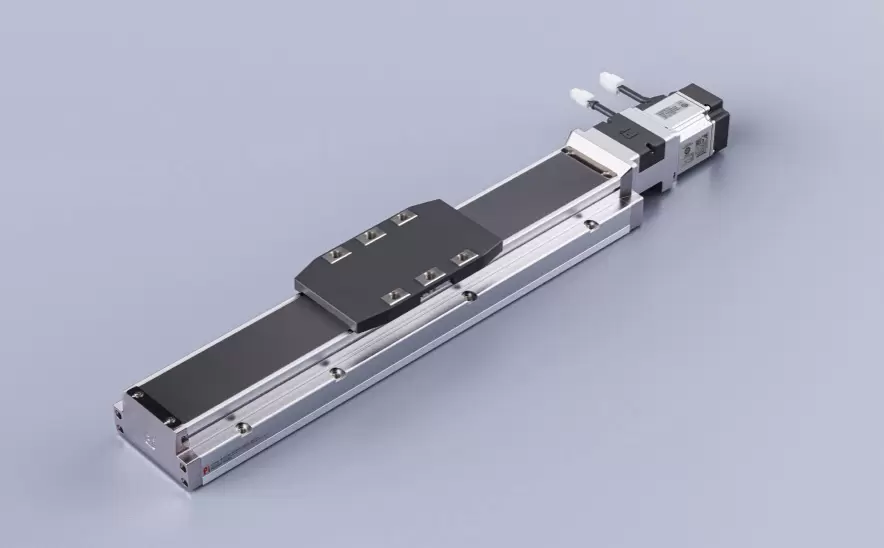
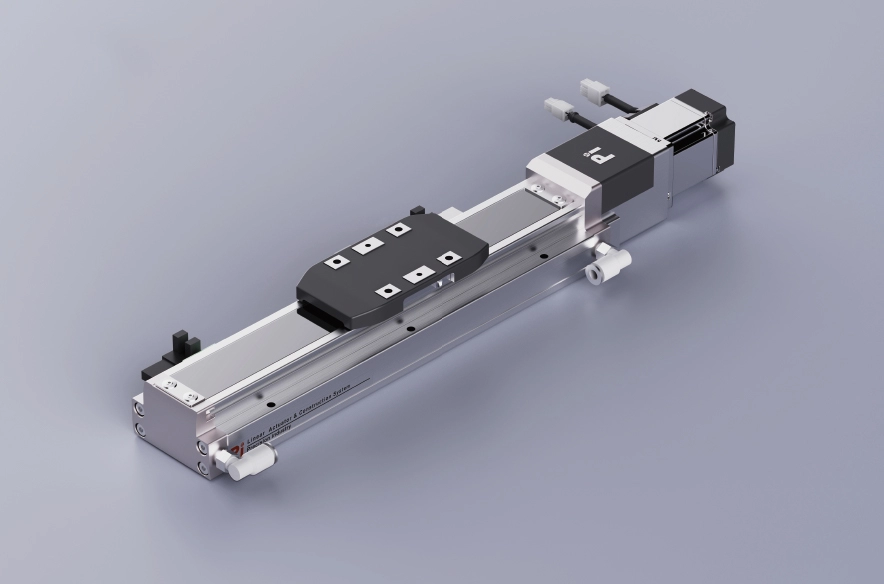
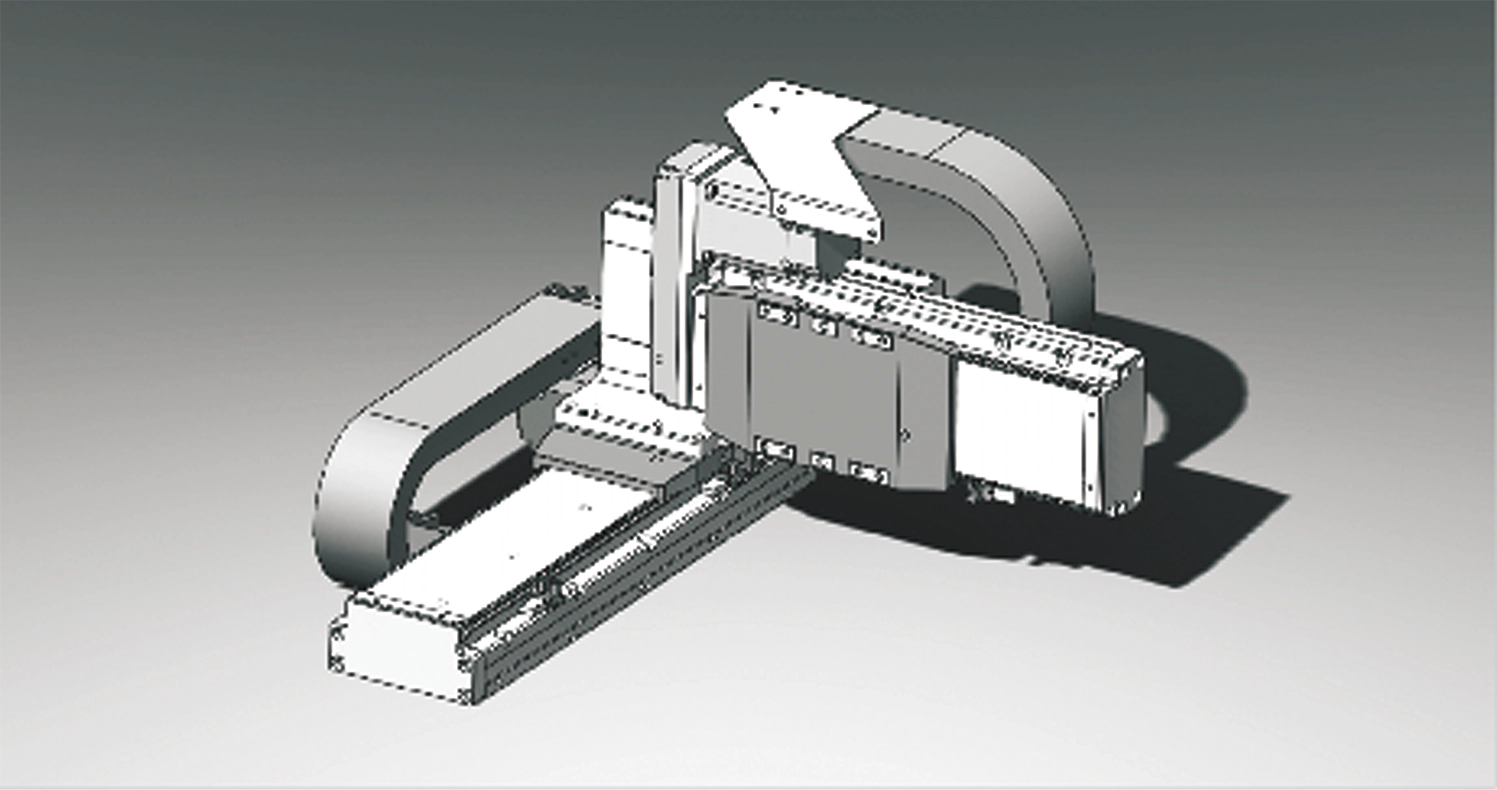
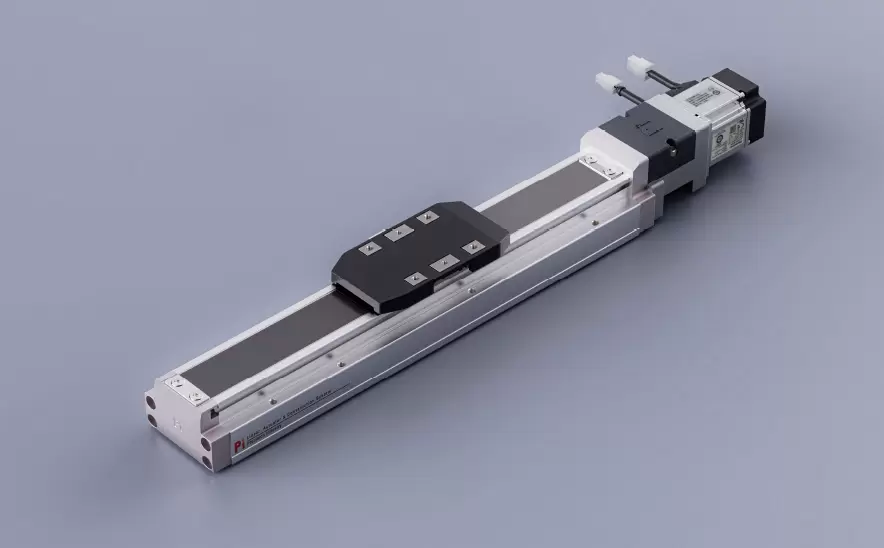
Before using a precision slide table, it is helpful to understand how the system works. Most slide tables include several core components:
Linear guide rails that support smooth and stable movement
Drive mechanisms, such as ball screws, belts, or linear motors
Motors and controllers that manage motion and positioning
A mounting platform where tools, fixtures, or workpieces are installed
Having a basic understanding of these components allows operators to better recognize normal operation and quickly notice when something is not working as expected.
Every slide table is designed with specific operating limits. These limits ensure that the equipment performs accurately and safely.
Important specifications to check include:
Maximum load capacity
Travel distance
Positioning accuracy and repeatability
Maximum speed and acceleration
Operating outside these limits may reduce precision or cause unnecessary strain on the mechanical components.
Before operating the slide table, ensure that the system has been installed correctly. A stable and level mounting surface is essential for maintaining precision.
Operators should verify that:
The base is firmly secured
All mounting bolts are properly tightened
The slide table is aligned with other connected equipment
The load is balanced on the platform
Improper installation can lead to vibration, inaccurate positioning, or long-term mechanical wear.
A quick inspection before operation can prevent many problems. Even small issues—such as debris on the guide rails or loose fasteners—can affect performance.
Before starting the system, check for:
Dust or particles on moving components
Loose cables or connectors
Unusual wear or damage
Objects blocking the movement path
Taking a few minutes to inspect the equipment can help avoid unexpected interruptions during operation.
Precision slide tables perform best in clean and controlled environments. External factors can influence positioning accuracy and system stability.
Whenever possible, make sure that:
The workspace is free of excessive dust or debris
Temperature fluctuations are minimized
The system is protected from vibration caused by nearby machines
Maintaining a stable environment helps the slide table deliver consistent performance.
Modern slide tables are often operated through motion controllers or integrated software. Before starting the system, operators should understand how to use these controls.
This includes knowing how to:
Set travel distances
Adjust speed and acceleration
Start or stop motion safely
Use emergency stop functions if necessary
Understanding the control interface helps prevent incorrect commands that might lead to sudden or unexpected movement.
Finally, always follow the safety guidelines provided by the manufacturer or workplace management. These procedures are designed to protect both operators and equipment.
Basic safety practices include:
Keeping hands and tools away from moving parts
Avoiding overloading the slide table
Using emergency stop functions when needed
Reporting unusual behavior immediately
Consistent adherence to these procedures ensures safe and reliable operation.
Operating a precision positioning slide table is not simply a matter of pressing a start button. A clear understanding of the system’s structure, specifications, installation, and operating environment plays a major role in achieving accurate and stable performance.
By preparing properly before operation—inspecting the equipment, confirming correct setup, and understanding control settings—operators can reduce potential risks and make full use of the slide table’s capabilities.
In the long run, careful preparation leads to better precision, improved productivity, and a longer service life for the equipment.