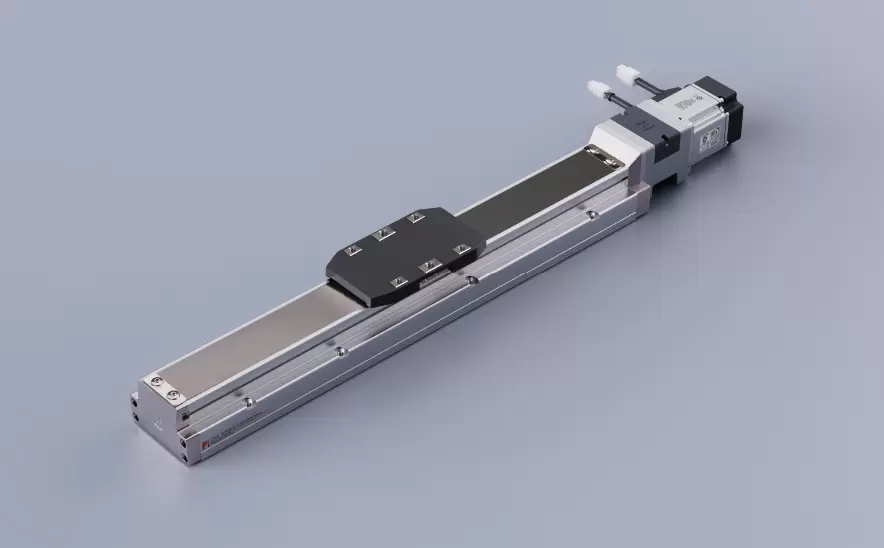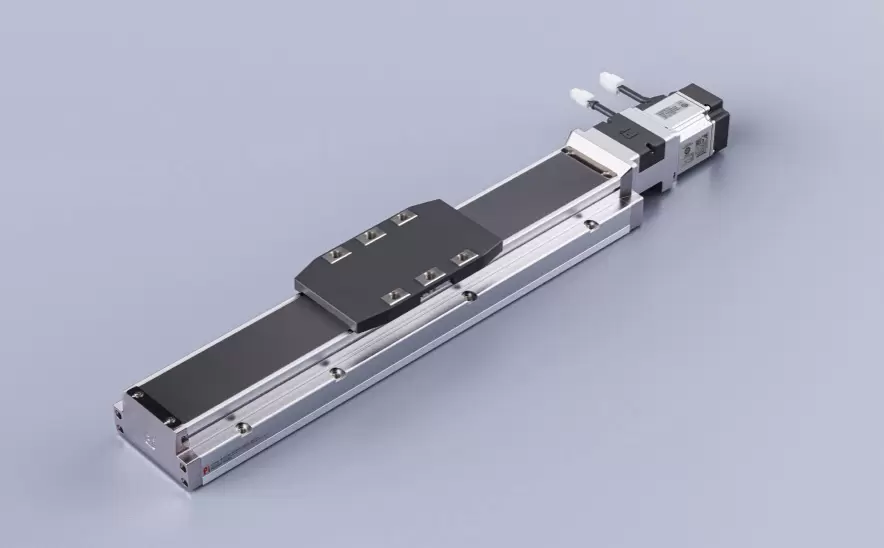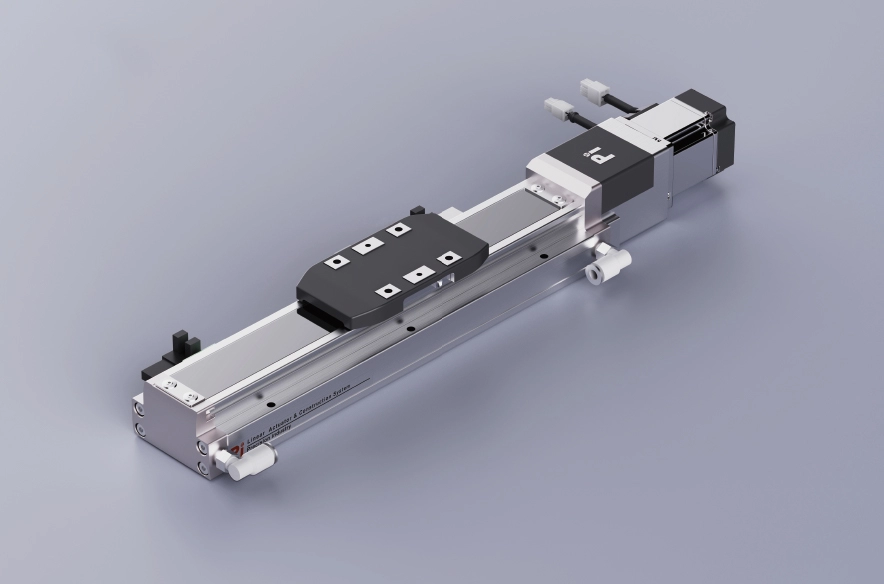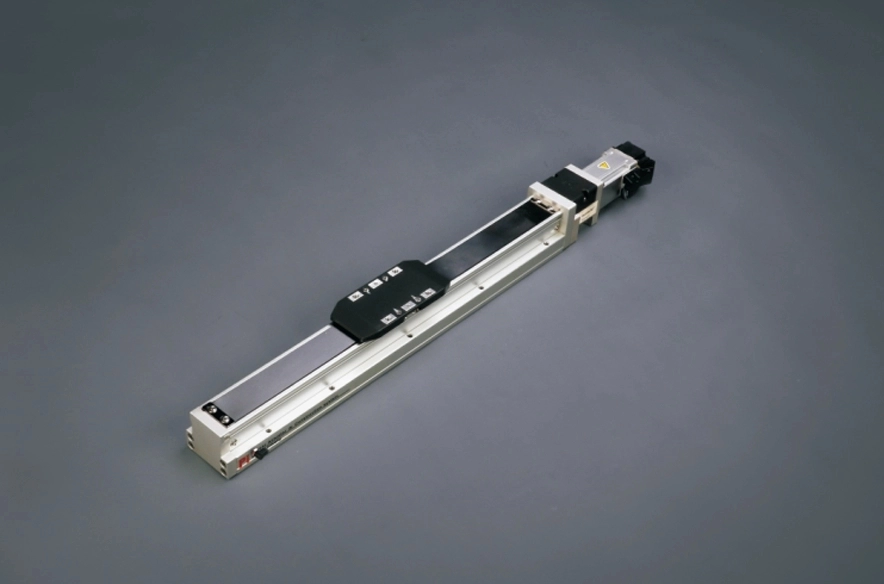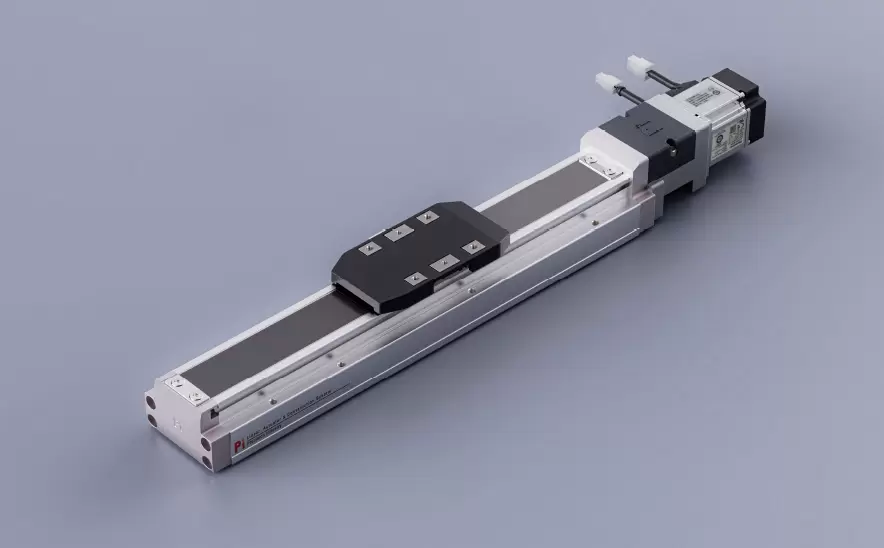
Motor Bottom Side
Repeatability:±0.005/0.01mmHorizontal Load:150kgVertical Load:55kgMaximum Speed:2000mm/sTravel Range:100-1500mm

 Current location:Home > Company > News > Latest news > Evaluating the Durability of Precision Positioning Slide Tables: A Buying Guide
 Date: Mar 02 2026
When selecting a precision positioning slide table, durability is a critical factor that often gets overlooked in favor of more immediate concerns like accuracy or speed. However, a durable slide table can provide long-term value by reducing maintenance costs, increasing uptime, and ensuring consistent performance throughout its lifecycle.
In this buying guide, we’ll walk you through the essential aspects of evaluating the durability of precision positioning slide tables, helping you make an informed decision that balances both short-term and long-term needs.
Why Durability Matters for Precision Positioning Slide TablesIn applications where high precision and accuracy are crucial—such as robotics, microscopy, automated manufacturing, or optical testing—even small errors in movement can have significant consequences. A durable slide table will help maintain the accuracy of the system over time, even under heavy use or in challenging environments.
Durability isn't just about resisting wear and tear. It also impacts the longevity, reliability, and cost-effectiveness of your equipment. A durable slide table will ensure smooth operation, minimal downtime, and fewer repairs—all of which contribute to higher productivity and lower operational costs in the long run.
Key Factors to Consider When Evaluating DurabilityThe materials used in the construction of a slide table directly impact its strength, corrosion resistance, and overall longevity.
What to Look For:
Corrosion-resistant materials: If the slide table will be used in environments with exposure to moisture, chemicals, or extreme temperatures, materials such as stainless steel, anodized aluminum, or ceramic-coated components offer enhanced resistance to corrosion.
Rigid frame construction: A slide table with a strong, rigid frame helps to maintain its precision and stability under load. This is particularly important in high-precision tasks where even small distortions can affect accuracy.
High-quality bearings and guides: Durable, well-designed bearings (e.g., linear ball bearings, air bearings) can minimize friction and wear while supporting smooth movement.
Why It Matters: A table made from high-quality materials will last longer, require less maintenance, and perform consistently even in harsh environments.
The load capacity and stiffness of a slide table are essential for ensuring that it can support heavy or dynamic loads without experiencing deflection, which could lead to inaccurate positioning or mechanical damage over time.
What to Look For:
Static and dynamic load ratings: Check the manufacturer’s load capacity specifications, including both static (stationary) and dynamic (moving) loads. These ratings indicate how much weight the system can handle without compromising performance.
Stiffness and rigidity: A stiff table design will resist bending or flexing under load, ensuring that the slide table remains stable and maintains its precision even when operating at full capacity.
Why It Matters: A stiff and strong slide table ensures that the precision is maintained even when handling heavy loads, reducing the risk of performance degradation or component failure.
In environments such as cleanrooms, laboratories, or industrial applications, exposure to dust, dirt, moisture, and other contaminants can lead to wear and tear on the moving parts of a slide table. Seals and protective features are crucial for ensuring that the table remains operational over time.
What to Look For:
Sealed bearings and guides: Look for sealed or lubricated-for-life bearings that prevent dirt, dust, and moisture from entering the internal components. This protects the internal mechanisms from abrasion and corrosion.
Dust-resistant or waterproof coatings: Many slide tables come with coated surfaces or seals that provide additional protection against the elements, particularly if the system will be exposed to harsh conditions.
IP ratings: Some systems come with Ingress Protection (IP) ratings, which indicate the level of protection against dust and water ingress. Higher IP ratings (e.g., IP65, IP67) are more suitable for environments with high exposure to contaminants.
Why It Matters: Seals and protective coatings extend the lifespan of a slide table by preventing contaminants from causing friction, corrosion, and premature wear, ultimately contributing to a more durable system.
Proper lubrication is essential for reducing friction and preventing wear on the slide table's components. However, different slide tables have varying lubrication requirements, which can affect both their maintenance frequency and durability.
What to Look For:
Self-lubricating systems: Some slide tables feature self-lubricating components, such as lubricated bearings or seals, which reduce the need for regular maintenance and help extend the lifespan of the system.
Easy maintenance access: Look for slide tables that provide easy access for regular maintenance or lubrication. This can help reduce downtime and prevent overheating, friction, or excessive wear.
Grease-free or low-maintenance models: If your application demands minimal downtime, consider grease-free models or ones that require very little maintenance to operate effectively over time.
Why It Matters: Low-maintenance systems with self-lubricating mechanisms reduce the need for constant upkeep and allow for longer operational periods between servicing, contributing to overall durability.
Temperature fluctuations can take a toll on the performance and longevity of your precision slide table. If your lab or production environment experiences extreme temperatures or rapid temperature changes, it's essential to choose a slide table that can withstand these conditions without losing accuracy or durability.
What to Look For:
High-temperature resistance: Look for slide tables made from materials that can handle high temperatures without degrading, such as high-grade aluminum or stainless steel.
Thermal stability: Some models are designed with thermal compensation mechanisms that allow them to maintain consistent accuracy and performance even in fluctuating temperatures.
Why It Matters: A slide table that can operate effectively in extreme or varying temperatures will ensure long-lasting performance, even in harsh laboratory or industrial environments.
In many laboratory or industrial settings, vibrations and shocks can occur due to nearby machinery or equipment. These forces can interfere with the precision and durability of your slide table, leading to inaccuracies and wear over time.
What to Look For:
Damping systems: Some precision slide tables are equipped with shock absorbers or vibration-damping systems that reduce the impact of external forces on the table’s components.
Rigid design: A well-engineered slide table will have a rigid structure that resists bending or flexing under stress, ensuring that vibrations don’t affect positioning accuracy.
Why It Matters: Vibration resistance ensures that the slide table can maintain its precision and durability even when exposed to external forces, making it ideal for high-precision environments.
ConclusionWhen choosing a precision positioning slide table, durability is not just about how long the system will last, but how well it will maintain its accuracy and performance over time. By considering factors such as material quality, load capacity, seals and protections, lubrication, and temperature resistance, you can ensure that the slide table you choose will meet the demands of your application while minimizing the need for frequent maintenance or repairs.
Durability is essential for long-term reliability, especially in high-precision applications where consistent performance is critical. By evaluating these factors, you can select a slide table that will deliver reliable, long-lasting performance and provide value for years to come.