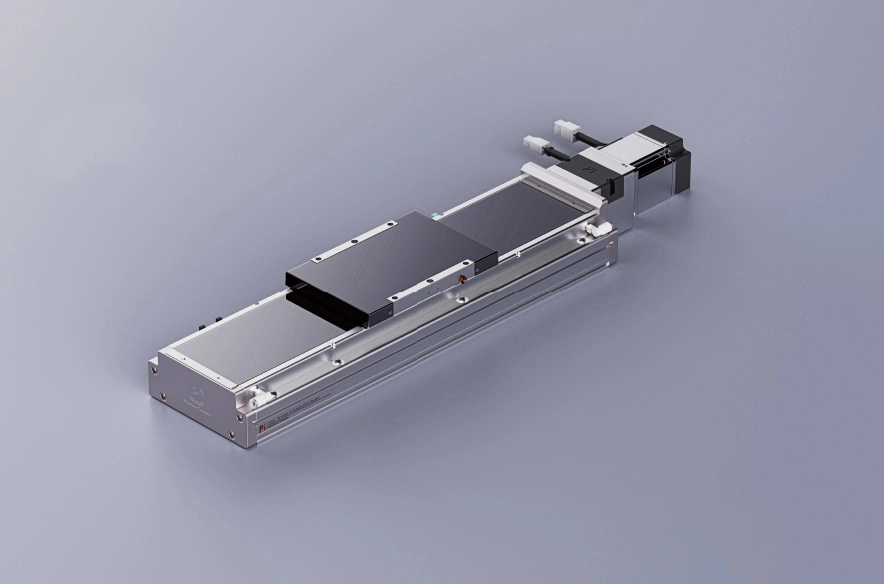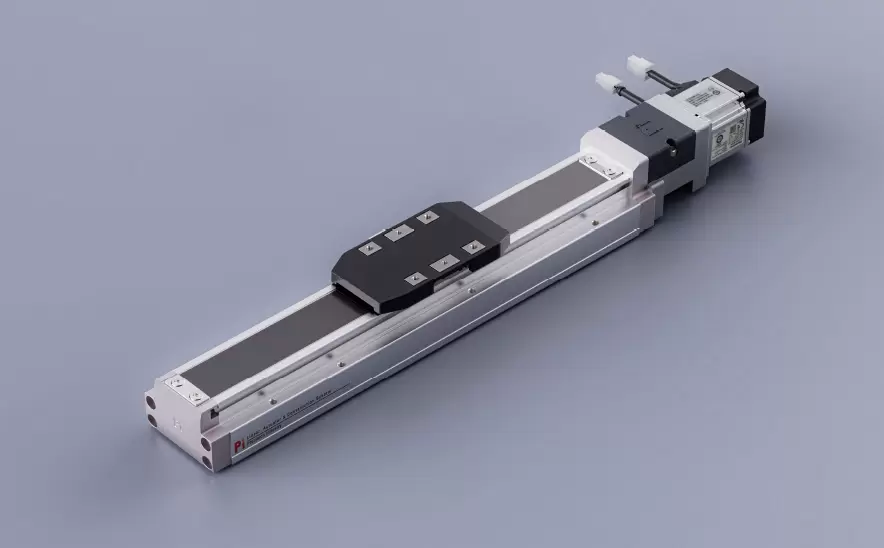
Motor Bottom Side
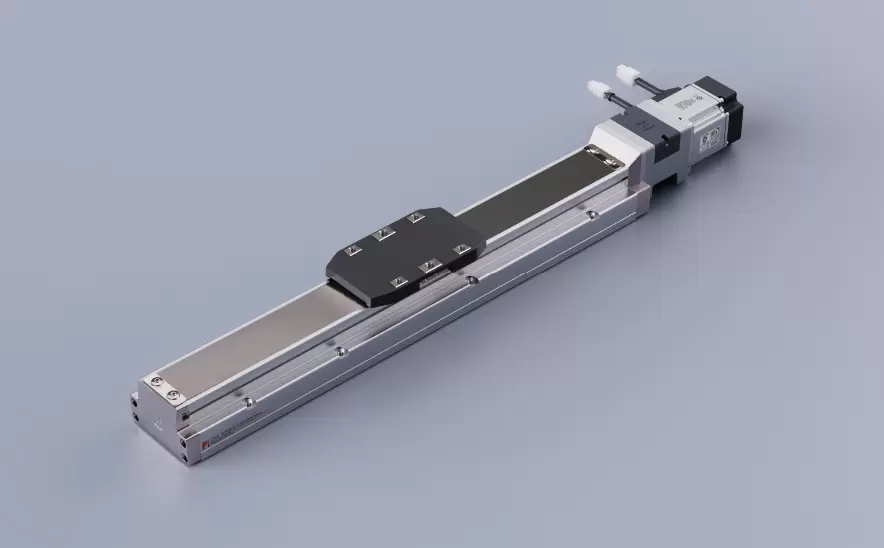
Repeatability:±0.005/0.01mmHorizontal Load:150kgVertical Load:55kgMaximum Speed:2000mm/sTravel Range:100-1500mm

 Current location:Home > Company > News > Latest news > Choosing the Right Precision Positioning Slide Table for Laboratory Research
 Date: Mar 02 2026
In laboratory research, precision and accuracy are not just preferences—they are fundamental to success. Whether you're working with microscopes, optical systems, or automated testing equipment, the precision positioning slide table plays a crucial role in achieving high-quality, repeatable results. The right choice of slide table can make a significant difference in the accuracy, efficiency, and overall outcome of your experiments.
When selecting a precision positioning slide table for laboratory research, it's essential to consider a range of factors to ensure that it meets the unique demands of your research environment. In this article, we will explore the key features you should look for and how to choose the right slide table for your specific laboratory applications.
Key Considerations When Choosing a Precision Positioning Slide TableAt the core of any laboratory research task is the need for high precision. Whether you're using the slide table for microscope positioning, optical alignment, or sample manipulation, accuracy is paramount.
What to Look For:
Tolerance levels: The precision of a slide table is typically measured in microns. For tasks that require sub-micron accuracy (like optical alignment or nanotechnology applications), ensure the slide table offers tolerances as tight as ±1 micron or even better.
Repeatability: You’ll also want to ensure that the slide table has high repeatability—the ability to return to the same position consistently, which is crucial for tasks like sample inspection or laser calibration.
Why It Matters: High-precision and repeatable movement ensures your experiments are accurate, reduces the risk of errors, and increases the reliability of your research results.
In a laboratory, the types of equipment you use can vary significantly. From microscopes and optical components to laser equipment and test samples, you may need a slide table that can support different weights and sizes.
What to Look For:
Static and dynamic load ratings: Ensure the slide table can handle both static loads (when the load is stationary) and dynamic loads (during movement). If you're working with heavier equipment or samples, the table needs to provide adequate support without compromising its precision.
Stability: Stability is critical for precise movement. Look for tables with low deflection and rigid frames that can handle loads without excessive bending or distortion.
Why It Matters: A slide table that can support the required load while maintaining stability is crucial for the reliability of your measurements. For example, in optical systems, even the slightest deflection can affect the alignment and accuracy of your results.
The travel range or stroke length refers to how far the slide table can move in a single direction. For laboratory research, this will depend on the specific task at hand.
What to Look For:
Consider the distance the slide table needs to cover in your experiments. If you're performing tasks that require precise positioning over long distances, such as sample scanning or automated inspections, you’ll need a slide table with a longer stroke length.
If your tasks are more focused on localization or fine adjustments, a shorter travel range may be sufficient.
Some models offer adjustable stroke lengths, giving you more flexibility as your needs evolve.
Why It Matters: The correct stroke length ensures that the slide table provides the necessary range of motion for your applications, without unnecessary excess that could affect precision.
Laboratory research often involves both precise positioning and controlled movement. Whether you're aligning optics, moving a sample, or adjusting experimental setups, the speed at which your slide table moves is also important.
What to Look For:
Look for a motorized slide table that allows for precise control over the speed of movement. A variable speed control feature is beneficial, as it allows you to fine-tune the speed according to your experiment's needs.
Consider how fast the slide table can move without compromising accuracy, especially when you need to complete cycles or reposition quickly.
Why It Matters: The ability to control both speed and position makes it easier to perform dynamic adjustments during experiments, improving both efficiency and accuracy. High-speed adjustments can also save time in processes that require frequent repositioning.
The actuation mechanism plays a major role in the performance of your precision slide table. You have several options to choose from, each with its benefits depending on your research needs.
What to Look For:
Electric Actuators: Electric actuators are typically the most precise and programmable, offering smooth, controlled motion. These are ideal for applications that require high repeatability and programmability, such as optical alignment or microsurgery.
Manual Actuators: If you only need occasional adjustments and prefer more hands-on control, a manual slide table might suffice. These are often used for less dynamic tasks where micrometer-level adjustments are needed.
Pneumatic and Hydraulic Actuators: These actuators are often used for heavier load-bearing applications, although they may not offer the same level of precision as electric actuators.
Why It Matters: The actuation type directly affects the smoothness, precision, and control of your slide table. For laboratory research requiring fine adjustments and high control, electric actuators are often the best choice.
Many laboratory environments have specific conditions that can affect equipment performance. Factors like temperature, humidity, dust, and cleanliness can play a role in how well your slide table functions.
What to Look For:
Corrosion resistance: If you’re working in wet environments or near chemicals, look for slide tables made from corrosion-resistant materials such as stainless steel.
Cleanroom compatibility: In a cleanroom or sterile environment, you’ll need a slide table that minimizes the risk of contamination. Tables with sealed bearings and cleanroom-approved components will help maintain the integrity of your experiments.
Temperature resistance: Ensure the materials can withstand the temperature range within your lab, especially for high-temperature experiments like thermal testing or laser-based research.
Why It Matters: Environmental factors can affect the precision and durability of your slide table. Ensuring that the table is compatible with the laboratory’s conditions will improve its longevity and performance.
Precision equipment in a laboratory environment needs to be reliable and low-maintenance. Consider the long-term durability and upkeep requirements of the slide table before making a choice.
What to Look For:
Self-lubricating systems: These reduce the need for frequent maintenance, ensuring smooth operation over time.
Sealed or protected components: Dust or moisture-resistant features can reduce wear and tear, extending the life of the slide table.
Modular design: Some systems are designed to be easy to maintain or replace parts if necessary, which can be especially useful in high-use environments.
Why It Matters: Frequent maintenance can disrupt experiments and add additional costs. A slide table that is easy to maintain and built to last will save you both time and money in the long run.
ConclusionChoosing the right precision positioning slide table for laboratory research is a decision that directly impacts the accuracy, efficiency, and longevity of your experiments. By considering factors like precision, load capacity, stroke length, speed, and actuation type, you can select a system that fits your unique research needs.
Whether you're performing microscope adjustments, optical alignment, or sample handling, the right slide table will enhance the quality of your research, minimize errors, and help you achieve consistent, reliable results. Take the time to carefully assess your laboratory’s requirements, and you’ll find the ideal precision positioning slide table that ensures success in your experiments.