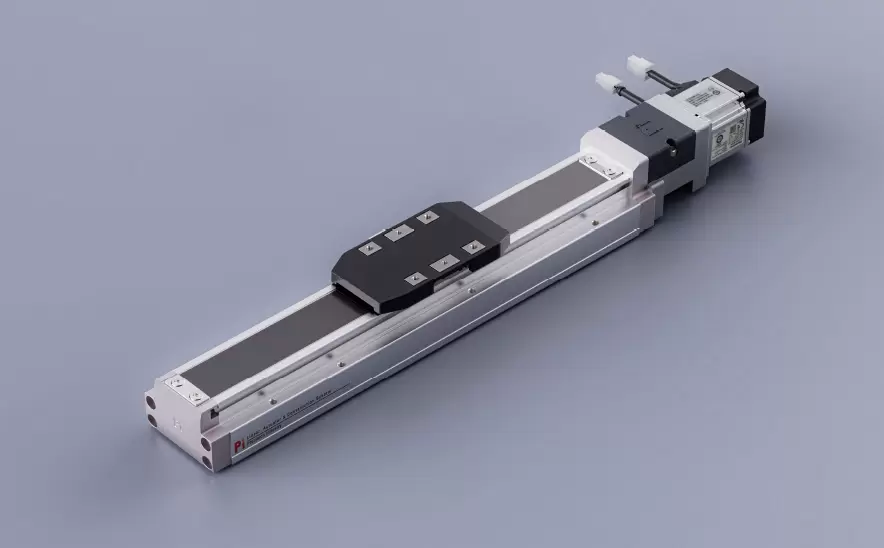
Motor Bottom Side
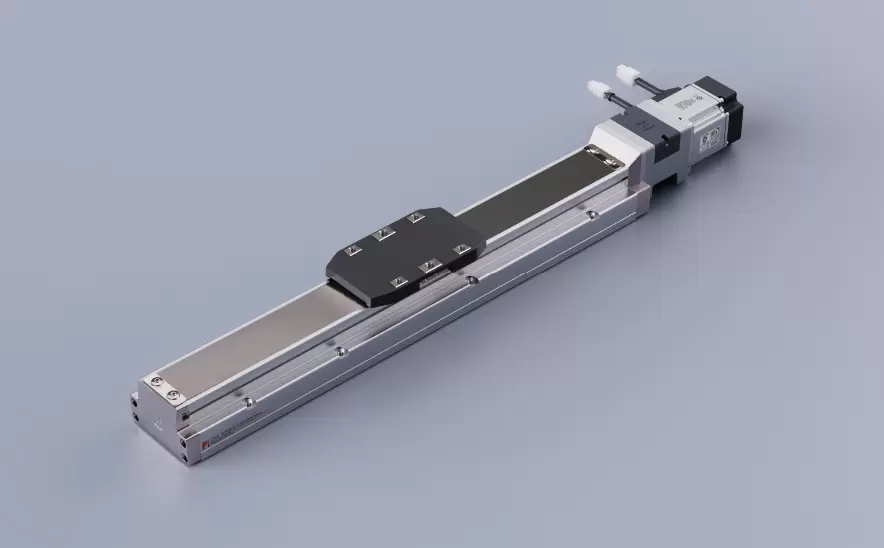
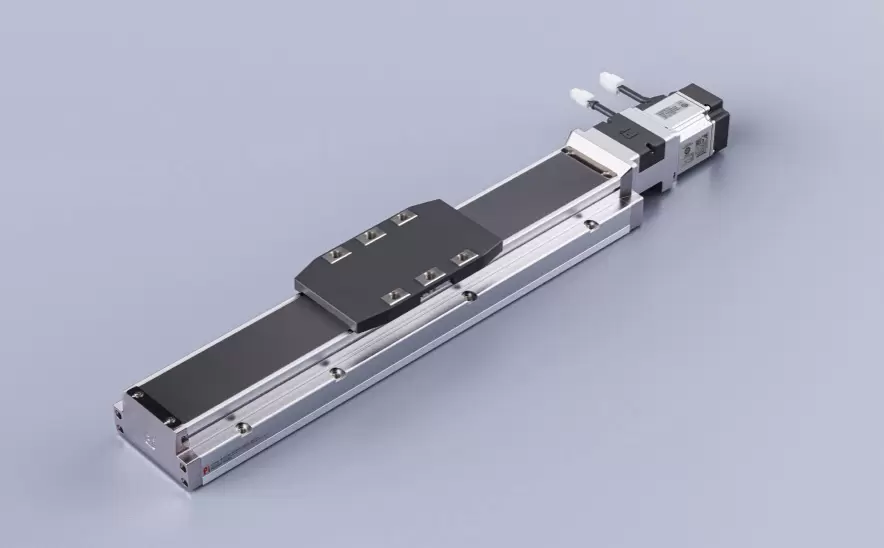
Repeatability:±0.005/0.01mmHorizontal Load:150kgVertical Load:55kgMaximum Speed:2000mm/sTravel Range:100-1500mm

 Current location:Home > Company > News > Latest news > Precision Positioning Slide Table Materials: Which Is Best for Your Needs?
 Date: Mar 02 2026
When choosing a precision positioning slide table, one of the most important factors to consider is the material it’s made from. The material not only influences the durability, precision, and maintenance of the system but also impacts its performance in various environmental conditions.
Whether you're working in robotics, microscopy, automated manufacturing, or any high-precision field, selecting the right material for your slide table can directly affect the accuracy, reliability, and longevity of your equipment. In this article, we will explore the most common materials used in precision positioning slide tables and help you determine which one is best suited to your specific needs.
1. Aluminum: Lightweight and Cost-EffectiveAluminum is one of the most popular materials used for precision positioning slide tables due to its lightweight properties and affordability. It’s often used in general applications where cost-effectiveness and moderate precision are required.
Key Benefits:
Lightweight: Aluminum is much lighter than other metals, which makes it ideal for applications where weight is a concern, such as robotic arms or mobile testing platforms.
Good Corrosion Resistance: Aluminum naturally forms a protective oxide layer that helps resist corrosion, making it suitable for moderately harsh environments.
Affordable: Aluminum is relatively inexpensive compared to other metals, offering a good balance between performance and cost.
Ease of Machining: Aluminum is easy to machine and fabricate, which allows for more flexible designs and faster production.
When to Choose Aluminum:
General-purpose applications where cost-effectiveness is essential.
Moderate load-bearing tasks where weight is a factor, but extreme durability or precision is not required.
Non-corrosive environments, such as clean labs or dry conditions, where aluminum’s natural corrosion resistance is sufficient.
Why It Matters: Aluminum is a solid choice if you need a budget-friendly, lightweight material for moderate precision tasks, but if your application demands extreme precision or high load capacity, you might need to look at other materials.
2. Stainless Steel: Strength and Corrosion ResistanceStainless steel is widely used for precision positioning slide tables where strength, stability, and corrosion resistance are critical. It’s a more durable option than aluminum, with a higher load capacity and resistance to environmental factors like moisture and chemicals.
Key Benefits:
High Strength and Durability: Stainless steel offers superior strength and can withstand heavy loads and harsh conditions without compromising performance.
Corrosion Resistance: Stainless steel is highly resistant to rust, corrosion, and chemical exposure, making it an excellent choice for wet environments or chemical processing.
Thermal Stability: Stainless steel can tolerate extreme temperatures, making it ideal for high-heat environments like furnaces, molding machines, or temperature-controlled testing.
Rigid and Stable: Stainless steel maintains its shape and precision even under load, ensuring long-lasting stability for demanding applications.
When to Choose Stainless Steel:
Heavy-duty applications that involve high loads or require high mechanical strength.
Corrosive environments, such as laboratories, marine settings, or food processing plants where the slide table may come into contact with chemicals or moisture.
Applications where thermal stability and consistent performance are required under varying temperatures.
Why It Matters: Stainless steel is the go-to material for high-performance environments, where both durability and precision are critical. It is, however, heavier and more expensive than aluminum, so consider whether the extra durability justifies the cost.
3. Anodized Aluminum: Enhanced Corrosion ResistanceWhile aluminum is already a popular material, anodized aluminum offers additional corrosion resistance and surface hardness, making it an even more attractive option for demanding applications.
Key Benefits:
Improved Corrosion Resistance: The anodizing process creates a durable oxide layer on the surface, increasing corrosion resistance significantly compared to untreated aluminum.
Enhanced Surface Hardness: Anodizing increases the surface hardness, making the material more resistant to abrasion and scratching.
Lightweight: Like regular aluminum, anodized aluminum is still much lighter than heavier metals like stainless steel, making it ideal for weight-sensitive applications.
Aesthetic Appeal: Anodized aluminum can be finished in various colors, which can be useful for branding or identifying components in complex systems.
When to Choose Anodized Aluminum:
Lightweight applications where corrosion resistance and surface durability are a priority.
Environments with moderate exposure to moisture or chemicals, but where you don’t need the extreme durability of stainless steel.
Aesthetic purposes, such as when the slide table needs to blend into a specific design or branding scheme.
Why It Matters: Anodized aluminum offers an excellent compromise between weight, durability, and corrosion resistance. If your application needs both strength and lightweight properties, anodized aluminum is a strong contender.
4. Titanium: Ultimate Strength and DurabilityTitanium is known for its exceptional strength-to-weight ratio and corrosion resistance, making it one of the most durable materials available for precision positioning slide tables.
Key Benefits:
Incredible Strength-to-Weight Ratio: Titanium is incredibly strong while remaining lightweight, making it suitable for high-performance applications that require both precision and durability.
Superior Corrosion Resistance: Titanium is virtually immune to corrosion from saltwater, acids, and most chemicals, making it ideal for extreme environments such as marine, aerospace, or medical applications.
Thermal Stability: Like stainless steel, titanium maintains its integrity at high temperatures, making it suitable for use in high-heat environments.
When to Choose Titanium:
Highly demanding environments, such as aerospace, medical research, or marine applications, where corrosion resistance, lightweight, and strength are paramount.
Applications requiring maximum performance under extreme conditions or where the longevity of equipment is critical.
Why It Matters: While titanium is expensive and often overkill for less demanding tasks, it’s an ideal material for high-end precision systems where strength and extreme environmental resistance are essential.
5. Ceramics: Precision and Low FrictionCeramics, particularly zirconia and alumina, are sometimes used in precision positioning slide tables, especially when low friction and high wear resistance are required.
Key Benefits:
Exceptional Wear Resistance: Ceramics are known for their abrasion resistance, which helps reduce wear over time, maintaining precision and stability.
Low Friction: Ceramic components can provide smooth, frictionless movement, which is beneficial for applications that require minimal resistance.
Thermal and Chemical Resistance: Ceramics are highly resistant to extreme temperatures and many harsh chemicals, making them ideal for high-temperature or aggressive environments.
When to Choose Ceramics:
Precision systems where low friction and minimal wear are critical.
Environments with exposure to extreme temperatures, chemicals, or abrasive materials.
Why It Matters: Ceramic materials are ideal for high-precision, low-wear applications that require resistance to friction and thermal stability. However, they are brittle and may not be suitable for environments that involve impact or heavy loads.
Conclusion: Selecting the Best Material for Your ApplicationThe best material for your precision positioning slide table depends largely on the specific requirements of your application. Whether you need the lightweight flexibility of aluminum, the strength and corrosion resistance of stainless steel, or the extreme durability of titanium, selecting the right material will ensure that your system remains reliable and efficient over time.
Choose aluminum for general-purpose, lightweight applications.
Opt for stainless steel when you need strength and corrosion resistance.
Consider anodized aluminum for a corrosion-resistant option that doesn’t compromise on weight.
Titanium is the best choice for high-performance environments that demand both strength and lightweight properties.
Use ceramics for precise, low-friction applications that require wear resistance.
By evaluating the specific needs of your project—whether it’s strength, weight, corrosion resistance, or precision—you can confidently choose the best material for your precision positioning slide table, ensuring optimal performance and longevity.