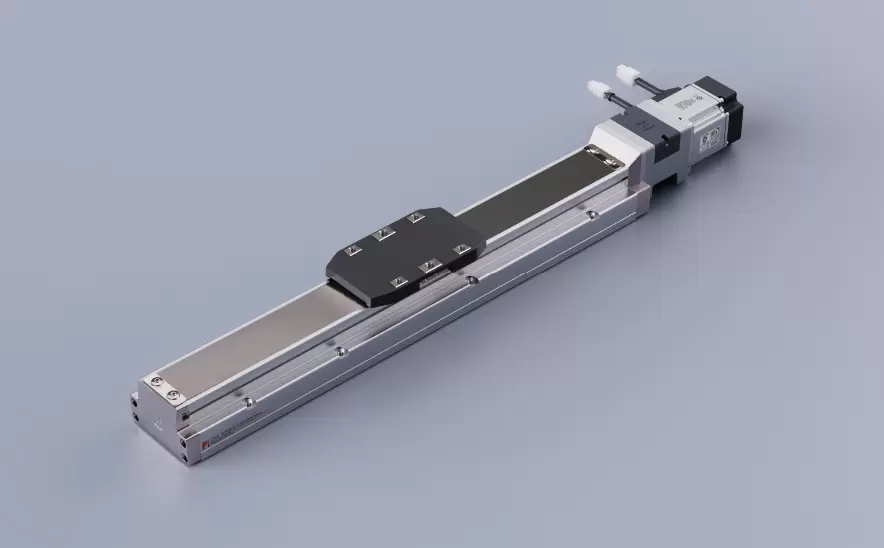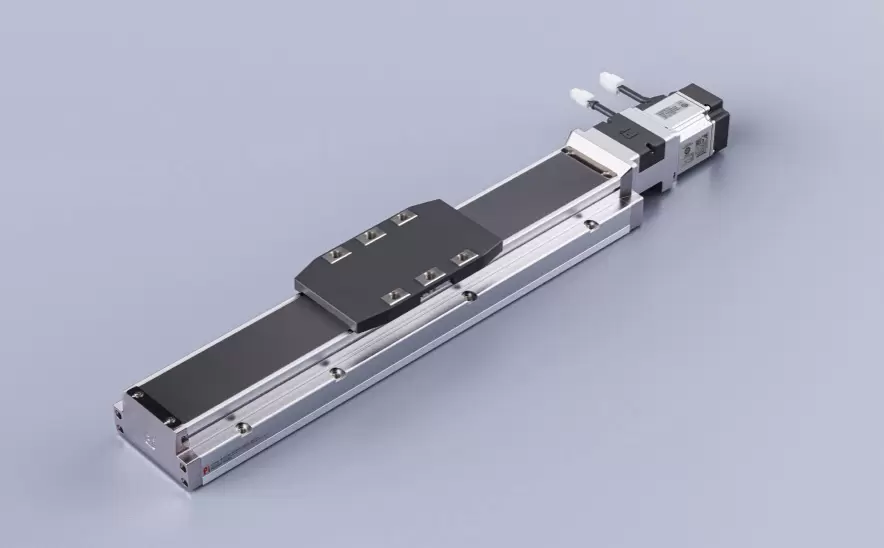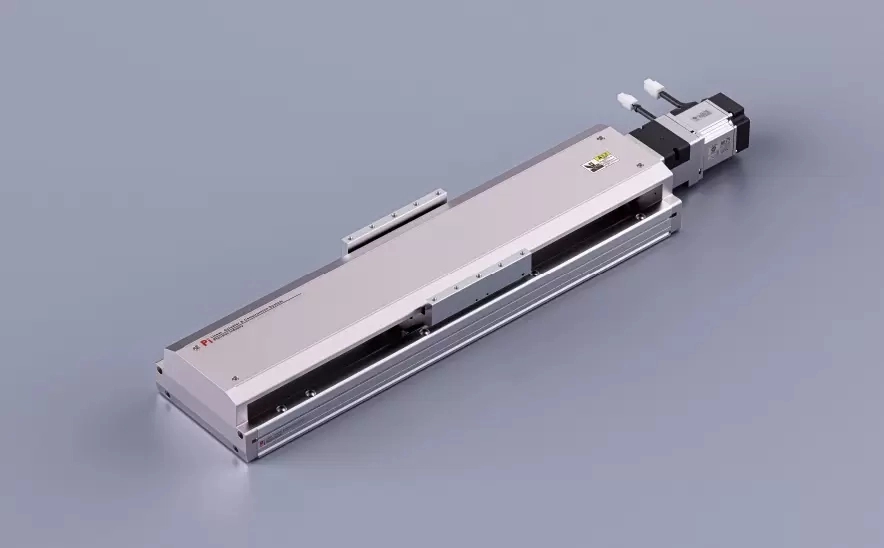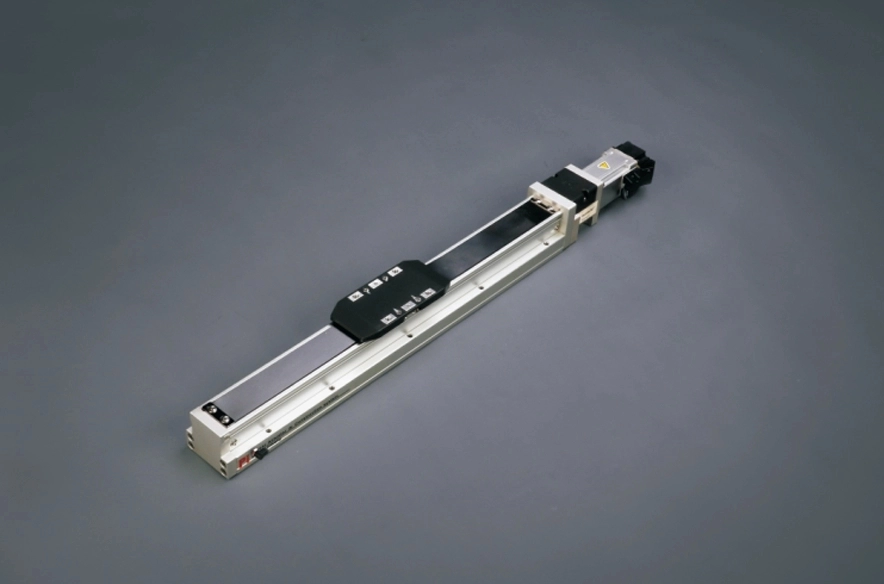
Motor Bottom Side
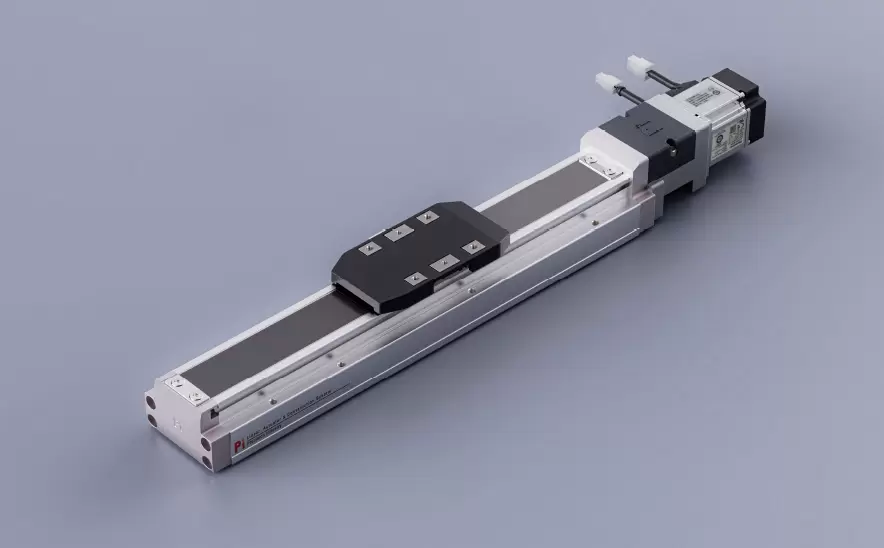
Repeatability:±0.005/0.01mmHorizontal Load:150kgVertical Load:55kgMaximum Speed:2000mm/sTravel Range:100-1500mm

 Current location:Home > Company > News > Latest news > Maintaining Cleanliness and Precision with Your Precision Positioning Slide Table
 Date: Apr 29 2026
In precision motion systems, cleanliness isn’t just about appearance—it directly affects accuracy, repeatability, and the lifespan of your equipment. A well-maintained precision positioning slide table will perform consistently over time, while a neglected one can quickly develop errors, noise, and premature wear.
From my experience working with these systems, keeping things clean doesn’t have to be complicated. It’s about building a few smart habits into your daily or weekly routine.
Dust, metal particles, and even tiny fibers can interfere with the smooth movement of a slide table. Over time, these contaminants can:
Increase friction and resistance
Cause uneven motion or “stick-slip” behavior
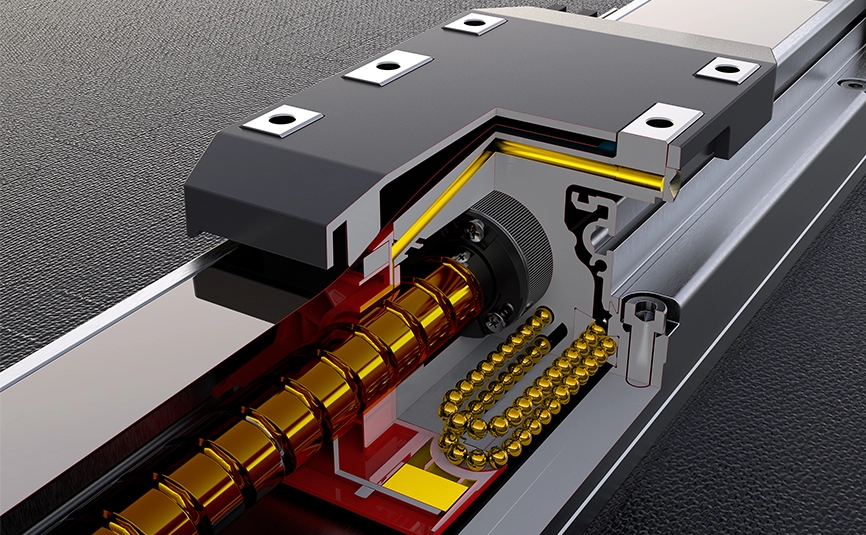
Damage guide rails and ball screws
Reduce positioning accuracy
In high-precision environments, even microscopic debris can lead to measurable errors.
Before focusing on the slide table itself, look at where it operates.
Control airborne dust: Use covers or enclosures if your workspace isn’t cleanroom-level
Limit nearby contamination sources: Grinding, cutting, or sanding operations should be separated when possible
Maintain stable temperature and humidity: Environmental fluctuations can affect both cleanliness and precision
A cleaner environment reduces how often you need to service the equipment.
You don’t need a full teardown to keep your slide table in good condition. Small, consistent actions go a long way:
Wipe down exposed surfaces with a lint-free cloth
Visually inspect rails and moving parts
Listen for unusual sounds during operation
Remove visible debris immediately—don’t let it accumulate
These quick checks often catch problems before they become costly repairs.
Some parts of your slide table are especially sensitive to contamination:
Keep them free from dust and particles. Even small debris can affect smooth motion.
Contaminants here can lead to uneven wear and reduced positioning accuracy.
Check that protective seals are intact. Damaged seals allow debris to enter critical areas.
If your system supports it, consider adding bellows covers or protective shields for extra protection in harsh environments.
Cleaning isn’t just about frequency—it’s about technique.
Use lint-free wipes instead of regular cloths
Avoid excessive liquid; moisture can attract more dust or cause corrosion
Use manufacturer-recommended cleaning agents
Never use compressed air directly on sensitive components—it can push debris deeper inside
A gentle, controlled approach is always better than aggressive cleaning.
Lubrication helps reduce friction, but it can also trap contaminants if not managed properly.
Reapply lubricant at recommended intervals
Wipe away old or dirty grease before adding new
Use the correct type of lubricant for your application
Clean lubrication ensures smoother motion and better long-term performance.
Even with good daily habits, periodic deeper maintenance is essential.
Set a schedule based on usage:
High-duty applications: Weekly or bi-weekly checks
Moderate use: Monthly maintenance
Light use: Quarterly inspections
During these checks:
Inspect internal components (if accessible)
Verify alignment and repeatability
Replace worn seals or parts
A slide table rarely fails without warning. Pay attention to:
Increased noise or vibration
Reduced positioning accuracy
Irregular motion or resistance
Visible buildup of debris
Addressing these early can prevent downtime and expensive repairs.
Maintaining cleanliness in a precision positioning slide table isn’t about perfection—it’s about consistency. A clean system runs smoother, lasts longer, and delivers the accuracy you expect.
In many cases, the difference between stable performance and recurring issues comes down to simple habits: regular inspection, careful cleaning, and proper protection.
If your application involves demanding environments or strict precision requirements, investing a little extra time in cleanliness will pay off in reliability and peace of mind.