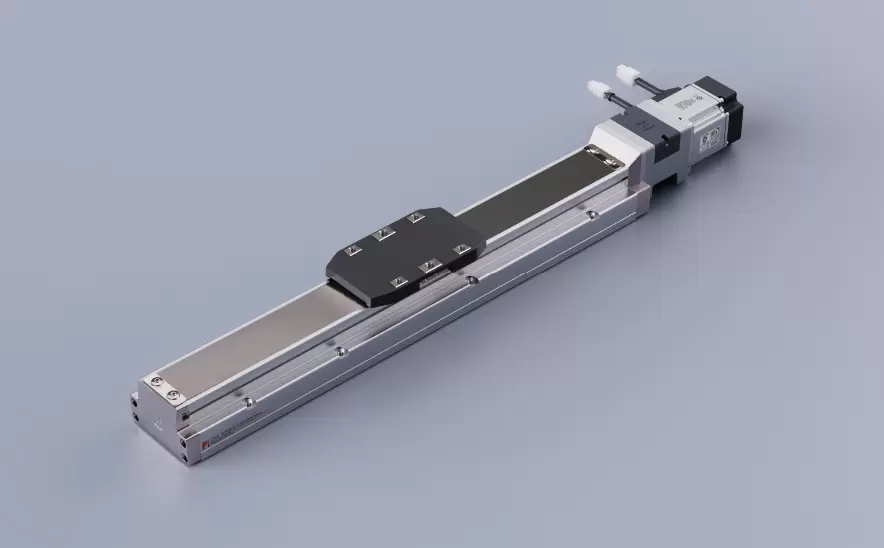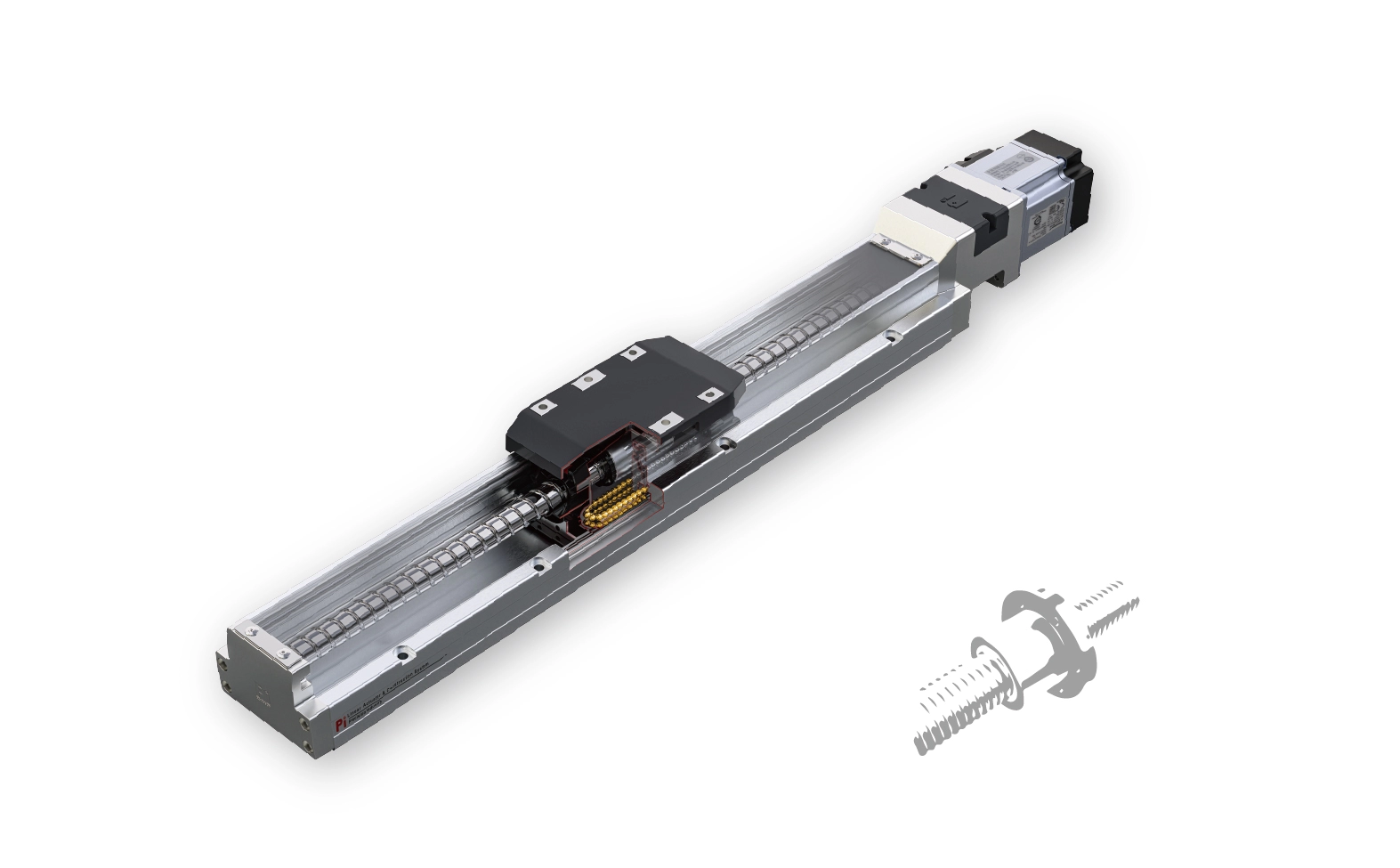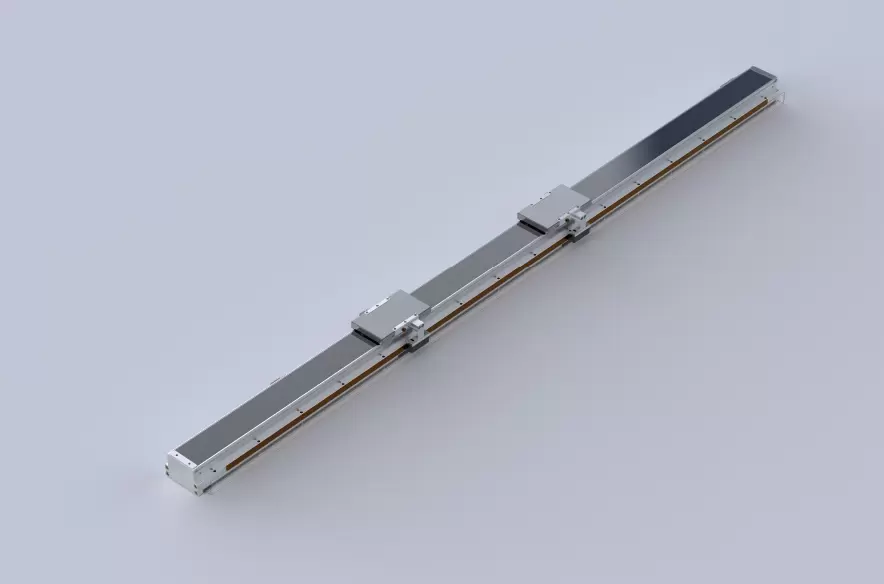
Motor Bottom Side
Repeatability:±0.005/0.01mmHorizontal Load:150kgVertical Load:55kgMaximum Speed:2000mm/sTravel Range:100-1500mm

 Current location:Home > Company > News > Latest news > Using Precision Positioning Slide Tables in Harsh Environments: Tips and Tricks
 Date: May 13 2026
Precision positioning slide tables are usually associated with clean labs and controlled production lines—but in reality, many of our customers use them in far less forgiving conditions. Think dust-filled workshops, high-humidity facilities, or areas with constant temperature swings.
Can a precision slide table still perform well in these environments? Yes—but only if it’s set up and maintained with those conditions in mind.
Based on what I’ve seen in real-world applications, here are some practical tips to help you get reliable performance even when the environment isn’t ideal.
Not all harsh environments are the same. Identifying the main challenge helps you choose the right approach.
Common conditions include:
Dust and debris (machining, woodworking, etc.)
High humidity or moisture
Temperature fluctuations
Chemical exposure
Vibration from nearby equipment
Each of these affects your slide table in a different way—so your protection strategy should match the risk.
If your slide table is going into a tough environment, protection shouldn’t be an afterthought.
Consider adding:
Bellows covers to shield guide rails and screws
Sealed linear guides to prevent particle ingress
Corrosion-resistant materials or coatings for humid or chemical environments
In many cases, a slightly more robust configuration upfront will save you significant maintenance later.
It’s always easier to prevent contamination than to remove it.
Some effective practices:
Install protective enclosures around the slide table
Use air curtains or positive pressure systems in dusty environments
Position the slide away from direct exposure to debris sources
If contaminants can’t reach the critical components, your system will stay accurate much longer.
Lubrication becomes even more important under harsh conditions.
In dusty environments, use lubricants that don’t easily attract particles
In humid areas, choose lubricants with anti-corrosion properties
Reapply lubrication more frequently than you would in clean conditions
Also, don’t forget to remove old, contaminated lubricant before adding new.
Temperature changes can quietly affect precision.
Materials expand and contract with heat
Lubricants change viscosity
Sensors and feedback systems may drift
If your environment has significant temperature variation:
Allow warm-up time before precision tasks
Monitor consistency across cycles
Consider compensation in your control system if needed
External vibration is often overlooked but can directly impact positioning accuracy.
Mount the slide table on a stable, rigid base
Use vibration-damping materials if necessary
Keep it isolated from heavy machinery when possible
Even a well-calibrated system can lose accuracy if it’s constantly being disturbed.
In harsh environments, waiting for scheduled maintenance may not be enough.
Instead:
Perform quick visual checks more often
Listen for changes in sound during operation
Monitor motion smoothness and repeatability
Catching early signs of trouble is especially important when conditions are working against you.
Your operators are often the first line of defense.
Encourage them to:
Report unusual noise or resistance
Clean visible debris immediately
Avoid improper handling or overloading
A well-informed operator can prevent small issues from becoming major failures.
Even with all precautions, components in harsh environments will typically wear faster.
That doesn’t mean failure is unavoidable—it just means you should plan ahead:
Keep critical spare parts available
Track usage and performance trends
Replace components before they fail, not after
This approach minimizes downtime and keeps your system running smoothly.
Using precision positioning slide tables in harsh environments is absolutely possible—it just requires a more thoughtful approach. Protection, proper setup, and consistent monitoring become even more important when conditions are less than ideal.
In my experience, the most successful setups aren’t the ones with the most expensive components—they’re the ones where the environment has been carefully considered from the beginning.
If your application pushes the limits of typical operating conditions, a few smart adjustments can make all the difference between constant issues and reliable, long-term performance.