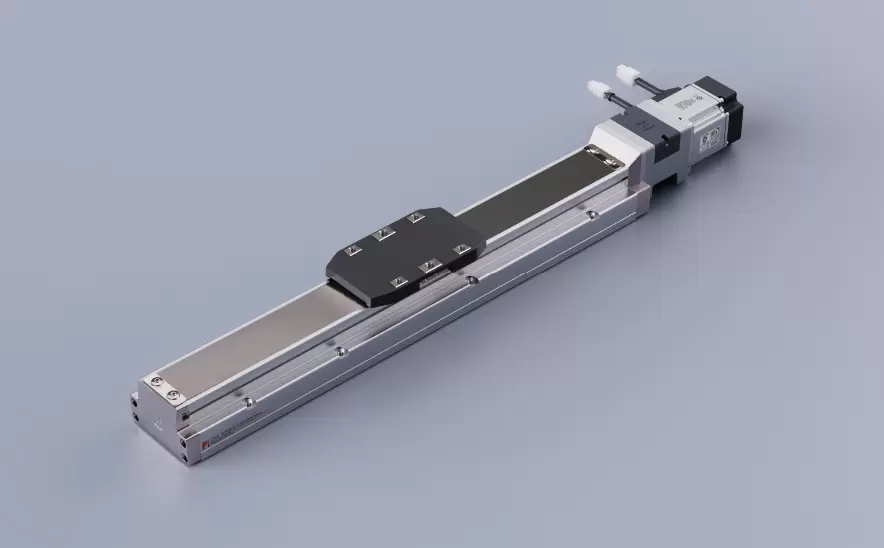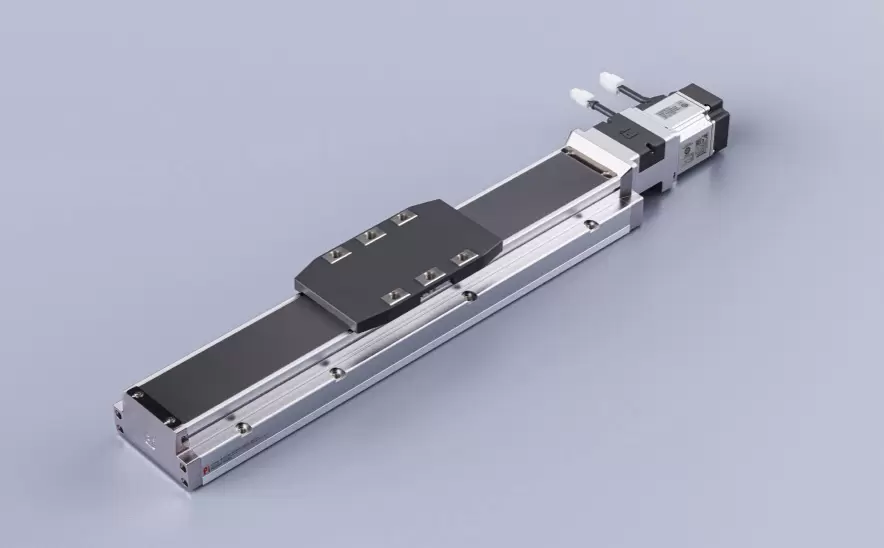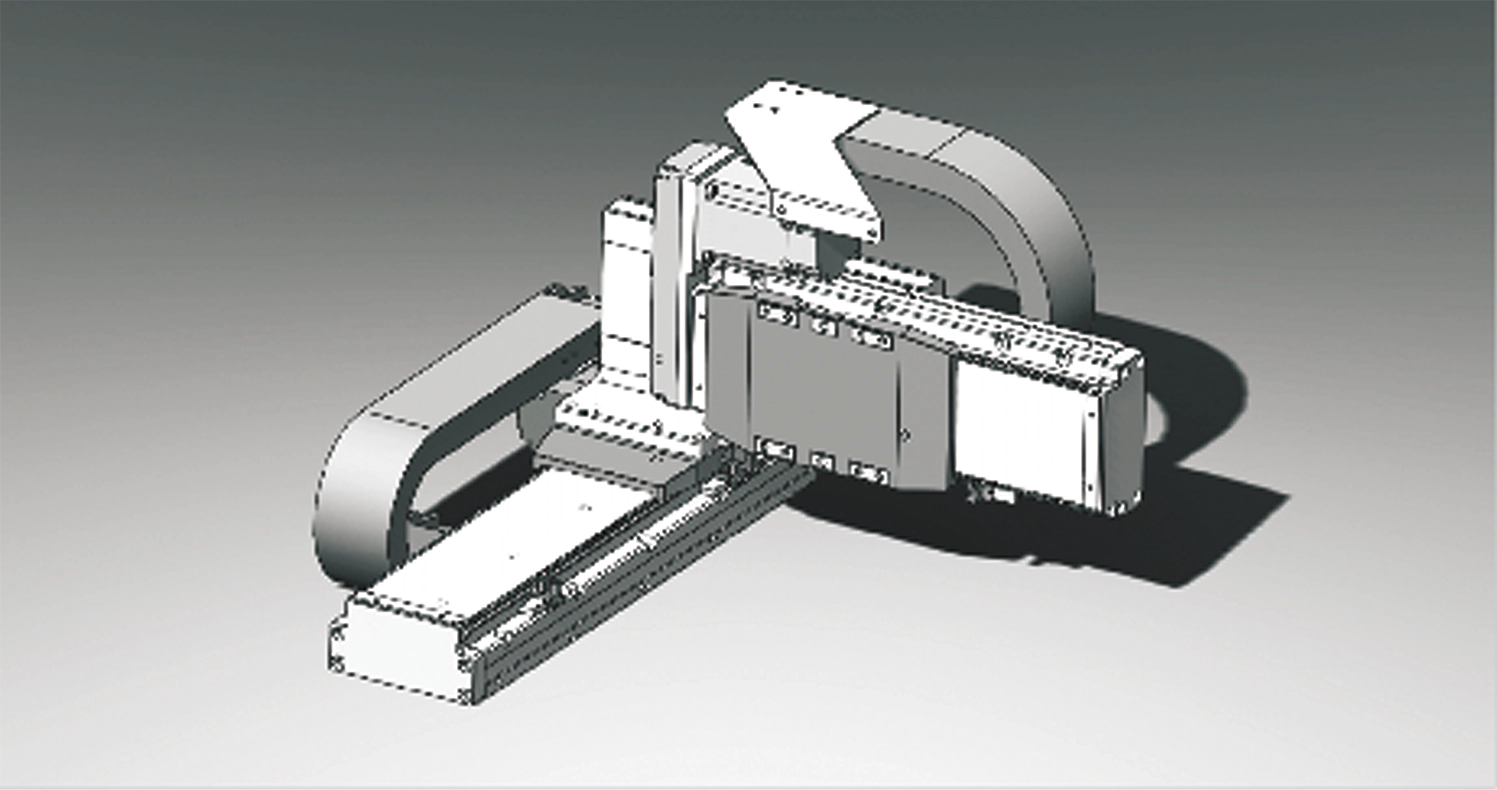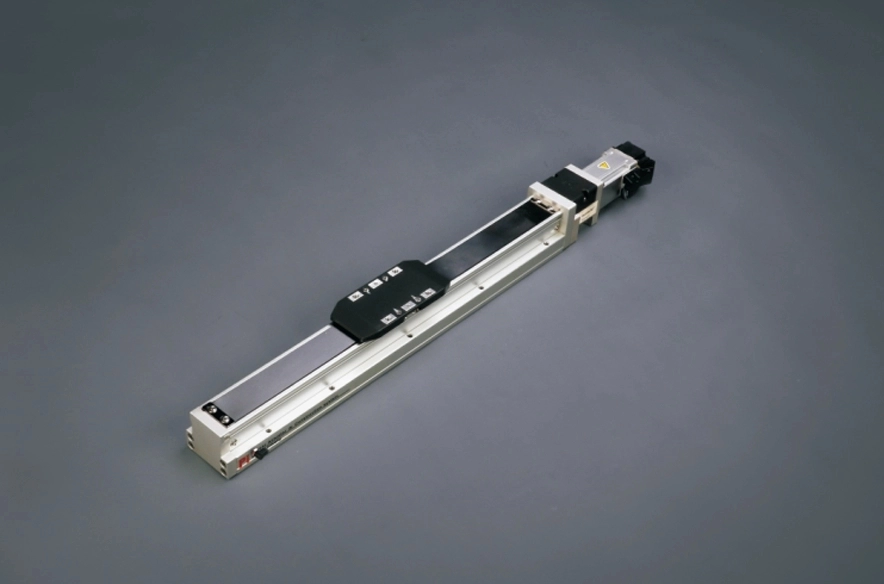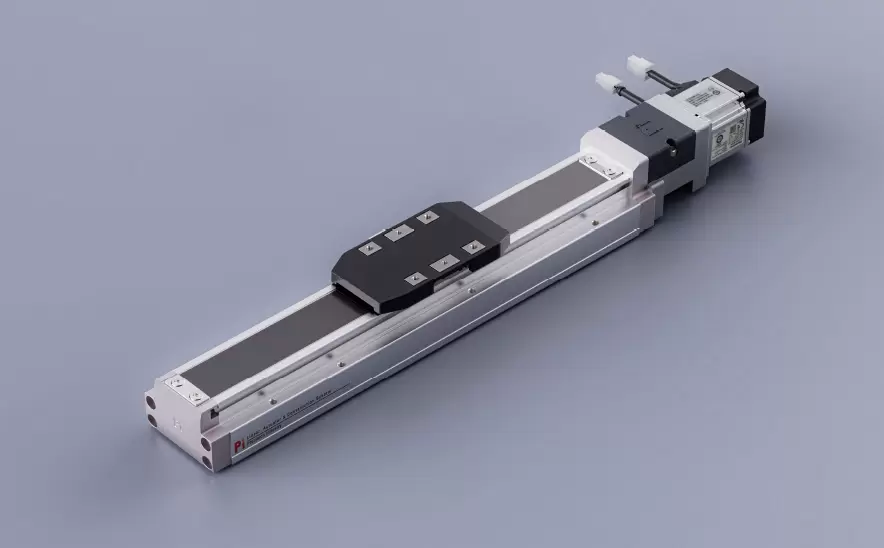
Motor Bottom Side
Repeatability:±0.005/0.01mmHorizontal Load:150kgVertical Load:55kgMaximum Speed:2000mm/sTravel Range:100-1500mm

 Current location:Home > Company > News > Latest news > Why Precision Positioning Slide Tables Require Regular Monitoring During Operation
 Date: May 06 2026
In many automated systems, a precision positioning slide table is expected to do one thing over and over again—move accurately, stop exactly where it should, and repeat the process without deviation. And for the most part, it does. But assuming it will continue performing perfectly without any oversight is where problems begin.
From hands-on experience, I can say this: even the most reliable slide tables benefit from regular monitoring during operation. Not because they’re fragile, but because they’re precise—and precision always needs attention.
No mechanical system stays perfectly stable forever. Over hours, days, and weeks of operation, small changes begin to appear:
Slight wear in guide components
Minor shifts in alignment
Gradual changes in lubrication condition
Individually, these may seem insignificant. But in high-precision applications, even tiny deviations can affect positioning accuracy.
Regular monitoring helps you catch these shifts early—before they turn into measurable errors.
One of the biggest advantages of monitoring is spotting issues before they escalate.
For example:
A faint increase in noise could indicate early wear
Slight vibration might point to misalignment
A small delay in positioning could signal control or drive issues
If detected early, these problems are usually quick and inexpensive to fix. If ignored, they can lead to downtime, part defects, or even component failure.
Even if your slide table is perfectly set up, the environment around it can change:
Temperature fluctuations can affect material expansion
Dust or debris may enter the system
Load conditions might vary between cycles
Monitoring allows you to respond to these real-world variations instead of assuming ideal conditions.
In many industries—whether it’s electronics assembly, optical inspection, or medical device manufacturing—consistency matters just as much as accuracy.
It’s not enough for a slide table to hit the right position once. It needs to do it thousands or millions of times without drift.
By tracking performance indicators such as:
Repeatability
Position deviation
Cycle consistency
you ensure that quality stays stable over time.
Slide tables often include high-precision parts like linear guides, ball screws, and drive systems. These components are built for durability, but they are not immune to damage.
Without monitoring:
Contamination can go unnoticed
Lubrication issues can develop
Excessive load conditions may persist
With monitoring, you can intervene before permanent damage occurs.
When people hear “monitoring,” they often think of complex systems. In reality, it can be simple and practical.
Here are a few effective approaches:
Visual checks: Look for debris, wear, or irregular movement
Listening: Unusual sounds are often the first warning sign
Performance tracking: Compare current motion behavior with baseline performance
Sensors (if available): Use feedback from encoders, load sensors, or temperature sensors
Even basic observation can make a big difference.
Regular monitoring is the foundation of predictive maintenance.
Instead of waiting for something to fail, you:
Identify trends
Schedule maintenance at the right time
Avoid unnecessary downtime
This approach not only improves reliability but also reduces overall operating costs.
Think of a precision slide table like a high-performance machine tool. You wouldn’t run it continuously without checking on it—and the same logic applies here.
Monitoring isn’t about expecting failure. It’s about ensuring stability.
Precision positioning slide tables are designed for accuracy and repeatability, but maintaining that performance requires ongoing attention. Regular monitoring during operation helps you detect small changes, maintain consistency, and protect your investment.
In practice, the most reliable systems aren’t the ones that are left alone—they’re the ones that are observed, understood, and adjusted when needed.
If your slide table plays a critical role in your process, keeping an eye on it isn’t extra work—it’s part of doing the job right.