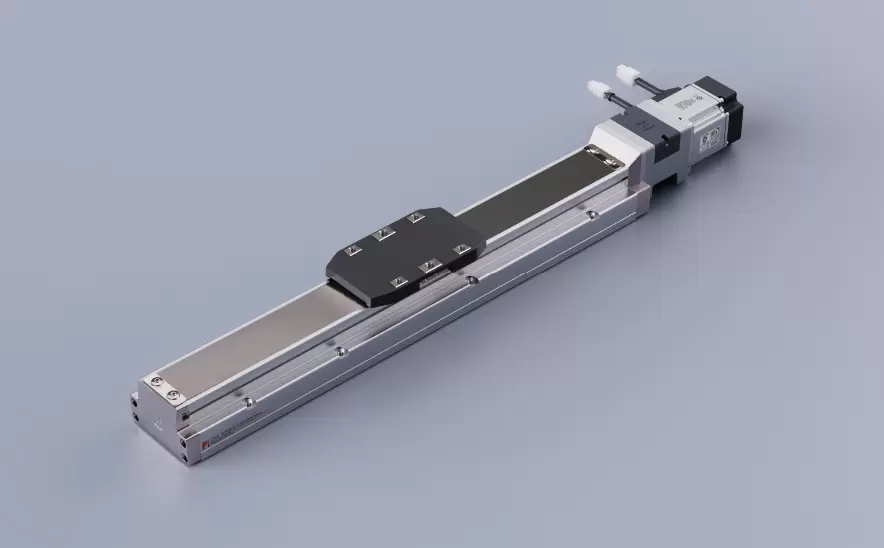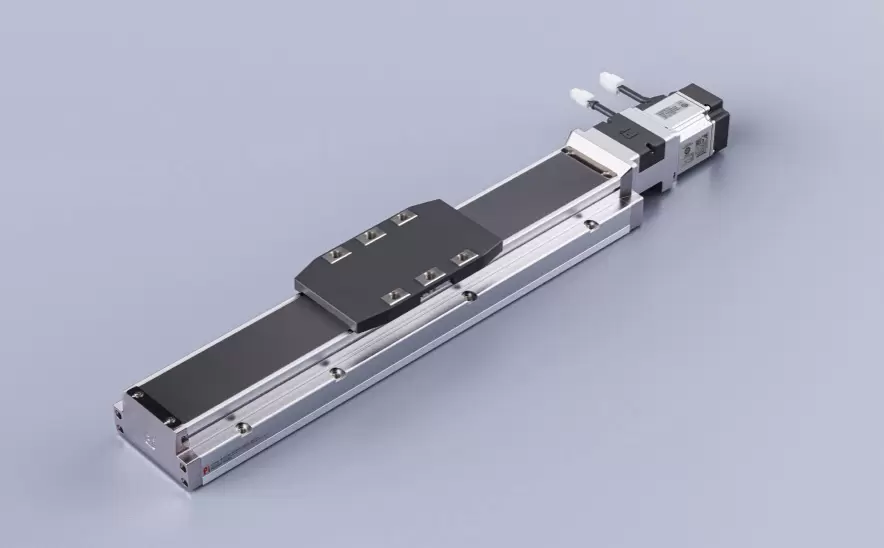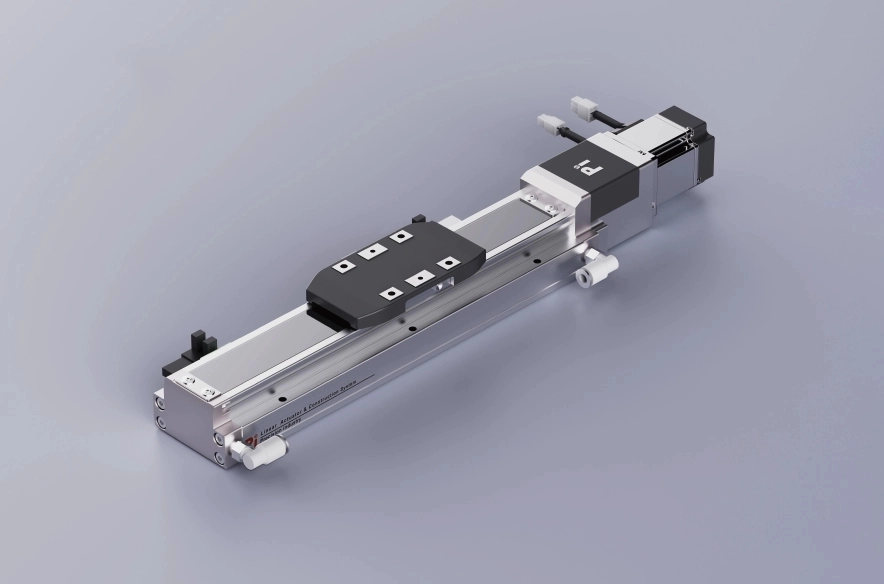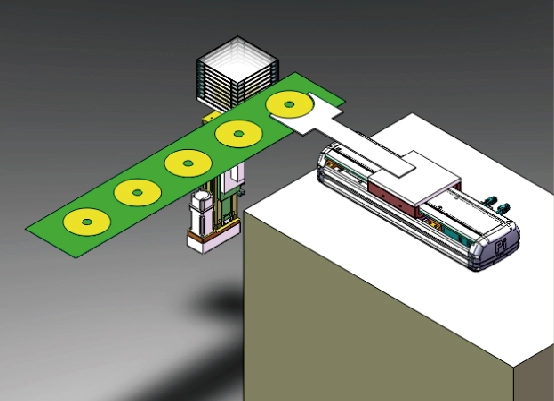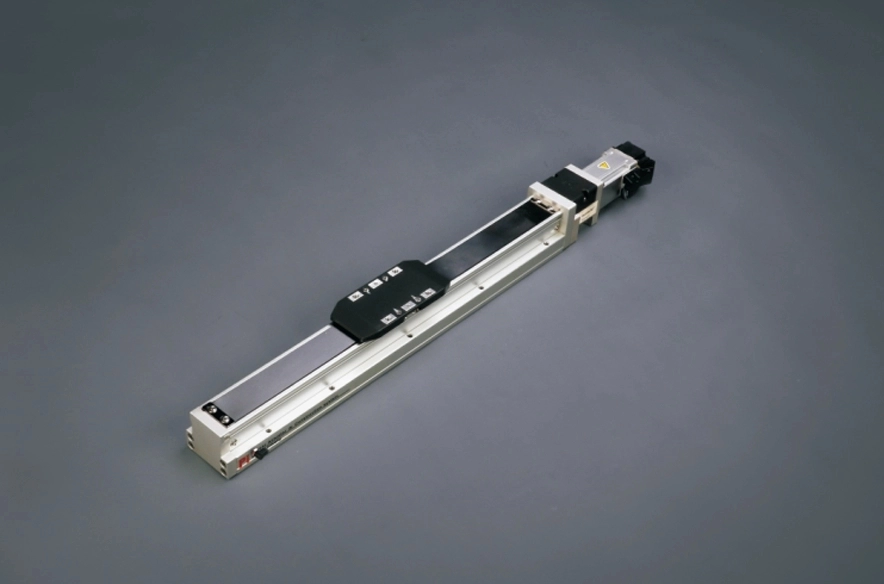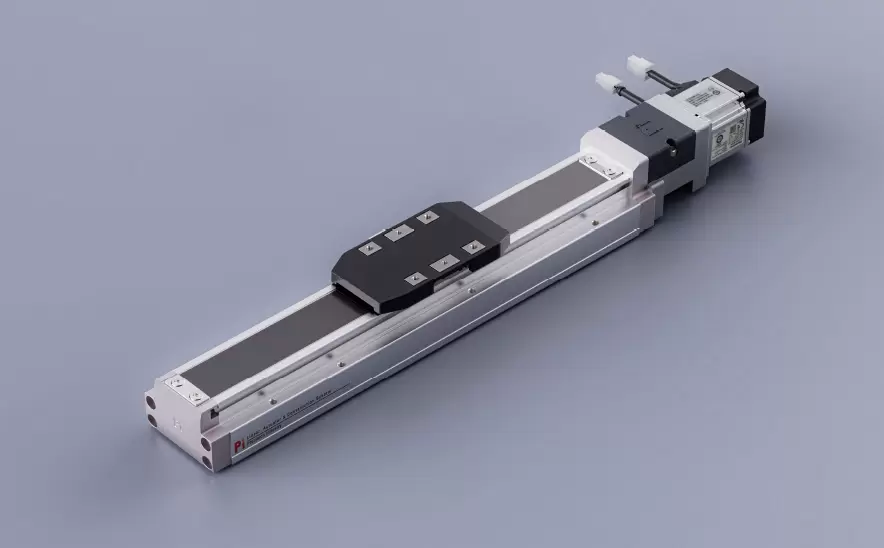
Motor Bottom Side
Repeatability:±0.005/0.01mmHorizontal Load:150kgVertical Load:55kgMaximum Speed:2000mm/sTravel Range:100-1500mm

 Current location:Home > Company > News > Latest news > How to Prevent Overloading Your Precision Positioning Slide Table
 Date: Apr 15 2026
Precision positioning slide tables are designed to deliver accurate and stable motion in applications such as automated assembly, semiconductor processing, inspection systems, and laboratory equipment. While these systems are built with durability in mind, one of the most common causes of performance problems is overloading.
Overloading does not always mean placing an obviously heavy object on the platform. In many cases, it occurs gradually—through added fixtures, uneven weight distribution, or motion settings that place excessive stress on the system. Preventing overload is essential for maintaining accuracy, protecting mechanical components, and ensuring reliable long-term operation.
Below are several practical strategies to help prevent overloading your precision positioning slide table.
Every precision slide table is designed with a specified load capacity. This rating represents the maximum weight the system can safely handle while maintaining proper performance and positioning accuracy.
Before mounting any equipment on the slide table, always review the manufacturer’s specifications. The rated load typically includes not only the workpiece but also any additional components such as:
Mounting fixtures
Sensors and measurement devices
Tooling attachments
Adapters or brackets
By considering the total combined weight, operators can avoid unintentionally exceeding the system’s limits.
Even when the total weight is within the allowable range, poor placement can still create an overload condition. When weight is concentrated at one end of the platform or positioned far from the center, the mechanical components experience uneven stress.
To prevent this issue:
Place the load as close to the center of the stage as possible
Distribute weight evenly across the platform
Avoid extended fixtures that create leverage or bending force
Balanced loading helps maintain smooth motion and reduces strain on the guide rails and drive mechanisms.
In automated systems, movement itself can add additional forces to the slide table. Rapid acceleration, sudden stops, and high-speed motion may increase the effective load on the system.
For example, a relatively light component can still create high dynamic forces if the slide table accelerates too quickly.
To reduce this risk:
Use moderate acceleration settings
Avoid abrupt starts and stops
Adjust motion parameters according to the mounted load
Smooth motion profiles help protect the system from unnecessary stress.
In many applications, the slide table supports more than just a single workpiece. Complex fixtures, clamps, sensors, and measurement tools may all be attached to the stage.
Before operating the system, it is helpful to evaluate the entire assembly. Ask questions such as:
Does the fixture add significant weight?
Is the load evenly distributed?
Does the structure extend far beyond the platform?
Careful fixture design can reduce unnecessary weight and improve overall stability.
Early warning signs often appear before a slide table experiences serious overload-related damage. Paying attention to system behavior can help identify potential problems.
Operators should watch for:
Increased vibration during movement
Slower response or reduced positioning accuracy
Unusual sounds from the drive system
Increased resistance when the stage moves
If any of these signs appear, it may be necessary to reevaluate the load conditions.
Preventing overload is not only a design issue—it is also an operational responsibility. When multiple operators work with the same equipment, consistent loading procedures become important.
Training should emphasize:
Understanding load capacity limits
Correct placement of fixtures and workpieces
Awareness of how motion settings affect mechanical stress
Clear guidelines help ensure that everyone operating the equipment follows the same safe practices.
Overloading a precision positioning slide table can gradually reduce accuracy, increase mechanical wear, and eventually lead to system failure. Fortunately, most overload situations can be prevented through careful planning and proper operating habits.
By understanding load capacity, distributing weight correctly, adjusting motion settings, and monitoring system performance, users can protect their equipment and maintain reliable operation. In the long run, preventing overload not only preserves the precision of the slide table but also helps extend its service life in demanding applications.