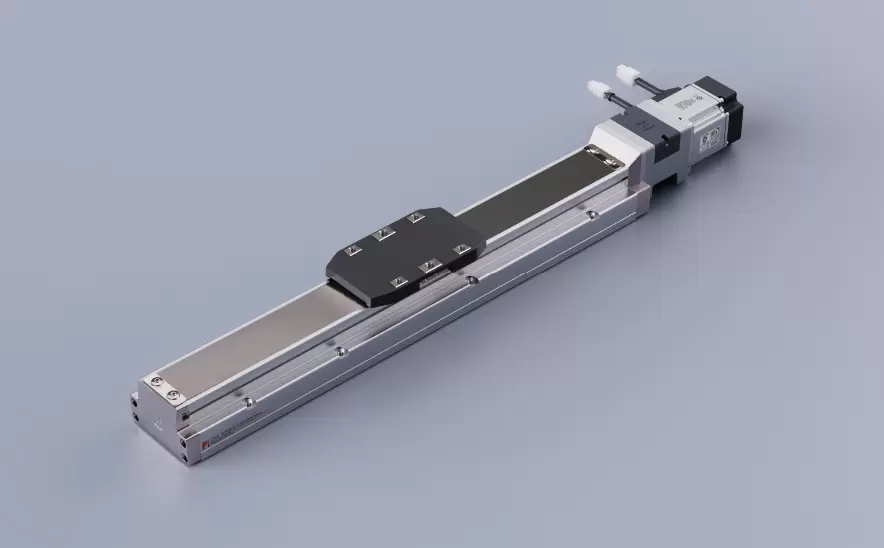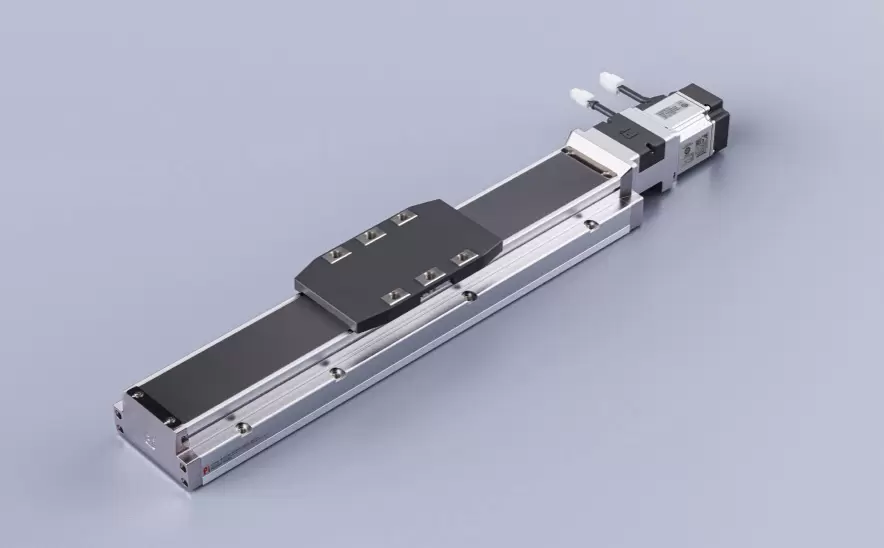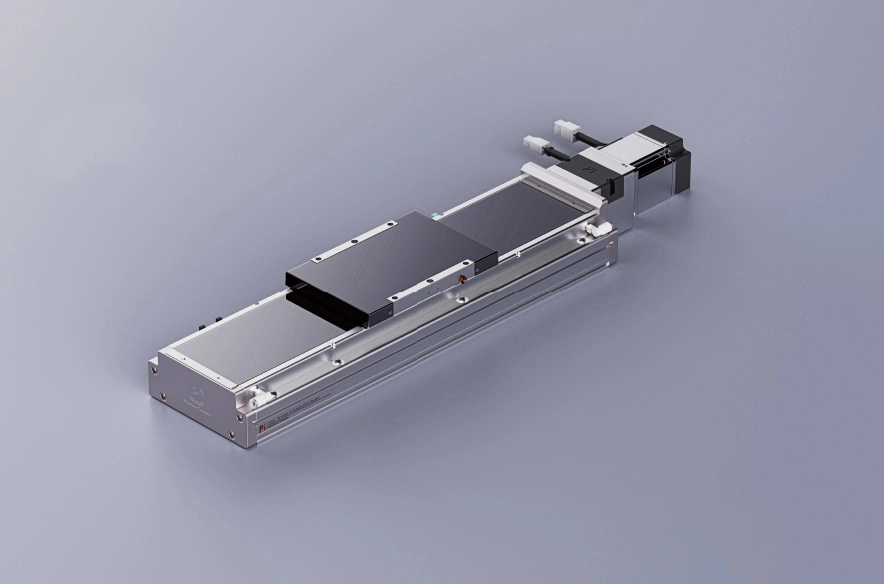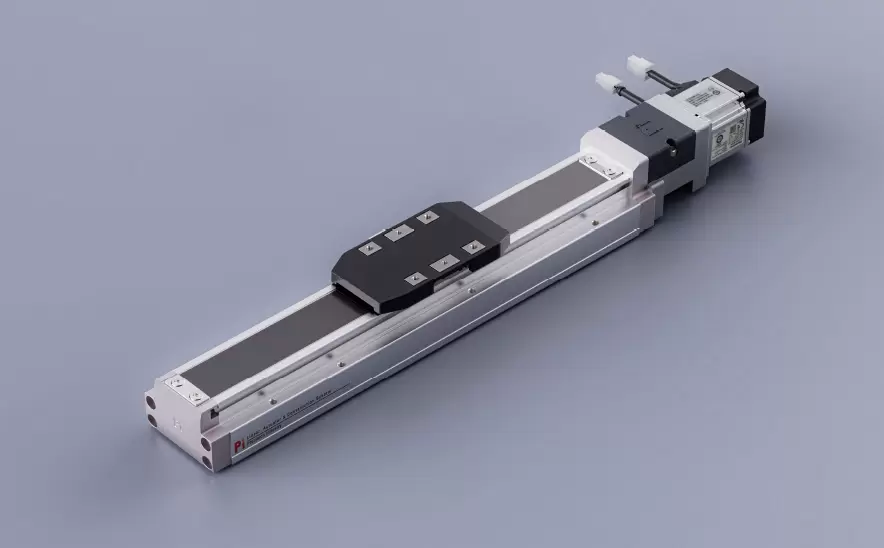
Motor Bottom Side
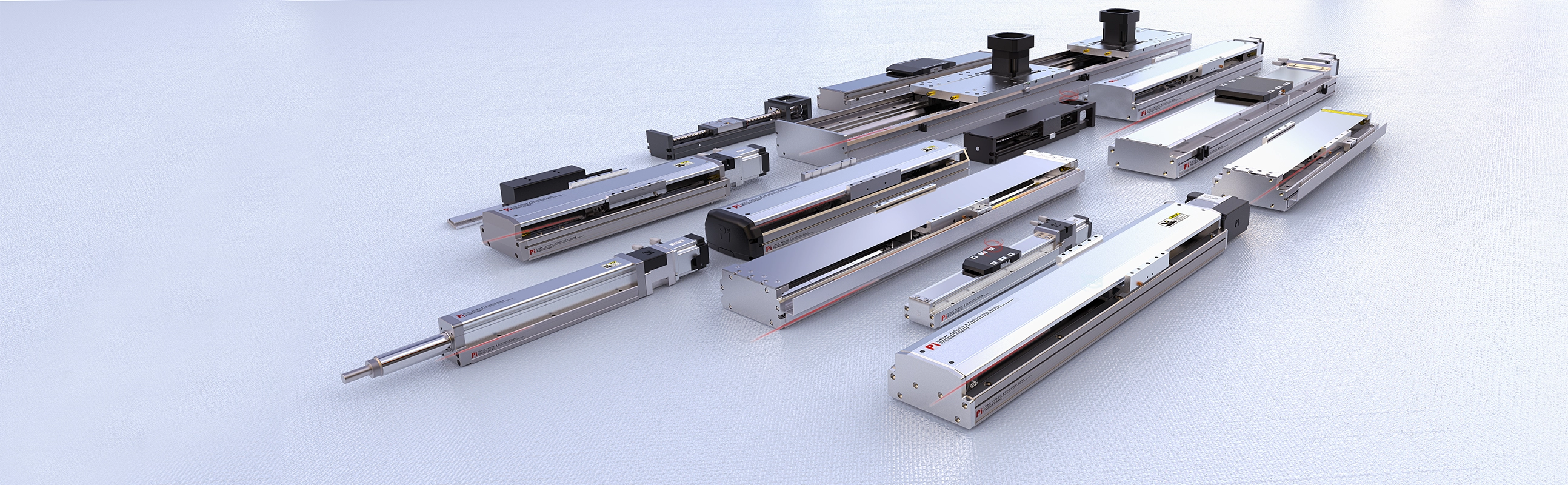
Repeatability:±0.005/0.01mmHorizontal Load:150kgVertical Load:55kgMaximum Speed:2000mm/sTravel Range:100-1500mm

 Current location:Home > Company > News > Latest news > Understanding the Limitations of Precision Positioning Slide Tables
 Date: Apr 22 2026
Precision positioning slide tables are powerful tools for achieving highly accurate and repeatable motion in applications like automated assembly, semiconductor processing, optical inspection, and laboratory research. Their ability to move components with micron-level precision makes them indispensable in modern manufacturing and testing environments.
However, like any piece of equipment, slide tables have inherent limitations. Understanding these limitations is crucial for setting realistic expectations, preventing misuse, and ensuring long-term performance. Awareness of the boundaries of your system helps operators avoid errors, protect equipment, and optimize results.
Every slide table has a maximum load rating, which includes the weight of the workpiece, fixtures, and any attached tools. Exceeding this capacity can lead to:
Reduced positioning accuracy
Increased wear on guide rails and drive systems
Potential mechanical failure
Even if the total weight seems reasonable, unevenly distributed loads or off-center placement can create local stress that exceeds the system’s capabilities. Always consider both total weight and distribution when mounting components.
Slide tables are designed for specific travel distances. Attempting to move beyond the rated travel range can result in collisions, system damage, or compromised positioning. In automated systems, it’s important to:
Define software or mechanical travel limits
Avoid pushing the table beyond its specified endpoints
Verify that workpieces or fixtures do not interfere with the motion path
Respecting travel constraints ensures consistent operation and prevents costly downtime.
While precision slide tables can often operate at high speeds, rapid acceleration or abrupt stops can introduce vibration, reduce repeatability, and accelerate wear. Dynamic forces from motion can sometimes exceed static load ratings, especially when:
Moving heavy components quickly
Using high acceleration and deceleration settings
Operating near the mechanical limits of the system
Operators should balance speed with stability and consult the manufacturer’s recommended motion profiles.
Precision slide tables are affected by environmental factors that may not impact other types of equipment. These include:
Temperature fluctuations that can cause thermal expansion
Vibration from nearby machinery
Dust, debris, or airborne particles that interfere with smooth motion
Controlling the environment—or protecting the slide table from these influences—is necessary to maintain long-term accuracy and repeatability.
Even high-quality slide tables are not maintenance-free. Components such as guide rails, ball screws, bearings, and drive motors require regular inspection, cleaning, and lubrication. Neglecting maintenance can lead to:
Gradual loss of accuracy
Increased friction or wear
Unexpected system downtime
Understanding this limitation emphasizes the importance of implementing a preventive maintenance schedule.
Precision motion depends on more than just mechanical components. The controller and software that drive the slide table also have limitations:
Resolution and accuracy of encoders
Processing speed and update rates
Integration with other automated systems
Operators should ensure that software and control hardware are compatible with the precision requirements of the application.
Precision positioning slide tables are highly capable systems, but they are not without boundaries. Recognizing the limitations of load capacity, travel range, speed, environment, maintenance, and control systems is key to using them effectively.
By understanding and respecting these limitations, operators can avoid costly mistakes, maintain consistent performance, and extend the service life of their equipment. In precision applications, knowledge of what the system can—and cannot—do is just as important as the technology itself.