PRODUCT
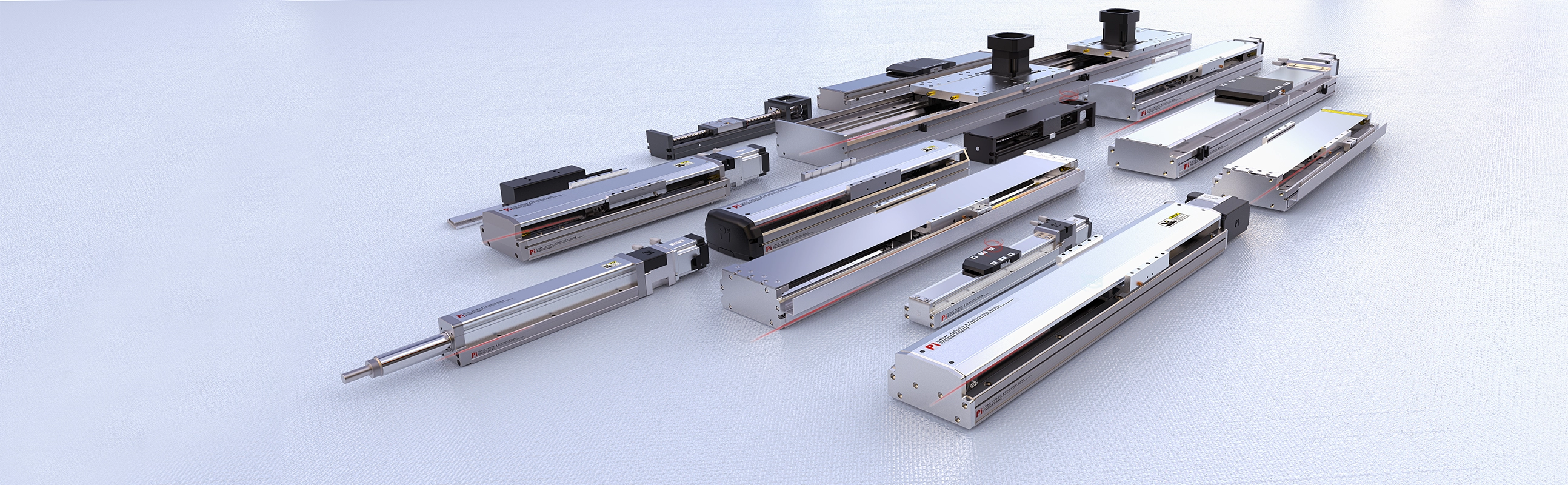
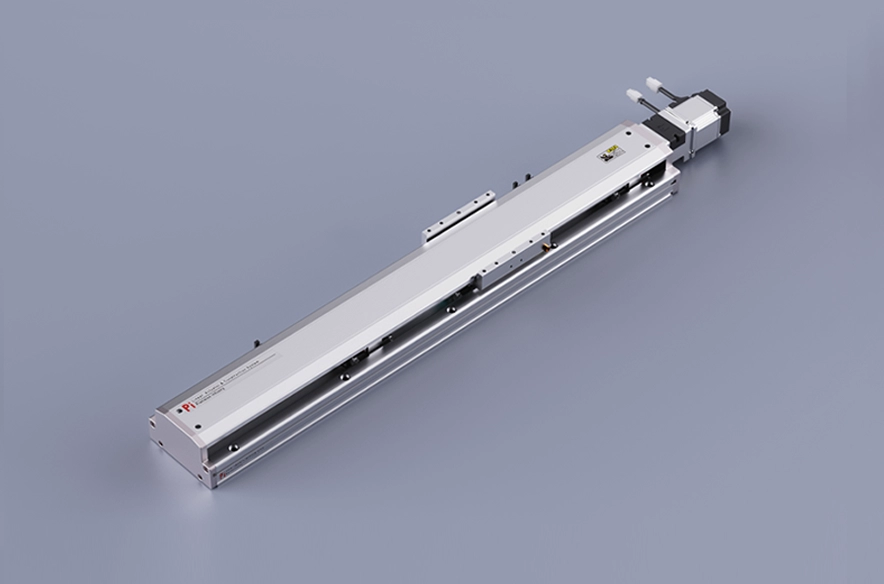
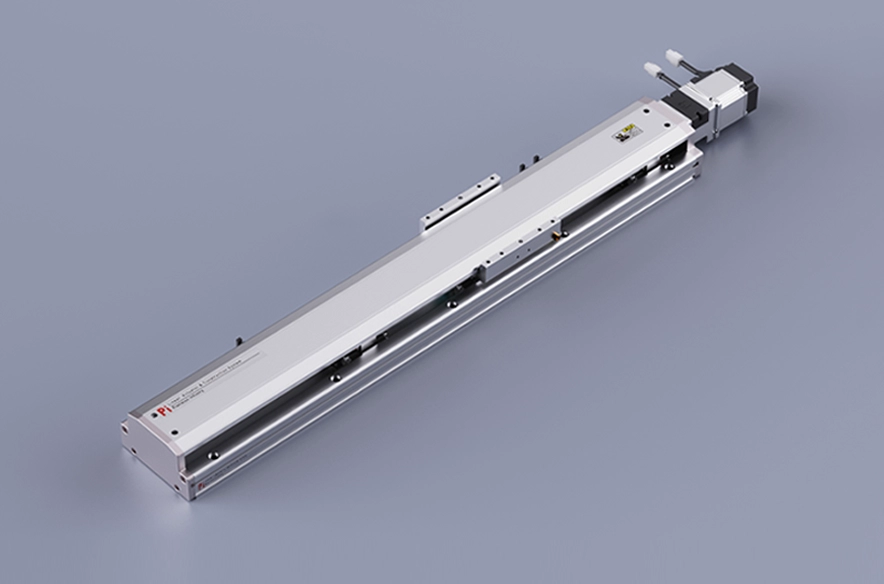
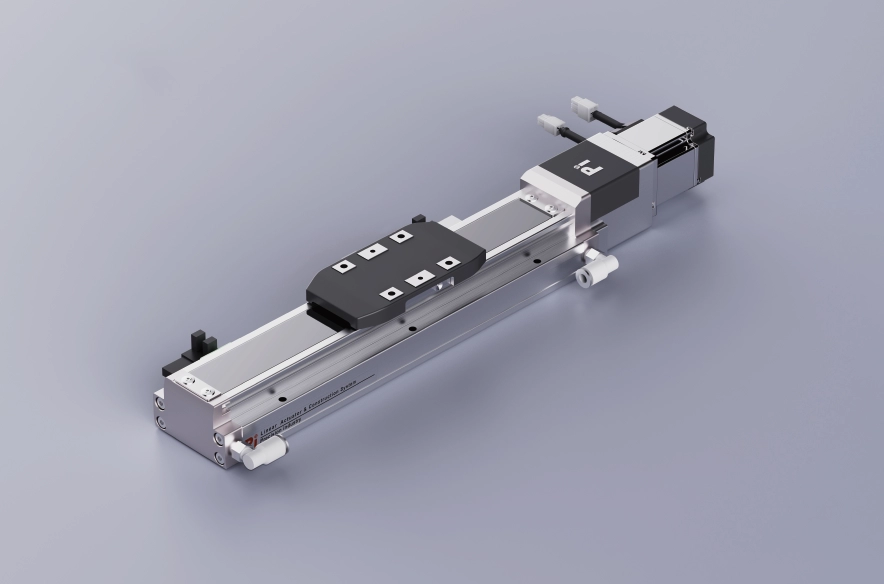
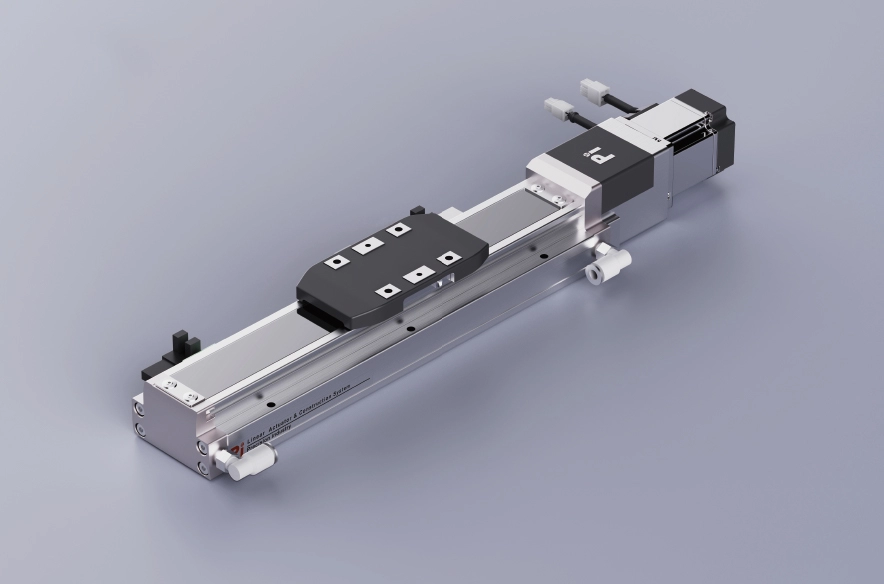
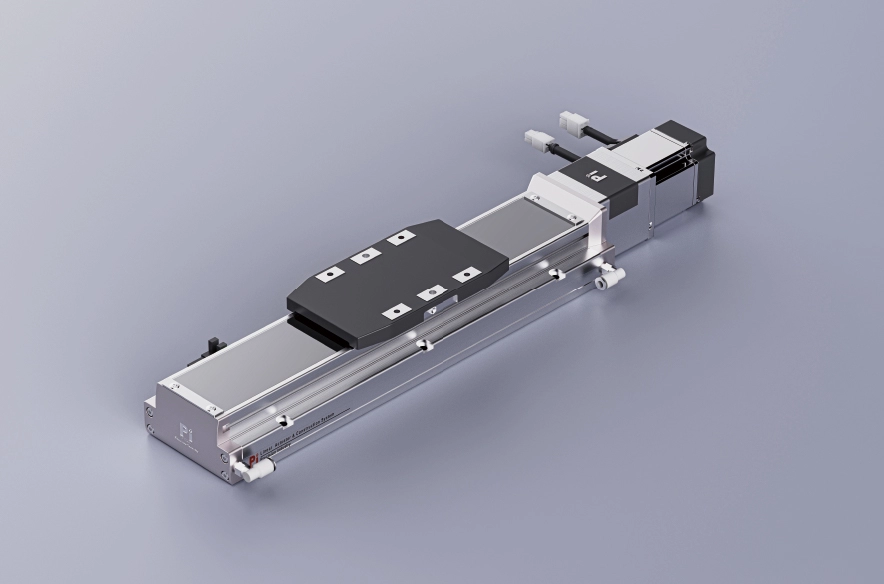
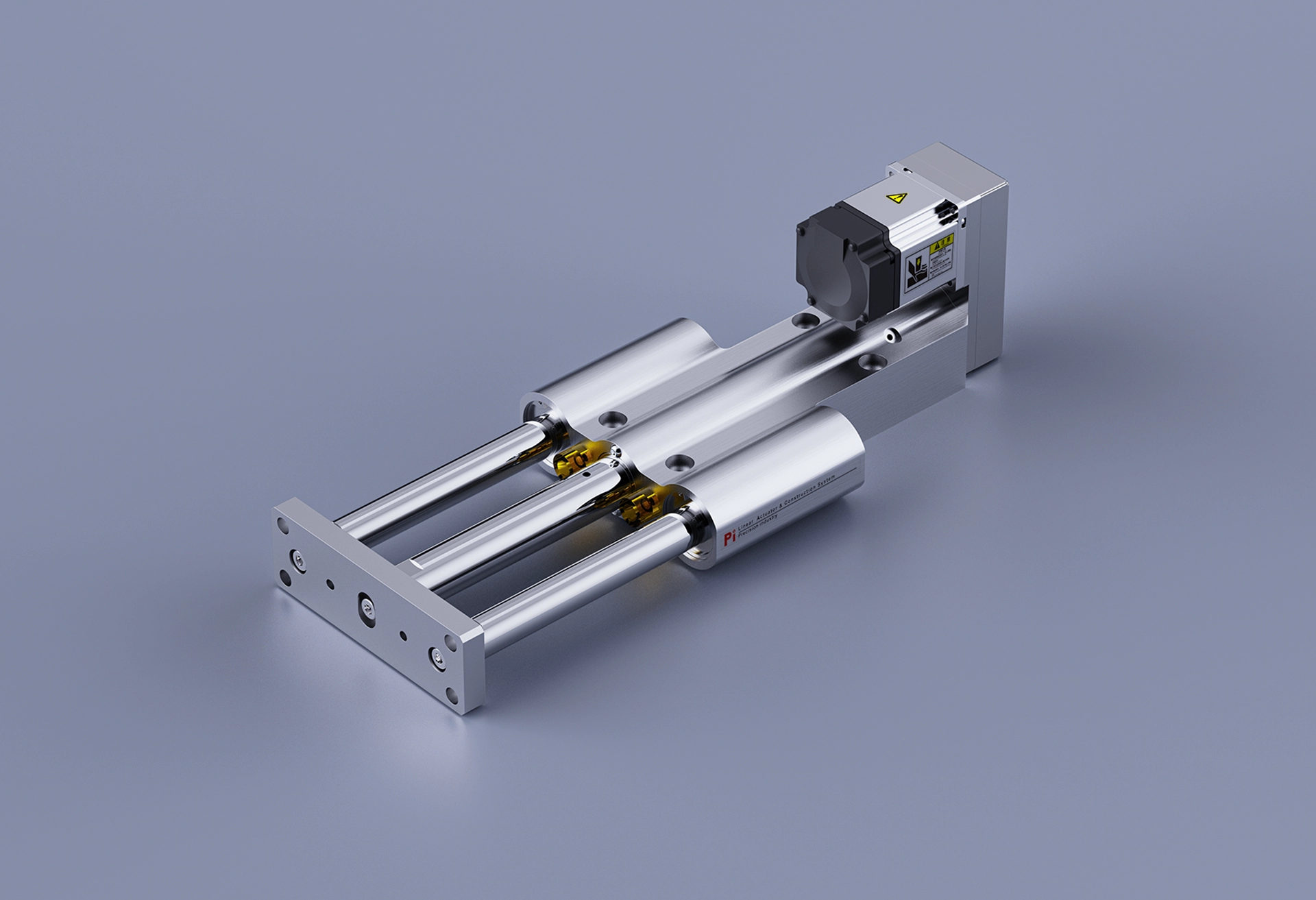
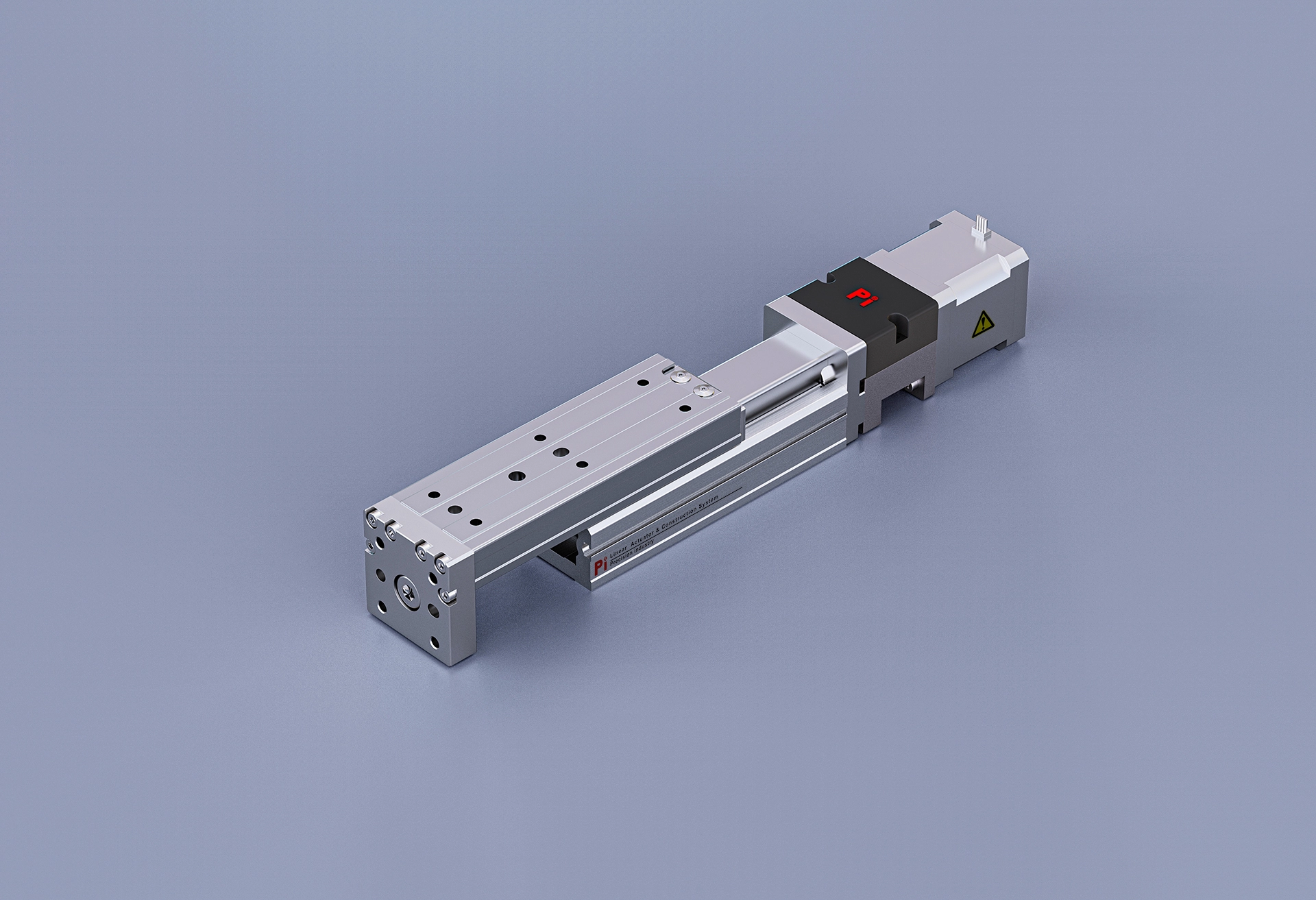
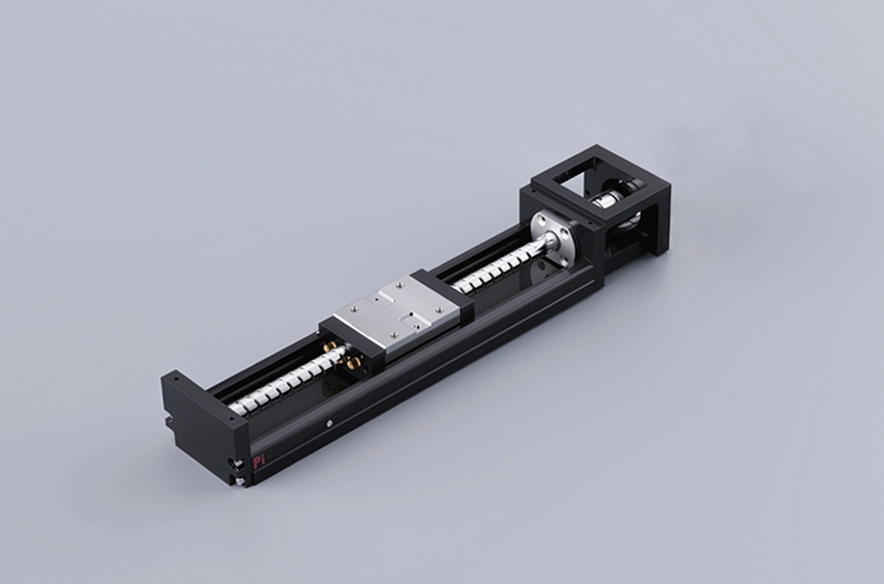
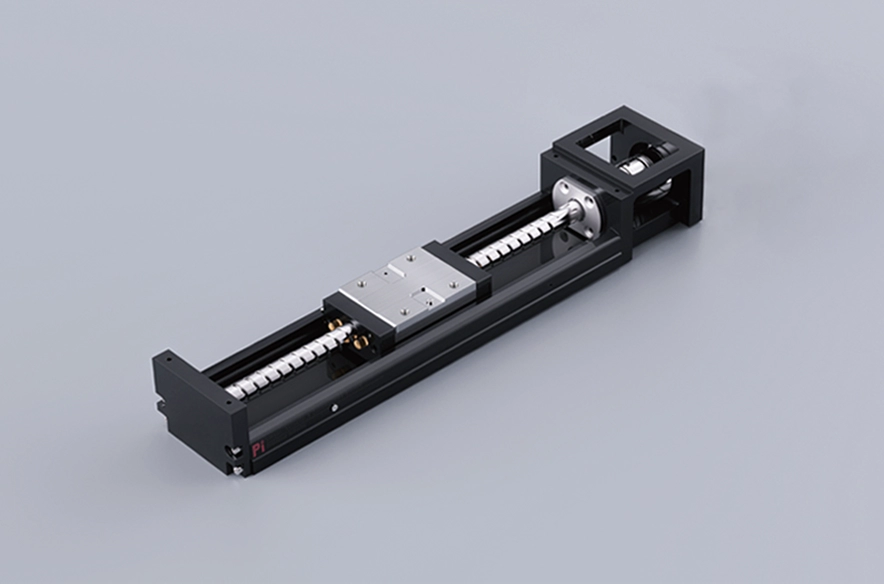
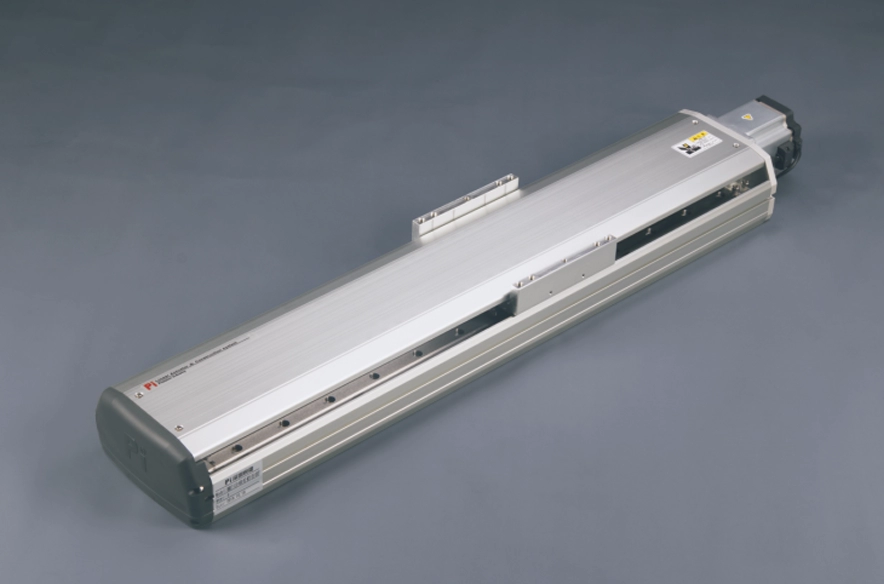
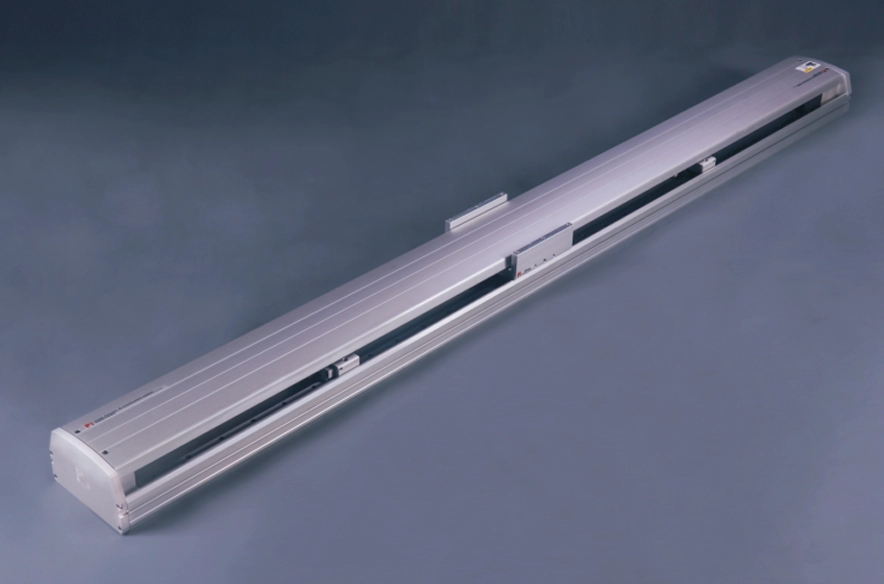
Utilizes a precision ball screw driven by a servo or stepper motor to achieve high precision, high rigidity, high load capacity, and smooth linear motion. Its advantages include positioning accuracy up to the micron level and high transmission efficiency. However, compared to belt actuators, its maximum speed and travel length are limited.
Extensively used in automation for rapid sorting, material handling, spraying, dispensing, laser marking, and packaging lines where light to medium loads are involved.
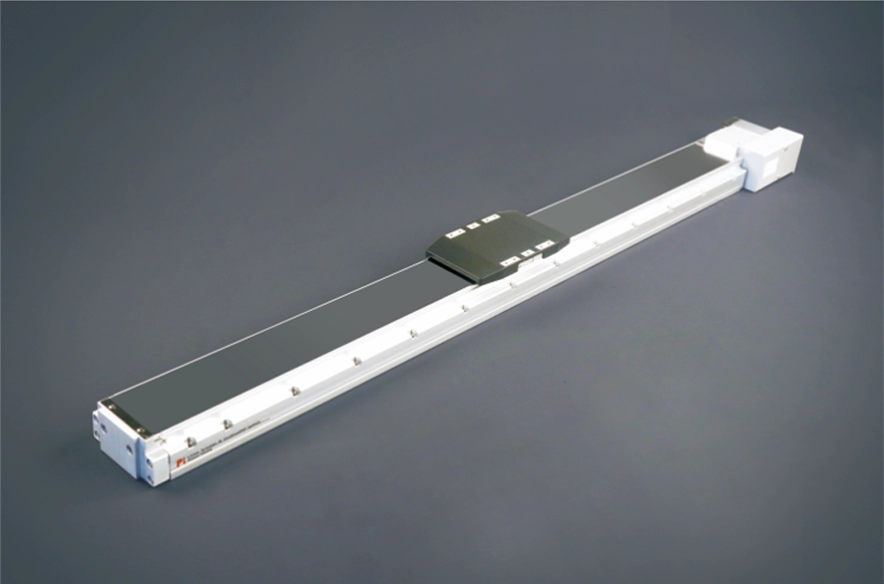
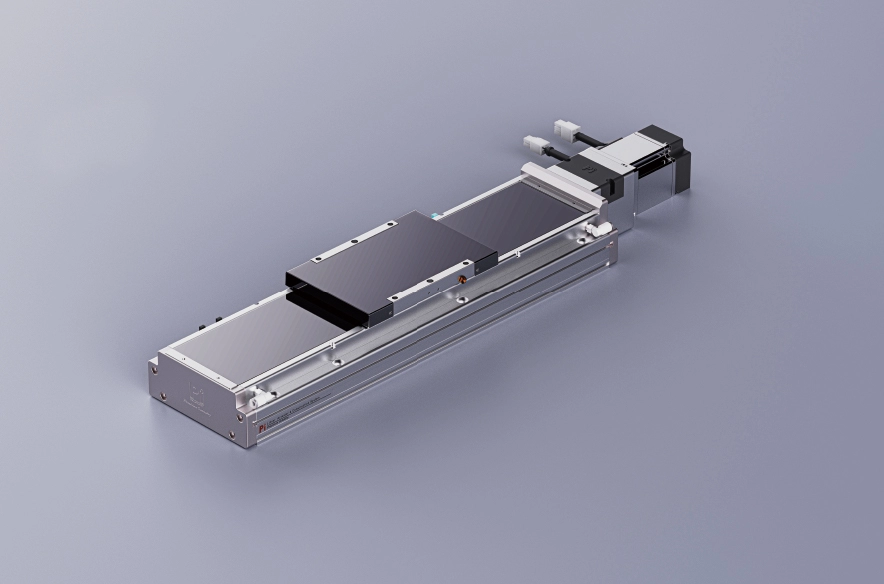
Strictly for use in cleanroom environments, such as in the manufacturing of LCD panels, photovoltaic cells, semiconductor packaging and testing, biopharmaceuticals, and food packaging.
Used in simulation vibration testers, automotive pressing applications, aircraft control surface testing, lifting in heavy machinery, medical equipment, and robotic joints.
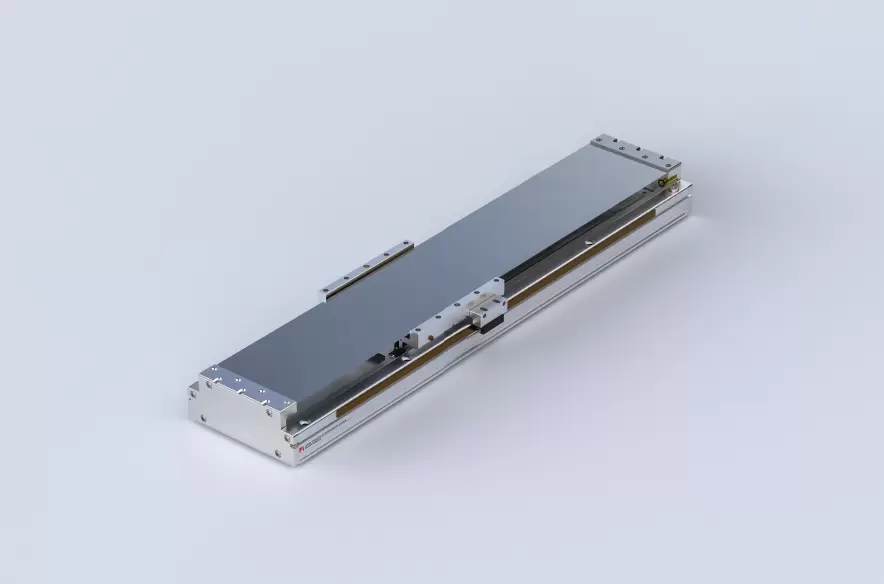
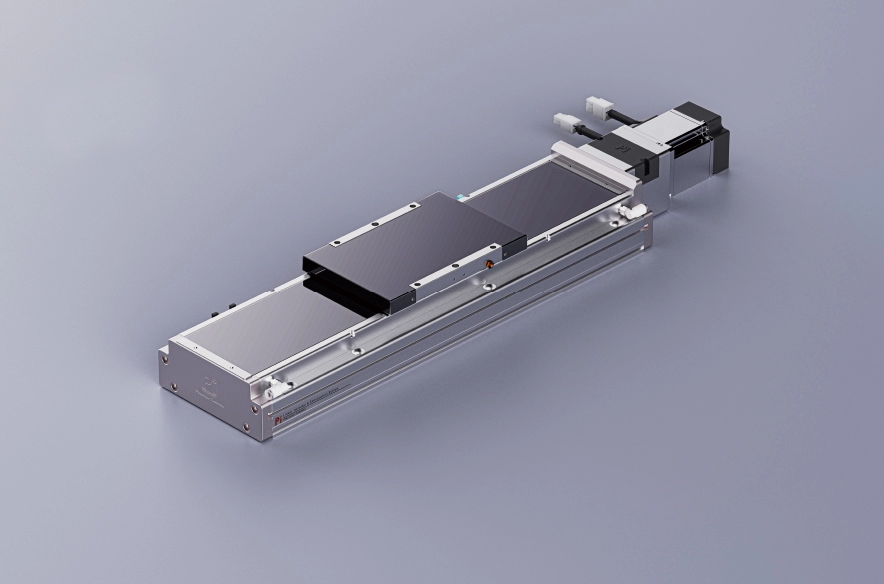
It is widely applied in the electronics, medical, and automotive component industries. Featuring a compact design with multi-point control, it excels in precision pressing, stable transfer, and micro-positioning of small, delicate assemblies.
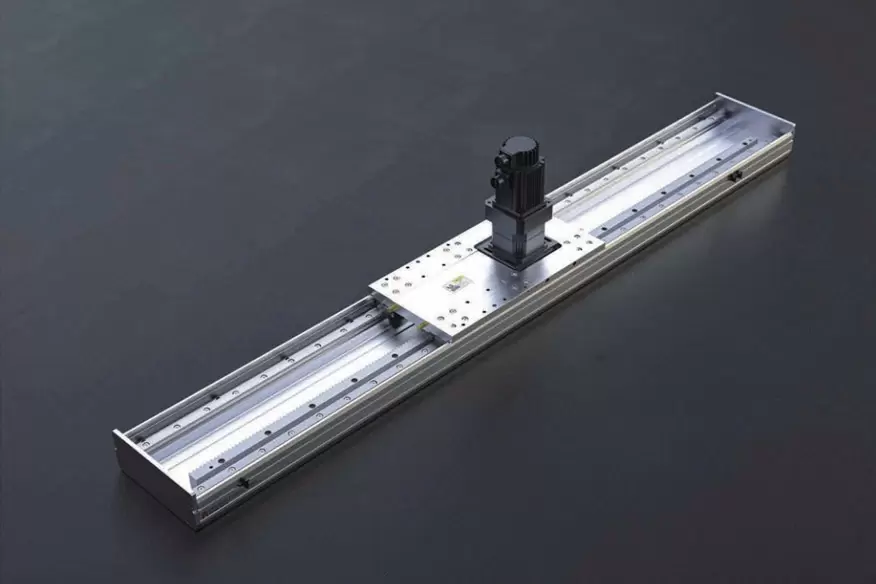
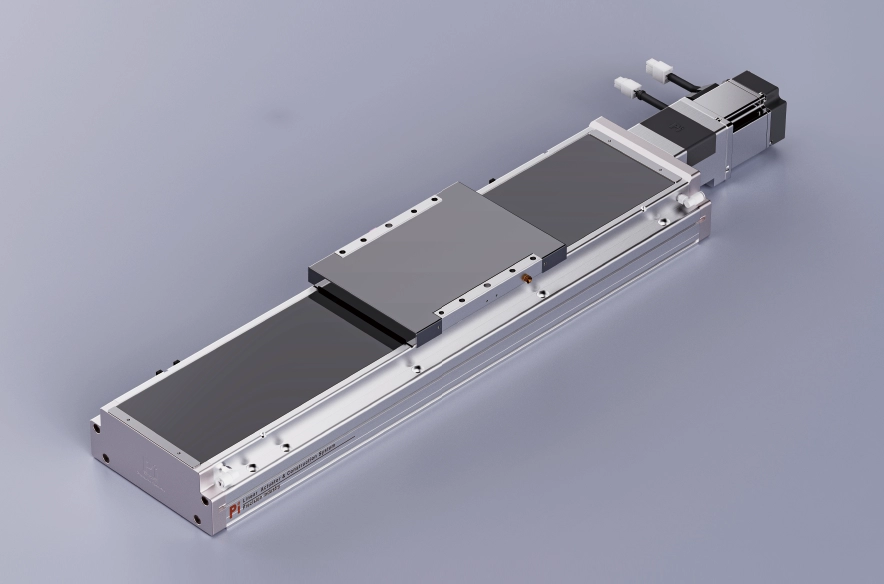
Primarily used in environments with heavy loads, high impact, and extreme rigidity requirements, such as on welding robot end-effectors, heavy-duty handling, machine tool tool changers, and automated assembly units.
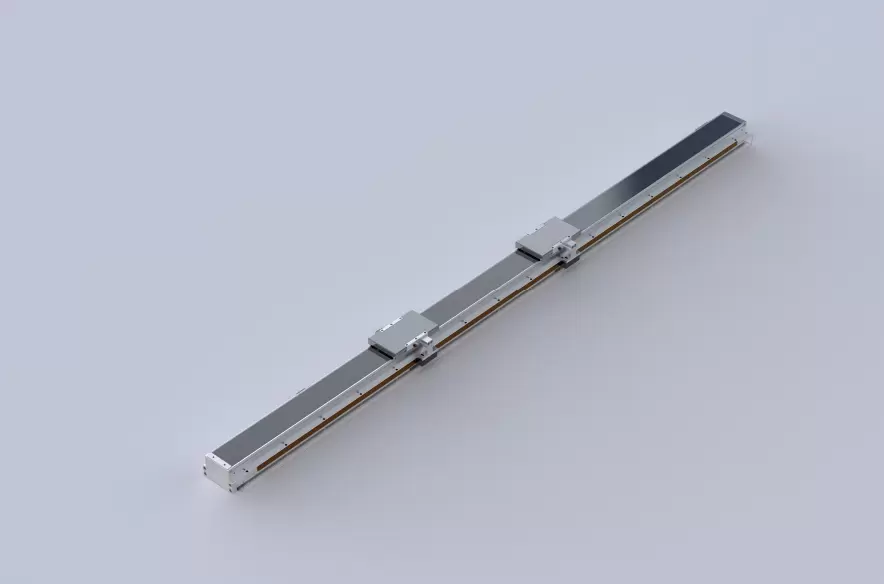
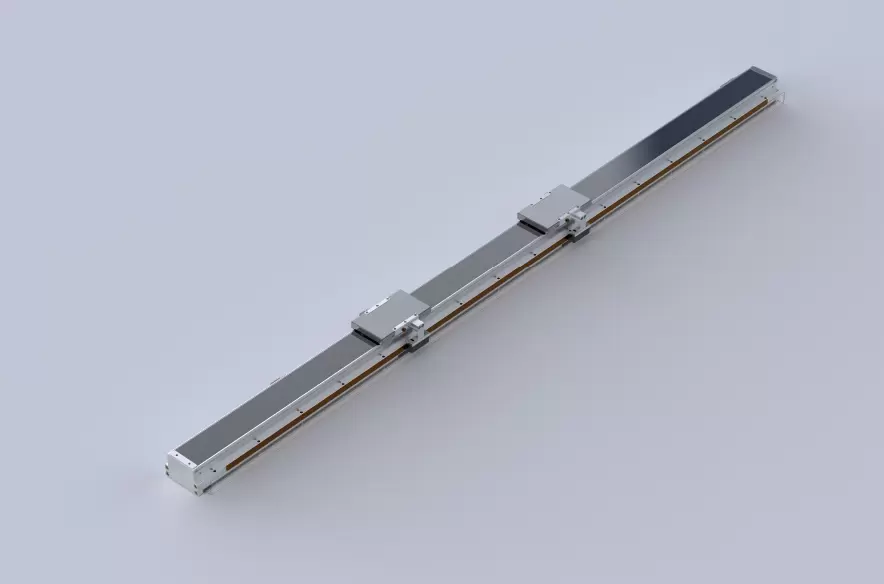
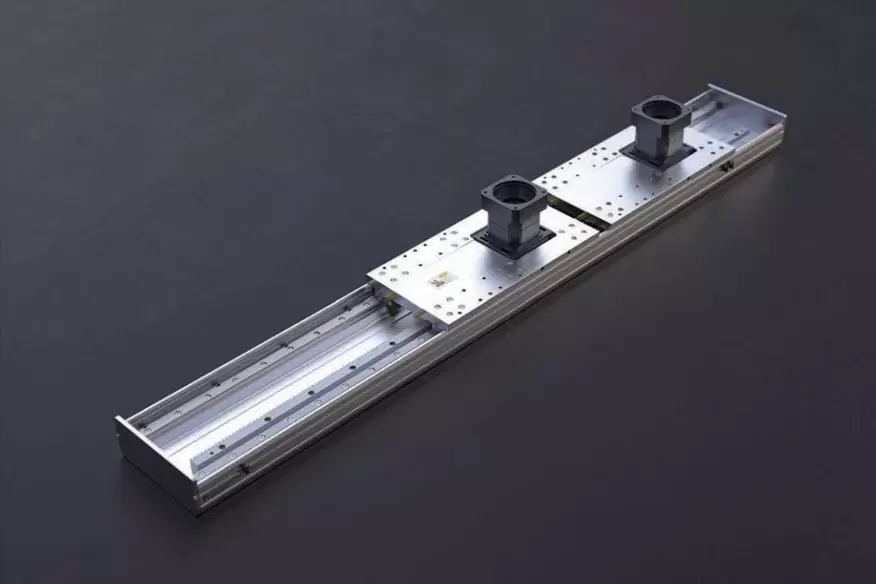
Used in automotive welding, component machining, large workpiece spraying, injection molding machine part removal, and logistics warehousing, enabling a single robot to serve multiple workstations or large equipment, thereby maximizing its utilization.
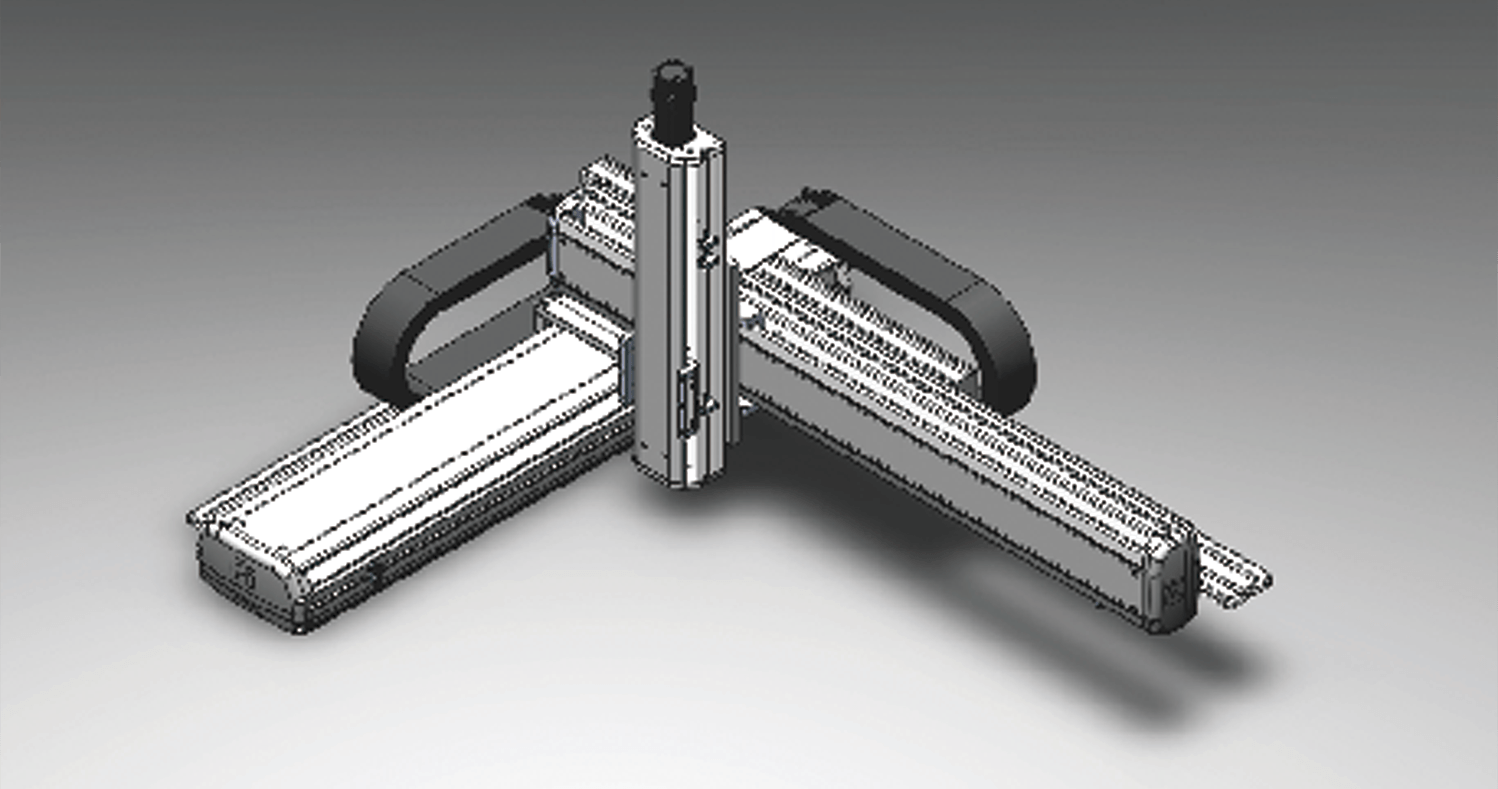
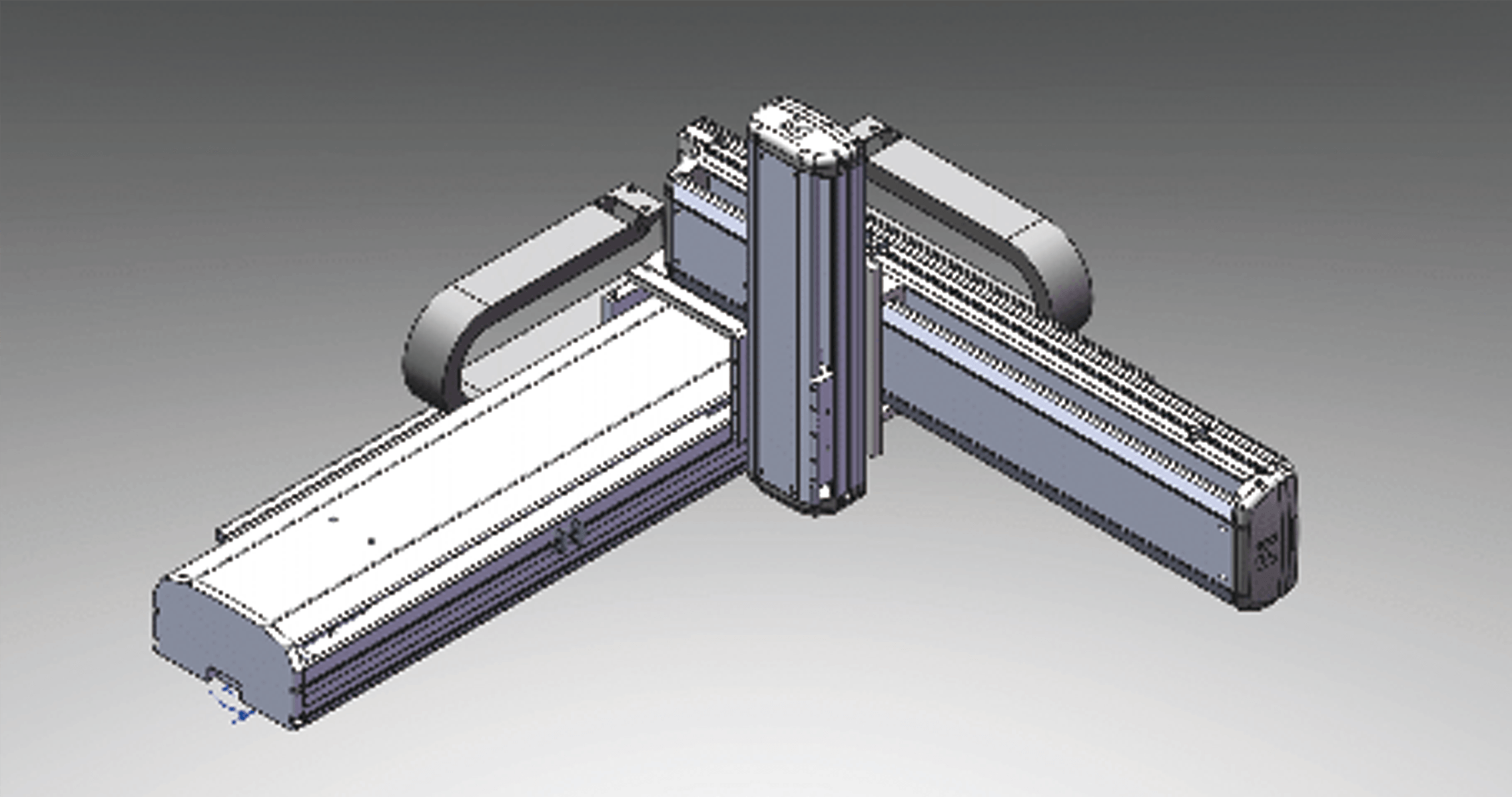
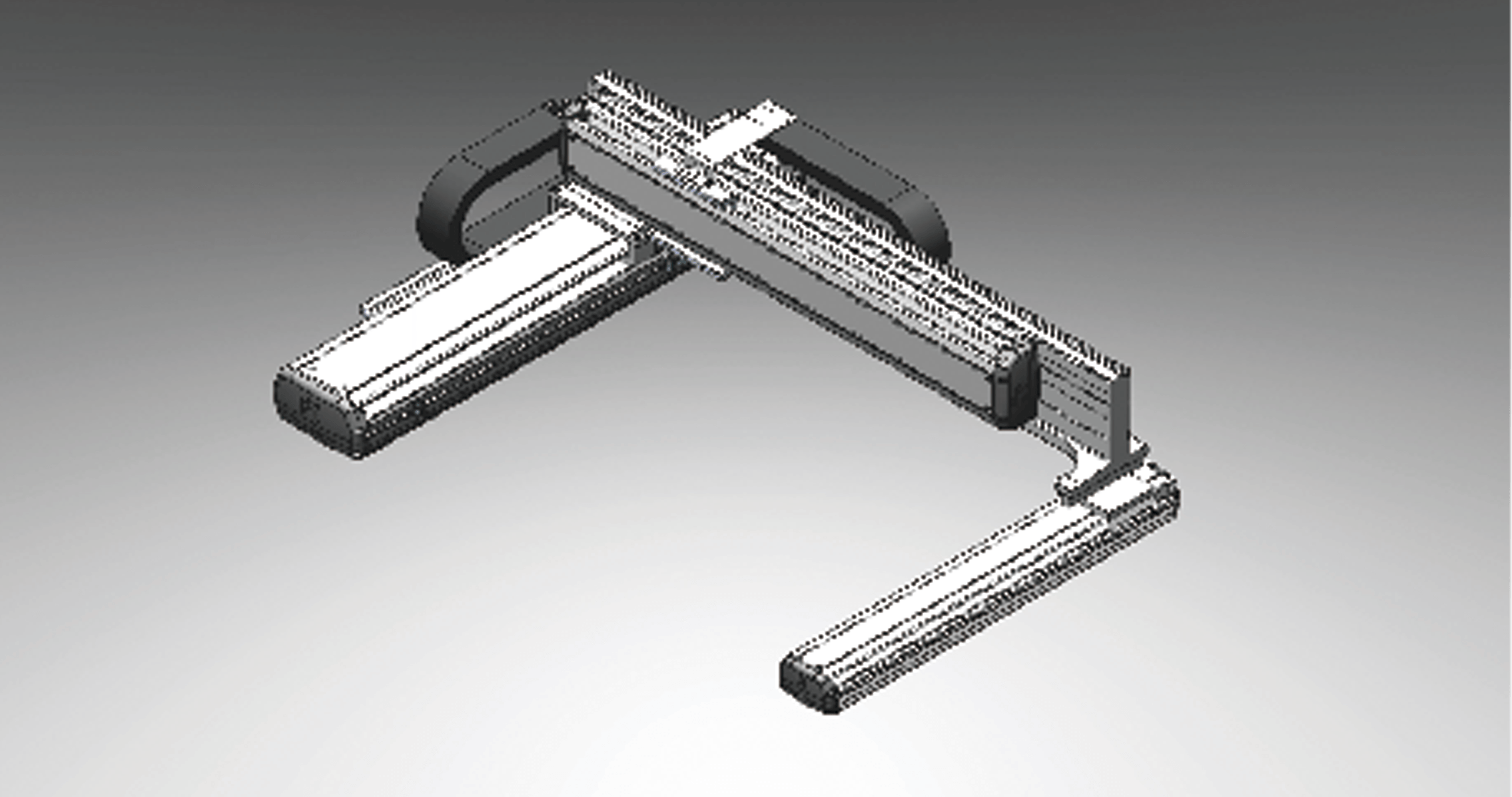
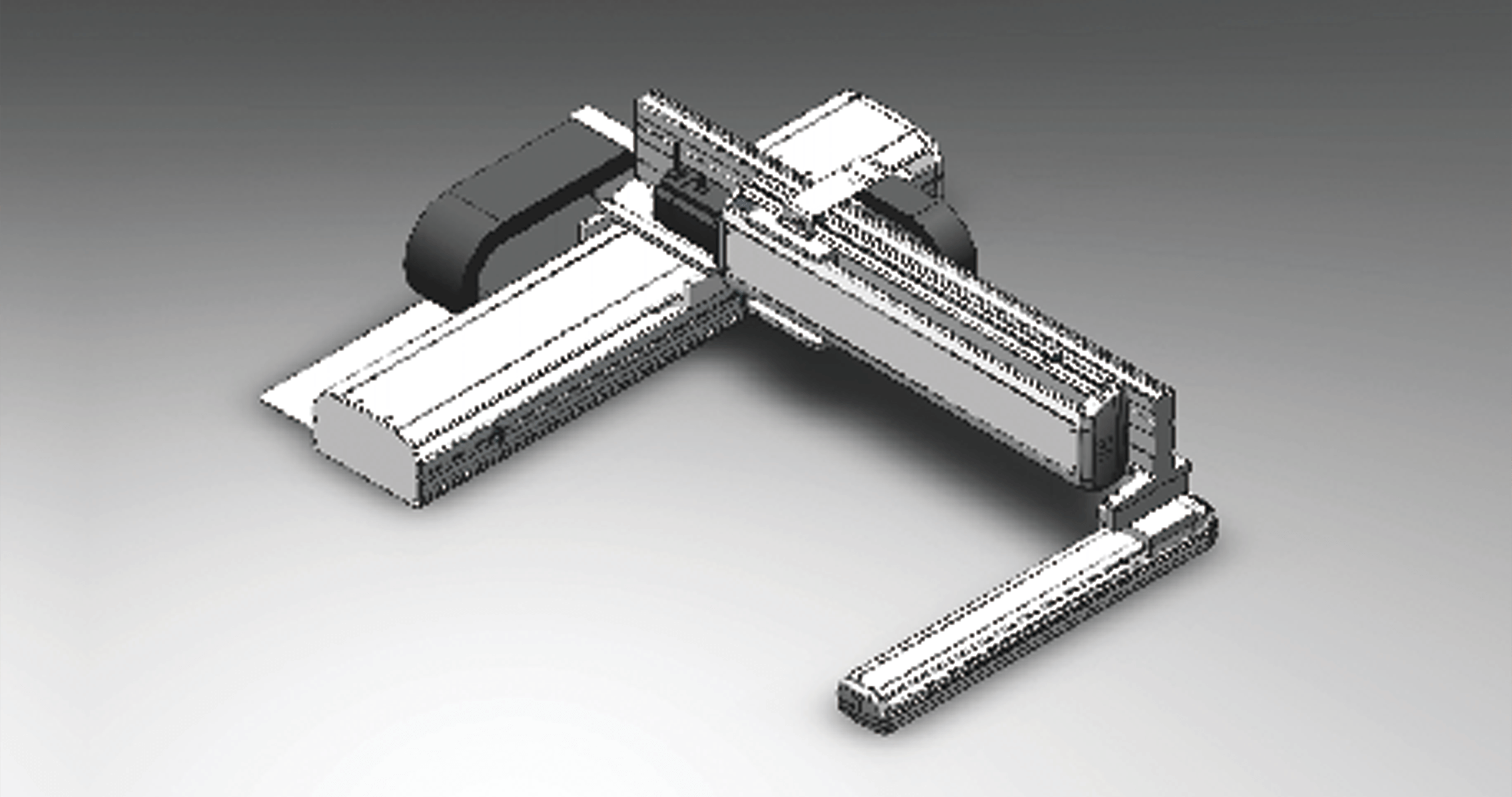
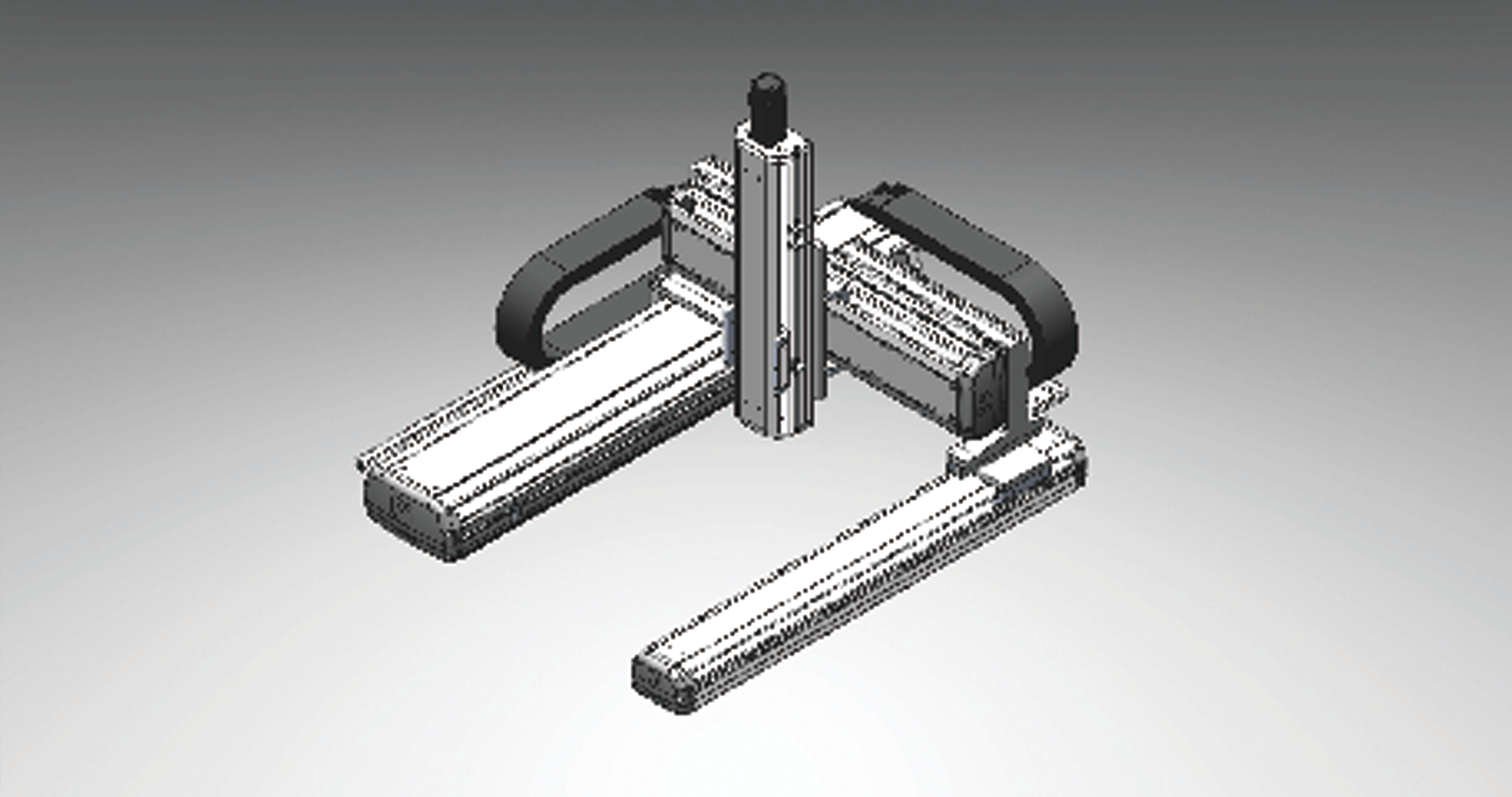
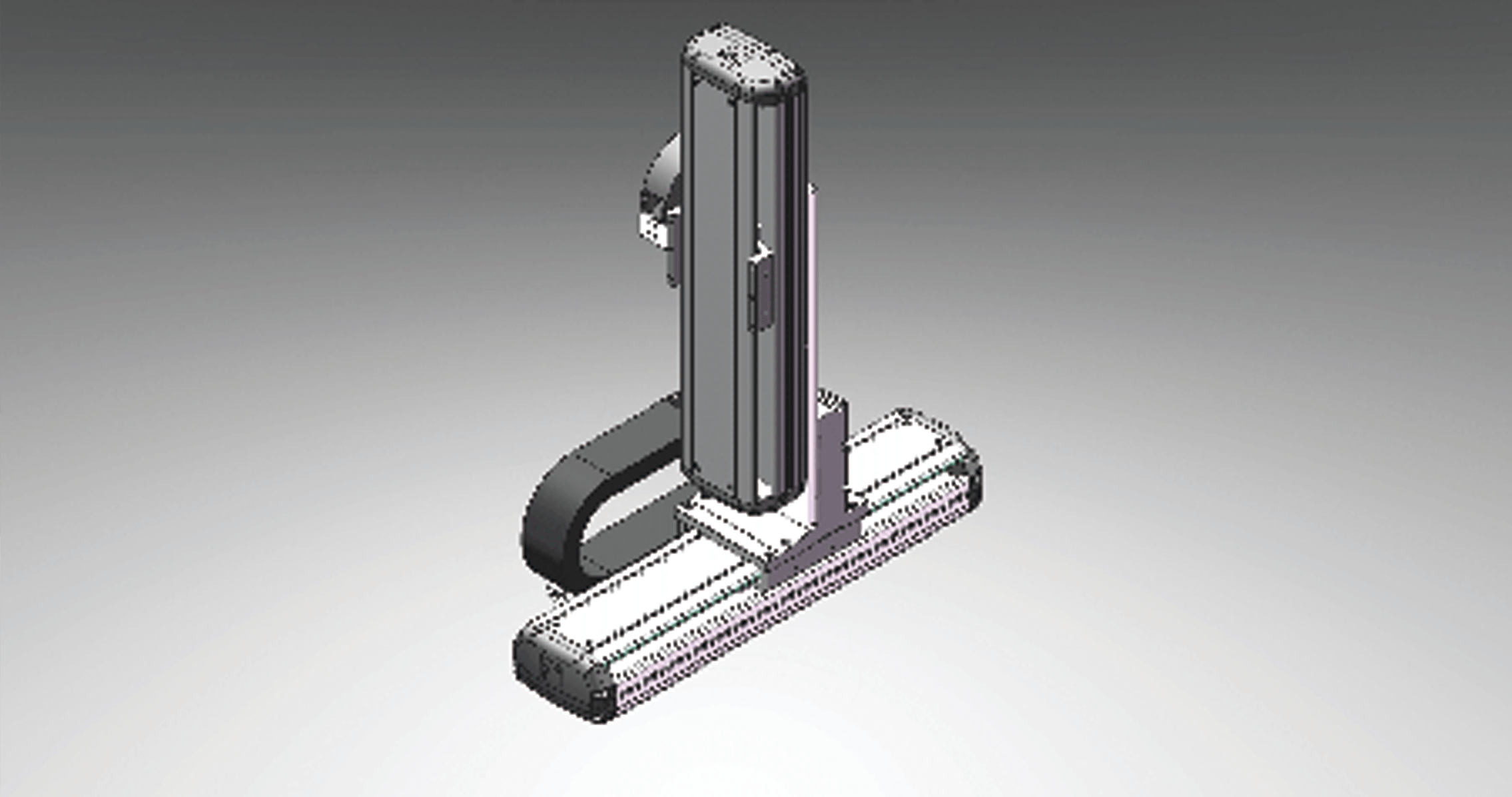
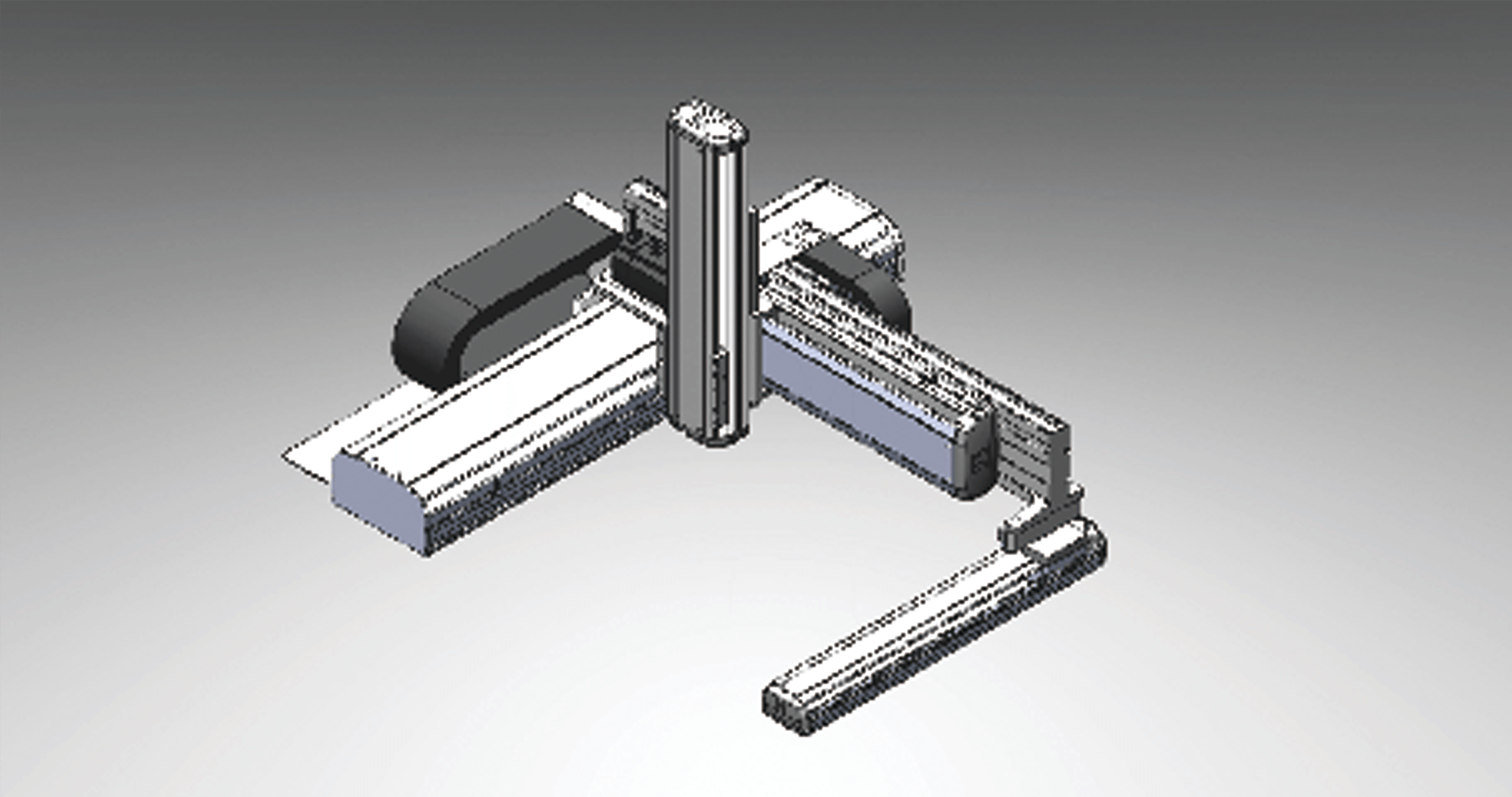
Ideal for automated tasks requiring complex movement, such as precision assembly, 3D dispensing, semiconductor wire bonding, CNC coordinate measuring machines (CMM), and high-throughput material handling systems.


 Current location: