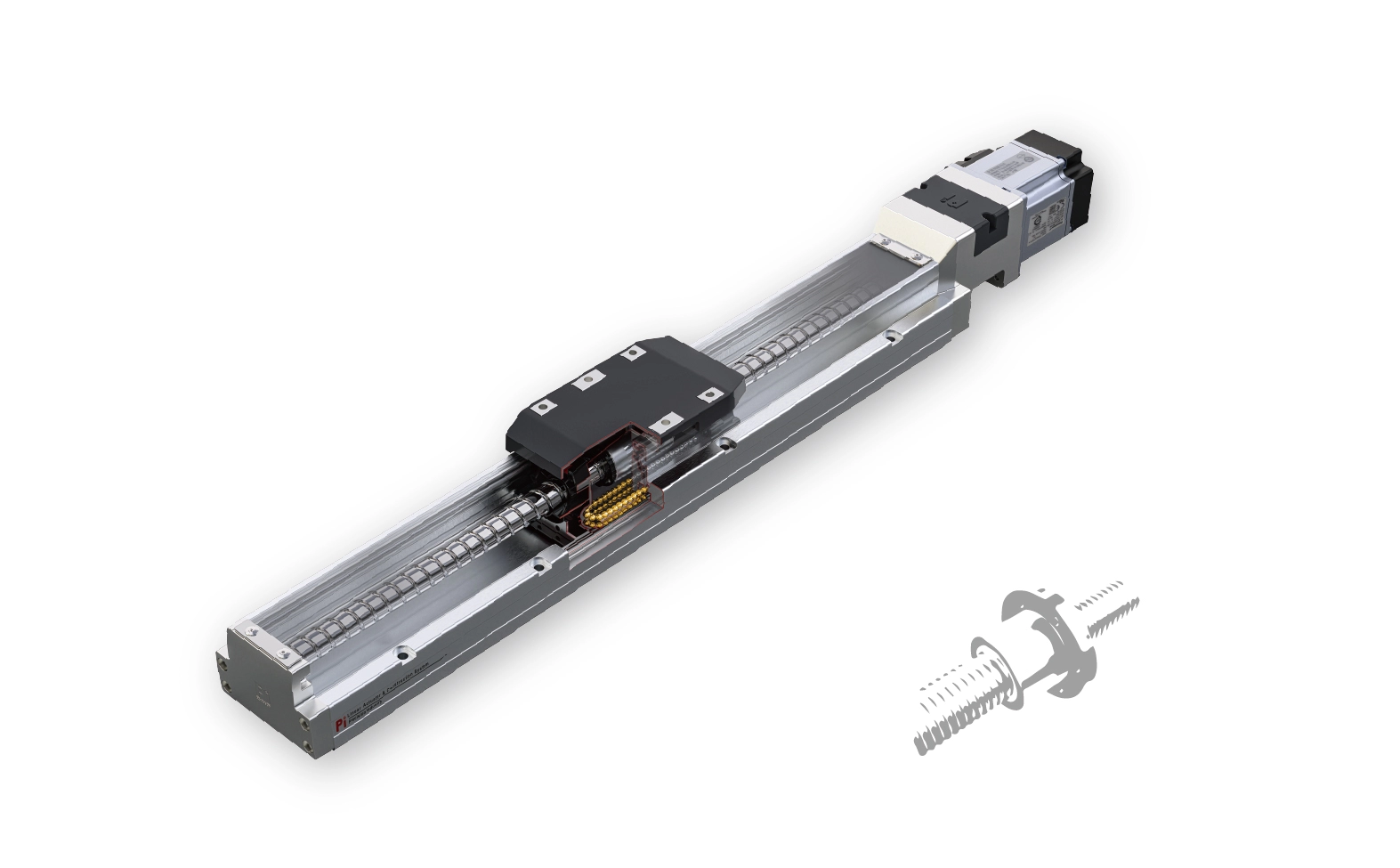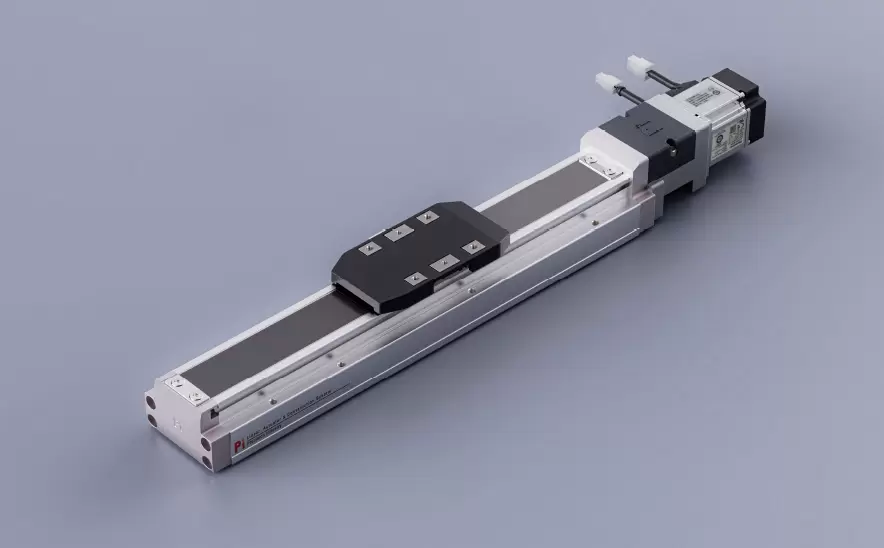
Motor Bottom Side
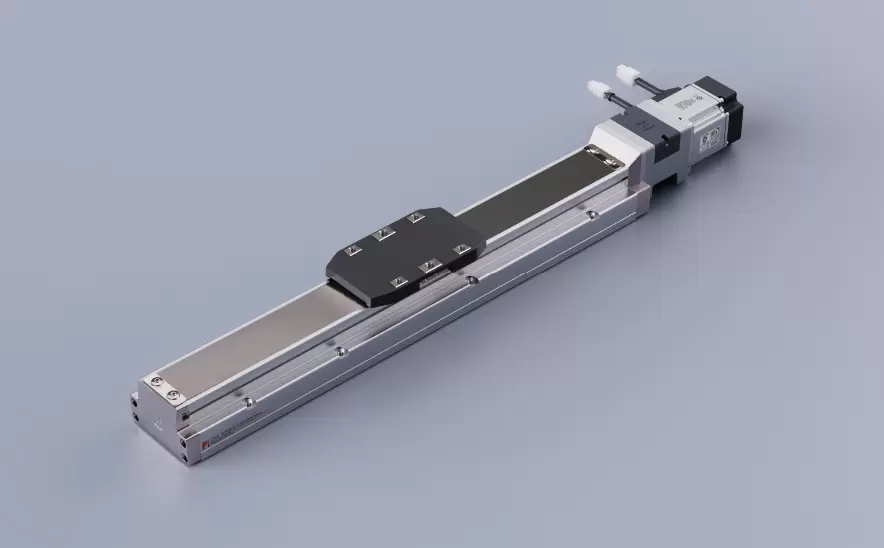
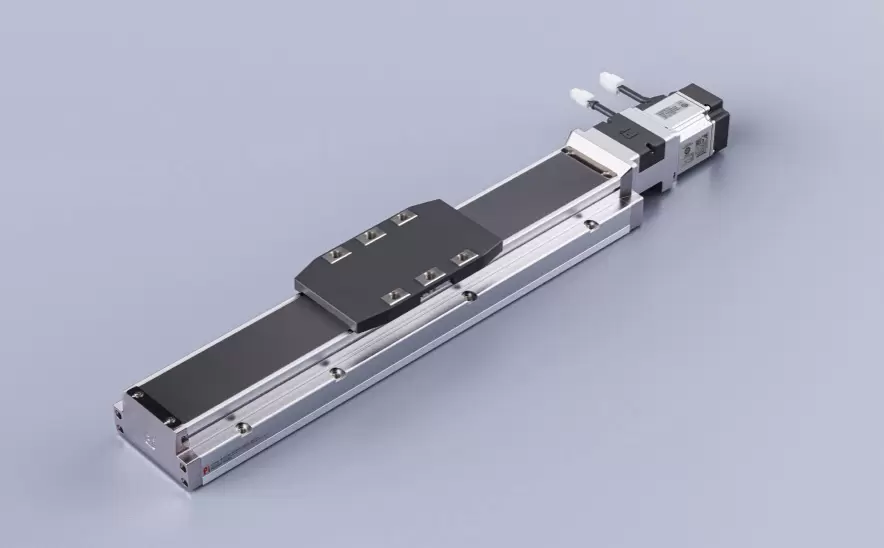
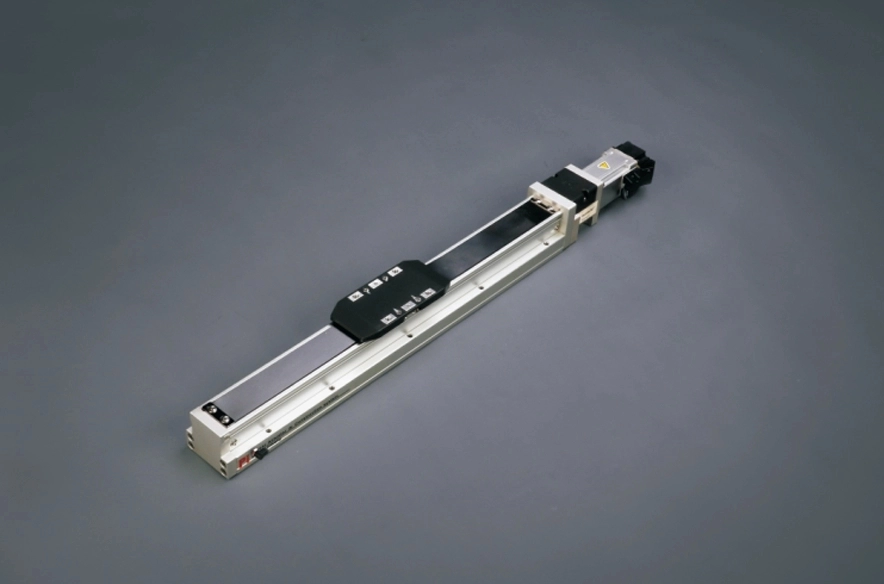
Repeatability:±0.005/0.01mmHorizontal Load:150kgVertical Load:55kgMaximum Speed:2000mm/sTravel Range:100-1500mm

 Current location:Home > Company > News > Latest news > How to Replace Worn Parts on Your Precision Positioning Slide Table
 Date: Jun 24 2026
Precision positioning slide tables are designed to deliver smooth, accurate, and repeatable motion. Over time, however, mechanical components such as linear guides, ball screws, bearings, and belts may show signs of wear. If not addressed, worn parts can reduce positioning accuracy, increase vibration, and eventually lead to system failure.
Replacing worn parts promptly is essential to maintain performance, extend equipment life, and prevent costly downtime. This guide provides a practical approach to identifying and replacing worn components on your slide table.
The first step is to determine which parts need replacement. Common signs of wear include:
Unusual noise or vibration: Grinding, rattling, or squeaking during motion.
Increased backlash or positioning error: Loss of repeatability or inconsistent travel distances.
Physical damage: Scratches, corrosion, or deformation on guides, screws, or bearings.
Movement resistance: Sections of travel that feel stiff or uneven.
Document your findings and compare them with the manufacturer’s specifications. Some components, like ball screws or guide rails, can wear gradually without obvious external damage, so careful measurement is key.
Before you start, ensure you have:
The correct replacement parts from the original manufacturer.
Basic tools: hex keys, screwdrivers, torque wrench, and alignment tools.
Clean workspace with sufficient lighting.
Safety equipment: gloves and protective eyewear.
It’s also helpful to have the slide table’s manual on hand, especially for torque specifications and alignment procedures.
When removing worn components:
Disconnect power: Always ensure the slide table is powered off and unplugged to avoid accidents.
Label components and connectors: Take photos or notes to ensure correct reassembly.
Handle components carefully: Linear guides, screws, and bearings can be precise and delicate. Avoid dropping or contaminating them.
For ball screws, remove the motor coupling and end supports first. For linear guides, loosen mounting bolts and gently lift the guide blocks.
Before installing new parts, clean the surrounding area to remove debris, dust, or old lubricant. Even small particles can reduce the life of replacement components. Use:
Lint-free cloths or wipes
Mild cleaning solution recommended by the manufacturer
Compressed air to remove hard-to-reach debris
Ensure surfaces are dry before proceeding.
Follow these steps carefully:
Linear guides: Position the guide rails accurately and tighten mounting bolts gradually in a crisscross pattern to maintain alignment.
Ball screws: Align the screw and nut properly to minimize backlash. Check the axial and radial play before fully tightening.
Bearings or rollers: Make sure they are seated correctly and lubricated as recommended.
Belts or flexible couplings: Adjust tension according to specifications.
Take your time—precision is critical. Even small misalignments can affect motion smoothness and positioning accuracy.
After replacement:
Power up the slide table and perform slow, controlled movements.
Check for smooth travel across the entire range.
Measure positioning accuracy and repeatability, comparing them with the manufacturer’s specifications.
Listen for unusual noise and monitor vibration.
If issues remain, double-check alignment, tension, and fastener torque.
Record the replacement details:
Part numbers and serial numbers of new components
Date of replacement
Observed wear on removed parts
Test results after reassembly
Maintaining detailed records helps track component lifespan and plan future maintenance.
Always use genuine replacement parts; aftermarket components can compromise precision and reliability.
Don’t wait for complete failure—replacing parts early reduces the risk of collateral damage to other components.
Regular inspections, lubrication, and controlled operation habits complement part replacement and maximize equipment life.
Replacing worn parts on a precision positioning slide table doesn’t have to be intimidating. With careful preparation, proper technique, and patience, you can restore your system’s accuracy and ensure reliable operation for years to come.