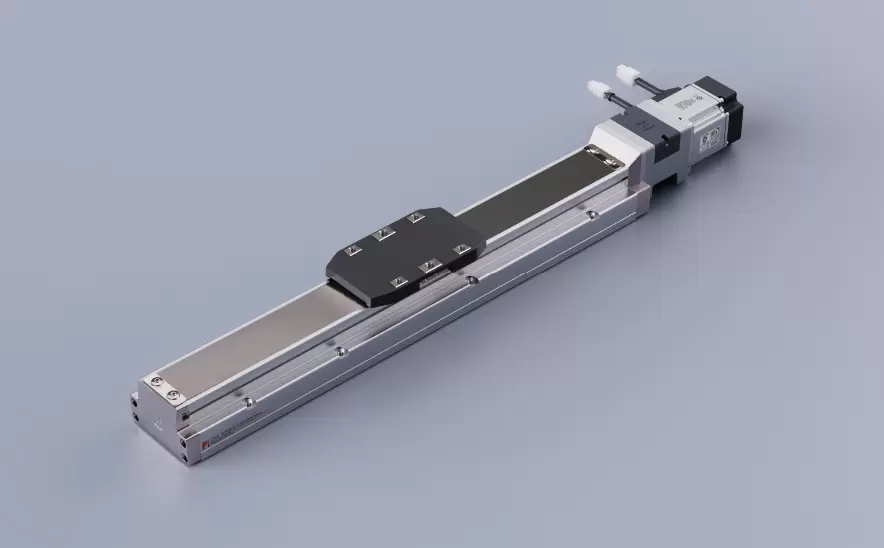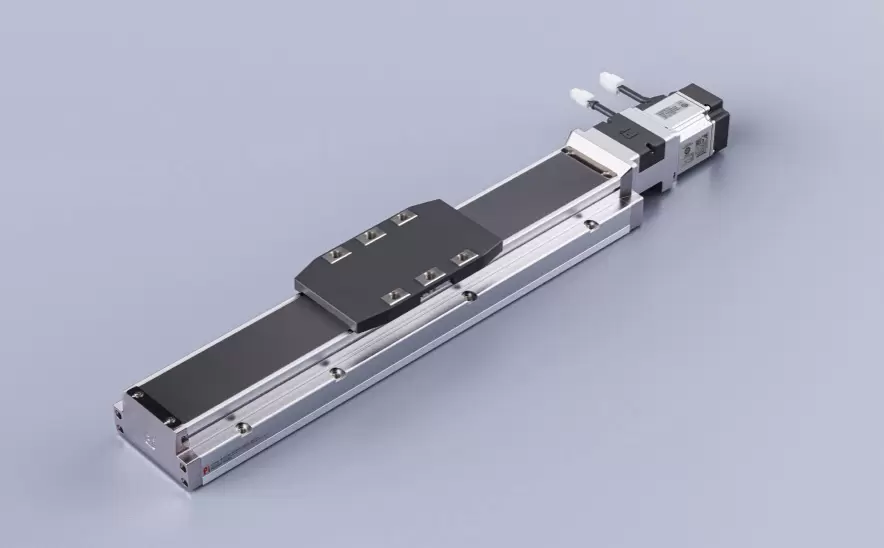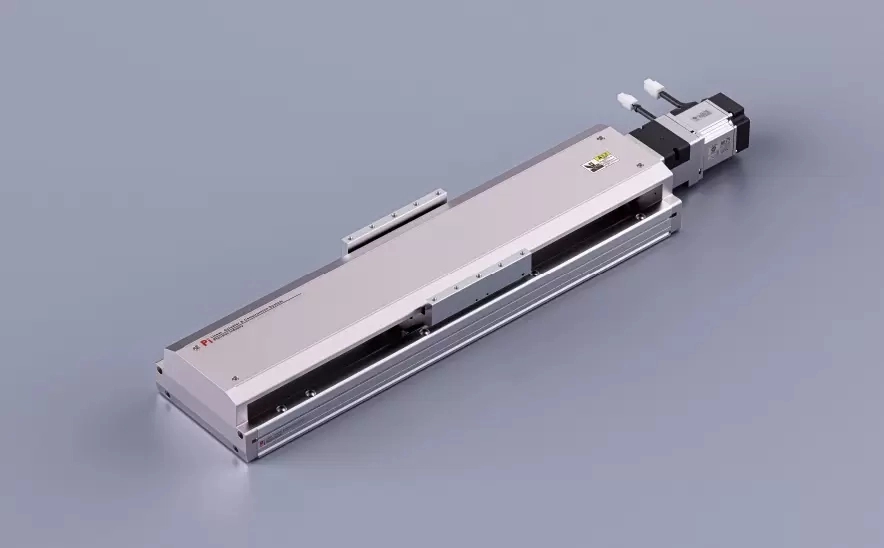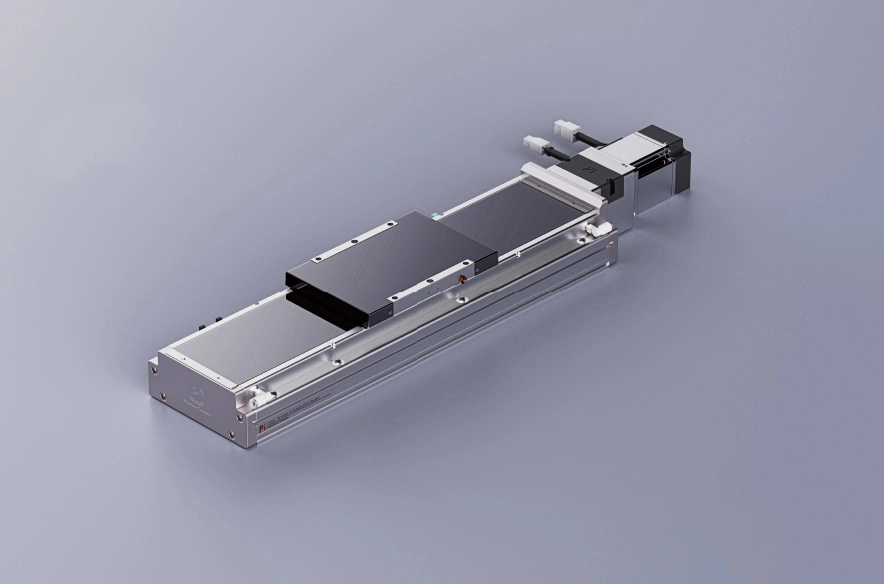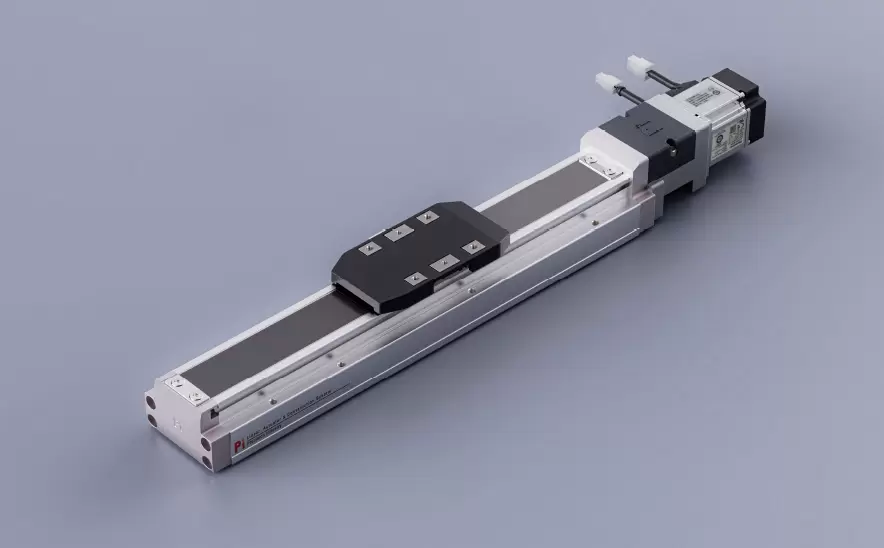
Motor Bottom Side
Repeatability:±0.005/0.01mmHorizontal Load:150kgVertical Load:55kgMaximum Speed:2000mm/sTravel Range:100-1500mm

 Current location:Home > Company > News > Latest news > Preventing Wear and Tear on Your Precision Positioning Slide Table
 Date: Jun 17 2026
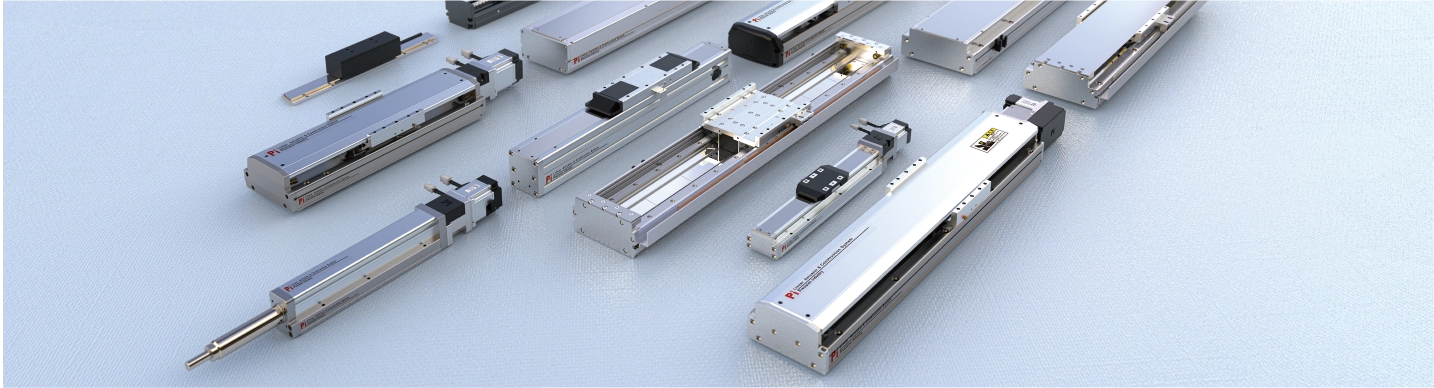
Precision positioning slide tables are the backbone of many high-tech industries, from semiconductor manufacturing to laboratory automation and precision assembly lines. They deliver smooth, repeatable motion that ensures your processes run accurately and efficiently. However, like any mechanical system, they are subject to wear and tear over time. Understanding how to prevent this can save your business both time and money.
Here’s a practical guide to keeping your slide table in top condition.
Dust, dirt, and debris are simple enemies, but their impact is significant. Even microscopic particles can scratch guide rails, affect bearing performance, and lead to uneven motion.
Tips:
Wipe down exposed surfaces regularly using a lint-free cloth.
Avoid using harsh chemicals; a mild cleaner recommended by the manufacturer is usually enough.
Ensure your working environment is as clean as possible, especially in labs or production areas.
A clean slide table is a happy slide table.
Proper lubrication reduces friction and prevents premature wear on linear guides, ball screws, and other moving parts. But too much—or too little—can be harmful.
Best practices:
Use the lubricant recommended by the manufacturer.
Apply evenly to all moving components, not just the visible ones.
Set up a regular schedule; for high-use systems, more frequent lubrication may be necessary.
Remember: lubrication isn’t a “set it and forget it” task. Think of it like feeding your machine’s soul.
Slide tables are engineered for precise loads. Pushing them beyond their limits causes stress on guides, motors, and screws, accelerating wear.
How to prevent overload:
Always check the load specifications before mounting new equipment.
Avoid sudden shocks or high-speed stops with heavy payloads.
If your process involves variable loads, consider using a controller that limits acceleration and deceleration.
Gentle motion extends life—precision isn’t just about positioning, it’s about care.
Even the best-maintained systems develop small issues over time. Early detection prevents small problems from becoming costly failures.
Focus areas:
Check for unusual noise or vibration during motion.
Look for signs of wear on guides, screws, or belts.
Ensure connectors, cables, and fasteners are secure.
A monthly visual inspection combined with an annual detailed check keeps surprises to a minimum.
Precision slide tables perform best in stable, controlled environments. Temperature fluctuations, excessive humidity, or corrosive atmospheres can contribute to wear.
Environment tips:
Keep operating temperatures within the manufacturer’s recommended range.
Minimize exposure to moisture or corrosive chemicals.
Reduce airborne dust or particles in the workspace.
Even the most robust system struggles if the environment works against it.
Often overlooked, operator habits play a big role in wear and tear. Inconsistent handling or improper use can accelerate deterioration.
Operator best practices:
Move the table gently, avoiding sudden manual pushes.
Follow acceleration, speed, and load limits.
Report any unusual behavior immediately.
Proper training ensures the equipment lasts longer and maintains high precision.
Preventing wear and tear on your precision positioning slide table is less about complicated procedures and more about consistent care. Cleanliness, proper lubrication, controlled loads, regular inspections, suitable environments, and trained operators together create a system that runs smoothly for years.
By being proactive, you protect both your investment and the quality of your work. After all, precision isn’t just what your slide table delivers—it’s also how you treat it.