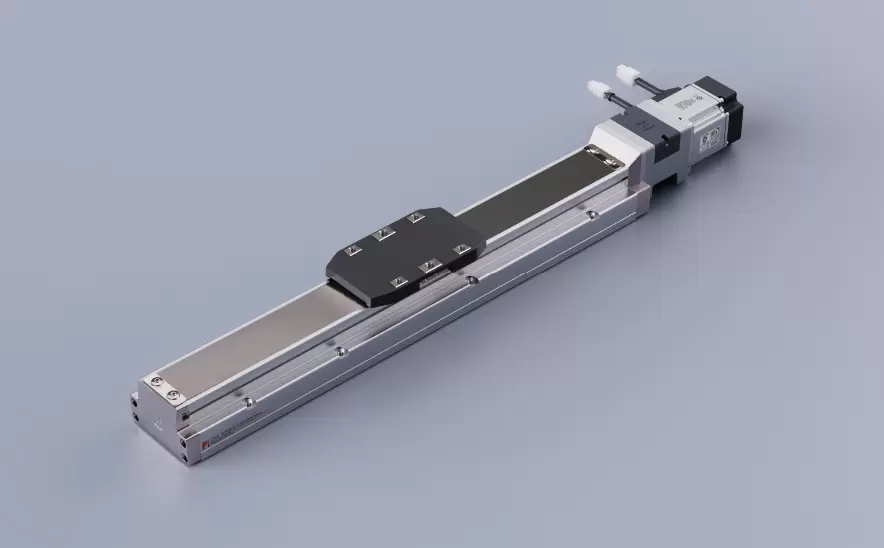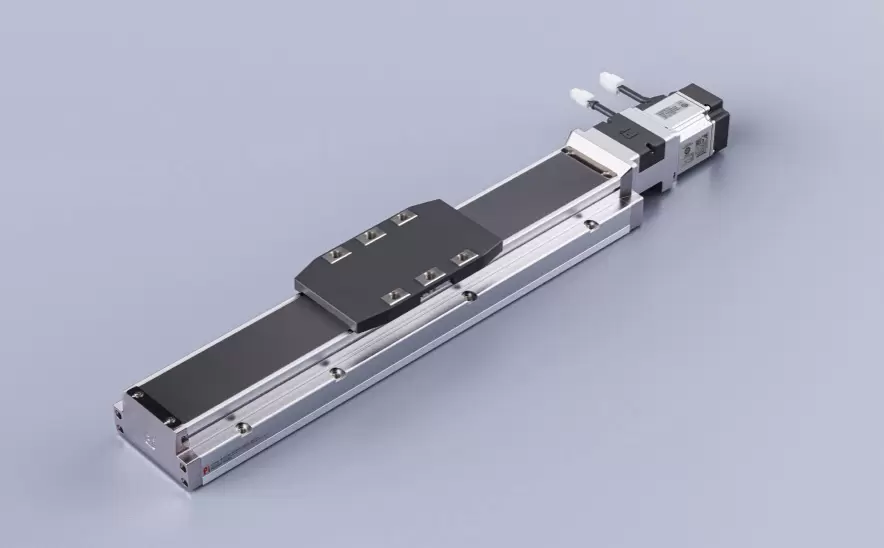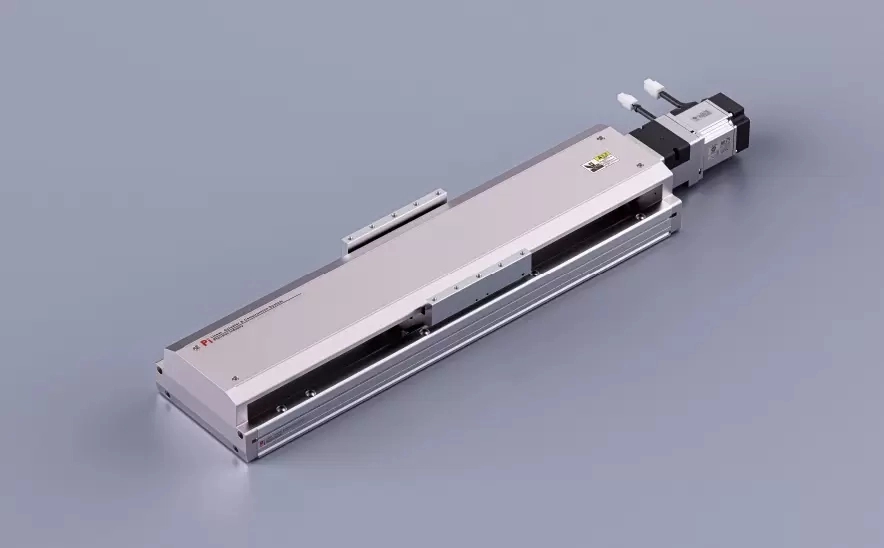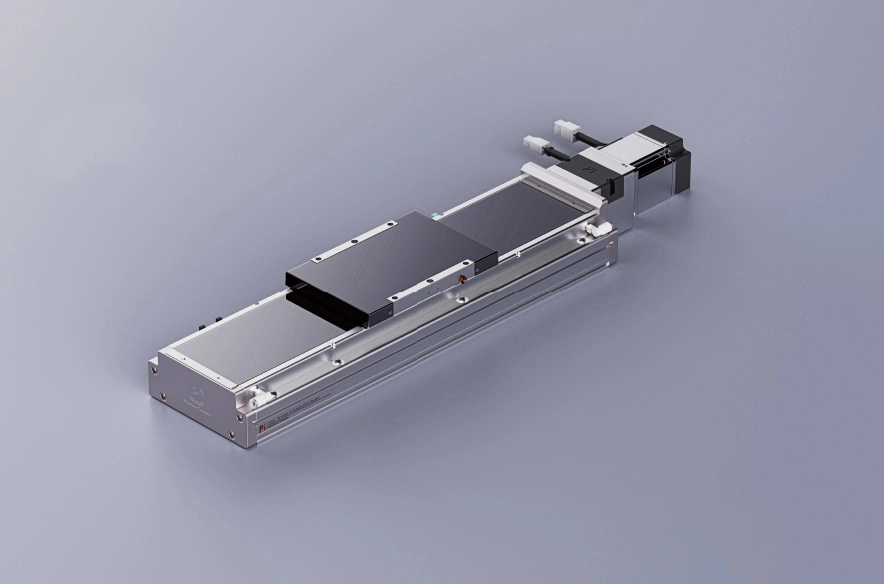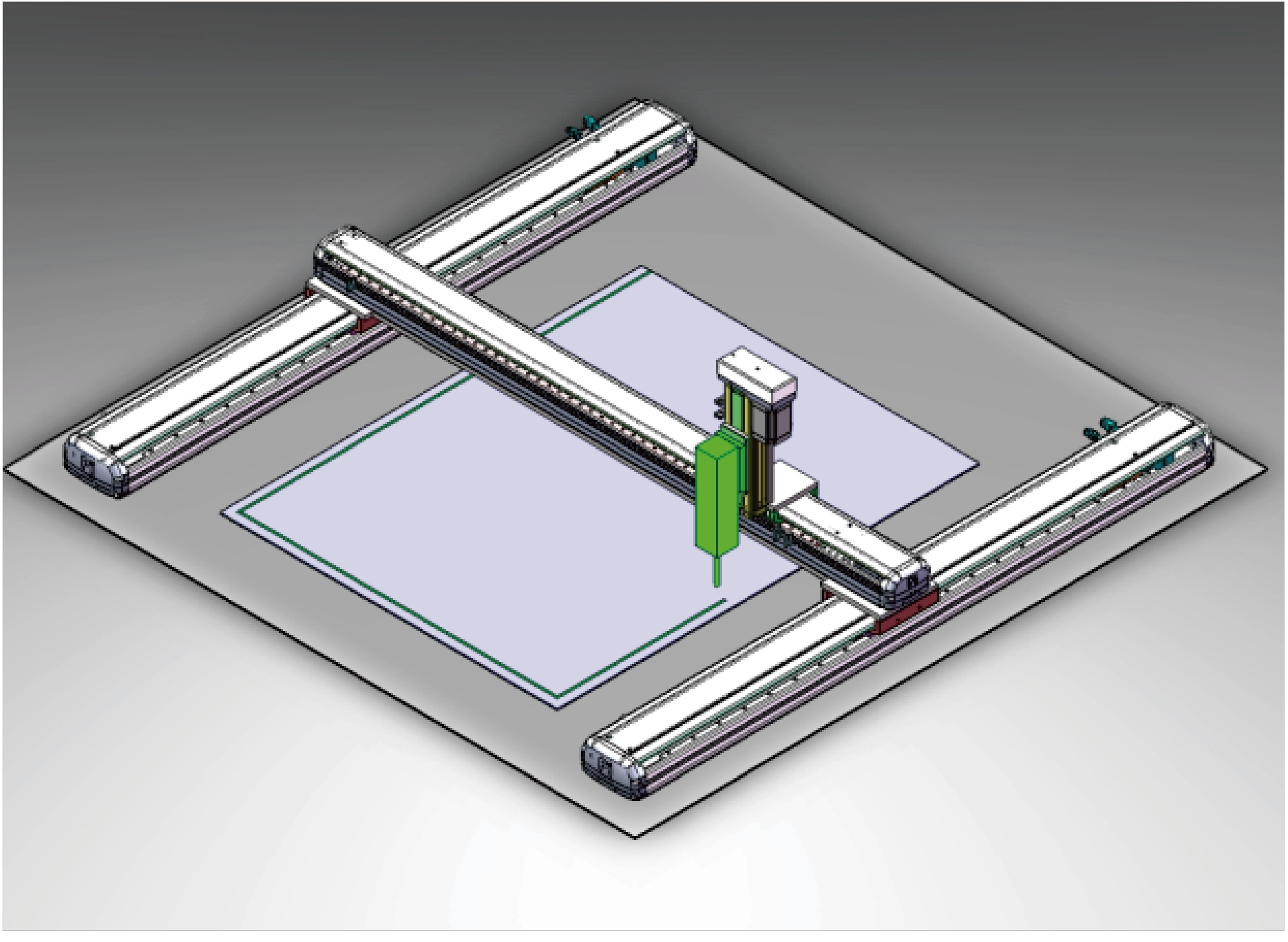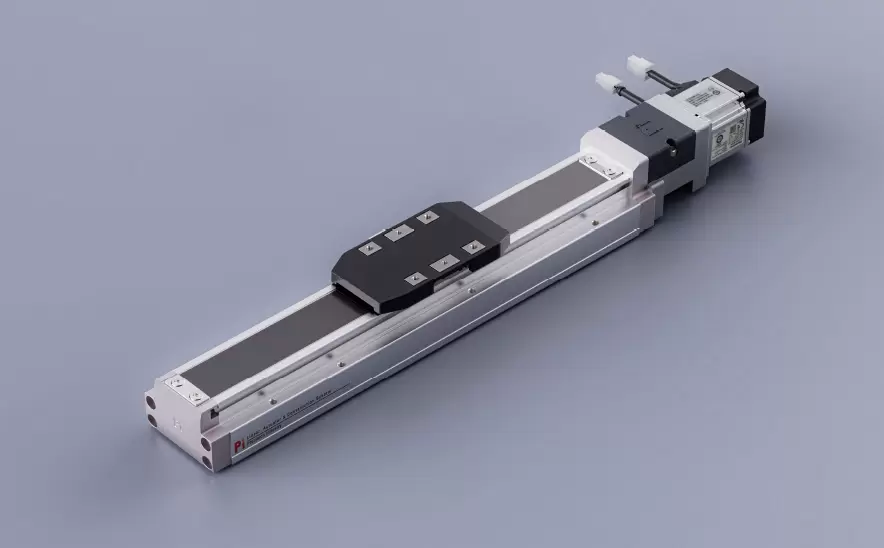
Motor Bottom Side
Repeatability:±0.005/0.01mmHorizontal Load:150kgVertical Load:55kgMaximum Speed:2000mm/sTravel Range:100-1500mm

 Current location:Home > Company > News > Latest news > Key Factors to Consider When Selecting a Ball Screw Linear Actuator
 Date: Nov 24 2025
Ball screw linear actuators are essential components across today’s industrial automation landscape. They deliver stable, accurate, and repeatable linear motion for robotics, CNC platforms, semiconductor manufacturing, medical automation, and testing systems. Selecting the right actuator is not simply a matter of choosing a size or travel length; it requires understanding mechanical behavior, load characteristics, environmental conditions, and the performance demands of the application.
For Ruan Pi-Robot, precision has been at the core of its mission since its founding in 2003. The company was established by a team committed to improving the accuracy of industrial products and processes in China. Over two decades, Ruan has grown into a manufacturer with two industrial parks covering 70,000 square meters in Shenzhen and Yueyang, employing more than 300 specialists. With expertise across precision positioning slide tables, XY linear slide tables, electric cylinders, linear motor modules, rectangular coordinate systems, built-in slide tables, robotic arms, and transmission components, the company continues to support advanced automation across semiconductor, LCD, PCB, medical, automotive, and testing industries.
This article outlines the key factors engineers and machine designers should consider when selecting a ball screw linear actuator, helping ensure reliable performance and long-term stability.
One of the primary advantages of ball screw actuators is their ability to deliver precise, controlled motion. The rolling contact of ball bearings reduces friction, allowing the actuator to achieve smooth and predictable linear travel.
Required positional accuracy (micron or sub-millimeter levels)
Repeatability over long duty cycles
Smooth motion at low speeds
Tolerance for backlash and deflection
Applications such as optical inspection, laboratory automation, semiconductor handling, and CNC adjustment axes demand strict repeatability. In these cases, a tightly preloaded ball screw with minimal backlash is essential.
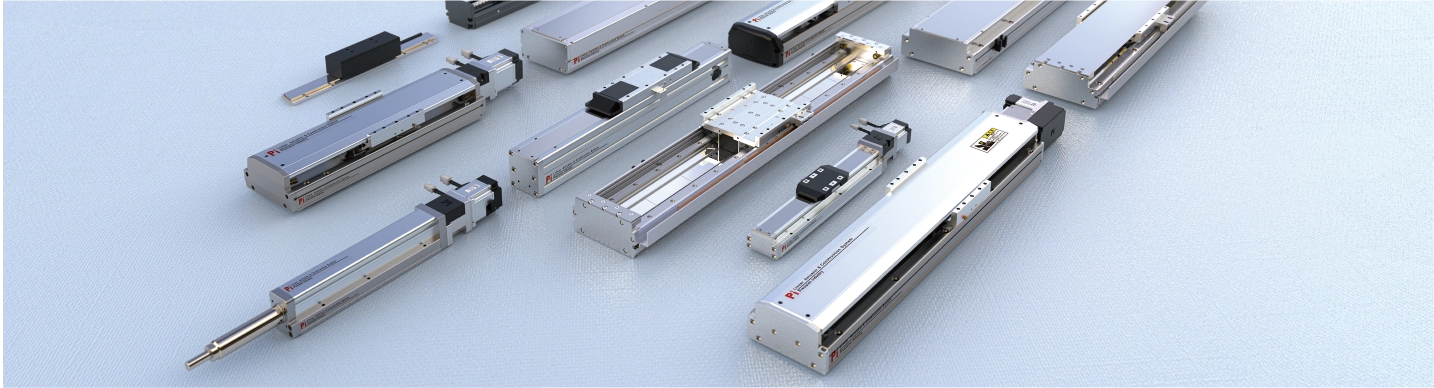
Ruan Pi-Robot’s full lineup of standard ball screw linear actuator provides multiple options designed to meet different accuracy levels.
Load characteristics significantly impact actuator selection. The ability of the actuator to handle dynamic and static loads without compromising accuracy is critical for high-performance industrial systems.
Vertical or horizontal load conditions
Static load during hold or pause positions
Dynamic load during motion
External forces such as tool pressure, vibration, or inertia
Ball screw actuators typically outperform belt-driven or rack-and-pinion systems in load capacity because of the rigid screw structure and controlled rolling interface. For applications involving heavy presses, tooling equipment, or repeated pushing motion, selecting the correct screw diameter, pitch, and guide structure is crucial.
Stroke length and speed vary significantly across automation equipment. Each ball screw actuator must be selected to match the specific motion profile of the machine.
Longer strokes require larger screw diameters or supported screw structures
Higher speeds increase screw whip and vibration risk
Speed must match the motor's performance envelope
Ball screw actuators provide excellent accuracy but are limited in ultra-long lengths due to screw deflection. For long-distance applications, consider stroke limits or alternatives like belt actuators or linear motors. For medium-length precision applications, ball screw actuators remain a reliable and adaptable choice.
A ball screw actuator’s performance is influenced by the motor driving it. The selection between servo and stepper motors depends on the required speed, torque, and accuracy.
Stepper motors for lower cost and moderate precision
Servo motors for higher torque, closed-loop feedback, and stability
Integration requirements such as coupling type and mounting interface
Application-specific acceleration and deceleration profiles
Matching the actuator’s screw pitch with the motor’s speed-torque curve ensures consistent motion without vibration or stalling.
Ruan Pi-Robot’s actuators are designed to accommodate multiple motor types, making integration easier for machine builders.
Operating environments strongly influence actuator longevity and motion quality. Dust, chemicals, temperature, and vibration can degrade performance.
Cleanroom classification requirements
Exposure to dust or fine particles
Potential for oil mist or chemical vapor
Temperature variations
Requirement for sealing or protective covers
For semiconductor or medical environments, contamination control is essential. In these cases, cleanroom-rated actuators with sealed structures or optional metal covers are recommended.
For dusty industrial environments, reinforced sealing and wiper systems help maintain performance and protect internal components.
Engineers must consider spatial restrictions along with mounting options to ensure compatibility with the rest of the machine structure.
Direction of installation (horizontal, vertical, inverted)
Available mounting hole patterns
Guide rail alignment and stiffness
Space for motor installation and maintenance
Orientation for load distribution
Ruan Pi-Robot offers various actuator sizes and housing designs to accommodate compact installation spaces without sacrificing rigidity.
Ball screw actuators are mechanical systems, and long-term reliability depends on proper lubrication, preload selection, and material quality.
Ball screw lead accuracy
Nut preload type
Lubrication intervals
Bearing life
Screw hardness and wear resistance
A well-maintained ball screw actuator can operate for millions of cycles. However, selecting the correct preload and lubrication scheme during the design stage minimizes wear and guarantees stable, long-term performance.
Some applications—such as medical devices or precision inspection systems—require extremely quiet, vibration-free movement.
Controlled low-speed motion profiles
Minimal mechanical noise
Reduced vibration under load
Consistent performance at varying speeds
Ball screw actuators provide smoother motion than many mechanical alternatives, especially when properly lubricated and matched to the right motor.
Although cost is not the only factor, choosing the correct actuator influences long-term operating efficiency and maintenance stability.
Upfront investment vs. lifetime reliability
Long-term accuracy retention
Maintenance requirements
Integration and system performance
Ruan Pi-Robot provides a range of ball screw actuators designed to meet different industry needs without compromising essential performance.
Selecting a ball screw linear actuator involves more than reviewing technical specifications. Engineers must understand precision requirements, load conditions, motion profiles, mounting constraints, motor compatibility, environmental factors, and long-term reliability expectations.
With over 20 years of experience in precision mechanical design and motion control, Ruan Pi-Robot continues to support global industries with high-quality actuators built for accuracy, durability, and consistent performance. Whether the application involves robotics, CNC systems, medical automation, semiconductor manufacturing, or inspection equipment, choosing the correct actuator ensures both reliable machine operation and long-term cost effectiveness.