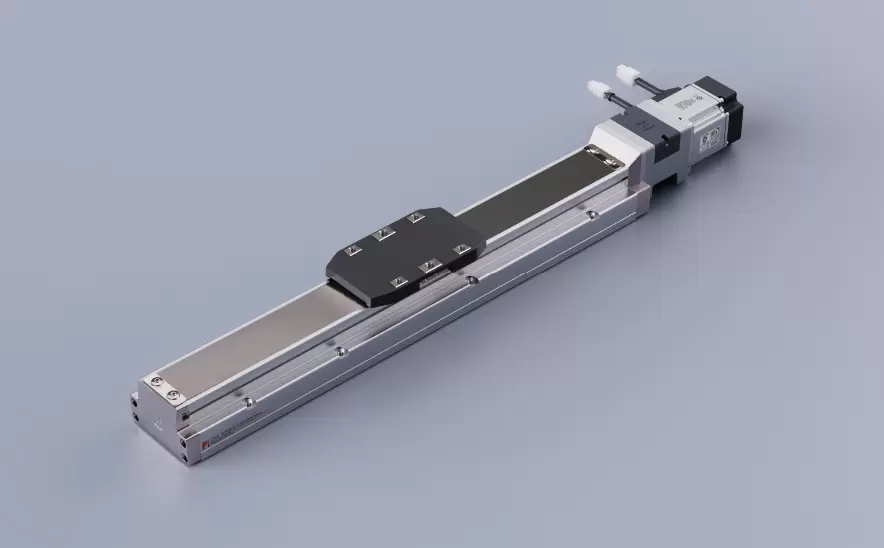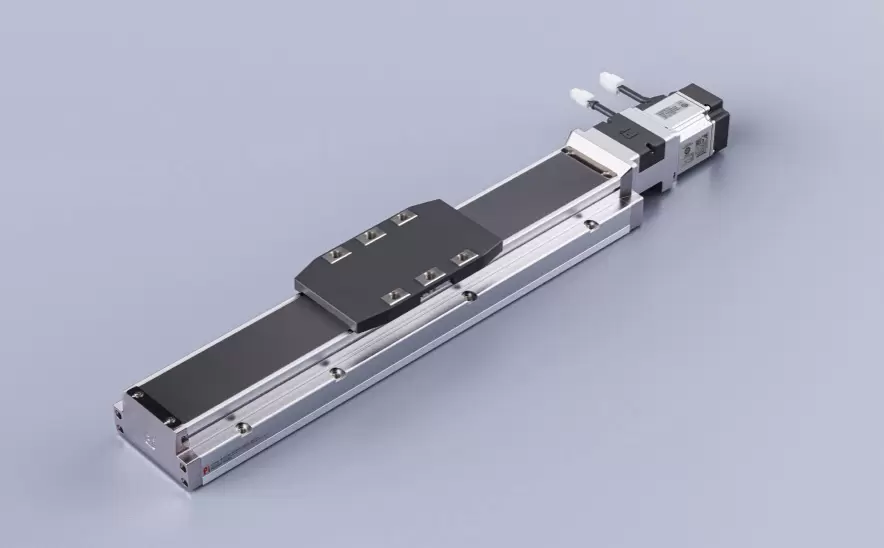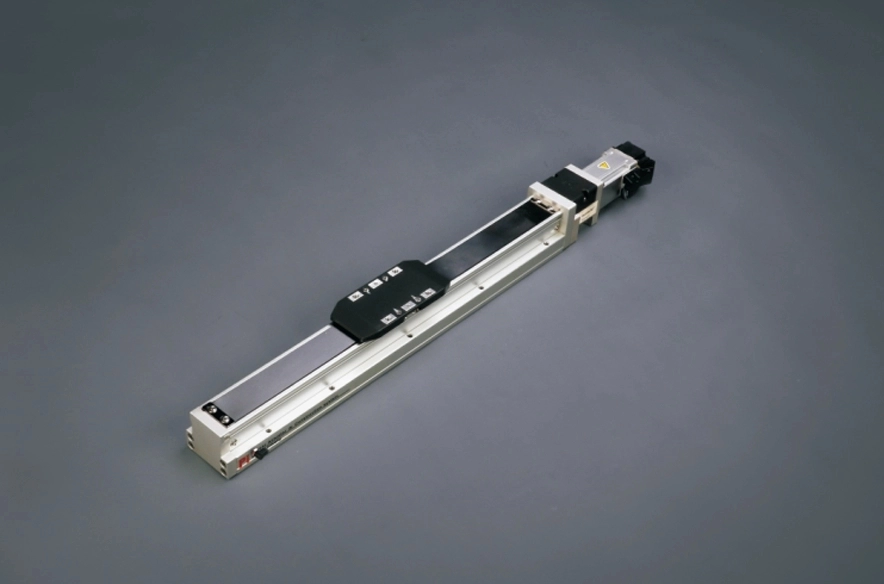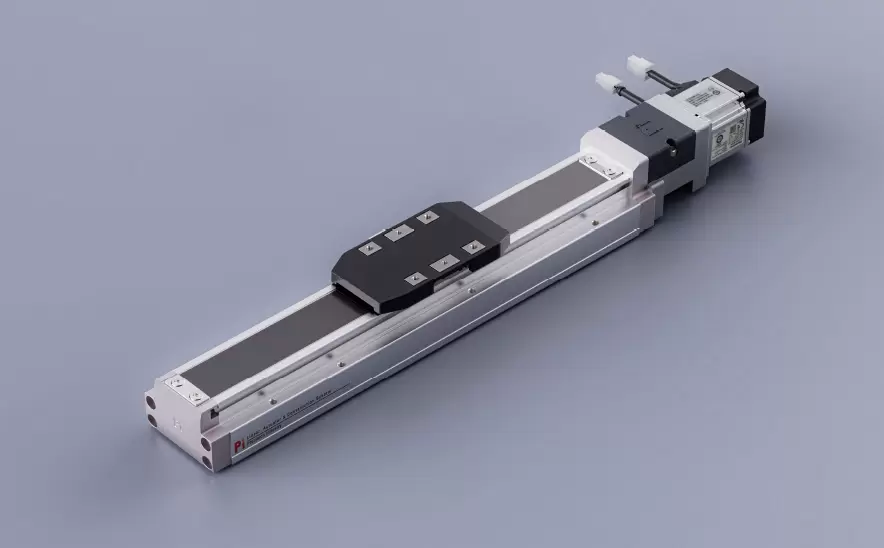
Motor Bottom Side
Repeatability:±0.005/0.01mmHorizontal Load:150kgVertical Load:55kgMaximum Speed:2000mm/sTravel Range:100-1500mm

 Current location:Home > Company > News > Latest news > The Essential Guide to Maintaining Your Precision Positioning Slide Table
 Date: May 19 2026
Precision positioning slide tables are the unsung heroes in countless industrial, laboratory, and manufacturing applications. When properly maintained, they provide smooth, accurate motion that keeps your processes running reliably. Neglect maintenance, and even the most robust slide table can develop issues that compromise performance—or worse, lead to costly downtime. This guide offers practical tips to keep your equipment in top shape.
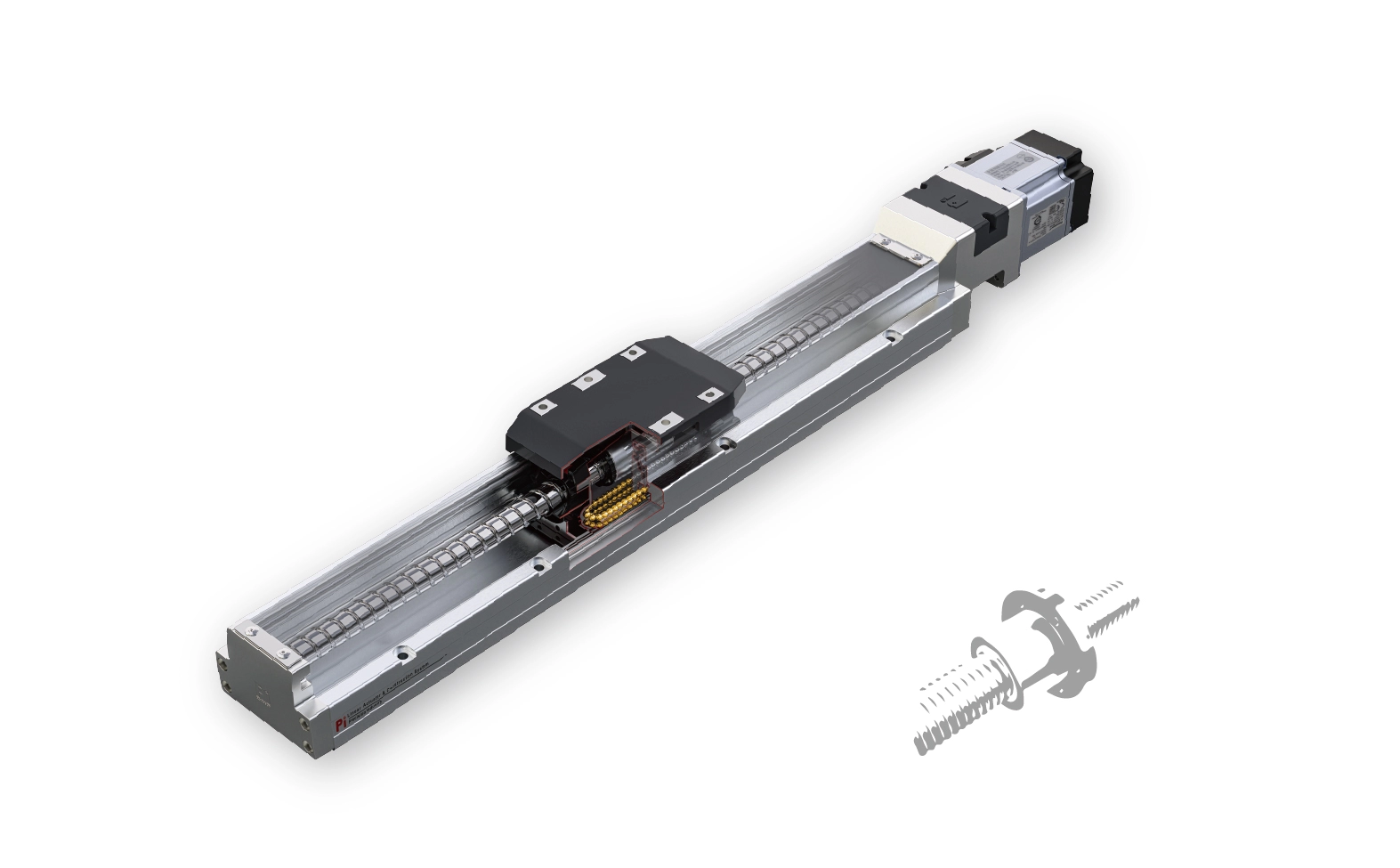
Before diving into cleaning and maintenance, take a moment to review your slide table’s design and components. Most precision slides include rails, carriages, lead screws or belts, bearings, and sometimes motors and controllers. Knowing how these parts interact will help you identify potential trouble spots early.
Dust, debris, and residue from lubricants or the surrounding environment are among the leading causes of wear. A routine cleaning schedule is essential:
Daily: Wipe down exposed surfaces with a lint-free cloth.
Weekly: Remove larger debris around rails and carriages.
Monthly: Inspect hidden areas, such as under covers, for buildup.
Avoid harsh solvents that could damage seals or bearings; mild isopropyl alcohol or manufacturer-approved cleaners usually work best.
Even precision slide tables need proper lubrication to reduce friction and prevent wear. However, over-lubricating can attract dust and cause gumming, so moderation is important.
Check the manufacturer’s guidelines for the correct type of grease or oil.
Apply lubricants sparingly to rails, screws, and bearings.
Periodically wipe off old lubricant before applying fresh, especially if the environment is dusty or humid.
Even minor misalignments can affect the smoothness and precision of your slide table. Set aside time to inspect:
Rails and guides: Look for scratches, dents, or corrosion.
Carriages: Check for uneven movement or unusual noise.
Fasteners and mounts: Ensure everything is securely tightened without over-torquing.
Spotting issues early can save you from costly repairs later.
Precision slide tables are designed for accuracy, not brute force. Avoid sudden impacts or heavy loads beyond the rated capacity. When moving parts by hand, maintain smooth, gentle motion rather than forcing anything along the rails.
Temperature fluctuations, humidity, and contamination can affect performance over time. If your slide table is in a lab or workshop exposed to moisture, consider protective covers or climate control to maintain optimal conditions.
Even with diligent daily care, professional inspections every year or two can ensure your slide table stays in peak condition. Technicians can detect subtle alignment or wear issues that may not be obvious during routine checks.
Maintaining a precision positioning slide table isn’t complicated, but it does require attention and consistency. By keeping it clean, lubricated, and aligned—and treating it with care—you can enjoy years of smooth, accurate operation. Remember: a little preventative maintenance goes a long way toward avoiding unexpected downtime and costly repairs.
Investing time in care today ensures that your precision equipment continues to deliver precision tomorrow.