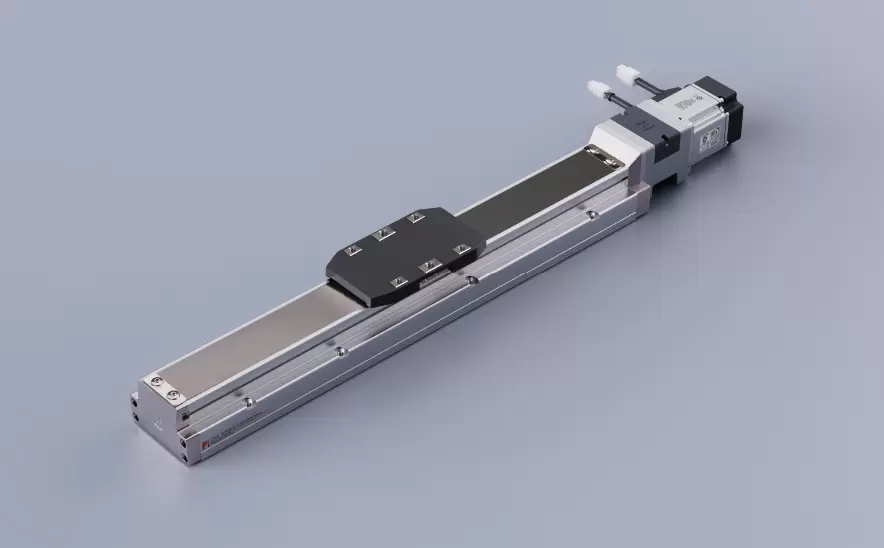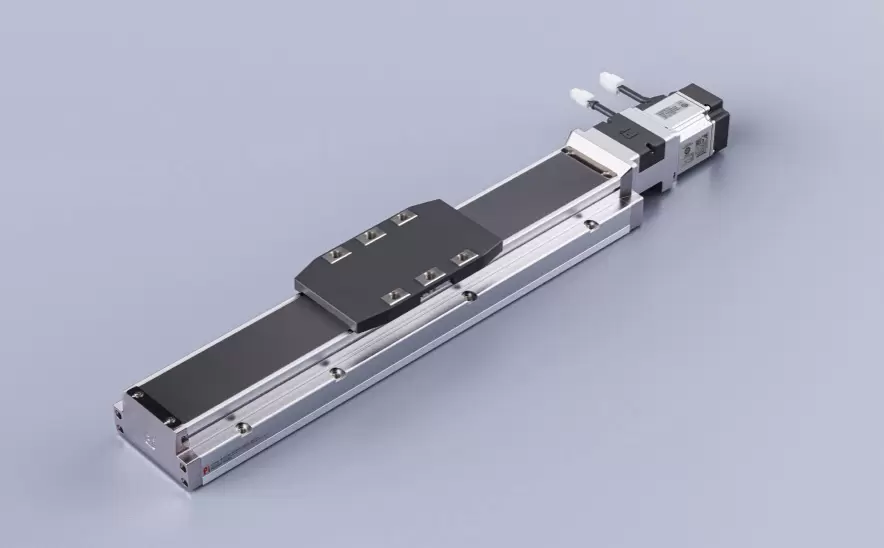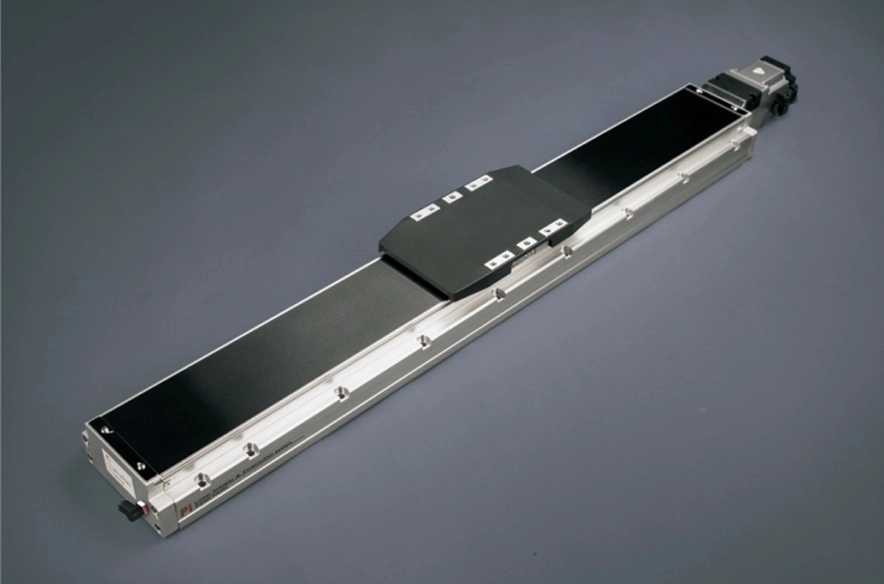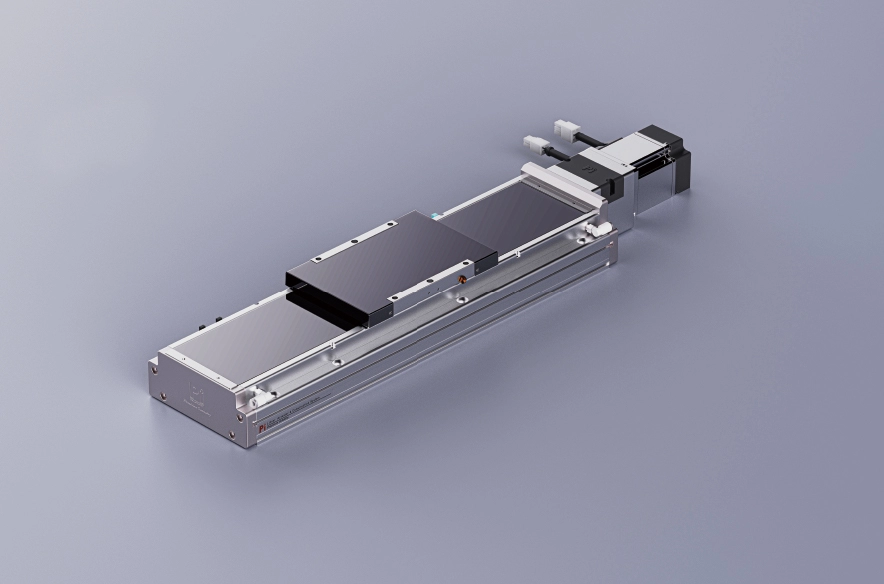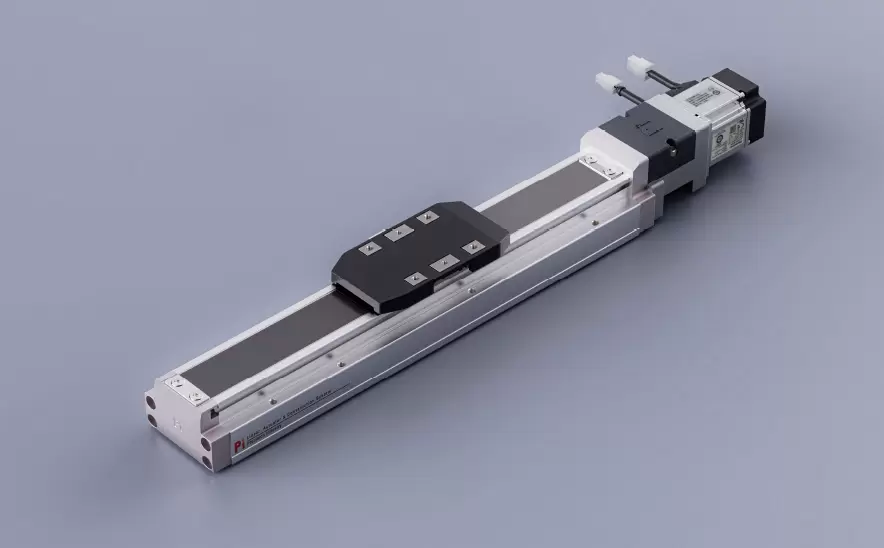
Motor Bottom Side
Repeatability:±0.005/0.01mmHorizontal Load:150kgVertical Load:55kgMaximum Speed:2000mm/sTravel Range:100-1500mm

 Current location:Home > Company > News > Latest news > How to Compare Precision Positioning Slide Tables Based on Performance
 Date: Feb 11 2026
When selecting a precision positioning slide table, performance is the most critical factor to consider. The right slide table ensures that your system operates with accuracy, reliability, and efficiency, whether you're working with robotics, optics, CNC machinery, or any other high-precision application. However, not all precision slide tables are created equal, and comparing them based on their performance features can help you make an informed decision.
In this article, we’ll walk you through the key performance factors to evaluate when comparing precision positioning slide tables, and help you understand which characteristics matter the most for your specific needs.
The first and most obvious performance criterion for precision slide tables is their accuracy and precision. These two terms are often used interchangeably, but there is a subtle difference that’s worth noting:
Accuracy refers to the ability of the slide table to position an object exactly where it’s intended, measured as a distance from the target position.
Precision, on the other hand, refers to how consistently the slide table can return to the same position over multiple cycles, even if that position is slightly off the target.
Why It Matters: Depending on your application, you may require extreme accuracy, such as in semiconductor manufacturing or optical alignment systems, where micrometer or even sub-micron precision is crucial. For applications like material handling or industrial automation, you might not need as tight tolerances but still require good repeatability.
What to Compare: Look at the tolerance ratings and repeatability figures for each table. These are usually specified in microns or fractions of a millimeter and will tell you how much variation you can expect in your positioning.
Another important performance factor to consider is the load capacity of the slide table. The load capacity determines how much weight the table can handle while still maintaining its precision. For many industrial applications, the slide table will need to carry the weight of the workpiece, along with any other components of the system.
There are two key types of load to consider:
Static Load: This is the maximum weight the slide table can hold while stationary.
Dynamic Load: This refers to the weight the table can move while in operation, considering forces like acceleration and deceleration.
Why It Matters: If your application involves moving heavy components or machinery parts, you need a slide table with a higher dynamic load capacity. For delicate tasks like optical assembly or electronics handling, you might need a table with high stability and low deflection under load.
What to Compare: Look for the maximum load ratings for both static and dynamic loads. Be sure to select a slide table with a load capacity that exceeds the weight of your components, factoring in any additional dynamic forces during operation.
The speed at which a precision slide table operates can impact the overall performance of your system. For automated production lines or robotic arms, a higher-speed slide table is critical to maintaining throughput and meeting productivity goals. Similarly, the acceleration (how quickly the table can reach its maximum speed) plays a key role in efficiency.
Why It Matters: If your application involves high-throughput or requires the slide table to complete many cycles in a short amount of time, speed and acceleration are crucial. Conversely, if your system requires controlled movement with minimal vibrations—such as in microscopy or precision assembly—you’ll need to balance speed with smoothness.
What to Compare: Compare the maximum speed and acceleration capabilities of each model. High-speed models may be best for automated material handling, while slower speeds with smooth acceleration might be required for fine-positioning tasks.
The stroke length refers to how far the slide table can travel along its axis, while the travel range is the maximum displacement available. For some applications, you may need a slide table that can travel long distances, while for others, a short travel range might suffice.
Why It Matters: If you're dealing with systems that need to cover large areas, such as in large-format laser cutting or material processing, a longer stroke length is essential. On the other hand, applications that require high precision over small distances (like laser alignment or testing equipment) can function well with a shorter travel range.
What to Compare: Check the stroke length specifications and ensure it meets your system's requirements. Some models offer adjustable stroke lengths, giving you the flexibility to tailor the system to your needs.
The actuation mechanism plays a key role in determining the slide table’s movement speed, smoothness, and repeatability. There are several types of actuation mechanisms, each offering different advantages:
Manual Actuation: Manual slide tables are controlled by hand, making them suitable for low-volume, non-automated applications.
Electric Actuation: Motorized tables use electric motors for precision control. They offer high repeatability, speed, and programmable motion, making them ideal for automated systems.
Pneumatic Actuation: Pneumatic slide tables are powered by compressed air. They provide smooth motion with high force output, making them suitable for applications in industrial environments where heavy lifting is required.
Hydraulic Actuation: Hydraulic systems can offer even higher force and stability than pneumatic systems, suitable for high-load applications like pressing or heavy lifting.
Why It Matters: The actuation type determines the control and power available for your application. For example, electric actuation offers precise control and is often used in robotics, while pneumatic or hydraulic systems are better for heavy-duty applications.
What to Compare: Depending on your application, compare the actuation types that are best suited for your performance needs. If automation and control are key, electric actuation is likely your best choice.
For high-precision applications, maintaining a stable, vibration-free environment is crucial. Vibration can introduce errors, especially in tasks like laser cutting, microscopy, or semiconductor assembly.
Why It Matters: A slide table with high stiffness and low deflection will ensure that any external forces or vibrations don’t affect the precision of the movement. If your application requires extreme precision, look for models that offer integrated vibration dampening or high-rigidity designs.
What to Compare: Check the rigidity and vibration control features of each slide table. Many high-performance models use ball bearing guides, air bearings, or composite materials to reduce vibration and improve overall stability.
Environmental conditions can significantly impact the performance and lifespan of precision slide tables. If you are working in a dusty, moist, or high-temperature environment, it’s essential to select a slide table designed to withstand those conditions.
Why It Matters: Slide tables used in clean rooms, laboratories, or outdoor applications need to have sealed bearings, corrosion-resistant materials, or temperature-resistant components to ensure their performance and longevity.
What to Compare: Look at the environmental ratings, such as IP ratings (Ingress Protection), for each slide table. Choose one that meets the demands of your operating environment to ensure long-term reliability.
When comparing precision positioning slide tables based on performance, it's important to evaluate key factors such as accuracy, load capacity, speed, actuation type, and environmental suitability. By understanding the specific needs of your application and aligning them with the right slide table features, you can ensure optimal performance, enhanced productivity, and long-term reliability.
Start by assessing your system's requirements and match them with the performance specifications that matter most. This careful analysis will guide you toward the perfect precision slide table for your needs, whether you’re working in automation, robotics, or any high-precision field.