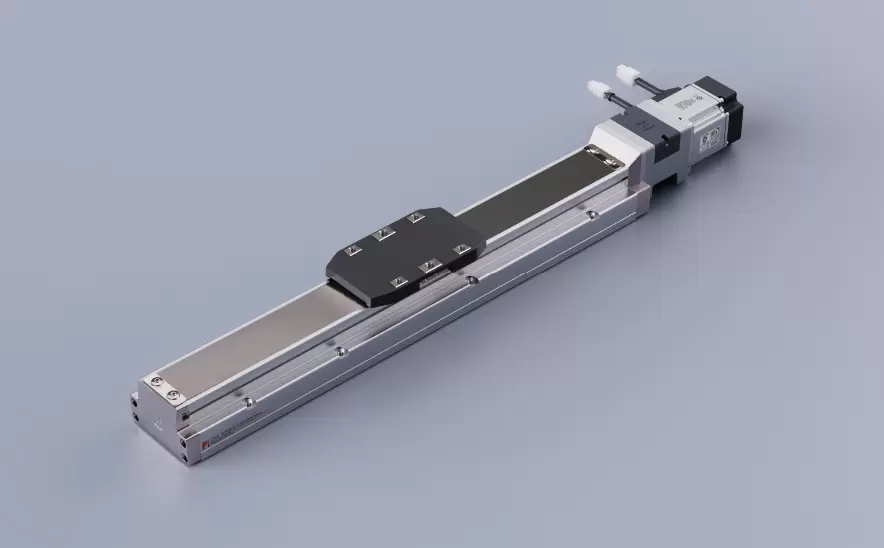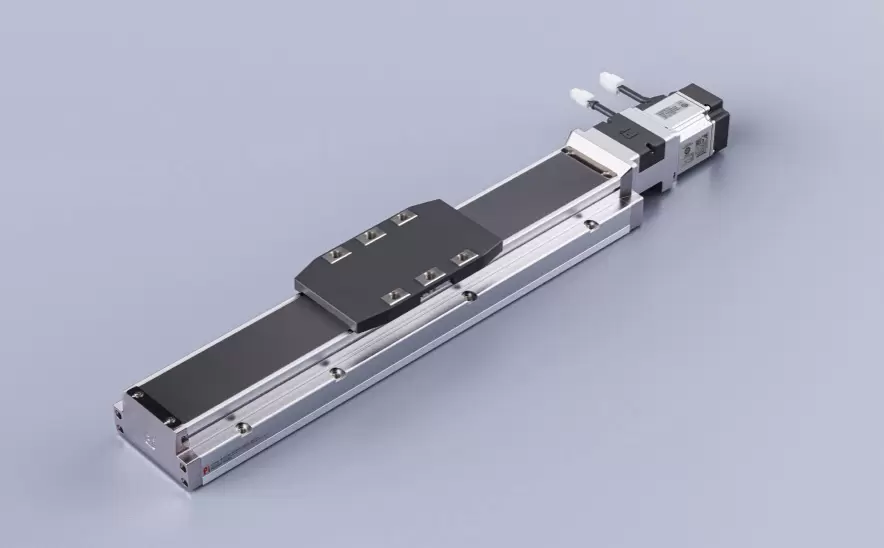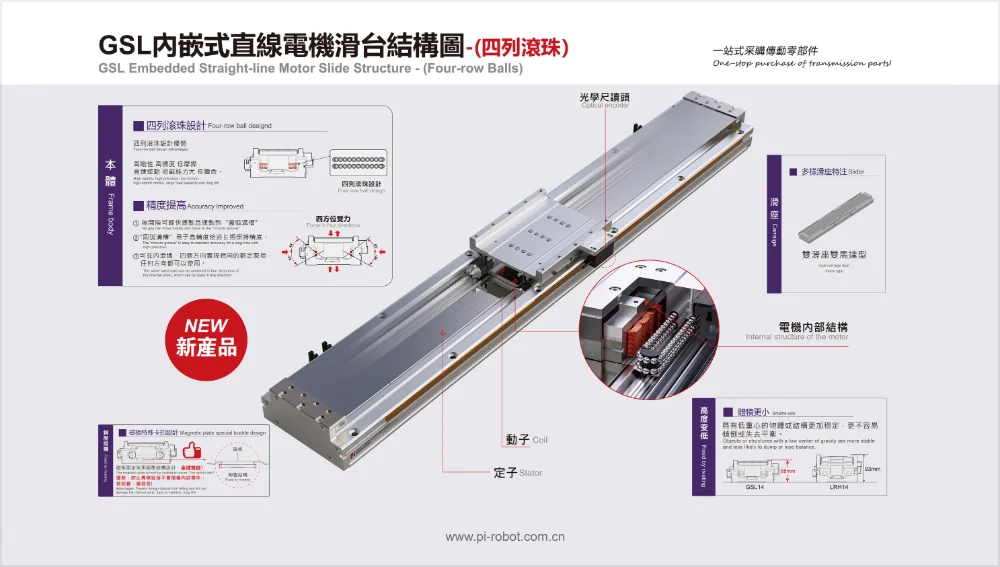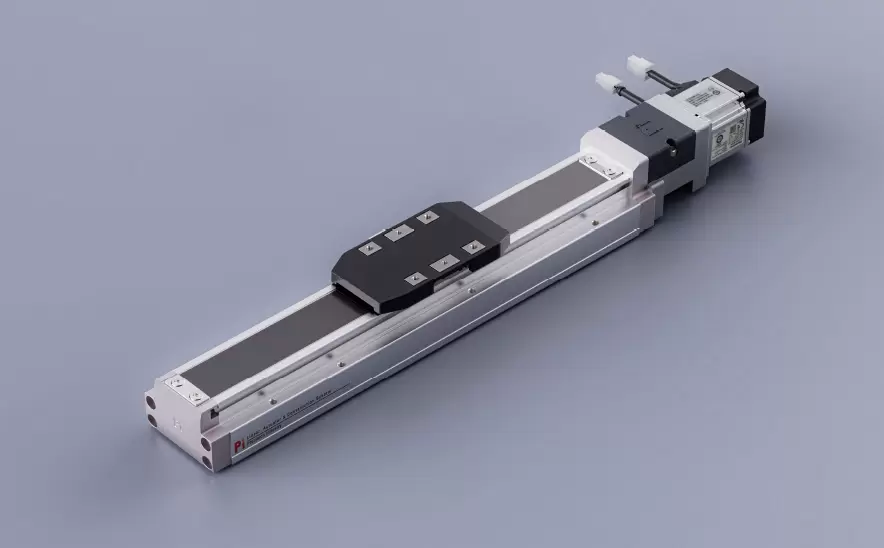
Motor Bottom Side
Repeatability:±0.005/0.01mmHorizontal Load:150kgVertical Load:55kgMaximum Speed:2000mm/sTravel Range:100-1500mm

 Current location:Home > Company > News > Latest news > What You Need to Know Before Investing in a Precision Positioning Slide Table
 Date: Feb 11 2026
Investing in a precision positioning slide table is a significant decision for any industry that requires high accuracy and reliability in positioning, whether for robotics, optical systems, semiconductor manufacturing, or automated machinery. A precision slide table helps ensure that components are moved with the exact precision necessary for optimal performance. However, choosing the wrong one can lead to wasted resources, downtime, and compromised system performance.
Before making your purchase, it’s crucial to understand several key factors that will influence your decision. In this article, we’ll walk you through the most important considerations you need to keep in mind before investing in a precision positioning slide table.
The first step in selecting the right slide table is to clearly define the specific requirements of your application. The precision, load capacity, speed, and range of motion needed will all depend on what the table is being used for.
Precision and Repeatability: If your application demands micron-level precision or even sub-micron accuracy (for example, in optical testing or semiconductor manufacturing), you need a slide table with extremely tight tolerances and repeatability. On the other hand, if your task involves less demanding positioning, such as simple material handling or assembly, less precision may be sufficient.
Load Capacity: Consider the weight of the components that will be moved or positioned. Will your slide table be holding or moving lightweight components, or will it need to support heavier loads, like robotic arms or heavy machinery parts?
Speed and Travel Range: Some applications require fast movements and long travel distances, while others need slow, controlled movements for delicate tasks.
What to do: Write down the precise needs of your operation—whether that’s fast, repeated movements, or high-precision, low-speed positioning. This will serve as your foundation for evaluating slide tables.
Precision positioning slide tables come in different types, each suited to specific types of movement. The type you choose will depend largely on the type of motion required for your application.
Linear Slide Tables: Provide movement along a single axis, making them perfect for tasks that require linear displacement, such as CNC machining or assembly lines.
Rotary Slide Tables: If you need rotational movement, rotary tables provide precision in turning or positioning components around a fixed axis. These are great for indexing applications or rotating systems.
XY Tables: Combining two linear axes, XY tables are ideal when both horizontal and vertical positioning is required simultaneously. They’re often used in robotic pick-and-place systems or laser cutting equipment.
Z-Axis Tables: These provide vertical movement and are often paired with XY tables to offer full 3D movement, essential in microscopy, robotic arms, or 3D printing applications.
What to do: Evaluate the type of motion required. If your application only requires linear motion, a linear slide table is sufficient, but if you need more complex positioning, an XY or Z-axis table might be necessary.
One of the most important decisions when selecting a slide table is whether to choose a manual or motorized system. Both have their advantages and disadvantages, depending on your application.
Manual Actuation: These slide tables are often simpler, less expensive, and suitable for low-volume applications or situations where human operators are involved. They’re ideal for non-automated processes or where movement only needs to be adjusted periodically.
Motorized Actuation: Motorized slide tables are more suitable for applications requiring high-speed movement, precise control, or integration with automated systems. They offer programmable movement, ensuring high repeatability and reducing human error. Motorized systems can be powered by stepper motors, servo motors, or DC motors depending on your application’s needs.
What to do: If you require automated control or precise, repeated movements, a motorized slide table is likely the better choice. If the movements are less frequent or less complex, a manual system may suffice.
The operating environment can significantly impact the performance and longevity of your precision slide table. If your application involves harsh conditions—such as dust, moisture, extreme temperatures, or chemical exposure—it’s essential to choose a slide table designed for such environments.
Cleanroom Environments: If you’re working in a cleanroom or a controlled environment, ensure the table is made from materials that are non-contaminating and have sealed components to prevent dust or debris buildup.
Corrosive Environments: For environments where chemicals or moisture are present, you should opt for slide tables made of stainless steel or other corrosion-resistant materials to extend the table’s life.
Temperature Extremes: If your table will be exposed to high or low temperatures, look for high-performance bearings and materials that can withstand the conditions without losing their accuracy or functionality.
What to do: Assess the environmental conditions in which the slide table will operate and select one that is built to withstand those challenges. If necessary, look for models with sealed bearings or IP-rated enclosures for dust and moisture protection.
Like any industrial equipment, a precision positioning slide table requires proper maintenance to ensure longevity and optimal performance. The cost of ownership can significantly increase if you have to spend a lot of time and money on repairs and upkeep.
Sealed Systems: Look for tables with sealed bearings and self-lubricating components to reduce the need for frequent maintenance.
Material Quality: High-quality materials such as stainless steel and anodized aluminum are more durable and resistant to wear and corrosion, ensuring a longer service life.
Lubrication: Some models come with auto-lubrication systems that minimize downtime and maintenance efforts, while others may require manual lubrication.
What to do: Check the manufacturer’s recommended maintenance schedule and choose a slide table with a reputation for reliability and durability. If you don’t have the resources for frequent maintenance, opt for low-maintenance designs.
In many cases, your precision slide table will be part of a larger automation system, such as a robotic arm, vision system, or CNC machine. The ability to integrate seamlessly with other equipment is a critical consideration.
Control Systems: Ensure the slide table is compatible with your existing control systems, whether they are PLC-based or PC-based.
Communication Protocols: Many motorized tables use communication protocols like Ethernet, Modbus, or RS-232 for integration with other systems. Make sure the table can communicate with your automation setup.
What to do: Check the slide table’s interface options and ensure it can easily integrate with your other equipment. Verify that it supports your automation platform and can be easily programmed for synchronized movements.
While it’s tempting to choose the least expensive option, it’s important to consider the total cost of ownership (TCO). The initial price is just one part of the equation; you’ll also need to account for maintenance, operational costs, and the potential downtime caused by a poorly performing system.
Upfront Costs: Consider the initial purchase price, which will vary depending on features like actuation type, materials, and precision.
Ongoing Costs: Think about how much you will spend on maintenance, lubrication, and replacement parts over the lifespan of the slide table.
Energy Efficiency: Some motorized systems consume more power than others, so consider energy consumption if your system operates continuously.
What to do: Factor in all potential costs, including maintenance, downtime, and energy usage. In many cases, spending a bit more upfront on a higher-quality, low-maintenance slide table will save money in the long run.
Investing in a precision positioning slide table is a key decision that can have a significant impact on the performance and efficiency of your operations. By carefully considering the application requirements, type of motion, actuation mechanism, environmental conditions, and overall maintenance needs, you can choose the right system for your needs.
Taking the time to evaluate your needs and selecting the best slide table will ensure that your systems run efficiently and accurately, helping you achieve the precision and repeatability that are crucial for success in robotics, automation, machining, and other high-precision industries.