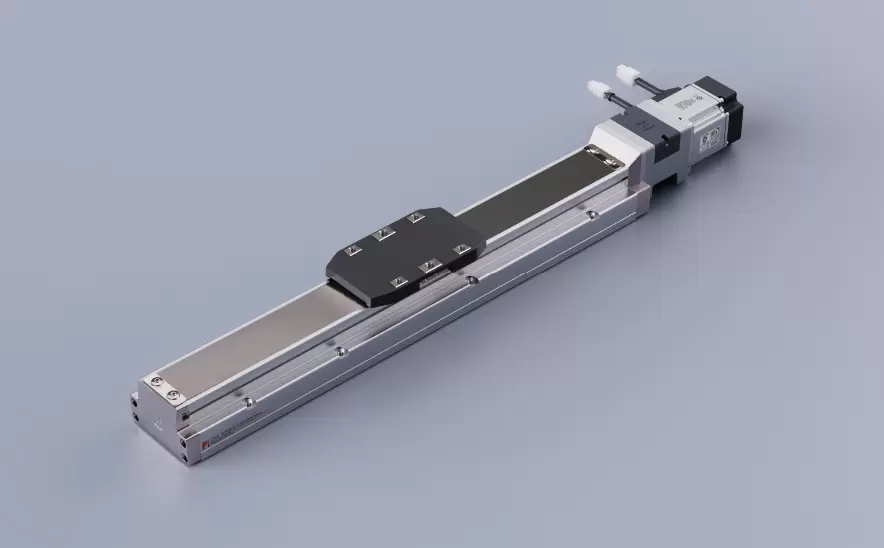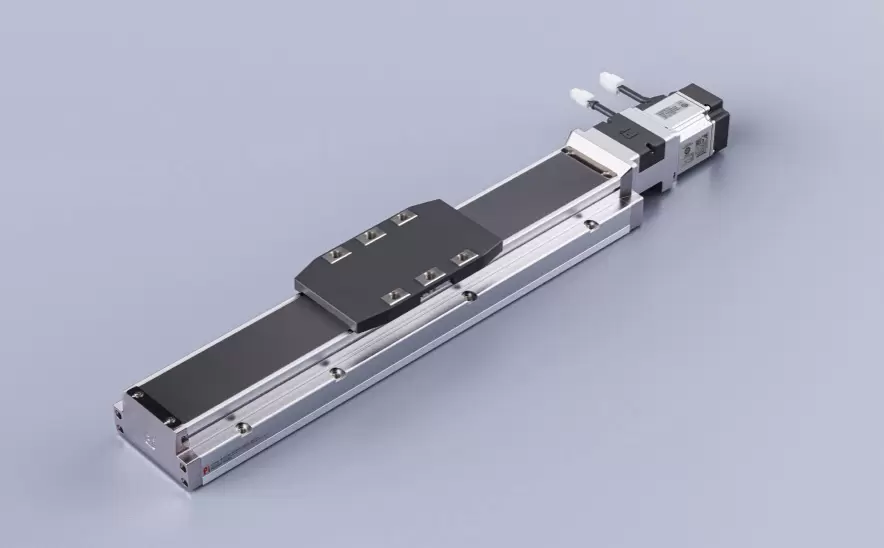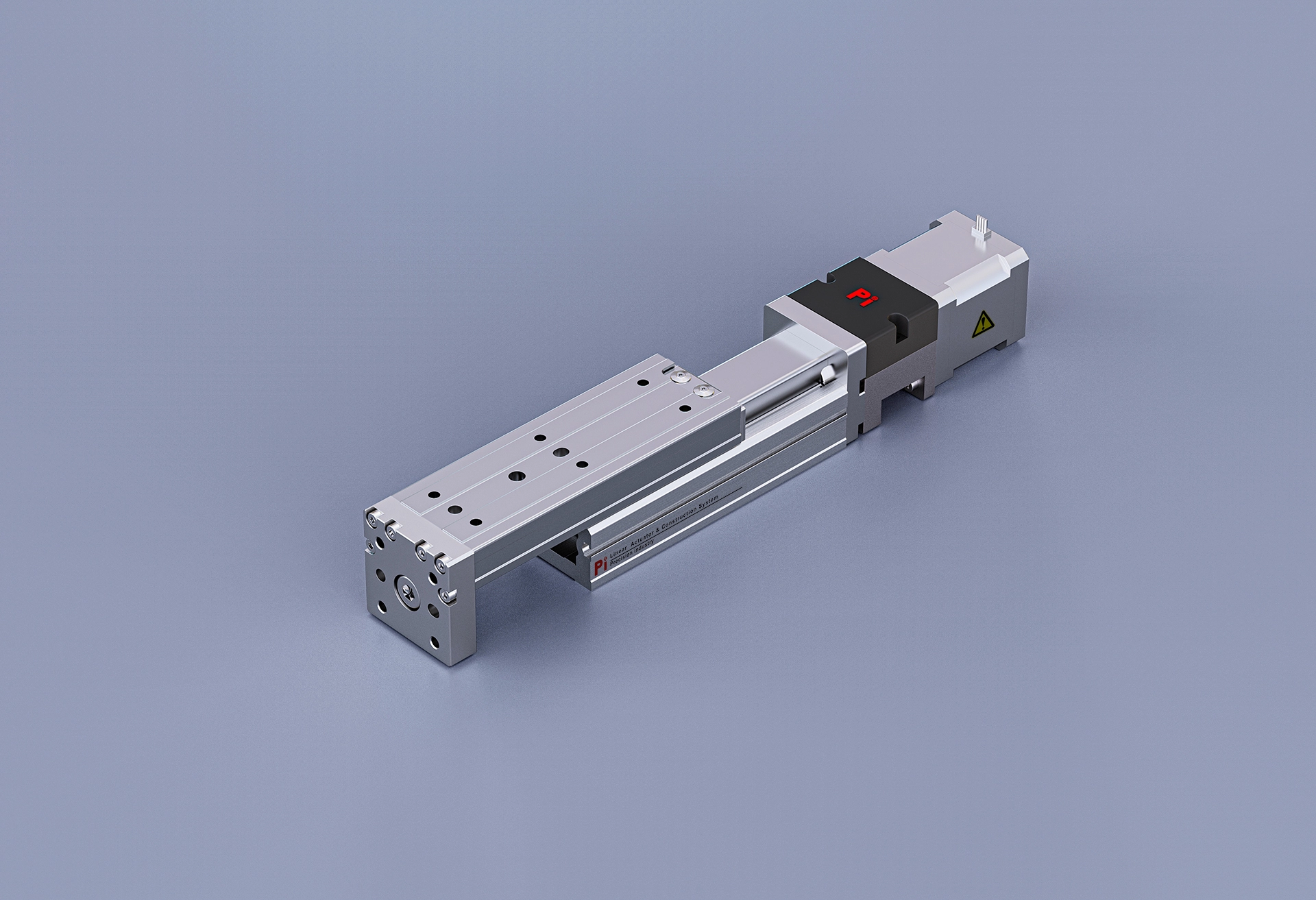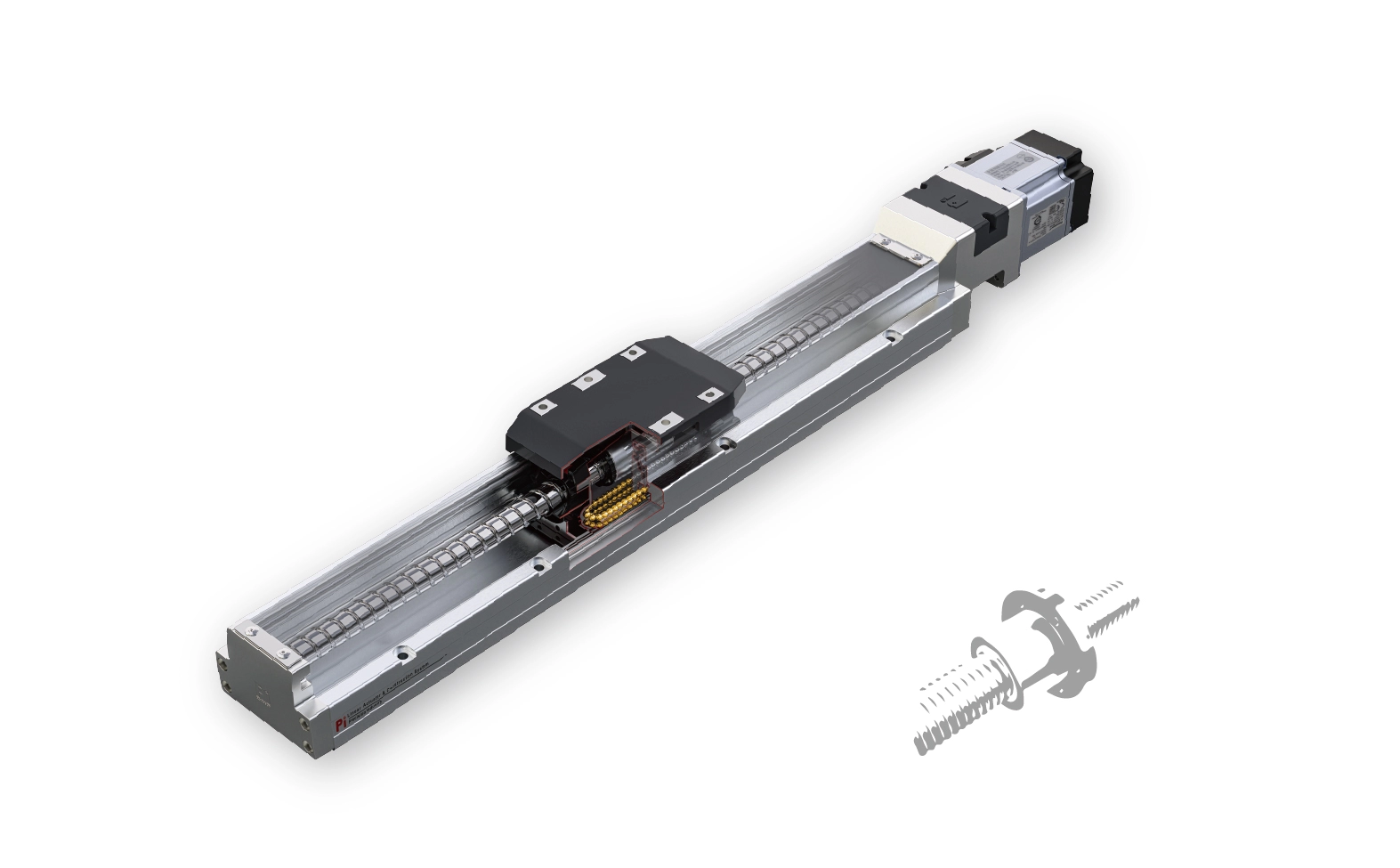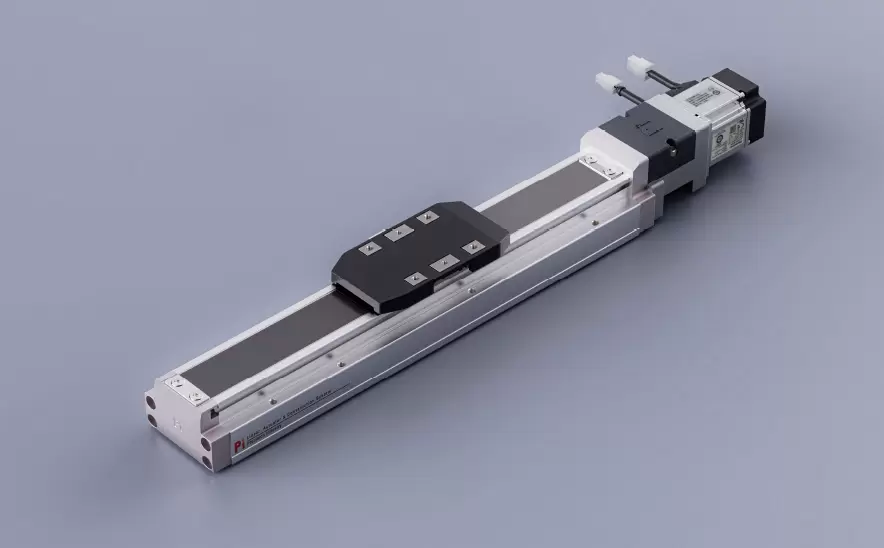
Motor Bottom Side
Repeatability:±0.005/0.01mmHorizontal Load:150kgVertical Load:55kgMaximum Speed:2000mm/sTravel Range:100-1500mm

 Current location:Home > Company > News > Latest news > Understanding the Different Types of Precision Positioning Slide Tables
 Date: Feb 11 2026
When it comes to precision positioning, selecting the right slide table is essential for ensuring accuracy, repeatability, and efficiency in your applications. Whether you're in automation, robotics, optics, or semiconductor manufacturing, the choice of slide table can greatly influence the performance of your systems. But with so many options available, it’s important to understand the various types of precision positioning slide tables and how to choose the one that best fits your needs.
In this article, we’ll break down the different types of precision positioning slide tables, their unique features, and which applications they’re best suited for.
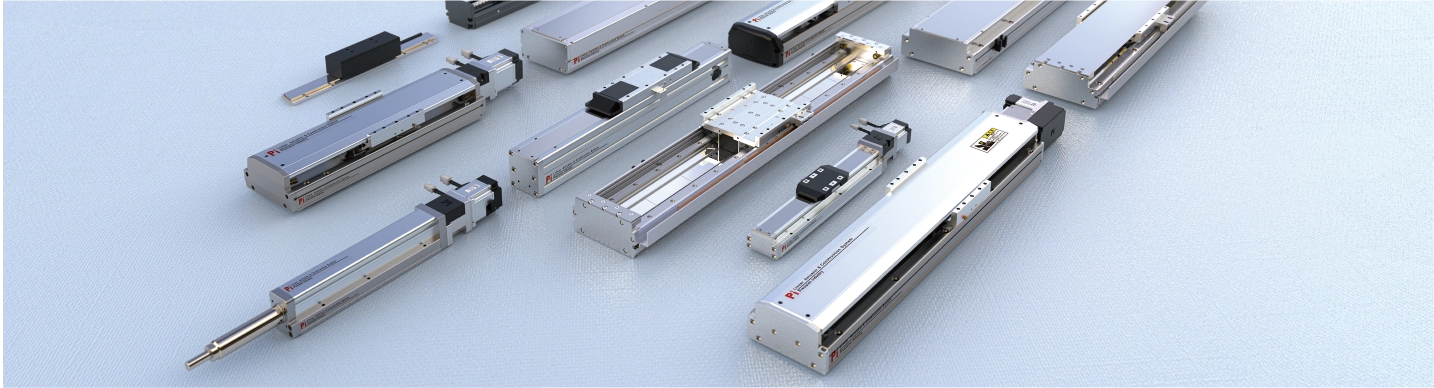
Linear slide tables are the most common type of precision positioning tables. They provide linear motion along a single axis, allowing for smooth and precise positioning. These tables are typically equipped with linear guides or rails that minimize friction, ensuring that the table moves with high accuracy and minimal resistance.
Key Features:
Single-axis motion: Ideal for tasks that require linear displacement.
Low friction: Helps achieve smooth movement, especially when used with ball bearings or air bearings.
Variety of stroke lengths: Available in both short and long travel ranges.
Best For: Linear slide tables are commonly used in automated assembly systems, precision machining, optical alignment, and robotic arms where movement needs to be confined to one direction.
While linear slide tables are ideal for straight-line movements, rotary slide tables provide circular motion along a single axis, typically used for tasks that require turning or rotating objects. These tables rotate components around a fixed center point, which can be crucial for applications like rotational positioning or angular adjustments.
Key Features:
Circular motion: Provides rotational movement along an axis.
Compact design: Often used in smaller spaces where rotary movement is necessary.
High torque capability: Some models can handle high loads without sacrificing precision.
Best For: Rotary slide tables are perfect for tasks like sorting, indexing, or assembling components where rotation is needed, such as in packaging machines, conveying systems, or testing equipment that involves rotating parts or instruments.
An XY slide table combines two linear axes—X and Y—to provide movement in both the horizontal and vertical directions. This type of table is ideal for multi-directional positioning, allowing for more flexibility and precision in applications that require complex motion paths or the ability to move components across two planes.
Key Features:
Dual-axis movement: Combines two linear slide tables into one system.
High precision: Often used with linear guides or crossed roller bearings to ensure tight tolerances.
Compact footprint: Designed to save space while providing flexible movement.
Best For: XY tables are widely used in CNC machines, laser cutting systems, automated pick-and-place machines, and testing platforms where both horizontal and vertical movement are required simultaneously.
The Z-axis slide table allows for vertical movement along a single axis. While linear tables provide motion in the X and Y directions, the Z-axis adds an additional dimension of movement, which is often required for lifting, lowering, or positioning objects with precision.
Key Features:
Vertical movement: Focuses on precise control of height or elevation.
Stackable: Can be combined with XY tables to create a full 3D motion system.
Often motorized: Provides controlled lifting or lowering of components.
Best For: Z-axis tables are typically used in vertical positioning applications, such as robotic arms that require lifting or lowering objects, or microscopy systems where objects need to be moved with high precision along the Z-axis for focused viewing.
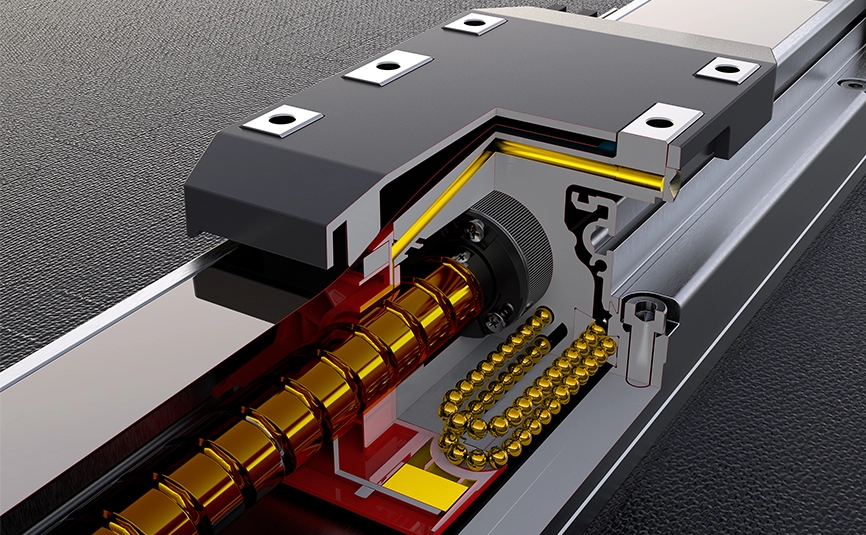
Motorized precision positioning slide tables are equipped with an electric motor that automates the movement of the table. These systems provide high repeatability and programmable motion, making them suitable for applications that require consistent and reliable movement over time. Motorized slide tables are often used in high-speed, automated environments.
Key Features:
Automated motion: Provides programmable and consistent movement.
Variety of actuators: Can be powered by stepper motors, servo motors, or DC motors depending on the required speed and precision.
Repeatability: Ensures precise, repeated movement cycles without manual intervention.
Best For: Motorized slide tables are ideal for robotic automation, assembly lines, packaging systems, and laboratory equipment where high-precision and high-speed automation are required.
Pneumatic and hydraulic slide tables are powered by compressed air or pressurized fluid, respectively. These tables offer smooth, high-force motion and are ideal for applications that require powerful, precise movement but do not need the fine control of electric systems. Pneumatic and hydraulic tables are typically used in heavy-duty industrial environments.
Key Features:
High-force movement: Capable of handling heavy loads with smooth, controlled motion.
Flexible control: Pneumatic systems can provide quick, repeatable movement, while hydraulic systems offer greater force and control.
Durable: Suitable for harsh, heavy-duty environments.
Best For: Pneumatic and hydraulic slide tables are most commonly used in industrial automation, material handling systems, press machines, and applications that require substantial lifting force or robust movement, such as automated welding or robotic assembly in manufacturing.
Some applications require unique positioning setups that cannot be met with off-the-shelf solutions. Customizable and modular slide tables allow users to adjust various parameters, such as stroke length, actuation type, or support systems, to create a system tailored to specific needs.
Key Features:
Flexible configurations: Modular systems allow for customization based on unique requirements.
Scalable: Modular designs can be scaled up or down depending on the complexity of the project.
Easier integration: Can be adapted to fit with other systems, such as robotic arms, conveyors, or inspection systems.
Best For: Customizable and modular slide tables are ideal for complex automation projects, prototyping, and research applications where flexibility, scalability, and adaptability are key factors.
Choosing the right type of precision positioning slide table is essential for ensuring that your system meets the necessary precision, load capacity, and speed requirements. Understanding the differences between the various types of slide tables—linear, rotary, XY, Z-axis, motorized, pneumatic, and hydraulic—will help you select the ideal solution for your application.
Whether you're working in robotics, manufacturing, optics, or automation, choosing the right slide table ensures that your system operates efficiently and effectively, allowing you to achieve high-precision results with minimal downtime. By considering factors such as motion type, load capacity, actuation method, and environmental requirements, you can make a well-informed decision that fits your project’s needs perfectly.