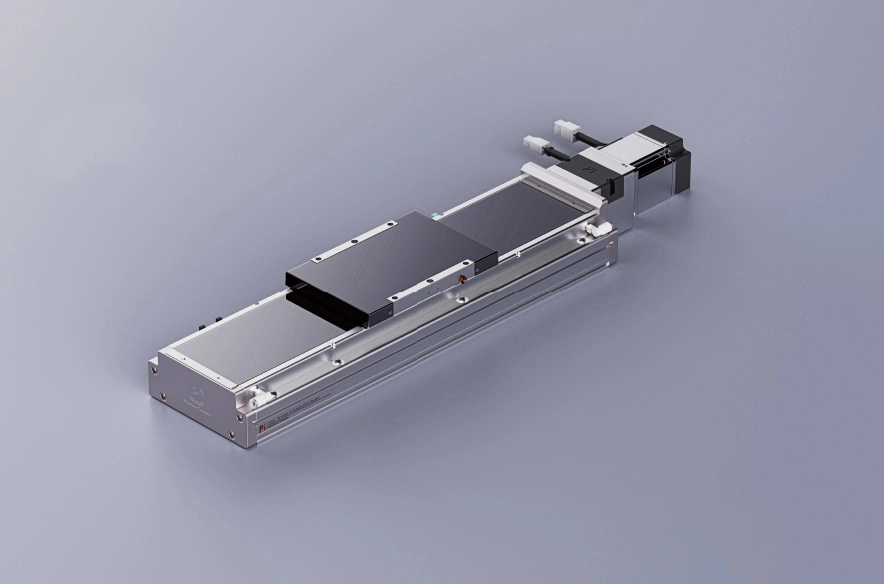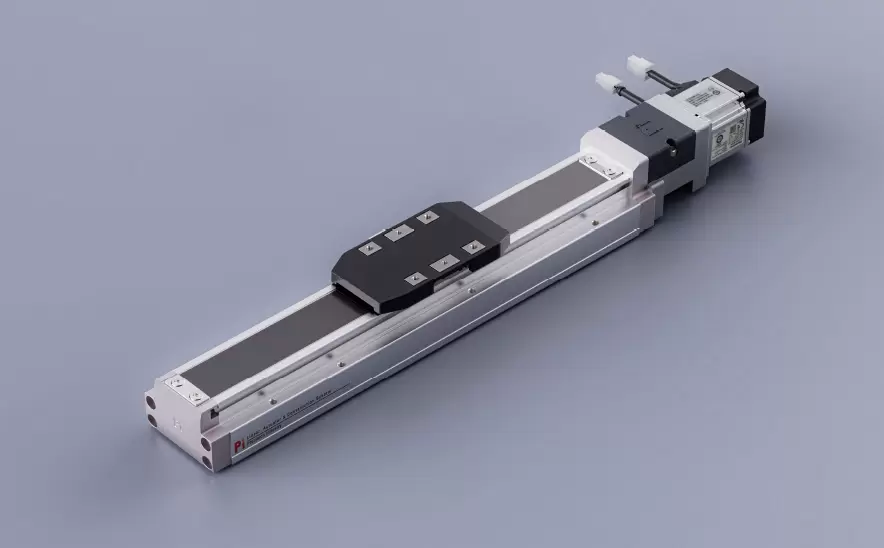
Motor Bottom Side
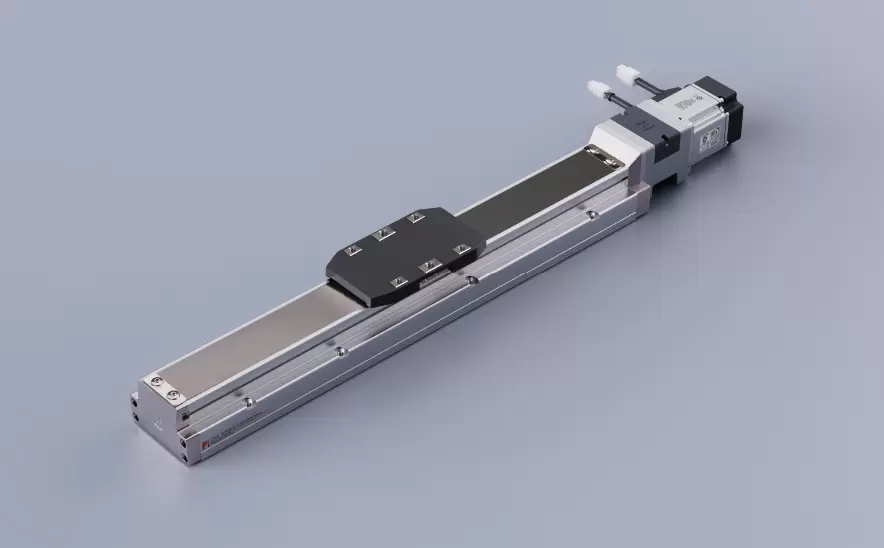
Repeatability:±0.005/0.01mmHorizontal Load:150kgVertical Load:55kgMaximum Speed:2000mm/sTravel Range:100-1500mm

 Current location:Home > Company > News > Latest news > Best Practices for Selecting a Precision Positioning Slide Table for Robotics Applications
 Date: Feb 04 2026
When it comes to robotics, precision is everything. Whether you're building automated assembly systems, robotic arms, or precise movement modules, the precision positioning slide table you choose plays a crucial role in the success of your robotics application. A slide table with the wrong specifications can lead to inaccuracies, inefficiencies, and even system failures.
Selecting the right precision positioning slide table requires careful consideration of several factors, such as load capacity, precision, speed, and environmental factors. In this article, we will discuss the best practices for selecting a slide table that will help you achieve optimal performance and reliability in your robotics systems.
Precision and repeatability are at the core of any robotic application. Whether you're positioning components, aligning parts, or ensuring the robot moves with exact precision, the precision positioning slide table must meet the specific accuracy requirements of your task.
Precision refers to the ability to achieve accurate positioning, typically measured in microns or sub-microns.
Repeatability is the ability to return to the same position with minimal error after multiple cycles, which is essential for robotic systems that require consistent performance over time.
Best practice: Start by defining the level of accuracy and repeatability your robotics application demands. For tasks requiring fine movements, such as optical assembly or small part handling, look for a slide table that offers sub-micron precision. For less demanding tasks, like material handling, a micron-level precision may suffice.
In robotics, the slide table often supports not just the robot itself but also additional payloads like tools, workpieces, or machinery components. The load capacity of the precision positioning slide table should comfortably support both the static and dynamic loads that will be applied during operation.
There are two main factors to consider:
Static Load: The weight the table can handle when it is stationary.
Dynamic Load: The weight the table can support when it is in motion. Moving loads can create additional forces due to acceleration, deceleration, and inertia, so this is an important consideration.
Best practice: Calculate the total weight of the components your robotics system will move and ensure that the slide table’s load capacity exceeds this by a sufficient margin. Additionally, consider the dynamic forces involved during rapid movement or stops. Choose a slide table that maintains stability and accuracy under load, with minimal flexing or shifting.
Speed and travel range are critical factors when selecting a precision positioning slide table for robotics applications. Depending on your system's design and function, you may need the table to move quickly over long distances, or you may require slower, more controlled movements for high-precision tasks.
Speed: This refers to how quickly the table can move along its axis. For applications that require rapid positioning, such as automated assembly lines, speed is a significant consideration.
Travel Range: This is the maximum distance the slide table can travel. Ensure the slide table provides enough stroke length to meet your robotics system's requirements.
Best practice: Assess your robotic application’s needs. For high-speed tasks, like robotic pick-and-place operations, select a motorized slide table with a high speed rating. For tasks requiring slower, more controlled movements, such as precision component placement, choose a table that can operate with low acceleration and deceleration rates. Also, verify that the travel range is sufficient for your system’s full range of motion.
The type of actuation used to move the slide table can significantly impact the performance of your robotic system. The most common types of actuation for precision slide tables are manual, motorized, and pneumatic/hydraulic systems.
Manual Actuation: While manual systems are simple and cost-effective, they may not be suitable for high-speed or automated robotics applications. They are better suited for low-volume, one-off tasks where human intervention is acceptable.
Motorized Actuation: For most robotics applications, motorized slide tables are preferred. They offer programmable, repeatable motion and can be integrated into automated systems. Choose between stepper motors, servo motors, or DC motors based on your required speed and control needs.
Pneumatic or Hydraulic Actuation: Pneumatic or hydraulic systems are often used in high-force, heavy-duty applications, like industrial robots that need smooth and powerful movement.
Best practice: If your robotics system requires high precision, speed, and repeatability, opt for a motorized slide table. Consider servo motors or stepper motors for the best control and integration with automated systems. If your application requires smooth and high-force movement, a pneumatic or hydraulic system may be appropriate.
In many robotics applications, the slide table is just one part of a larger, more complex system. The ability to integrate the slide table seamlessly with other components, such as robotic arms, control systems, and vision systems, is critical for achieving optimal performance.
Software Integration: Ensure the slide table is compatible with your robot’s control software, allowing for seamless communication and movement coordination.
Mechanical Compatibility: Check if the slide table can easily integrate with other parts of your system, such as the robotic arm or gripper.
Best practice: Choose a slide table that offers easy integration with your robot’s existing systems, including compatibility with common communication protocols like Ethernet or RS-232. Look for models that support programmable control and can be synchronized with your robot’s movement and task sequences.
The operating environment of the robotic system plays a significant role in choosing the right slide table. Some robotics applications are used in harsh conditions where dust, moisture, temperature extremes, or chemical exposure could affect performance and longevity.
Cleanroom Requirements: If your system operates in a cleanroom or other controlled environments, make sure the slide table is dust-proof and made from materials that won’t shed particles.
Corrosion Resistance: For applications in wet or chemical-laden environments, such as food processing or medical robotics, opt for materials like stainless steel or anodized aluminum for corrosion resistance.
Best practice: Ensure the slide table is made from corrosion-resistant materials if you expect it to be exposed to harsh environments. Look for sealed bearings or self-lubricating systems to reduce the impact of dust, moisture, or chemicals on performance.
A robotics system that operates 24/7 requires equipment that is not only precise but also durable. The maintenance requirements of the slide table should be factored in to ensure it stays operational for the long term. Low-maintenance systems with self-lubricating components and sealed bearings can reduce downtime and improve reliability.
Best practice: Look for a slide table that requires minimal maintenance, especially if your robotic system is running continuously. Choose models with sealed systems that protect internal components from dirt and dust. Regular cleaning, lubrication, and inspection will help ensure longevity.
Choosing the right precision positioning slide table for robotics applications is crucial for the performance, reliability, and efficiency of your system. By carefully evaluating factors like precision, load capacity, actuation type, and environmental considerations, you can select a slide table that enhances the overall performance of your robotic system.
Follow these best practices to ensure that the slide table you choose meets the exact requirements of your robotics application, allowing for smoother operations, better accuracy, and greater durability over time. With the right slide table in place, your robotic system will be equipped to handle the demands of modern automation and precision tasks.