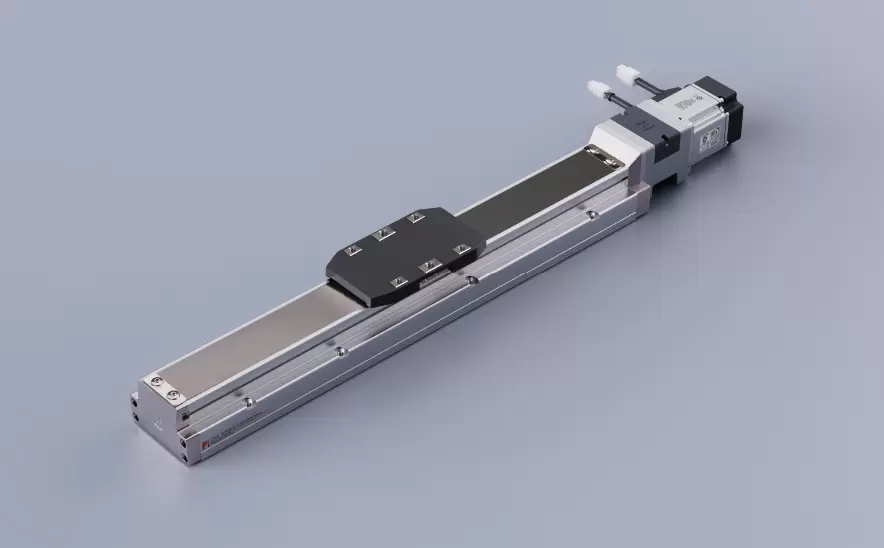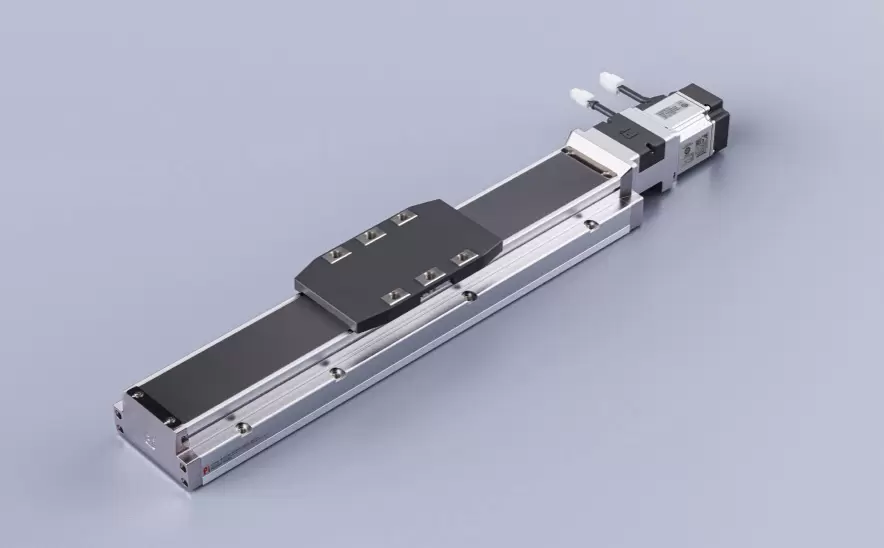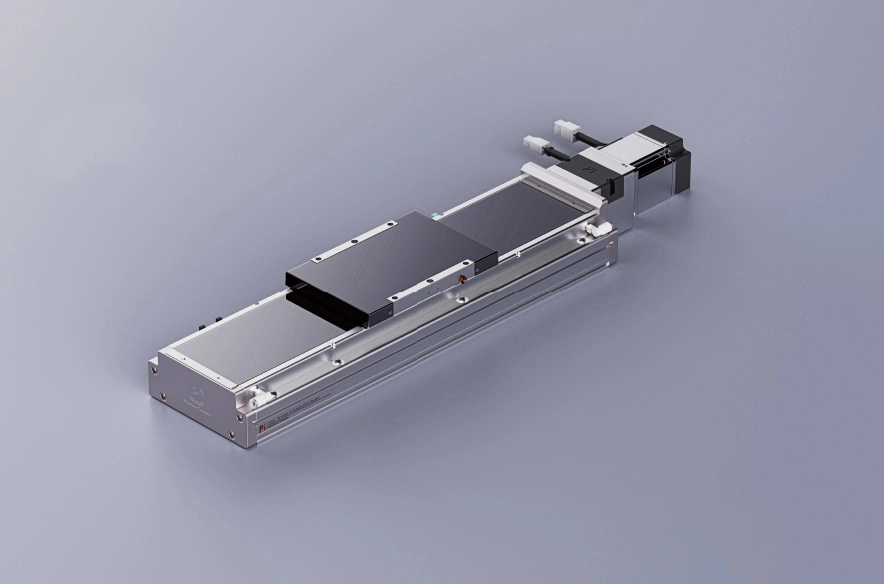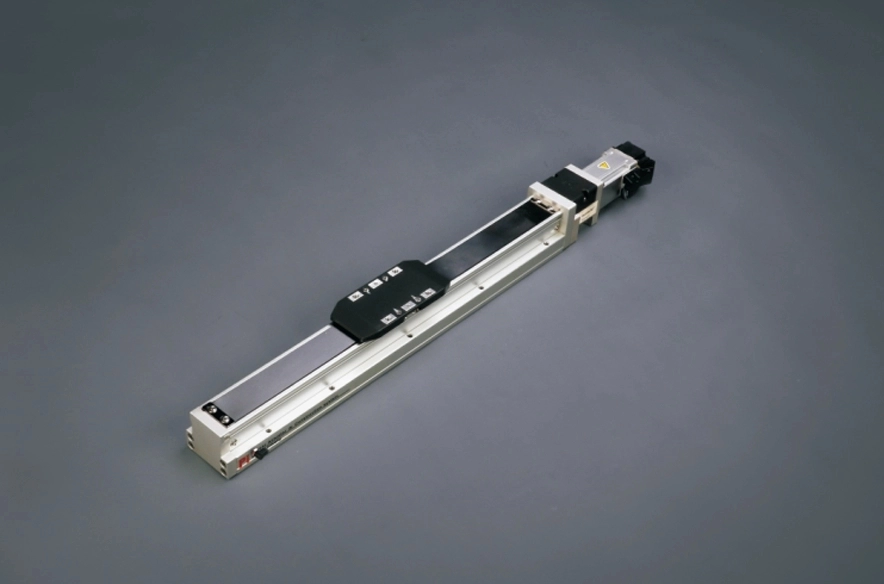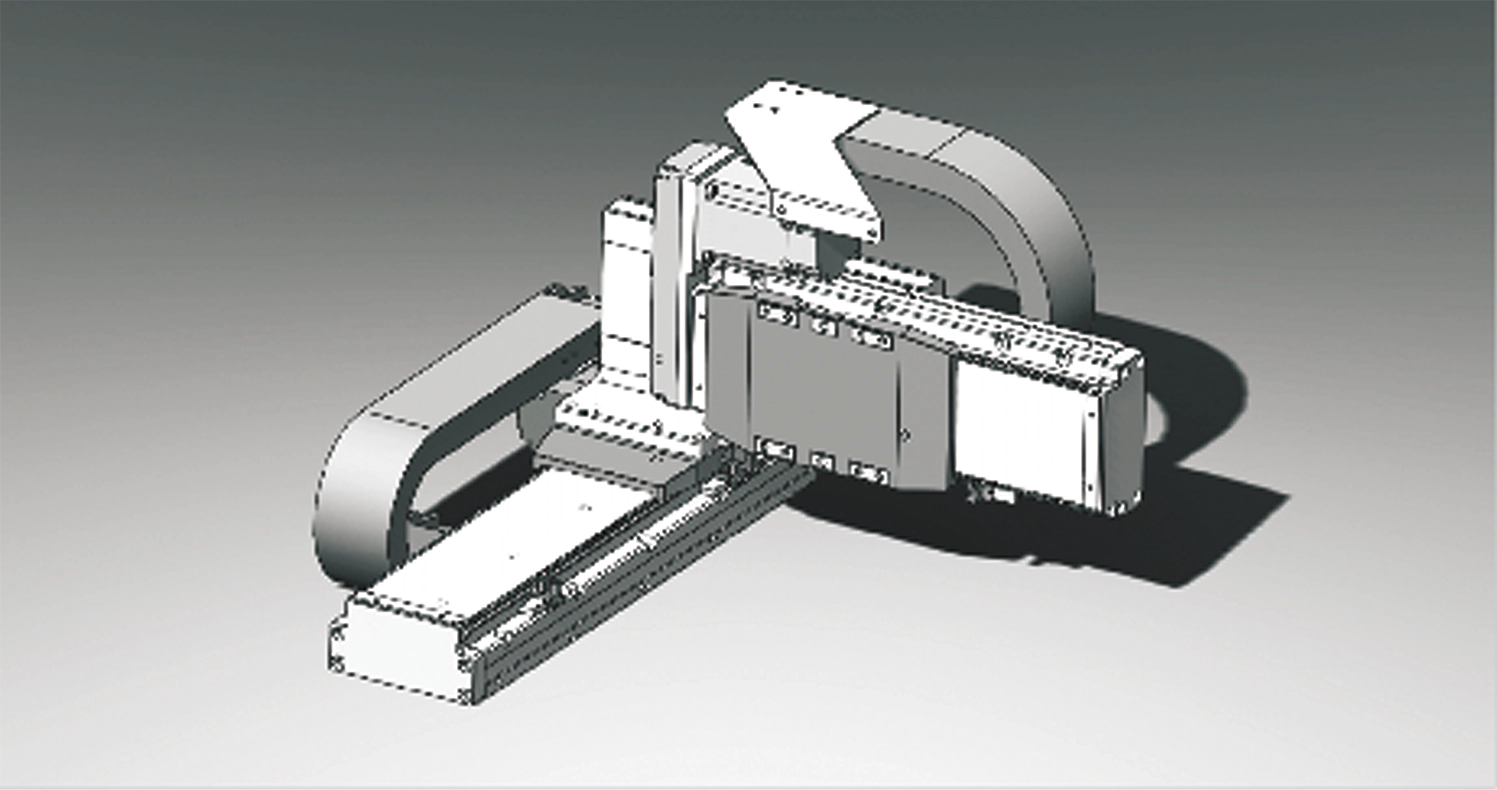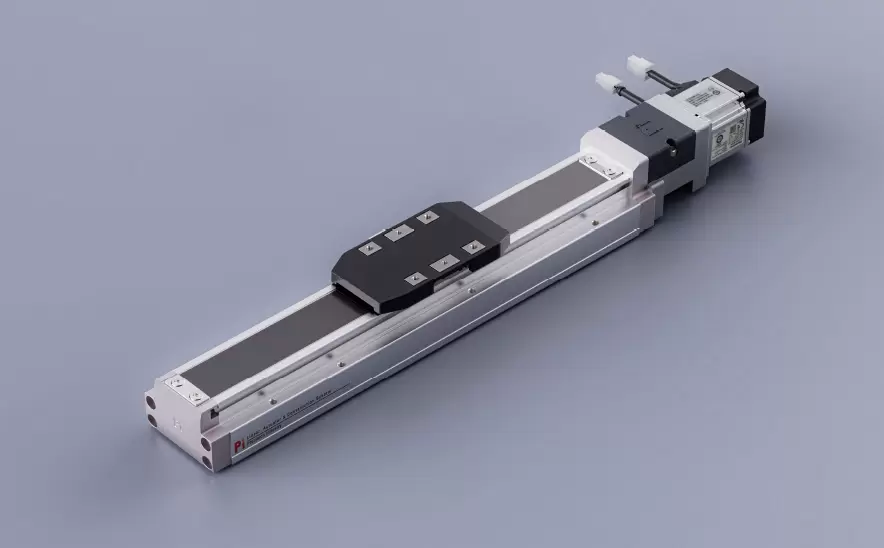
Motor Bottom Side
Repeatability:±0.005/0.01mmHorizontal Load:150kgVertical Load:55kgMaximum Speed:2000mm/sTravel Range:100-1500mm

 Current location:Home > Company > News > Latest news > How to Select the Right Precision Positioning Slide Table for Your Project
 Date: Jan 28 2026
Selecting the right precision positioning slide table for your project can seem like a daunting task, especially with the wide range of options available. Whether you're involved in robotics, automated manufacturing, optics, or any other field that requires precise movement and positioning, choosing the right slide table is crucial for the success of your project.
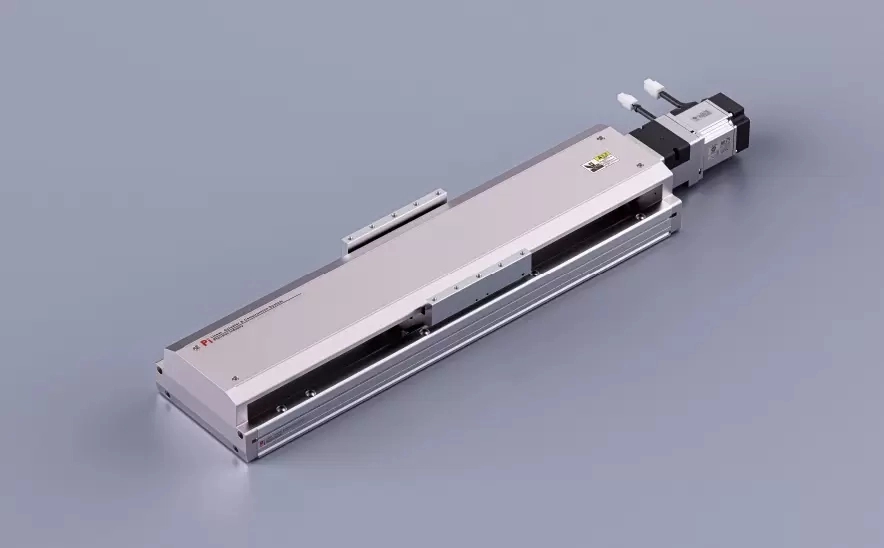
A precision positioning slide table is designed to move components with extreme accuracy and repeatability, making it an essential tool in many industries. In this article, we'll guide you through the process of selecting the right table for your specific needs, ensuring you make a well-informed decision that enhances the performance and efficiency of your project.
The first thing to consider when selecting a precision positioning slide table is the level of precision required for your project. Different industries have different standards when it comes to accuracy, so it’s essential to identify the precision needed to achieve your project goals.
For example:
Microscopy, optical systems, and semiconductor manufacturing typically require sub-micron or even nano-scale precision.
Automated assembly or robotics might be less demanding in terms of precision but still require micron-level accuracy.
To ensure the best performance, check for:
Linear accuracy: The table’s ability to position components accurately along its path.
Repeatability: The ability of the table to return to the same position with high consistency.
Backlash: This is the slight movement that can occur when reversing direction. Minimizing backlash is crucial for precise positioning.
Another critical factor is the load capacity of the precision slide table. Different projects will have different load requirements based on the weight of the components being moved.
For example, robotic systems and industrial machinery may require slide tables capable of handling heavier loads.
On the other hand, applications such as optical alignment or medical equipment assembly might involve much lighter components.
You should consider:
Maximum load capacity: Ensure the slide table can support the weight of your components without distorting or affecting its performance.
Dynamic load vs. static load: Determine whether the table will need to support loads while moving (dynamic load) or just when stationary (static load). Make sure the table is designed to handle both scenarios if necessary.
Travel range and stroke length are key considerations in selecting the right precision positioning slide table. These terms refer to the maximum distance the table can move along its axis, and they directly impact how much area your table can cover during operation.
Some things to keep in mind:
Do you need a longer stroke length for applications requiring movement over greater distances, like material handling or large-scale assembly?
Is a shorter stroke length sufficient for tasks requiring fine adjustments, such as optical alignment or micro-manufacturing?
If your project requires flexible movement, check if the slide table offers adjustable stroke lengths or is available in different sizes to suit various needs.
The actuation system of a precision positioning slide table determines how the table moves. The type of actuation you choose depends on the nature of your project and the precision required.
Manual actuation: This is often used for applications that don’t require frequent adjustments and can be operated by hand. It’s generally cheaper but not suitable for high-speed or automated processes.
Motorized actuation: If your project involves automation or requires precise, repeatable movements, a motorized slide table is the best choice. Motorized tables can be powered by stepper motors, servo motors, or DC motors, providing excellent control over speed, acceleration, and position.
Pneumatic or hydraulic actuation: For projects that need smooth, high-force movements—such as heavy-duty manufacturing or material handling—pneumatic or hydraulic actuators may be more appropriate. These systems provide high force while maintaining smooth and controlled movement.
Consider your project's requirements for speed, precision, and automation when choosing the right actuation system.
To achieve accurate, repeatable results, the slide table must move smoothly and with minimal friction. Friction can affect the precision of the movements, cause wear on the components, and reduce the overall lifespan of the system.
Look for these features:
Ball bearings: These are commonly used in high-precision slide tables to reduce friction and ensure smooth movement.
Linear guides: These help keep the motion smooth and consistent, preventing unwanted wobbling or jerking.
Self-lubricating systems: These help maintain smooth motion while minimizing the need for regular maintenance.
A smooth, low-friction system will improve the accuracy and reliability of your operations.
The stability and rigidity of the slide table are essential for maintaining accuracy, especially under varying loads or in high-speed applications. A slide table that lacks stability can experience flexing, which can reduce precision and affect the performance of your entire system.
Here’s what to look for:
Frame material: High-quality materials like stainless steel or anodized aluminum provide a solid structure that reduces flexing and ensures rigidity.
Guide rails and bearings: Precision guide rails and bearings contribute to the table’s stability by preventing lateral movement during operation.
Choosing a stable and rigid slide table will ensure consistent and accurate results, even in challenging environments.
The environment in which the precision positioning slide table will operate plays a significant role in your selection process. Factors such as temperature fluctuations, humidity, dust, and exposure to chemicals can affect the performance of the table over time.
If your project involves cleanroom environments, look for a slide table that’s designed to be dust-proof and resistant to contamination.
If the slide table will be exposed to extreme temperatures or harsh chemicals, choose one with corrosion-resistant materials or high-temperature resistance.
Make sure the slide table you select is designed to withstand the specific conditions in your project environment.
Lastly, you need to consider the maintenance and durability of the slide table. The best tables are those that are built to last and require minimal upkeep. Regular maintenance is necessary to keep your system operating smoothly, but some tables are designed with self-lubricating components or sealed bearings that reduce the frequency of maintenance.
To ensure durability:
Look for a table made from high-quality, corrosion-resistant materials.
Consider sealed bearings or modular designs that are easier to maintain.
Check for maintenance-friendly features that simplify cleaning and part replacement.
Selecting the right precision positioning slide table for your project requires careful consideration of your specific needs and requirements. By assessing factors such as precision, load capacity, travel range, actuation system, and environmental factors, you can ensure that the slide table you choose will meet the demands of your application and help you achieve your goals.
Remember, the key to making a smart decision is aligning the slide table’s features with your project’s goals. By doing so, you’ll not only enhance the accuracy and efficiency of your operations but also extend the lifespan of your equipment and reduce downtime. Happy selecting!