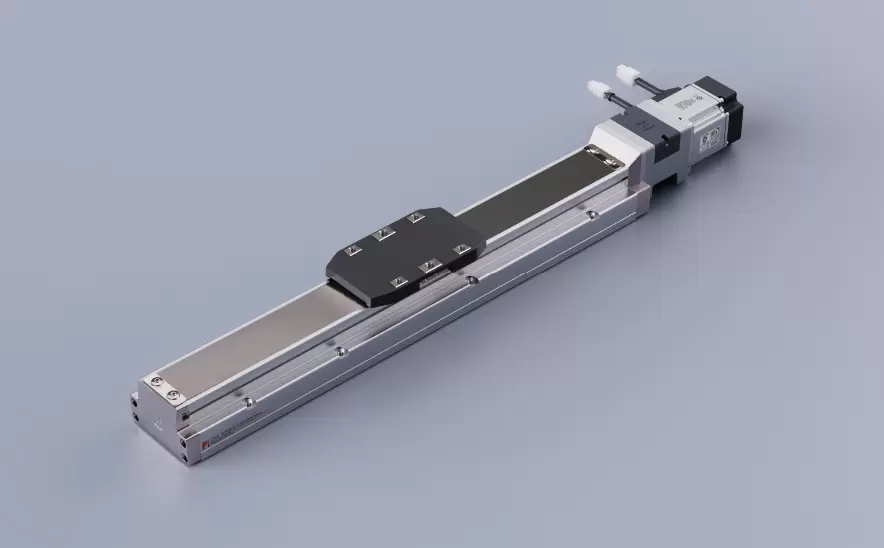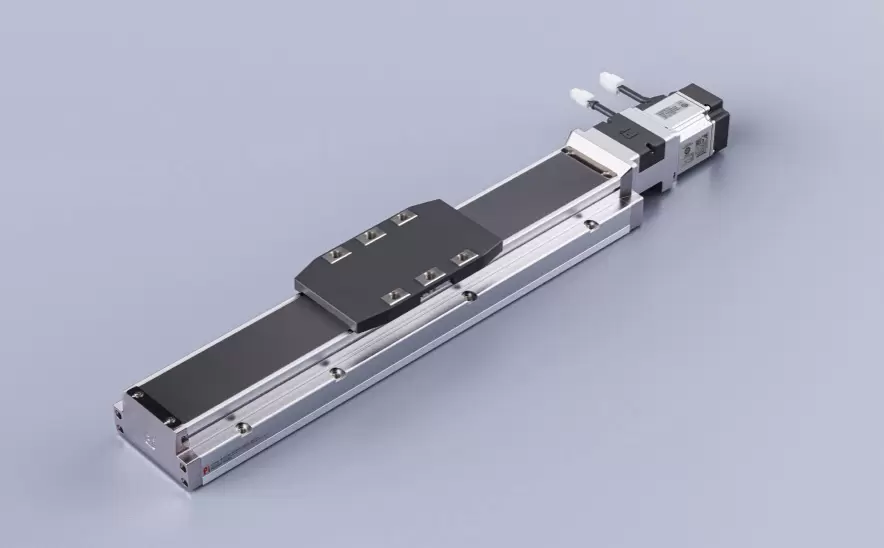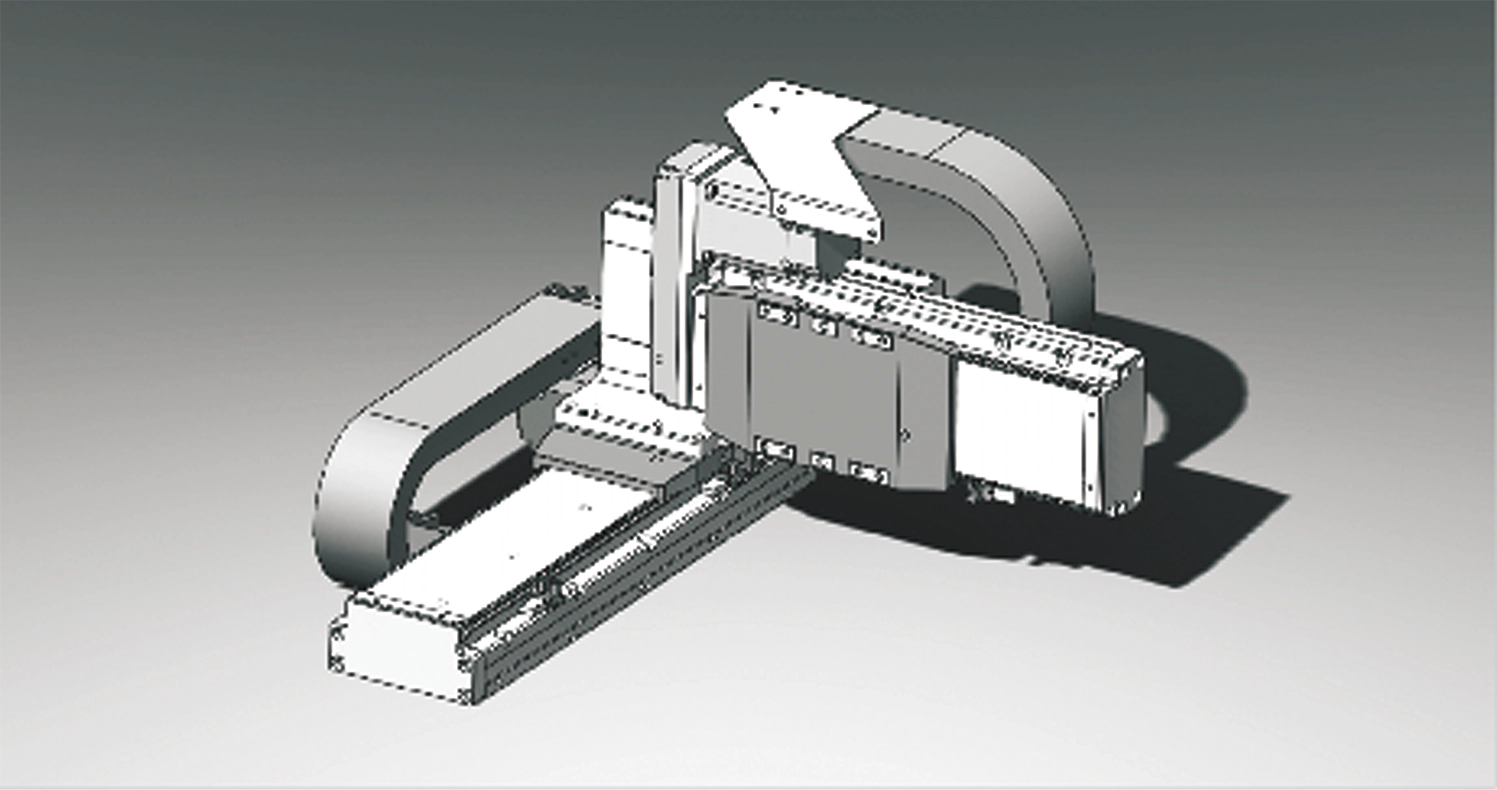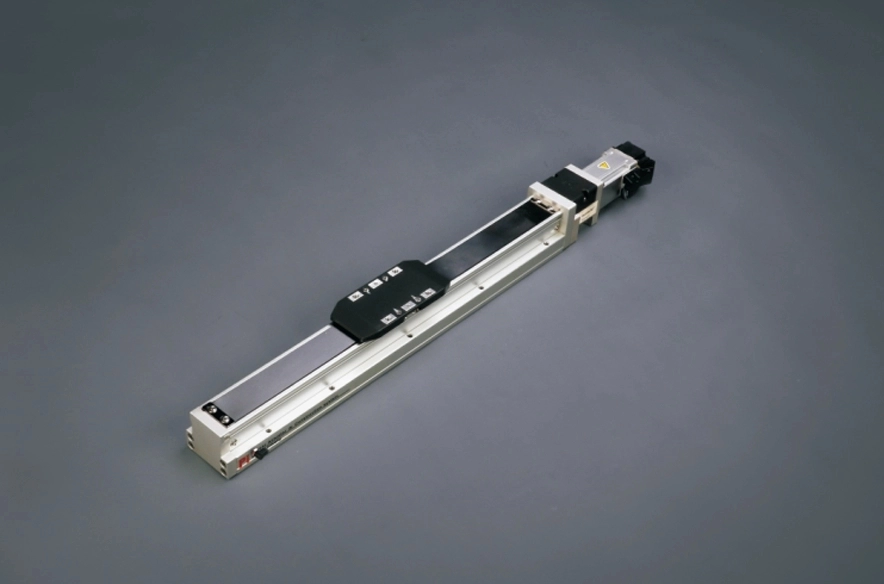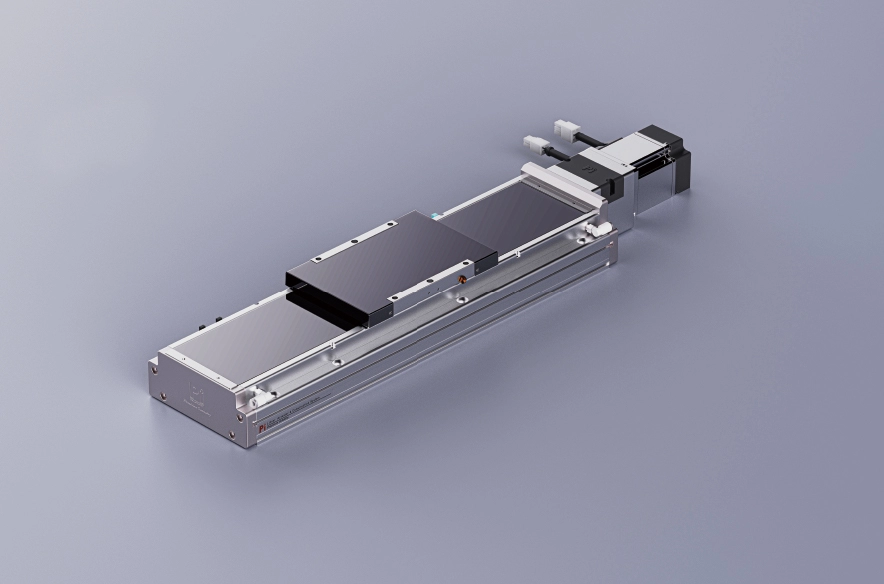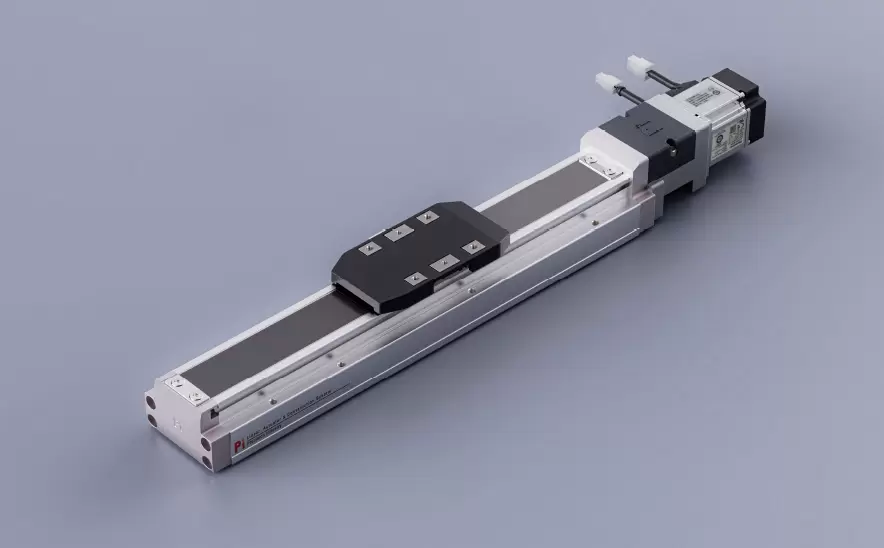
Motor Bottom Side
Repeatability:±0.005/0.01mmHorizontal Load:150kgVertical Load:55kgMaximum Speed:2000mm/sTravel Range:100-1500mm

 Current location:Home > Company > News > Latest news > What to Consider When Purchasing a Precision Positioning Slide Table
 Date: Jan 28 2026
Purchasing the right precision positioning slide table is a critical decision for industries that require accurate, repeatable, and reliable motion. Whether you're working in automation, robotics, semiconductor manufacturing, or optical systems, the right slide table can dramatically improve the efficiency and precision of your operations. However, with so many options available on the market, how do you know which one is best suited for your needs?
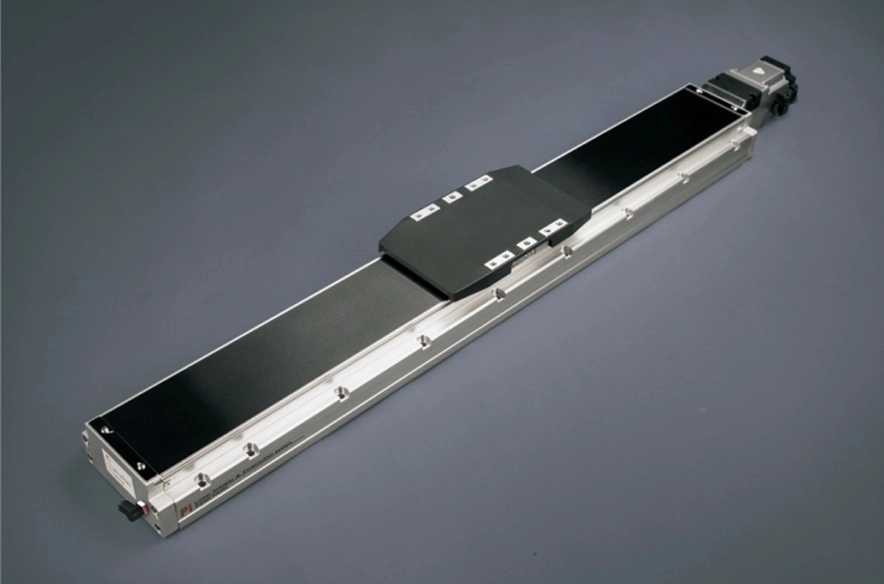
This article will break down the most important factors to consider when purchasing a precision positioning slide table, ensuring that you make an informed and confident decision.
The primary function of a precision positioning slide table is to provide highly accurate movement, and this should be your first consideration. Precision is often measured in microns or even sub-microns for high-end applications. For instance, in optical alignment or laser systems, the accuracy required might be in the range of 0.1 microns or better.
When evaluating precision, keep in mind:
Linear accuracy: How closely the table can align with a target position along its travel path.
Repeatability: The ability of the slide table to return to the same position consistently after multiple movements.
Backlash: A key factor in precision. Minimal backlash is necessary for applications that require exact positioning, as it reduces errors when the table changes direction.
Opt for a slide table with sub-micron accuracy if your application demands high precision. In cases where accuracy is less critical, a micron-level slide table may suffice.
Another essential consideration is the load capacity of the slide table. Depending on your application, the slide table may need to support light, delicate components or heavy, bulky items. For instance, robotic systems may require higher load capacities to move larger parts, while optical equipment demands a lighter, more precise solution.
Here’s what to consider when evaluating load capacity:
Maximum load: Determine the weight of the items you plan to position. Ensure the slide table’s rated load capacity can handle this weight without compromising performance.
Dynamic load vs. static load: A slide table might handle static loads (weight when the table is not moving) better than dynamic loads (weight while in motion). If your application involves continuous movement, look for a slide table that can maintain performance while supporting both types of loads.
Material and design: The material used in the construction of the table (e.g., aluminum, stainless steel) plays a crucial role in its ability to handle weight without compromising stability. A solid design ensures that the table will not flex or bend under load, maintaining its precision.
The travel range or stroke length refers to how far the slide table can move along its axis. This is crucial because not all applications require the same range of motion. Some tasks, like microscopy or precision cutting, might need only a short travel range, while others, like automated assembly or material handling, might need a longer stroke.
When choosing a slide table, ask:
What is the maximum distance you need to travel?
Do you require adjustable stroke lengths? Some models allow for customizable travel ranges, which can be a great feature if you need versatility in different setups.
Ensure that the table you choose has a stroke length that meets your operational requirements while also allowing for flexibility in case of future changes in your workflow.
The type of actuation used to drive the slide table is a critical choice. Precision positioning tables can be actuated manually or motorized, and the best option depends on your specific needs.
Manual Actuation: For low-volume or simple applications, manual slide tables may suffice. These tables are typically easier to maintain, more cost-effective, and require less power. However, they’re best suited for tasks where precise control is only occasionally required.
Motorized Actuation: If you need automated movements, consistent speed, or integration with a larger system, a motorized slide table is the better choice. Motorized systems can be powered by stepper motors, servo motors, or DC motors, offering precise control over speed, acceleration, and positioning. Motorized tables are ideal for high-speed applications or those requiring repetitive movements.
Pneumatic or Hydraulic: For applications requiring high force or smooth, continuous motion, pneumatic or hydraulic actuators may be used. These actuators are more common in industries like material handling or heavy-duty manufacturing.
The smoothness of the slide table's movement directly impacts its precision and repeatability. A high-quality table should provide low friction and smooth motion, minimizing resistance that could affect accuracy and cause wear over time.
Look for these features:
Ball bearings or air bearings: These components help reduce friction and maintain smooth motion.
Linear guide systems: These guides help maintain accuracy and smoothness, especially when dealing with high-speed movements.
Lubrication: A self-lubricating system or easy-to-maintain lubrication process ensures long-term smooth operation and reduces wear on critical parts.
In many cases, off-the-shelf models may not perfectly match your specific requirements. Look for customization options that allow you to adjust the slide table to suit your unique needs. Customization might include:
Extended stroke lengths or compact designs for space-constrained environments.
Special mounting configurations to fit your equipment.
Custom actuation types, such as incorporating servo motors or adding feedback systems for closed-loop control.
A flexible, customizable slide table can ensure that your equipment meets the precise requirements of your application.
A precision slide table is an investment, so it’s important to consider how long it will last and how easy it is to maintain. Look for features that enhance durability:
Corrosion-resistant materials: These are especially important if the slide table will be used in harsh environments or exposed to chemicals or moisture.
Sealed components: Sealed bearings or guides prevent dust, dirt, and other contaminants from affecting the performance of the table.
Self-lubricating systems: These reduce the need for frequent maintenance while ensuring smooth motion.
Choosing a durable, low-maintenance slide table will ensure long-term reliability and reduce operational downtime.
Finally, while it’s important to invest in quality, it’s also essential to balance your budget with the features you require. Higher precision, larger load capacities, and more advanced actuators often come at a higher cost. However, spending more upfront may be worthwhile if it leads to better performance, reduced downtime, and greater efficiency in the long run.
Keep in mind:
Do you need premium features, or can a more basic model suffice for your application?
What is the total cost of ownership, including maintenance, integration, and potential upgrades?
Purchasing a precision positioning slide table requires careful consideration of your specific application needs. By evaluating factors such as precision, load capacity, travel range, actuation mechanism, and maintenance needs, you can ensure that the slide table you choose will meet your performance requirements and provide reliable, consistent results.
Take the time to assess your needs, and don’t hesitate to seek expert advice or customization options to get the best value for your investment. With the right slide table, you’ll enhance the precision, speed, and efficiency of your operations, no matter the industry.