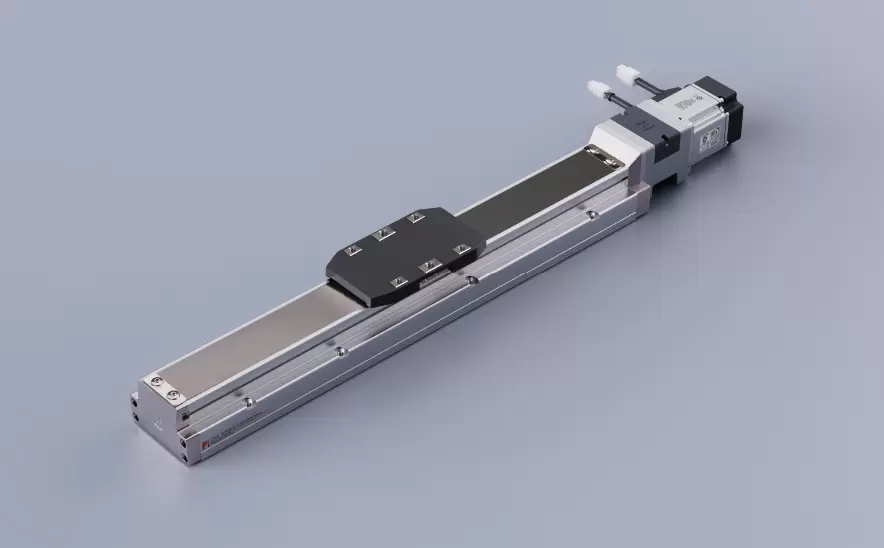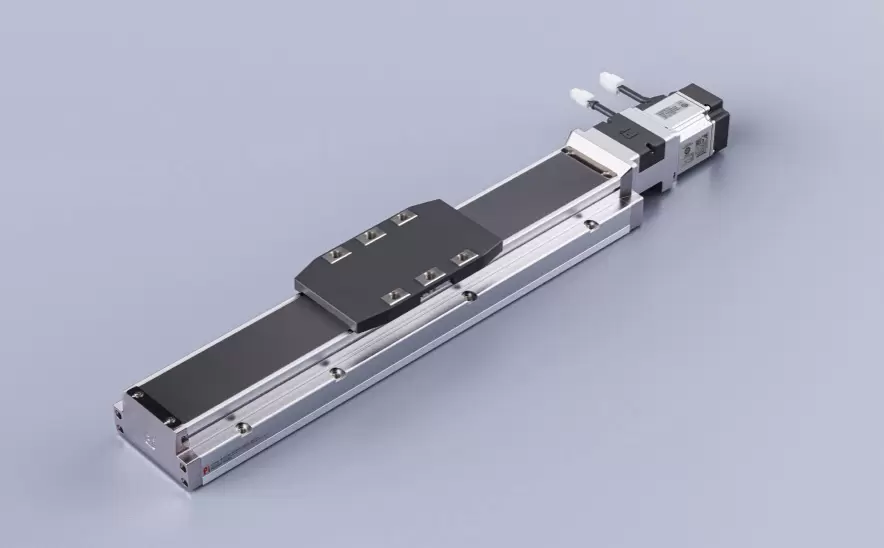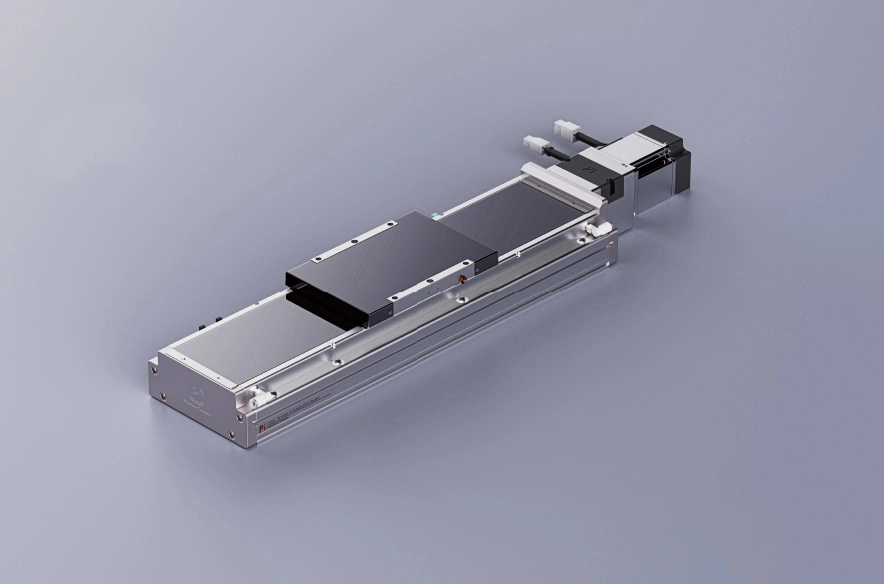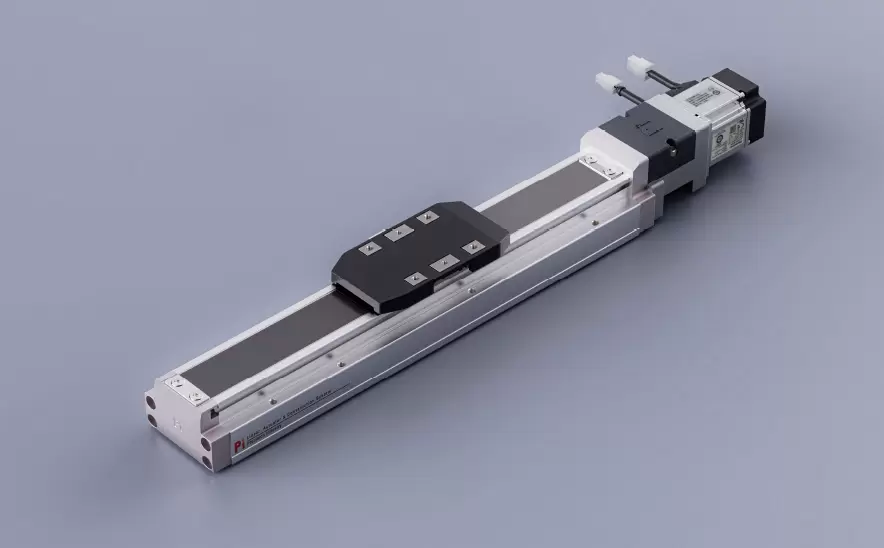
Motor Bottom Side
Repeatability:±0.005/0.01mmHorizontal Load:150kgVertical Load:55kgMaximum Speed:2000mm/sTravel Range:100-1500mm

 Current location:Home > Company > News > Latest news > How to Choose the Best Precision Positioning Slide Table for Your Industry
 Date: Jan 28 2026
Choosing the right precision positioning slide table for your industry can be a challenging task. With numerous options available on the market, it's crucial to select a table that aligns with your specific needs and ensures maximum efficiency in your operations. Whether you’re in electronics manufacturing, research and development, or robotics, the ideal slide table can significantly improve precision, productivity, and reliability.
To help guide your decision, let’s explore the essential factors you should consider when choosing the best precision positioning slide table for your industry:
Different industries have varying requirements for precision, load capacity, and motion control. The first step in selecting the right slide table is to define your application’s needs. Consider the following questions:
How precise does the positioning need to be?
What is the maximum load the table must support?
How fast or slow does the motion need to be?
Will the slide table operate continuously, or only intermittently?
For instance, in optics and semiconductor manufacturing, extremely fine positioning (often down to microns or sub-microns) is essential. In contrast, robotics may prioritize robustness and speed for repetitive tasks. The more clearly you define the needs of your application, the better equipped you’ll be to select the most appropriate slide table.
The physical dimensions of the slide table play a critical role in determining its suitability for your setup. Some industries, such as medical device manufacturing, require compact slide tables to fit into small workspaces. Others, like automotive assembly, may need a larger stroke length or the ability to handle oversized components.
When choosing a table, think about:
Footprint: How much space do you have for the slide table? Can it fit within your system’s layout?
Travel range: What distance does the slide need to cover during operation? Choose a table that offers an adequate stroke length to meet your process’s requirements.
A properly sized slide table ensures smooth integration into your existing system, avoiding potential installation issues or future limitations.
For industries like aerospace or nanotechnology, achieving highly precise movements and consistent repeatability is a must. Precision positioning slide tables are often used for tasks that require exact measurements, such as calibrating machinery, assembling tiny components, or conducting high-resolution imaging.
Here are key factors that impact precision:
Linear accuracy: This refers to the ability of the slide table to achieve accurate positions along its axis. For some industries, even a minor misalignment can cause significant errors, so opting for slide tables with sub-micron or micron-level accuracy is crucial.
Repeatability: Ensuring that the slide table returns to the same position consistently is critical in many industrial and research settings. Look for a table with high repeatability ratings, ensuring that you can rely on it for consistent results.
In industrial applications, ensuring that your slide table maintains stability under varying load conditions is essential. If the table’s structure is not rigid enough or unable to support the required load, it will compromise the precision of its movements. For industries such as robotics or electronics assembly, where heavier components are often handled, choose a slide table with a higher load capacity and reinforced construction.
Consider these features for ensuring stability:
Material strength: Materials like stainless steel or anodized aluminum provide durability while keeping the table’s weight manageable.
Design: A well-designed frame reduces the risk of flexing or warping during high-load applications.
A stable slide table will reduce downtime and extend the overall lifespan of your equipment.
Different industries may require different methods of controlling the slide table’s movement. Choosing the appropriate actuation system is essential for achieving the desired precision and speed.
Manual vs. Motorized: If your application involves simple, low-speed movements, a manual slide table might suffice. However, for automated systems or applications that require precise, repetitive movements, a motorized slide table with electric or pneumatic actuators may be necessary.
Closed-loop control systems: In high-precision industries like semiconductor fabrication, tables with feedback systems provide real-time adjustments to ensure accuracy, even under varying conditions.
Make sure to assess your operational needs—whether you need quick adjustments, constant movements, or a set-and-forget system—when selecting your actuation type.
In industries like aerospace engineering or medical device development, each operation might have unique specifications or demands that require tailored solutions. It’s important to work with a manufacturer that offers customization options for slide tables. This can include modifications to the stroke length, actuator type, or even the inclusion of specific mounting fixtures to fit your application.
Additionally, consider how the slide table integrates with other equipment. A modular design can simplify integration with existing systems and reduce the need for complex, costly installations.
Long-term reliability is critical, especially in manufacturing and production environments, where equipment is used continuously. Opting for a high-quality slide table made from durable materials will reduce the frequency of maintenance and replacements, keeping your operations smooth and cost-effective.
Look for features that enhance durability:
Corrosion-resistant materials for environments where the slide table might be exposed to harsh conditions.
Sealed bearings or self-lubricating components to reduce friction and wear, minimizing the need for maintenance.
Easy access for maintenance: Some tables offer modular designs or maintenance ports to make routine checks and repairs more straightforward.
Choosing the best precision positioning slide table for your industry requires understanding your unique application, considering factors such as precision, load capacity, stability, and the type of motion control. By aligning these factors with your operational needs, you can make an informed decision that enhances productivity, reduces errors, and extends the life of your equipment.
Remember, selecting a slide table isn’t just about choosing the most expensive or feature-rich option—it’s about matching the right features to the specific requirements of your industry. By doing so, you can ensure that your slide table delivers the performance and reliability your operations demand.