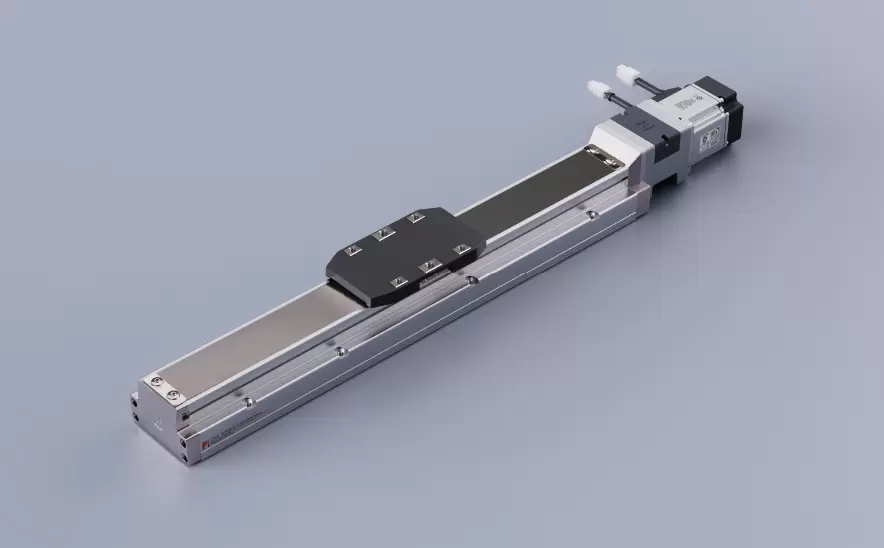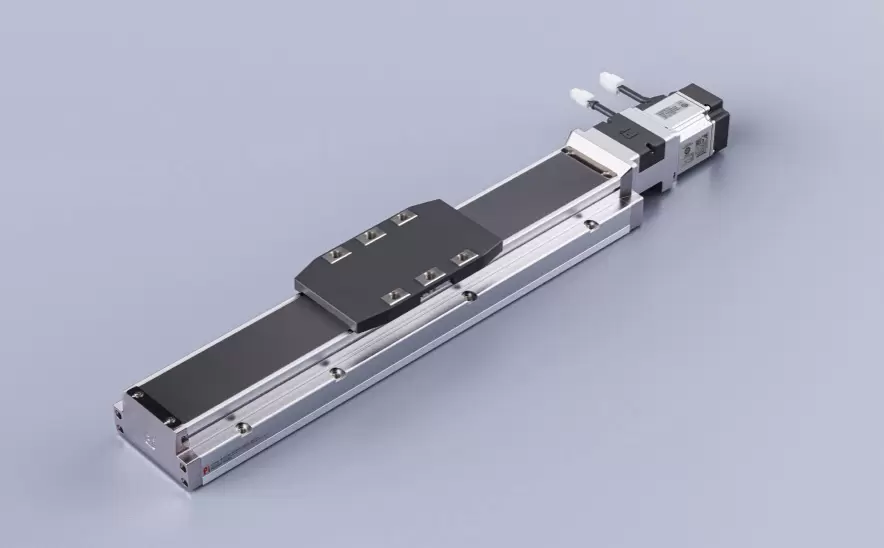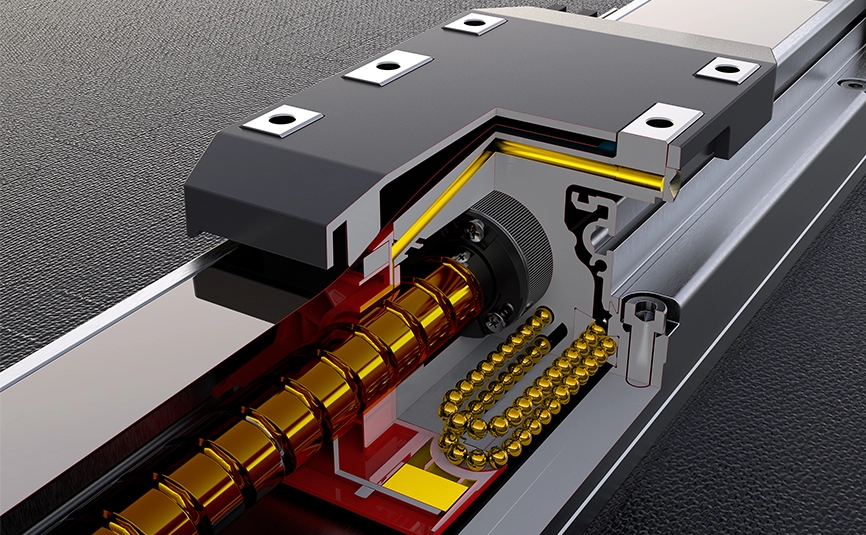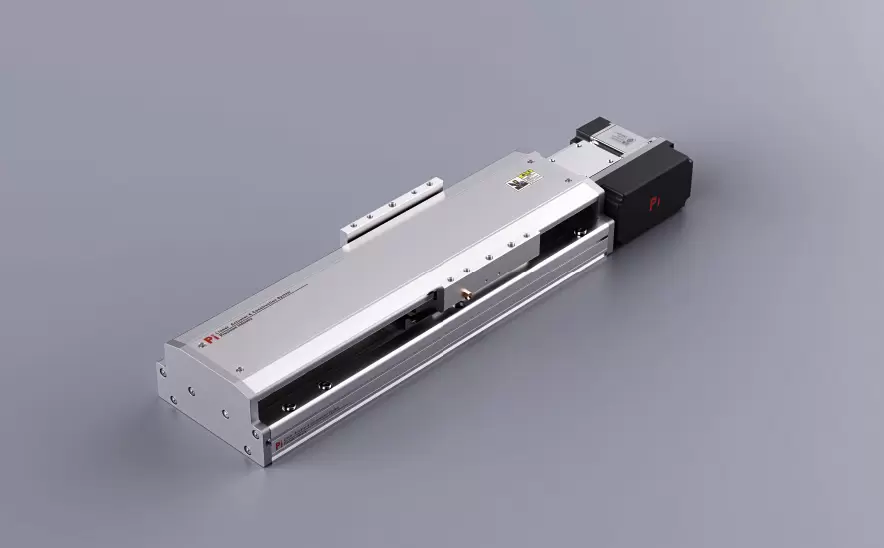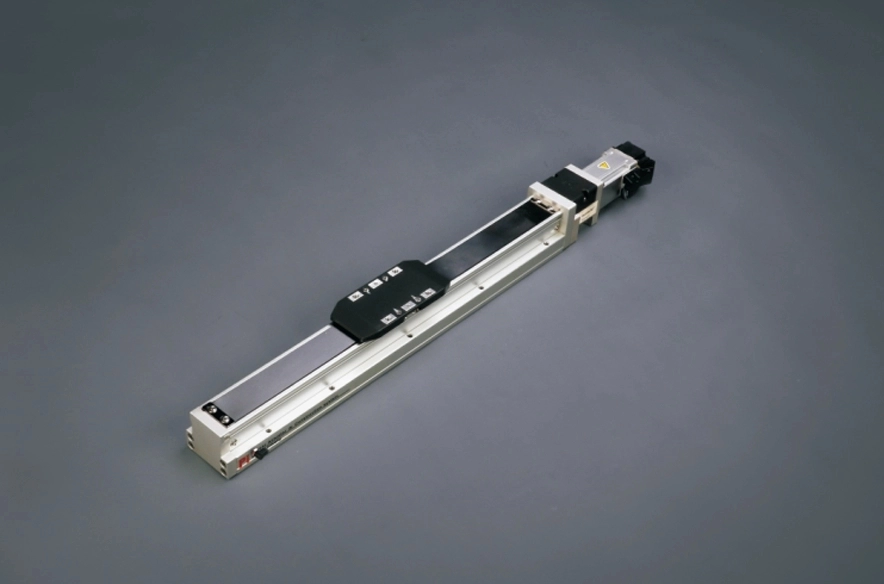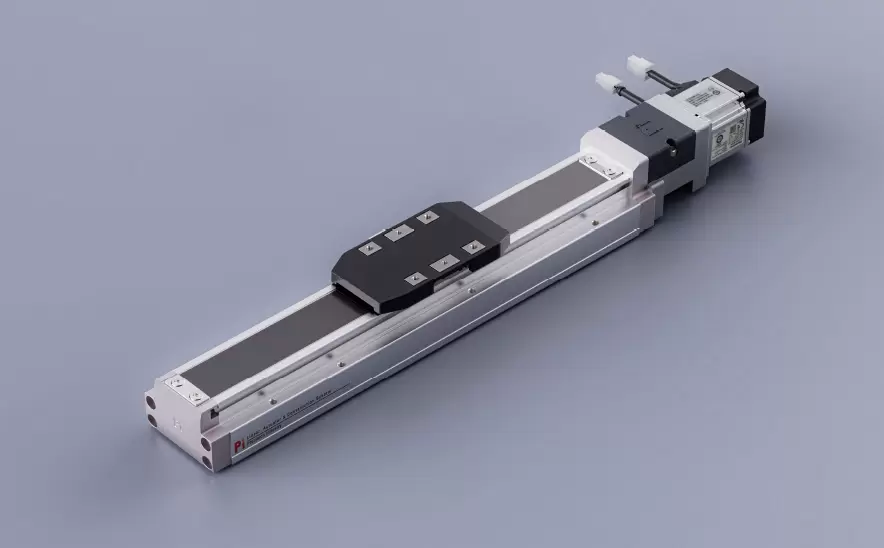
Motor Bottom Side
Repeatability:±0.005/0.01mmHorizontal Load:150kgVertical Load:55kgMaximum Speed:2000mm/sTravel Range:100-1500mm

 Current location:Home > Company > News > Latest news > Top Mistakes to Avoid When Purchasing a Precision Positioning Slide Table
 Date: Feb 04 2026
Choosing the right precision positioning slide table for your application is a critical decision that can significantly impact the efficiency and accuracy of your operations. Whether you're in robotics, optical systems, automation, or manufacturing, selecting the wrong slide table can lead to increased costs, reduced precision, and frequent maintenance issues. To help ensure you make an informed purchase, we’ve compiled a list of the top mistakes to avoid when buying a precision positioning slide table.
One of the biggest mistakes is underestimating the precision needed for your application. Precision positioning slide tables are designed to offer varying levels of accuracy, from microns to sub-microns, depending on the application. If you choose a table that doesn’t meet the required precision, your operations could suffer from poor alignment, increased error rates, and suboptimal performance.
Mistake: Choosing a table with insufficient precision, thinking it will be “close enough.”
What to do: Always assess the precision and repeatability required by your project. For high-precision tasks (like optical alignment or semiconductor manufacturing), look for a slide table that offers sub-micron accuracy. For less demanding tasks, a micron-level accuracy might suffice.
Another common error is not factoring in the load capacity needed for your application. Precision slide tables come with different load ratings, and selecting a table with insufficient capacity can result in structural failure, loss of precision, and increased wear on the system.
Mistake: Choosing a slide table based on size or features without considering the weight of the components you need to move.
What to do: Calculate the maximum weight your system will carry, including any dynamic forces that could be at play while the slide table is moving. Ensure that the table’s load capacity comfortably supports both the static load (when stationary) and dynamic load (when in motion).
Another mistake often made is overlooking the travel range or stroke length of the slide table. Depending on the task, the slide table may need to travel over short or long distances. If you choose a model with an insufficient stroke length, your system won’t be able to complete the required movements.
Mistake: Selecting a slide table based on size or features, without considering the required travel range for your application.
What to do: Determine how far the slide table needs to move during each cycle. Ensure that the stroke length aligns with your operational needs. If your application requires flexibility, consider a slide table with adjustable stroke lengths or modular systems that can be customized.
Speed is another key factor in choosing the right precision positioning slide table. If you’re working with an automated system or need to process high volumes, choosing a table that doesn’t meet speed requirements can result in costly delays and lower productivity.
Mistake: Assuming that all slide tables can operate at the speed you need without considering the motor or actuation system.
What to do: Look into the actuation mechanism (manual, motorized, pneumatic) and the table’s speed rating. For high-volume applications, a motorized slide table with a higher speed rating may be necessary. Ensure that the speed matches the pace of your entire production line or system.
Actuation is one of the most crucial factors influencing the performance of a precision positioning slide table. The wrong actuation system can lead to inaccuracies, poor speed control, and difficulties in achieving the required positioning.
Mistake: Selecting a manual slide table when automation is needed, or vice versa.
What to do: Determine whether manual actuation is sufficient for your application (e.g., small-scale or one-off adjustments) or if you need the consistency and repeatability of a motorized or pneumatic/hydraulic system. Motorized actuation is ideal for tasks requiring repeated, high-speed movements or integration with automated systems. For low-volume, manual tasks, a manual table might suffice.
The operating environment plays a significant role in the longevity and performance of your precision slide table. Factors such as temperature, humidity, and exposure to chemicals can impact the durability and functionality of the system.
Mistake: Choosing a slide table without considering environmental factors like high humidity, dust, or chemical exposure.
What to do: If your slide table will operate in a harsh environment (e.g., clean rooms, high-temperature areas, or corrosive environments), ensure the table is made from corrosion-resistant materials (such as stainless steel) and features sealed bearings or self-lubricating components to minimize the impact of contaminants.
Like any piece of equipment, precision positioning slide tables require maintenance to ensure they remain functional over time. Failing to consider the maintenance requirements can lead to unexpected downtime and higher long-term costs.
Mistake: Choosing a slide table without considering maintenance needs or the ease of repair.
What to do: Look for slide tables that are designed with low maintenance in mind. Features like sealed bearings, self-lubricating components, and modular designs can reduce the need for regular servicing. Additionally, always check the warranty and support options provided by the manufacturer to ensure that you have access to assistance if issues arise.
In many modern applications, precision positioning slide tables are part of a larger, integrated system. Failing to consider how the slide table will work with other machines or robotic systems can create compatibility issues.
Mistake: Selecting a slide table without considering how it will integrate with your existing equipment.
What to do: Ensure that the slide table you choose can easily integrate with other machinery or automated systems, such as robotic arms, CNC machines, or testing equipment. Consider factors like communication protocols (e.g., Ethernet, Modbus, or RS-232) and whether the table can be controlled through centralized software or programming interfaces.
While it might be tempting to go for the cheapest option, this can often lead to problems down the line. A low-cost slide table may not meet the precision, durability, or speed requirements necessary for your application, leading to increased operational costs, downtime, and frequent repairs.
Mistake: Choosing the cheapest model based on initial price alone, without considering long-term costs.
What to do: Instead of focusing solely on cost, evaluate the total cost of ownership, including maintenance, repair, energy efficiency, and how the table will impact your overall productivity. Sometimes spending a little more upfront on a higher-quality system can save you money in the long run due to fewer breakdowns and better performance.
Purchasing a precision positioning slide table is a significant investment, and it’s important to avoid common mistakes that could lead to inefficiency, high costs, and operational issues. By carefully considering factors like precision, load capacity, actuation type, environmental conditions, and maintenance needs, you can make a well-informed decision that enhances the performance of your system and meets the demands of your specific application.
Taking the time to assess your needs and avoid these mistakes will ensure that your slide table delivers reliable, accurate performance for years to come. Happy purchasing!