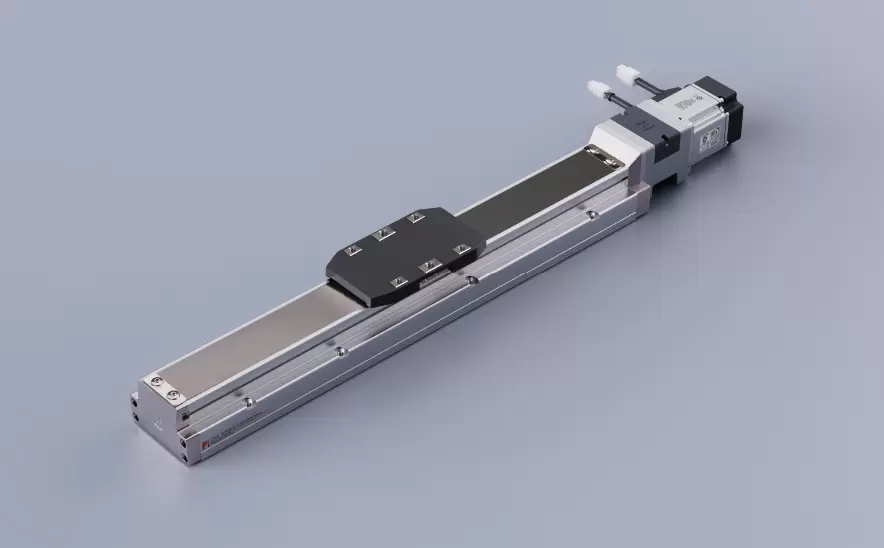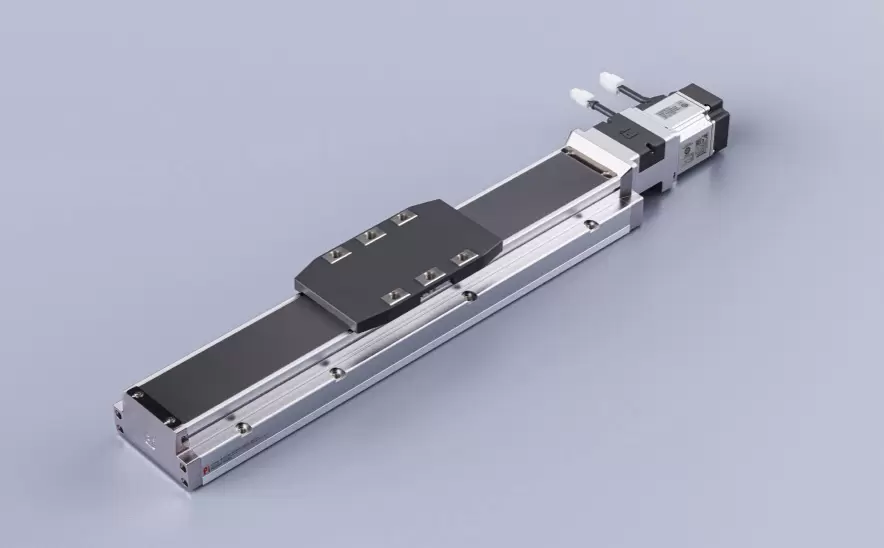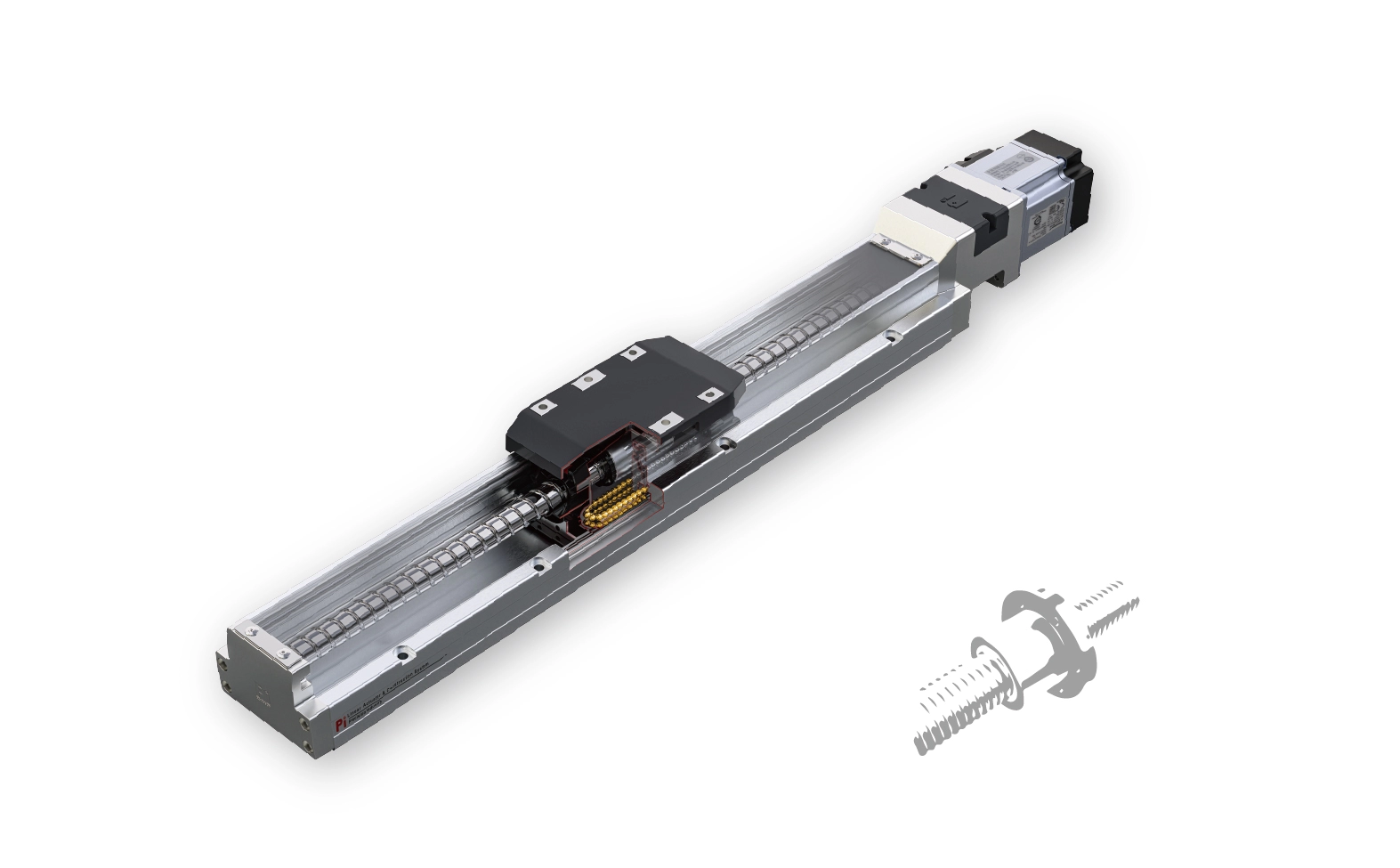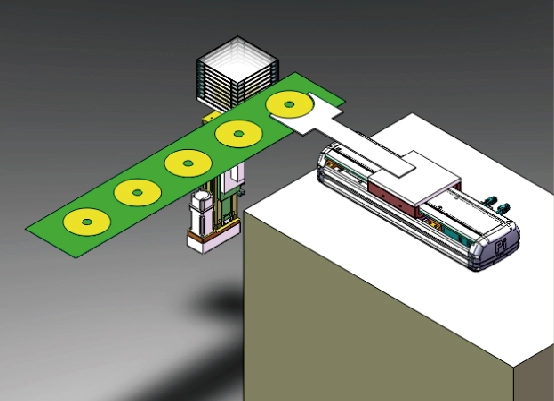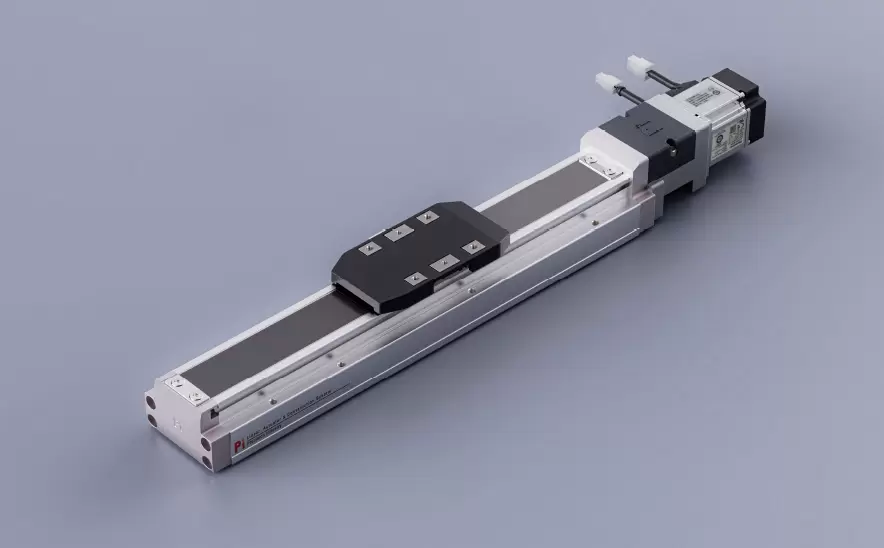
Motor Bottom Side
Repeatability:±0.005/0.01mmHorizontal Load:150kgVertical Load:55kgMaximum Speed:2000mm/sTravel Range:100-1500mm

 Current location:Home > Company > News > Latest news > Choosing Between Manual and Motorized Precision Positioning Slide Tables
 Date: Feb 04 2026
When selecting a precision positioning slide table for your project, one of the most important decisions you’ll face is whether to choose a manual or motorized model. Both types offer distinct advantages depending on the specific needs of your application, such as the level of precision required, the complexity of the task, and the frequency of adjustments.
In this article, we’ll explore the key differences between manual and motorized precision positioning slide tables, helping you understand which option is best suited to your project.
At the core of any precision positioning system is its ability to move with accuracy and repeatability. Whether you choose a manual or motorized slide table, both options can offer highly accurate positioning, but the level of control and ease of adjustment varies.
Manual Slide Tables: These systems are generally operated by hand and offer a high degree of fine-tuned control. For applications requiring slow, precise adjustments, manual tables are a solid option. They allow operators to make adjustments based on their immediate visual inspection, ensuring small movements and precise positioning.
Best For: Low-volume tasks, one-time adjustments, or situations where human intervention is preferred. Common in laboratories, optics, or mechanical workshops.
Motorized Slide Tables: Motorized models, typically powered by stepper motors, servo motors, or DC motors, offer automatic control over positioning. This means that adjustments can be made with a high degree of precision and consistency, without relying on manual intervention. With motorized tables, you can achieve programmable movements, which makes them ideal for tasks that require repeated or complex positioning.
Best For: High-volume tasks, automated processes, and operations that require repeatable accuracy and integration with control systems. Motorized slide tables are often used in automated assembly lines, robotics, or high-speed manufacturing.
Another factor to consider is the speed at which adjustments need to be made. Depending on your application, this could range from slow, deliberate movements to rapid adjustments.
Manual Slide Tables: These are usually slower in terms of movement because they rely on the operator’s physical input. However, for low-volume tasks or highly controlled environments, this can be an advantage, as it allows the operator to take their time and make adjustments as necessary.
Best For: Tasks that don't require high-speed operation but need precision and manual oversight. This includes alignment in optics, fine-tuning machinery, or non-automated prototyping.
Motorized Slide Tables: Speed is a significant advantage with motorized systems. These models can be programmed to move at high speeds while maintaining precision, enabling you to complete tasks much faster than manual systems. Additionally, they can perform automated cycles without human intervention, which significantly improves productivity in mass production settings.
Best For: Large-scale operations, such as automated testing, production lines, or high-throughput assembly, where speed and efficiency are critical.
As manufacturing processes become increasingly automated, the ability to integrate slide tables with other systems becomes more important. This is where motorized slide tables shine.
Manual Slide Tables: Manual systems are inherently standalone and do not offer easy integration with other machinery or automation systems. They are controlled entirely by the operator, making them less suitable for processes that require a high degree of automation or feedback loops.
Best For: Simple setups where automation isn’t a necessity, such as research labs, small workshops, or custom machinery where one-off adjustments are made manually.
Motorized Slide Tables: These systems can be easily integrated into larger automated workflows, where they can interact with robots, sensors, or control systems. Motorized tables can be programmed for specific tasks and controlled through software interfaces, offering higher flexibility and repeatability in automated environments.
Best For: Projects that require integration with other systems or are part of larger robotic automation setups, CNC machines, or testing equipment.
Cost is always an important factor in any purchase decision, and the difference between manual and motorized systems can be significant. However, the right choice depends on how the table will be used and the benefits it provides.
Manual Slide Tables: Generally, manual systems are more affordable due to their simpler design and lack of automation. They can be an ideal choice for small businesses, prototyping, or low-volume applications where the cost needs to be kept low.
Best For: Projects with limited budgets or those that don’t require constant movement and can rely on manual adjustments.
Motorized Slide Tables: These systems tend to be more expensive due to the motor, controller, and automation components involved. However, the cost should be viewed in the context of the added efficiency and automation capabilities. For high-volume production, the increase in cost is often outweighed by the time saved and the increased productivity.
Best For: Applications requiring high-volume production, repetitive movements, or systems where labor savings and precision automation justify the higher upfront cost.
When it comes to ongoing maintenance, both types of slide tables have their own considerations.
Manual Slide Tables: With fewer moving parts and no complex electronics, manual slide tables are typically easier to maintain and less prone to mechanical failure. However, they still require periodic cleaning, lubrication, and maintenance of the guide rails and bearings.
Best For: Environments where maintenance resources are limited, or where the equipment will undergo low wear and tear.
Motorized Slide Tables: These systems require more maintenance due to the complexity of motors, control systems, and electrical components. Over time, the motors may require servicing or replacement, and the controllers might need software updates. However, the added automation can reduce human error and wear from manual operation.
Best For: Projects where ongoing maintenance can be managed and where the benefits of automation justify the additional upkeep.
The final consideration is the type of application your project requires.
Manual Slide Tables: Best for precision work in applications like microscopy, optical alignment, or low-volume R&D projects where human oversight is crucial. The operator can make very fine adjustments by hand and respond quickly to changes.
Motorized Slide Tables: Perfect for automated assembly lines, high-precision industrial testing, or robotics where repeatability and high throughput are essential. These systems allow for integration with other machines and can be programmed for complex, repetitive tasks.
Deciding between a manual and motorized precision positioning slide table depends largely on the specific requirements of your project. If you need fine control, low-volume production, and a budget-friendly solution, a manual table may be the best choice. On the other hand, if your project requires high-speed automation, integration with other systems, and repeatable precision, a motorized slide table will offer greater efficiency and productivity.
Consider your operational needs, budget, and long-term goals carefully when making your decision. Both options have their place, and choosing the right one will help ensure your project runs smoothly, efficiently, and with the precision you need.