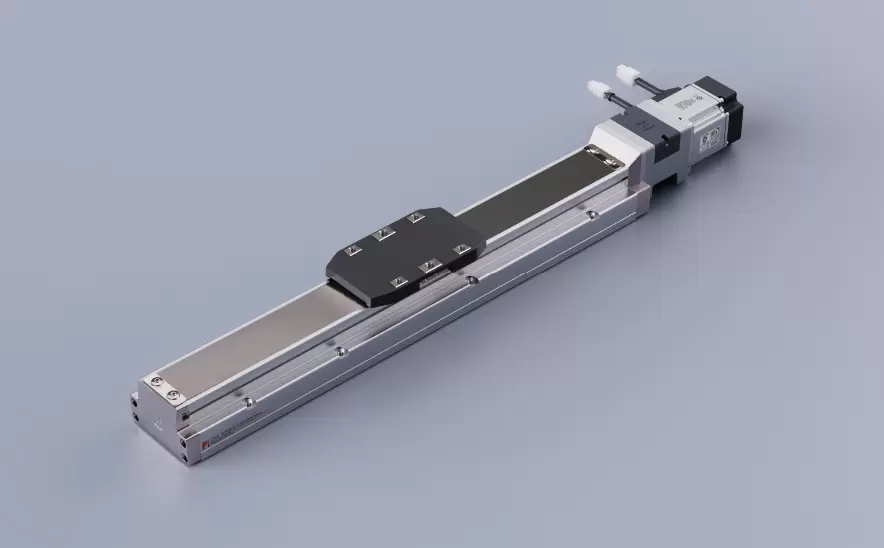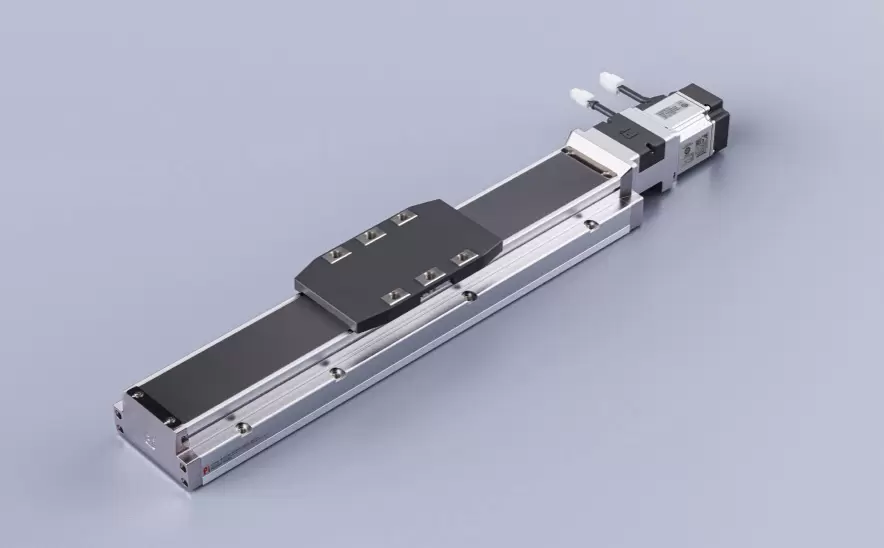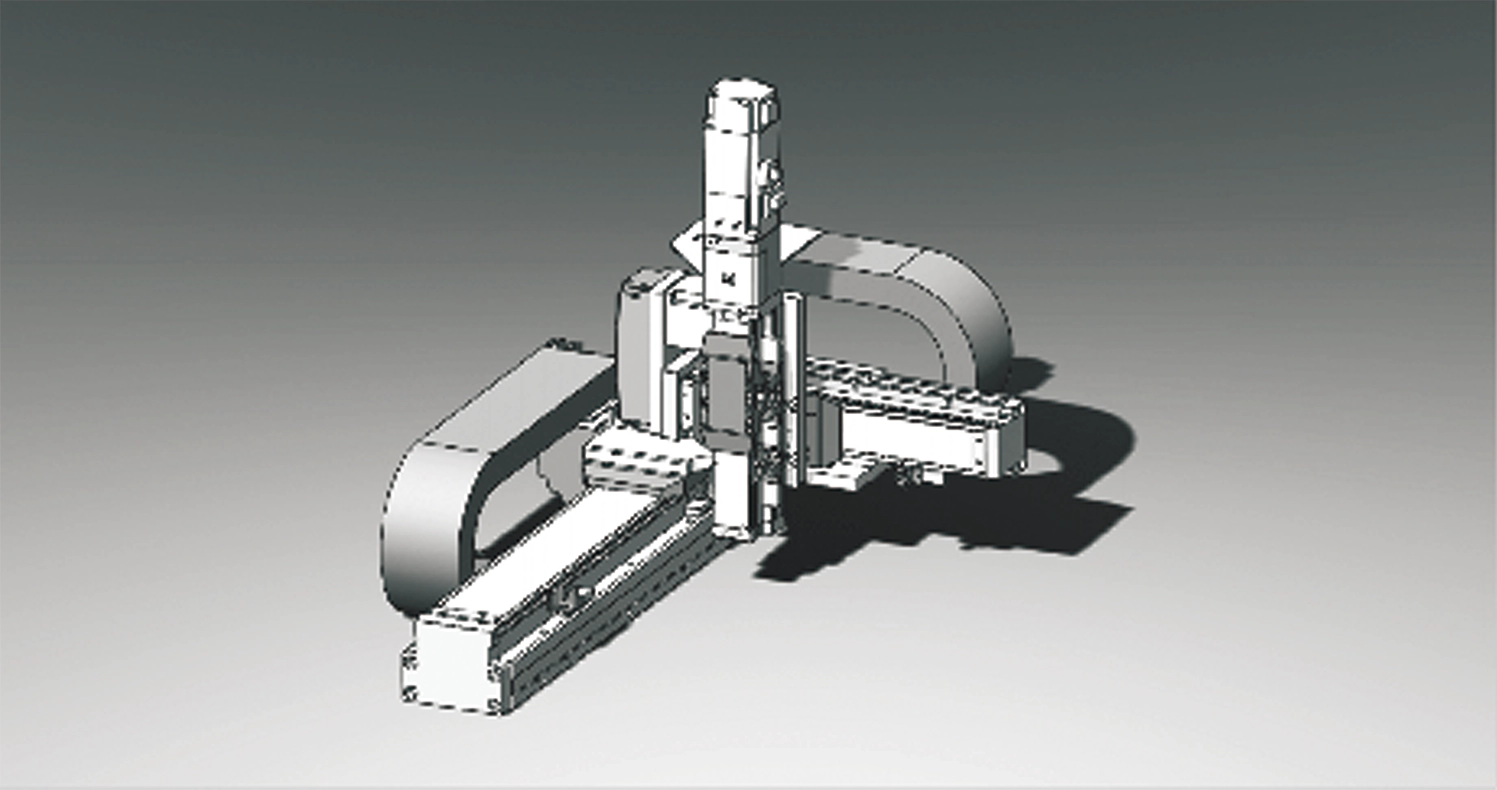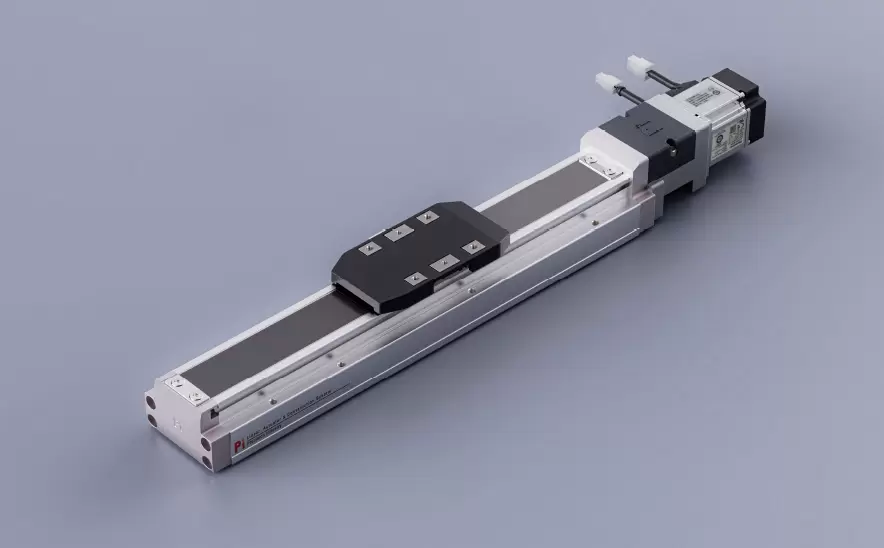
Motor Bottom Side
Repeatability:±0.005/0.01mmHorizontal Load:150kgVertical Load:55kgMaximum Speed:2000mm/sTravel Range:100-1500mm

 Current location:Home > Company > News > Latest news > Key Factors to Consider Before Buying a Precision Positioning Slide Table
 Date: Feb 04 2026
When it comes to selecting a precision positioning slide table, the decision isn’t just about picking the most advanced model or the one with the highest price tag. The right choice depends on several key factors that align with your specific project requirements. Whether you're in automation, optics, robotics, or manufacturing, understanding these factors will ensure that you get the best value and performance for your application.
In this article, we’ll walk you through the essential considerations to help you make an informed decision and choose a slide table that meets your needs.
The most important aspect of any precision positioning slide table is its ability to provide accurate and repeatable movement. Depending on your industry and application, the level of precision required can vary significantly.
For industries like semiconductor manufacturing, optical alignment, or nanotechnology, the need for ultra-precise movements (down to microns or even sub-microns) is non-negotiable.
On the other hand, for automated assembly lines or robotics, a table with micron-level accuracy might be sufficient.
Before purchasing, assess:
How precise does your movement need to be?
What is the required repeatability?
Do you need minimal backlash (the slight movement that occurs when the direction of motion is reversed)?
Choosing a slide table with the right precision will ensure that your equipment performs reliably over time, reducing costly errors and improving overall process efficiency.
Load capacity is another crucial factor to consider. The table’s load rating determines the maximum weight it can safely carry during operation without losing its precision or stability.
Think about:
What is the weight of the components or equipment you plan to move?
Will the slide table need to support both static and dynamic loads (i.e., weight when stationary and during movement)?
Heavy-duty industries like robotics or automated material handling may require slide tables with high load capacities to carry larger or heavier parts, whereas industries like optics or microsystems will require lighter and more delicate systems.
Also, the stability of the slide table is just as important as its load capacity. A table that lacks structural rigidity can flex under load, leading to inaccurate positioning. Look for a design that minimizes flexing and maintains the integrity of the positioning system.
The travel range or stroke length of a precision positioning slide table refers to the maximum distance it can move along its axis. Your project’s specific needs will dictate the required stroke length.
Ask yourself:
How far does the slide table need to travel?
Do you need a long stroke for large components or a short stroke for fine-tuning adjustments?
If you have a space-constrained environment, a compact slide table with a smaller travel range might be the right choice. However, if your application requires movement over longer distances, make sure the table offers the necessary stroke length to accommodate that.
Additionally, some systems may offer adjustable stroke lengths or modular designs that allow you to modify the travel range as needed, which can be a useful feature for projects with varying requirements.
The type of actuation mechanism is a key decision in choosing the right slide table. Depending on how your system operates and the level of automation required, you can choose from manual, motorized, or pneumatic/hydraulic actuation systems.
Manual Actuation: Ideal for low-volume applications or when you need occasional fine-tuning. Manual actuation is typically simpler and more cost-effective but requires human input for adjustments.
Motorized Actuation: For high-precision tasks, repetitive motion, or automated systems, motorized actuation is the best choice. It allows for programmable control and repeatability, making it suitable for robotics, automated assembly lines, or testing environments.
Pneumatic or Hydraulic Actuation: These systems are often used in heavy-duty applications or environments where smooth and high-force movement is required.
Consider the speed, repeatability, and automation needs of your project when selecting the appropriate actuation system.
The smoothness of the slide table’s movement is critical for achieving high precision. Friction can cause inaccuracies in positioning and unnecessary wear on components.
Ball bearings or air bearings are commonly used in high-precision tables to reduce friction and provide smooth, controlled motion.
Some models also feature linear guides that help ensure a smooth, stable path for the table during movement.
Look for a table with a low-friction system, ideally with self-lubricating components or a system that requires minimal maintenance. Tables designed with sealed bearings or maintenance-free lubrication systems will help reduce downtime and increase the longevity of your equipment.
In many industries, the environment in which the slide table operates plays a critical role in its selection. Some environments demand specialized features such as resistance to corrosion, high temperatures, or dust and moisture.
For instance:
Cleanroom environments require slide tables with sealed components and dust-proof designs to prevent contamination.
High-temperature environments may necessitate the use of high-performance materials that can withstand extreme conditions without degrading.
In environments exposed to chemicals or moisture, a corrosion-resistant coating (such as stainless steel or anodized aluminum) may be essential.
Assess your operational environment and ensure the slide table you select is built to withstand these conditions.
While it's important to stay within your budget, the cheapest option isn’t always the best in the long run. Investing in a high-quality slide table that matches your project’s needs can save you money in terms of reduced maintenance, fewer errors, and longer equipment life.
Before purchasing, consider:
Total cost of ownership: Look beyond the initial cost and think about maintenance, energy consumption, and downtime.
Warranty and support: Consider manufacturers that offer strong warranties and customer support, ensuring that you have backup in case of issues.
While higher-end models may come with advanced features, make sure you balance the cost with the value the table brings to your application.
When purchasing a precision positioning slide table, the right choice depends on understanding and aligning the table’s features with your specific needs. By considering factors such as precision, load capacity, travel range, actuation type, and environmental conditions, you can ensure that your slide table provides optimal performance and long-term reliability.
Taking the time to evaluate these key factors will help you make an informed decision that enhances the efficiency, accuracy, and durability of your system. Whether you're in robotics, optics, or manufacturing, selecting the right slide table is crucial for the success of your project.