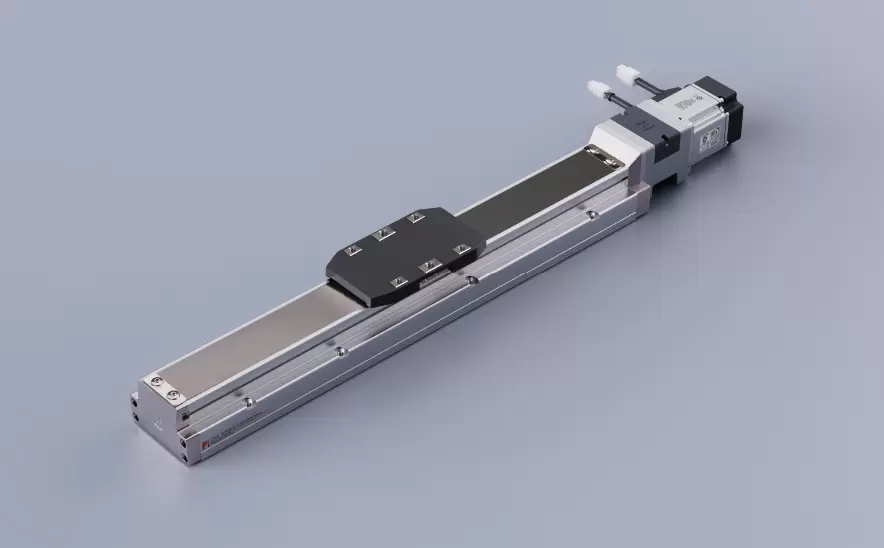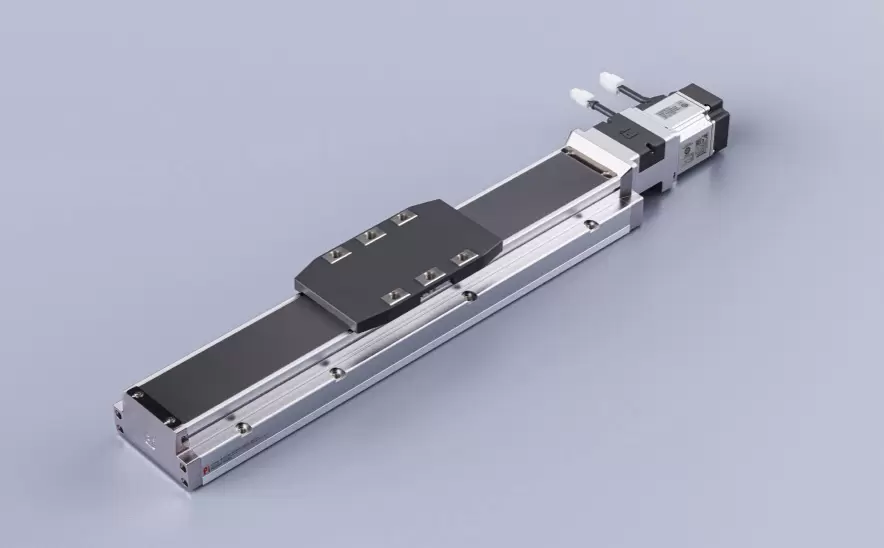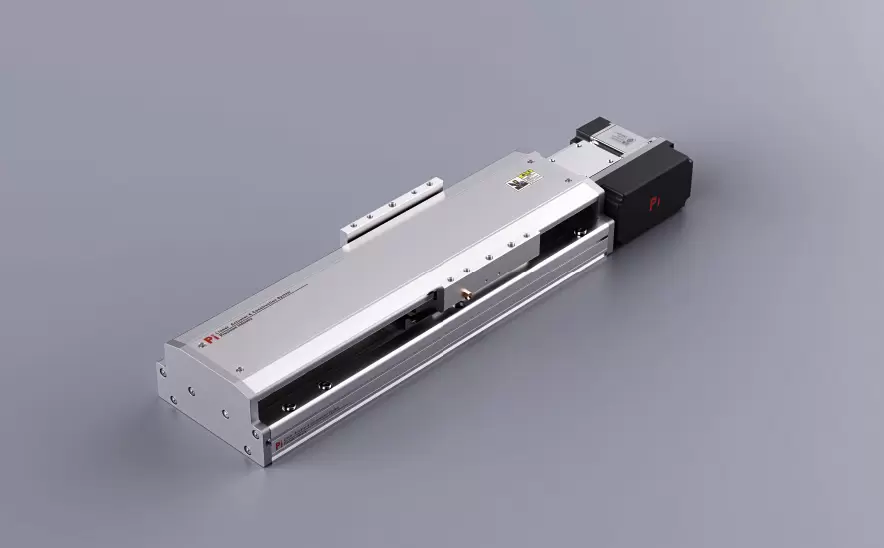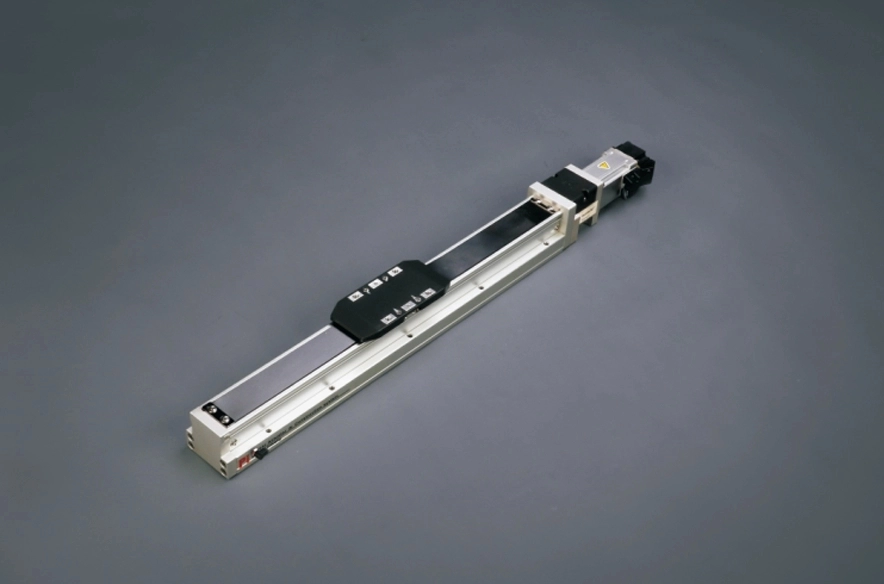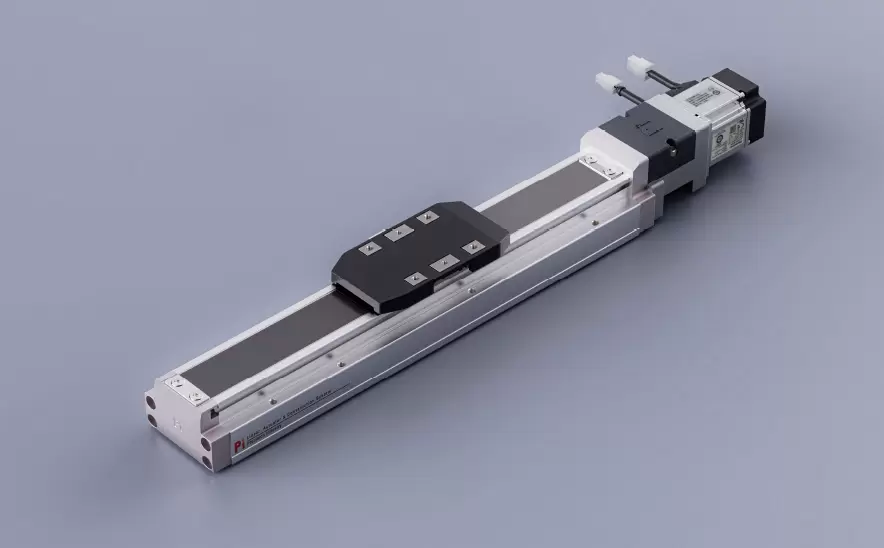
Motor Bottom Side
Repeatability:±0.005/0.01mmHorizontal Load:150kgVertical Load:55kgMaximum Speed:2000mm/sTravel Range:100-1500mm

 Current location:Home > Company > News > Latest news > Why Proper Alignment is Crucial When Using Precision Positioning Slide Tables
 Date: May 19 2026
Precision positioning slide tables are designed to deliver highly accurate and repeatable motion, making them essential in applications such as semiconductor fabrication, optical inspection, automated assembly, and laboratory research. However, even the most advanced slide table cannot achieve its full potential if it is not properly aligned.
Proper alignment is more than a setup step—it directly affects accuracy, repeatability, load distribution, and the overall lifespan of the equipment. Understanding why alignment matters and how to achieve it can help operators and engineers maximize the performance of their motion systems.
A slide table’s primary function is to position components precisely. If the system is misaligned:
Motion may deviate from the intended path
Repeated positioning may vary, reducing repeatability
Tolerances in machining or measurement tasks may not be met
Even small angular deviations can introduce positioning errors in micron-level applications. Proper alignment ensures the table moves exactly as designed, maintaining high accuracy across its entire travel range.
Misalignment causes uneven stress on guide rails, bearings, and drive mechanisms. Over time, this can lead to:
Accelerated wear on mechanical components
Increased friction and resistance during movement
Reduced service life of the slide table
By aligning the table correctly during installation, mechanical forces are distributed evenly, allowing the system to operate smoothly and reliably over many cycles.
Repeatability—the ability to return to the same position consistently—is just as important as absolute accuracy in many applications. Misalignment can introduce small variations in each movement, which accumulate over time and compromise process consistency.
Properly aligned systems:
Move predictably along their intended path
Maintain consistent performance over thousands of cycles
Support high-quality manufacturing and precise measurement
Incorrect alignment can create situations where the load is uneven or the table binds during motion. This can lead to:
Sudden stops or jerky motion
Vibration that affects precision
Increased risk of component or fixture damage
Ensuring correct alignment reduces the chance of mechanical stress or operational hazards, protecting both equipment and operators.
Achieving precise alignment requires careful preparation and attention to detail:
Level the base: Use a precision spirit level or digital inclinometer to ensure the mounting surface is flat.
Check parallelism: Verify that guide rails are parallel and aligned with any connected equipment or axes.
Secure mounting: Tighten bolts evenly to prevent twisting or distortion of the table.
Center the load: Place workpieces and fixtures close to the center of the platform to maintain balance.
Test movement: Perform trial runs to confirm smooth travel and consistent positioning before starting production.
Regularly reviewing alignment as part of preventive maintenance can also catch small deviations before they affect performance.
Proper alignment is a critical factor in achieving the full potential of precision positioning slide tables. It directly influences accuracy, repeatability, mechanical longevity, and operational safety.
By carefully aligning the system during installation, securing the load correctly, and performing regular checks, operators can ensure that their slide tables perform reliably in high-precision applications. In the world of precision motion, alignment is not just a detail—it’s the foundation for consistent, high-quality results.