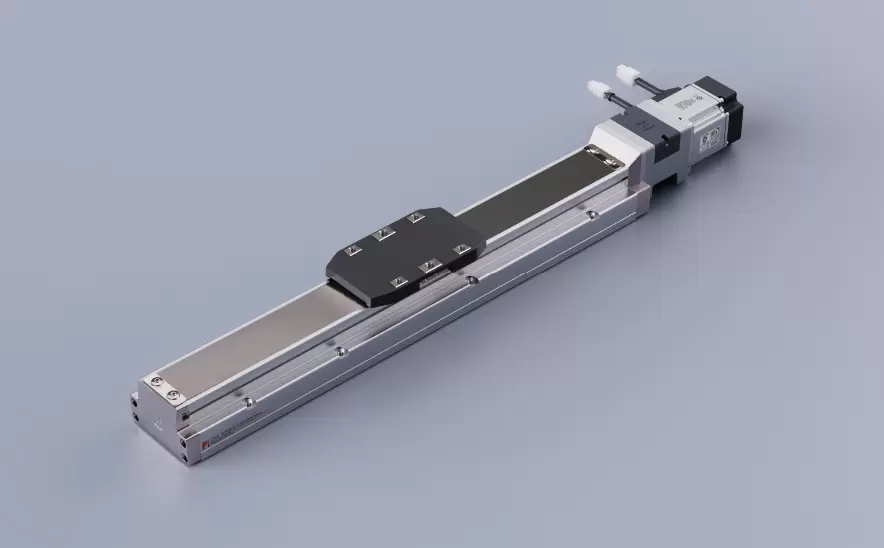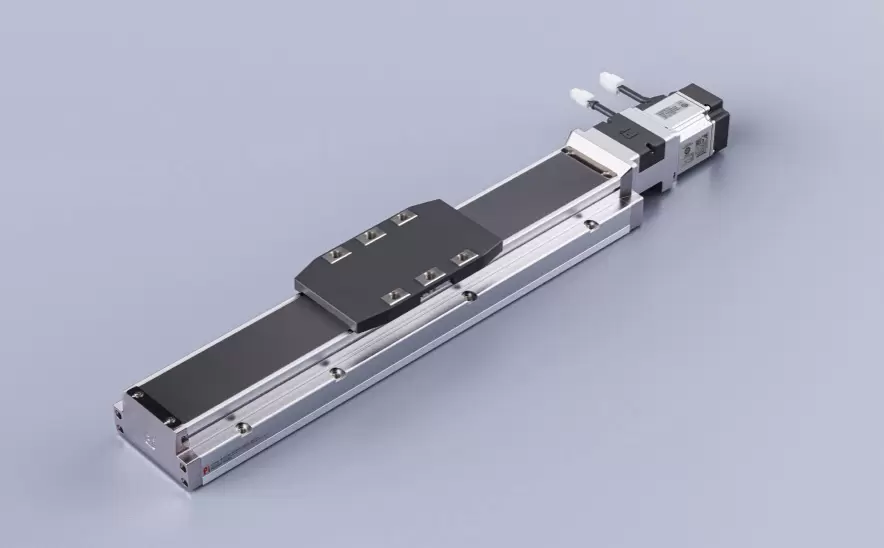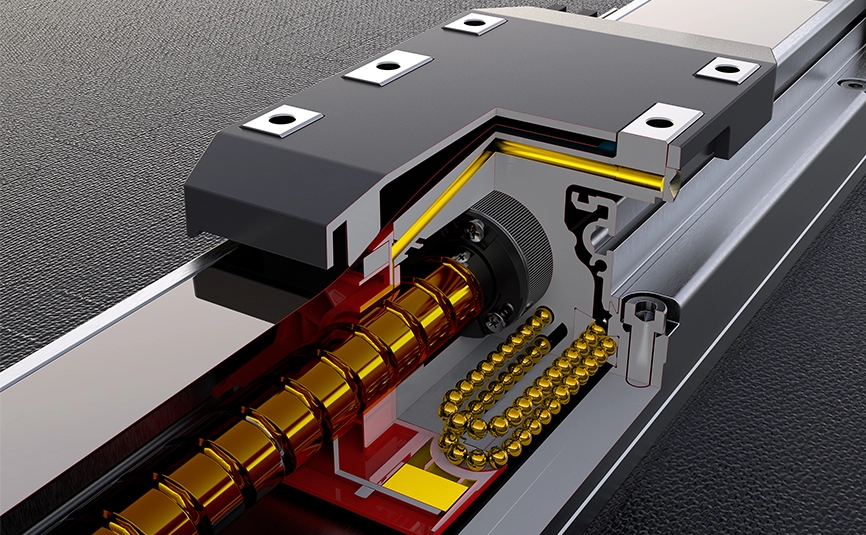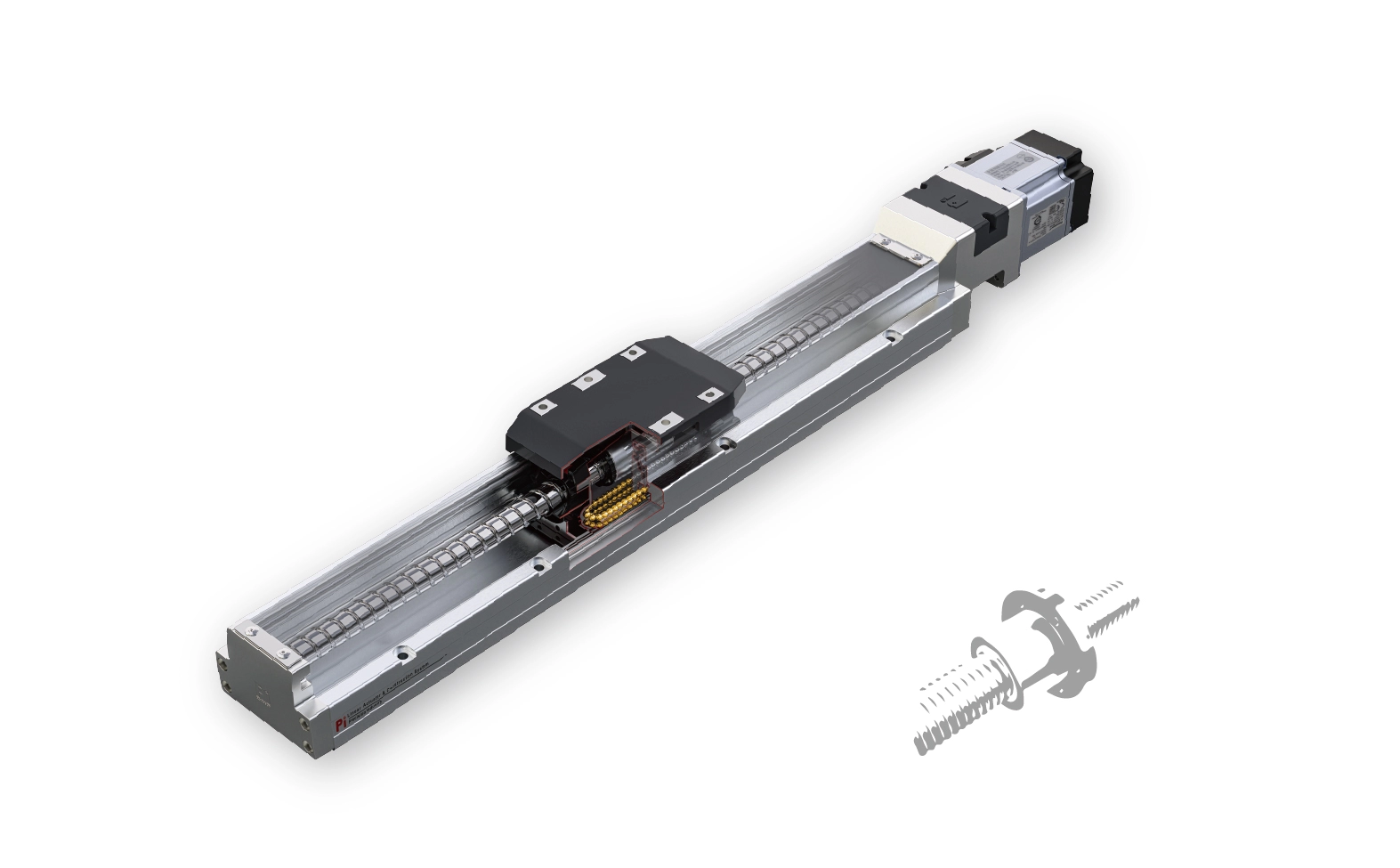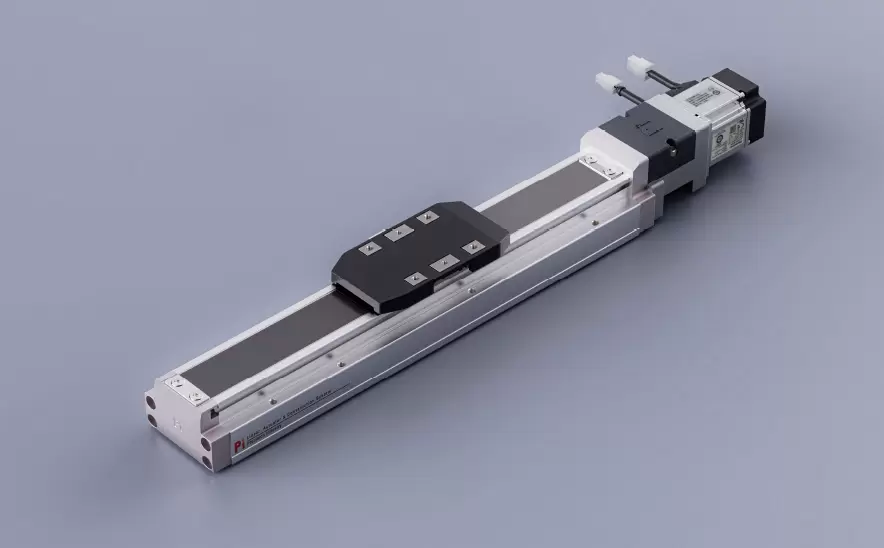
Motor Bottom Side
Repeatability:±0.005/0.01mmHorizontal Load:150kgVertical Load:55kgMaximum Speed:2000mm/sTravel Range:100-1500mm

 Current location:Home > Company > News > Latest news > Daily Care Routines to Prolong the Life of Your Precision Positioning Slide Table
 Date: Aug 26 2026
A precision positioning slide table is built to provide accurate and repeatable linear motion, often serving as a key component in automation systems, inspection equipment, semiconductor manufacturing, and laboratory instruments. While these systems are engineered for durability, their long-term performance depends just as much on daily care as it does on design quality.
The good news is that extending the life of your slide table doesn't require complicated maintenance or expensive tools. A few simple routines, carried out consistently, can help reduce wear, improve reliability, and minimize unexpected downtime.
If you're looking for practical ways to protect your investment, the following daily care habits are a great place to start.
Before powering up the equipment, take a few minutes to inspect the slide table.
Look for obvious signs of wear or anything that seems different from the previous day.
Check for:
Loose mounting hardware
Dust or debris on exposed surfaces
Damaged cables or connectors
Oil or grease where it shouldn't be
Scratches or signs of accidental impact
Most mechanical issues develop gradually. Identifying them early is often the easiest way to avoid larger repairs.
Guide rails are responsible for smooth and accurate movement, but they are also one of the most exposed parts of the system.
Even small amounts of contamination can affect motion quality over time.
As part of your daily routine:
Wipe away dust using a soft, lint-free cloth.
Remove metal chips if the slide table operates near machining equipment.
Avoid using rough cleaning materials that could damage finished surfaces.
A clean guide system allows the moving parts to operate with less resistance and more consistent accuracy.
Experienced operators often recognize problems simply by observing machine movement.
During normal operation, ask yourself:
Does the slide move smoothly?
Has the operating speed changed?
Is there any hesitation during travel?
Does the motion feel different from yesterday?
Small changes in movement may indicate that maintenance is needed, even before visible wear appears.
Machines often "communicate" through sound.
A precision positioning slide table should operate quietly and consistently.
Be alert for noises such as:
Clicking
Grinding
Squeaking
Knocking
Unexpected vibration
These sounds don't always mean serious damage, but they should never be ignored. Early investigation can help prevent more extensive maintenance later.
Lubrication plays an important role in reducing friction and protecting moving components.
Instead of automatically adding grease every day, inspect the lubrication condition.
Look for:
Dry guide surfaces
Dirty or contaminated grease
Uneven lubricant coverage
Hardened lubricant caused by age
Following the recommended lubrication schedule while performing daily checks helps keep the system operating efficiently without over-lubricating.
Even if the slide table itself is functioning properly, an unstable load can affect performance.
Before production begins, confirm that:
Workpieces are securely mounted.
Fixtures remain properly aligned.
The load is evenly distributed.
Nothing interferes with the moving platform.
Balanced loading reduces unnecessary stress on bearings and drive components.
Protecting a precision positioning slide table isn't only about the machine itself.
A clean workspace also contributes to reliable operation.
Remove:
Loose fasteners
Packaging materials
Metal chips
Excessive coolant residue
Unused tools near the motion path
An organized work area reduces the risk of accidental damage and contamination.
Continuous machine operation can gradually loosen mounting bolts due to vibration.
As part of routine care:
Inspect visible fasteners.
Confirm that fixtures remain secure.
Check for signs of movement between the slide table and its mounting surface.
A stable installation helps preserve positioning accuracy over long production cycles.
Daily observations become much more valuable when they are documented.
Simple notes such as:
Slight increase in operating noise
Minor vibration
Higher motor temperature
Slower response
Lubrication condition
can help maintenance personnel identify patterns before equipment performance declines.
Keeping a maintenance log also simplifies troubleshooting and supports preventive maintenance planning.
Equipment life depends not only on maintenance but also on how operators use the machine.
Daily best practices include:
Avoid forcing manual movement.
Operate within the recommended load capacity.
Prevent unnecessary impacts.
Follow proper startup and shutdown procedures.
Report unusual conditions immediately.
Consistent operating habits reduce unnecessary stress on precision components and contribute to longer equipment life.
It's easy to assume that only major maintenance tasks affect equipment lifespan, but small daily routines often have the greatest long-term impact.
Five to ten minutes spent inspecting, cleaning, and observing your precision positioning slide table each day can help:
Extend component life
Maintain positioning accuracy
Reduce unexpected downtime
Lower maintenance costs
Improve overall production efficiency
Over months and years, these simple habits add up to significant savings and more reliable operation.
A precision positioning slide table is a valuable investment for any high-accuracy application. Protecting that investment doesn't require complicated procedures—it starts with consistent daily care.
At our company, we design precision positioning slide tables to deliver dependable performance in demanding industrial environments. Combined with regular cleaning, proper lubrication, careful operation, and routine inspections, our motion solutions are built to provide years of stable and accurate service.
If you would like to learn more about selecting, maintaining, or optimizing a precision positioning slide table for your application, our team is always available to provide technical guidance and product support.