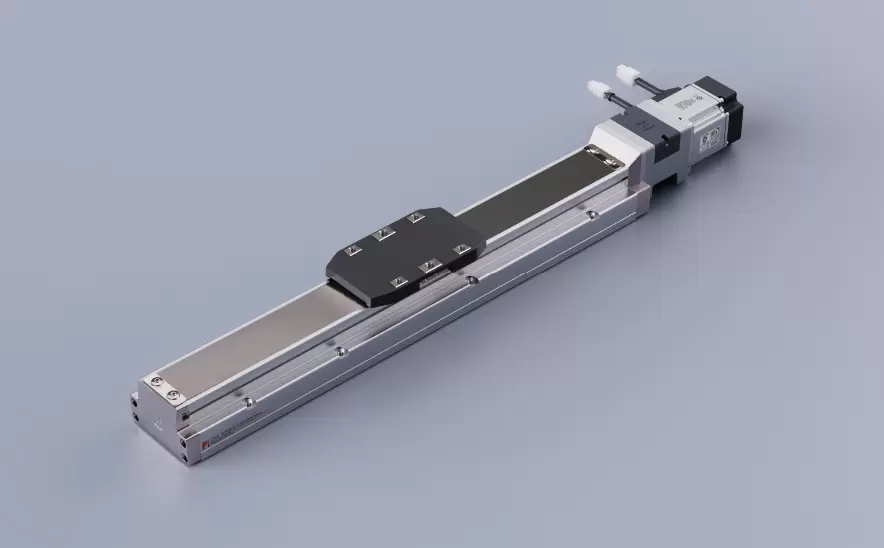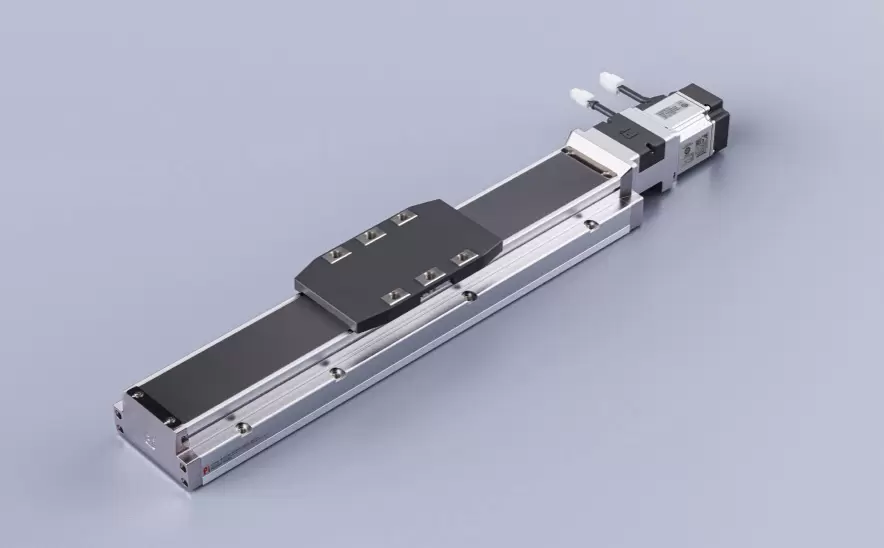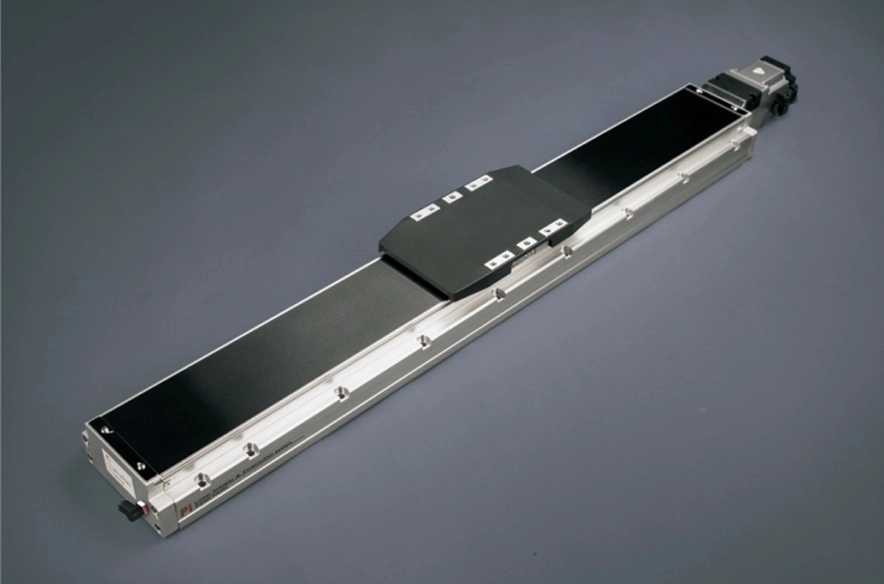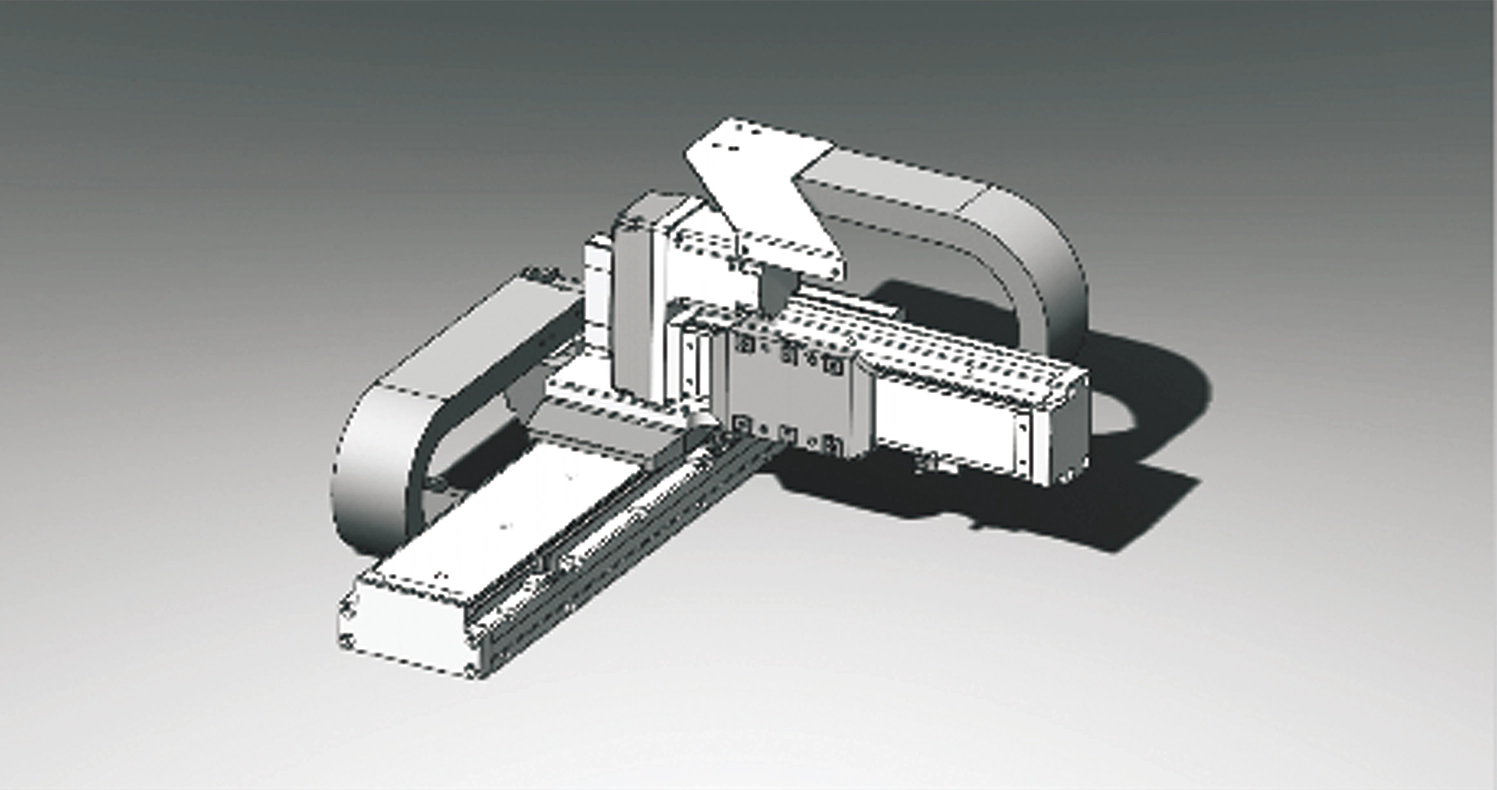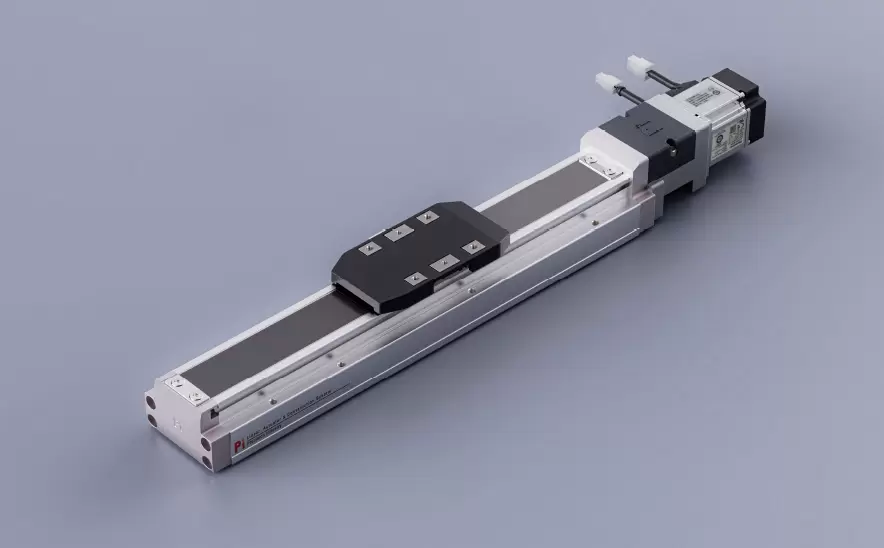
Motor Bottom Side
Repeatability:±0.005/0.01mmHorizontal Load:150kgVertical Load:55kgMaximum Speed:2000mm/sTravel Range:100-1500mm

 Current location:Home > Company > News > Latest news > How to Extend the Lifespan of Your Precision Positioning Slide Table
 Date: May 27 2026
Precision positioning slide tables are essential tools in manufacturing, research, and laboratory work. They deliver accurate motion, smooth operation, and consistent results—but like any precision equipment, their lifespan depends heavily on how they’re used and maintained. With a few practical strategies, you can keep your slide table running smoothly for years.
Dust, metal shavings, and other debris are among the biggest threats to slide tables. Small particles can scratch rails, clog bearings, or interfere with motion. A simple routine can prevent this:
Daily: Wipe exposed surfaces with a soft, lint-free cloth.
Weekly: Check for debris along rails and under covers.
Monthly: Perform a deeper cleaning, carefully removing any buildup around screws, bearings, or carriages.
Using gentle, non-corrosive cleaners will protect sensitive surfaces without damaging components.
Even high-quality slide tables need lubrication to reduce friction and prevent wear. But more isn’t always better—over-lubrication can attract dust and create sticky residue.
Use the lubricant recommended by the manufacturer.
Apply sparingly to rails, lead screws, and bearings.
Wipe away old or excess lubricant before reapplying.
A well-lubricated table moves smoothly and reduces stress on mechanical components.
Precision slide tables are designed for specific load capacities. Exceeding these limits can warp rails, stress motors, or damage bearings. Even when operating within limits:
Move the carriage gently and steadily.
Avoid sudden impacts or side loads that can misalign components.
Use end-of-travel stops or soft cushioning if the table moves to its physical limits.
Treating your equipment with care prevents mechanical wear and preserves alignment.
Small issues can grow into big problems if left unchecked. Make it a habit to:
Check for smooth, consistent motion along the full range of travel.
Inspect rails, screws, and bearings for scratches, wear, or corrosion.
Ensure fasteners are tight but not over-torqued, and that mounts remain secure.
Early detection of misalignment or wear can prevent costly repairs down the road.
Temperature changes, humidity, and exposure to chemicals or moisture can accelerate wear and corrosion. Consider:
Protective covers or shields for the slide table.
Climate-controlled rooms for sensitive operations.
Avoiding exposure to splashes or airborne particles from nearby processes.
Even simple environmental adjustments can significantly extend equipment life.
Documenting cleaning, lubrication, inspections, and any adjustments helps you track wear trends and plan preventive maintenance. This record makes it easier to spot recurring issues and can be invaluable if you ever need professional service.
No matter how careful you are, periodic professional servicing ensures the slide table stays in peak condition. Technicians can realign rails, replace worn bearings, and perform checks that go beyond routine maintenance.
Extending the lifespan of your precision positioning slide table isn’t about complicated procedures—it’s about consistent, thoughtful care. Clean it, lubricate it, inspect it, and handle it gently. Protect it from harsh environments, and back it up with professional checks when needed.
With these practices, your slide table can continue delivering accurate, reliable motion for years to come—keeping your operations efficient and your results precise.