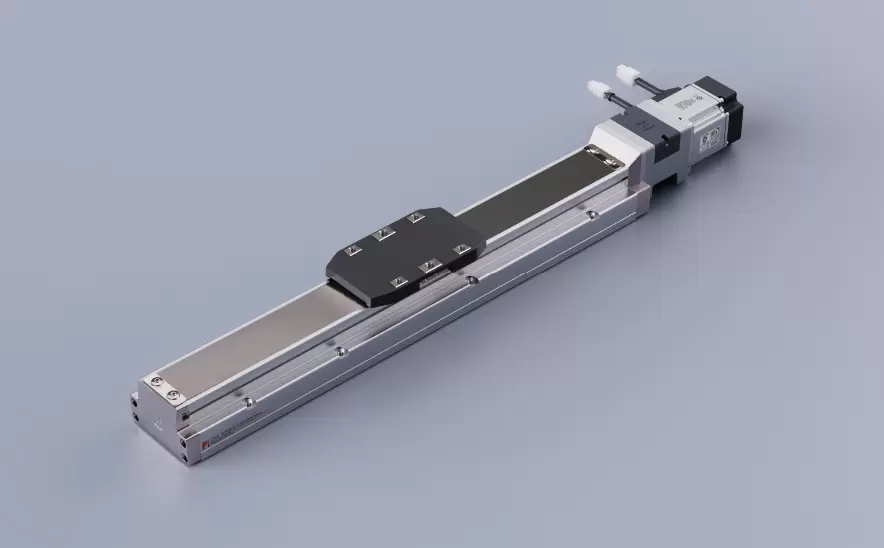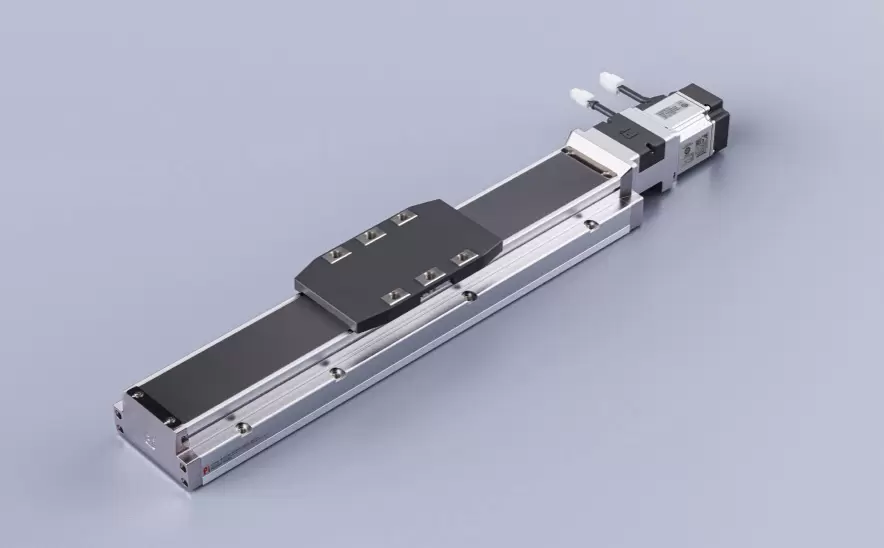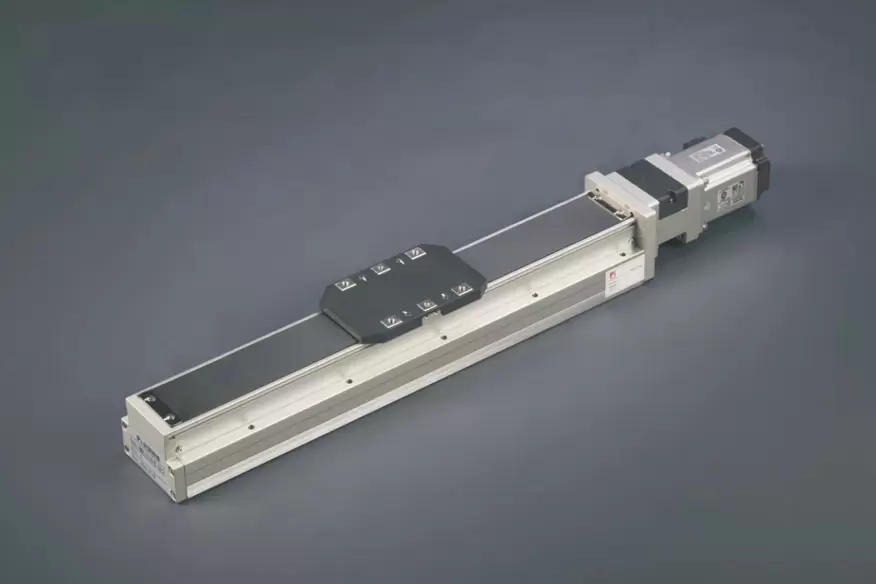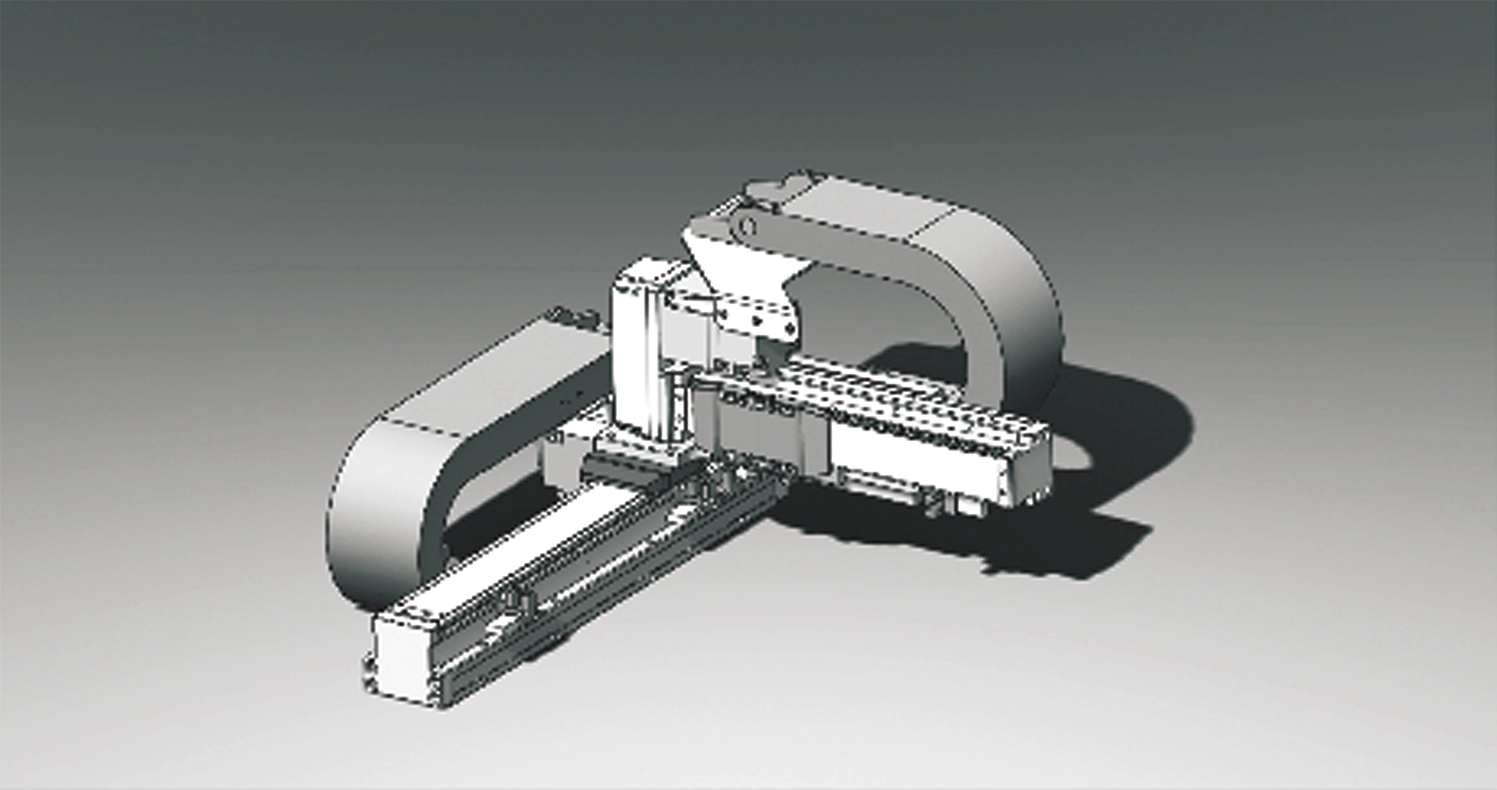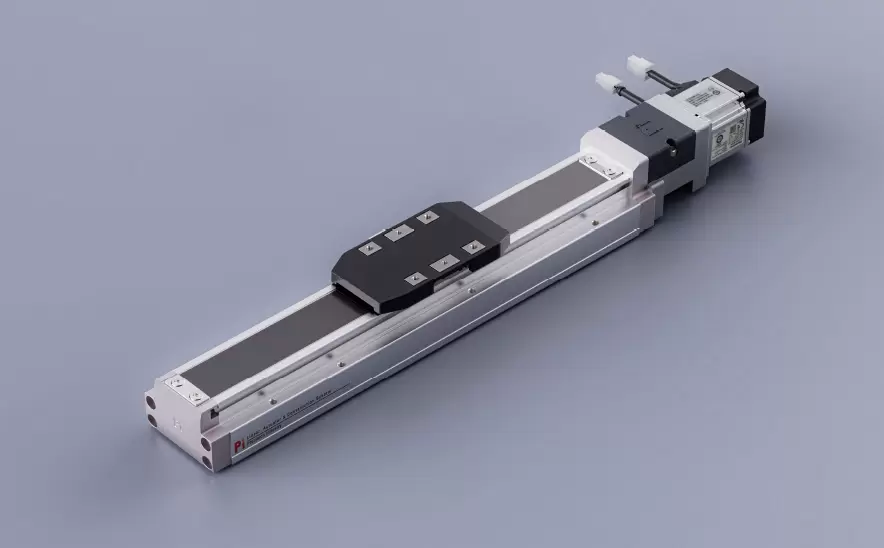
Motor Bottom Side
Repeatability:±0.005/0.01mmHorizontal Load:150kgVertical Load:55kgMaximum Speed:2000mm/sTravel Range:100-1500mm

 Current location:Home > Company > News > Latest news > Preventative Maintenance Tips for Precision Positioning Slide Tables
 Date: May 27 2026
Precision positioning slide tables are vital components in laboratories, manufacturing lines, and automation systems. They deliver smooth, accurate motion, ensuring your processes run efficiently. But like any finely tuned machine, their performance depends on regular care. Preventative maintenance isn’t just about fixing problems—it’s about avoiding them. Here’s how to keep your slide tables running at their best.
Even tiny particles of dust or debris can affect the smooth motion of your slide table. A simple cleaning routine can prevent wear and tear:
Daily: Wipe down exposed surfaces with a soft, lint-free cloth.
Weekly: Remove debris from rails, lead screws, and carriages.
Monthly: Inspect hidden areas, such as under covers or guards, for dust accumulation.
Use mild, non-corrosive cleaners to avoid damaging components.
Proper lubrication reduces friction and prevents premature wear—but overdoing it can attract dust and grime.
Apply the manufacturer-recommended lubricant sparingly to rails, bearings, and lead screws.
Remove old lubricant before adding fresh.
Stick to a regular schedule, especially if your slide table operates in a dusty or high-use environment.
Correct lubrication keeps the motion smooth and the wear minimal.
Regular inspections catch small issues before they turn into expensive problems. Look for:
Scratches, dents, or corrosion on rails and guides.
Uneven motion, unusual noise, or vibration from carriages.
Loose fasteners or mounting points.
Early detection allows you to address problems quickly and prevent downtime.
Slide tables are designed for specific weight limits and motion speeds. Overloading or forcing the carriage can cause misalignment, bearing damage, or rail deformation.
Always operate within the manufacturer’s specified limits.
Move carriages gently, avoiding sudden impacts.
If the table hits the end of its travel, use soft stops to prevent damage.
Environmental conditions can significantly affect precision equipment. Temperature extremes, humidity, or exposure to dust and chemicals can accelerate wear. Consider:
Covers or enclosures to keep dust and liquids away.
Climate-controlled rooms for sensitive operations.
Routine checks to ensure no buildup of debris or moisture in critical areas.
Keeping a log of cleaning, lubrication, inspections, and adjustments is simple but powerful. It helps:
Track patterns of wear over time.
Schedule preventative maintenance efficiently.
Provide a clear history if professional service is needed.
Even with diligent care, periodic professional servicing is a good idea. Technicians can:
Check alignment and smoothness with precise instruments.
Replace worn bearings or guides.
Perform detailed inspections that go beyond routine checks.
This ensures your slide table continues to perform at its peak.
Preventative maintenance isn’t complicated—it’s consistent. By keeping your slide table clean, lubricated, inspected, and properly handled, you protect your investment and extend its lifespan. Small, regular steps prevent major issues, ensuring your equipment delivers smooth, reliable motion for years.
A well-maintained precision slide table doesn’t just last longer—it works better, giving you accuracy and confidence in every operation.