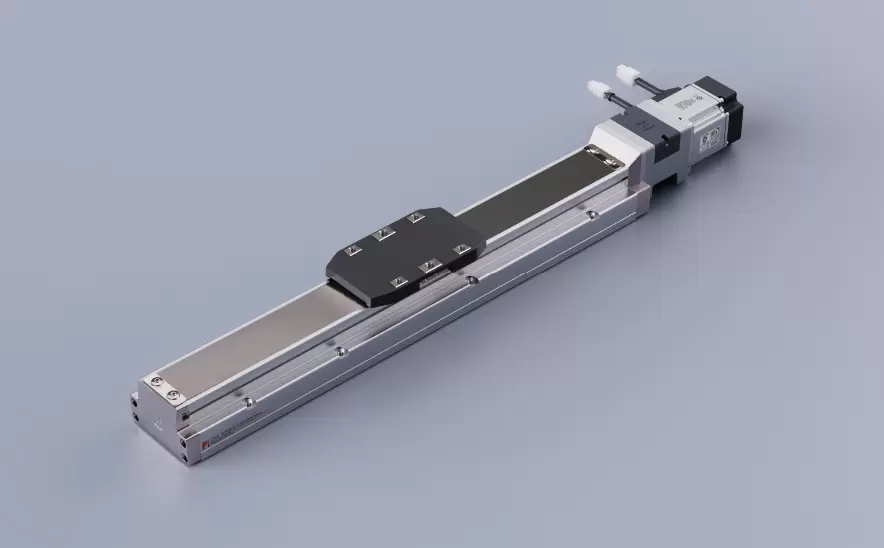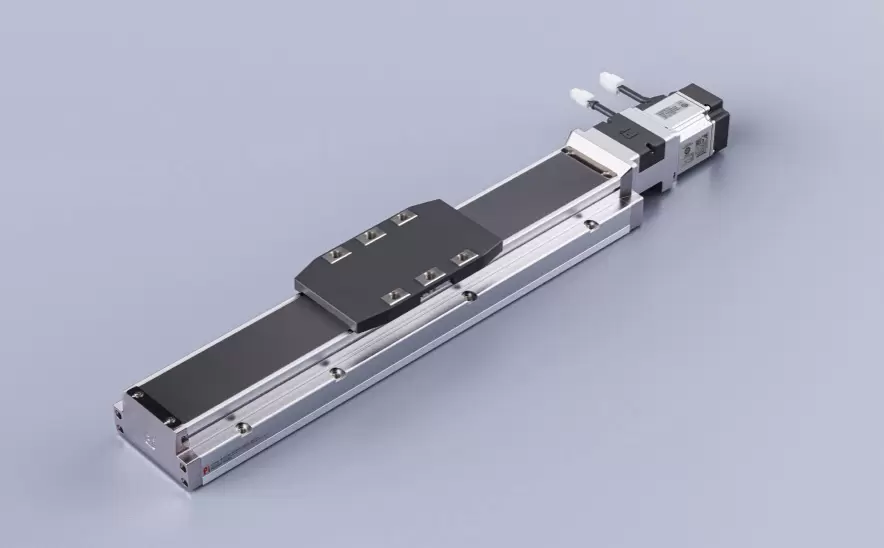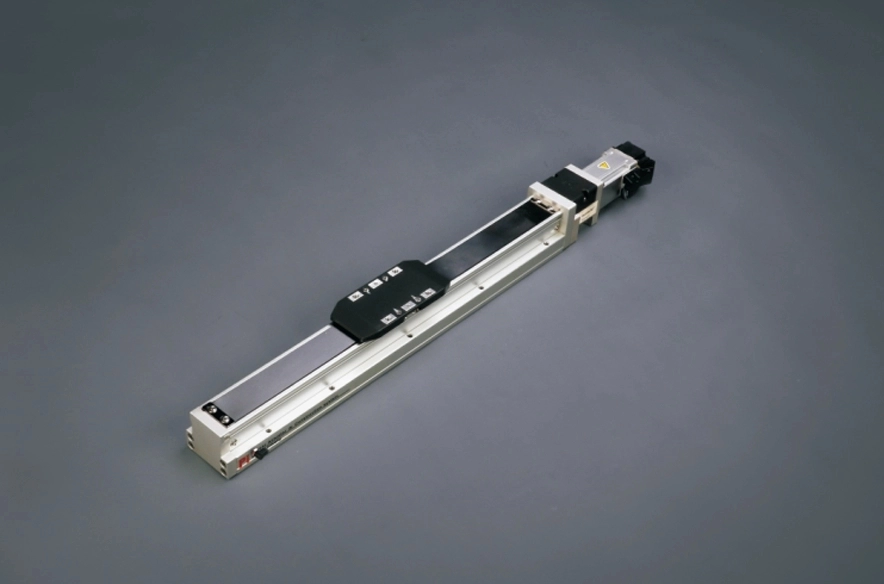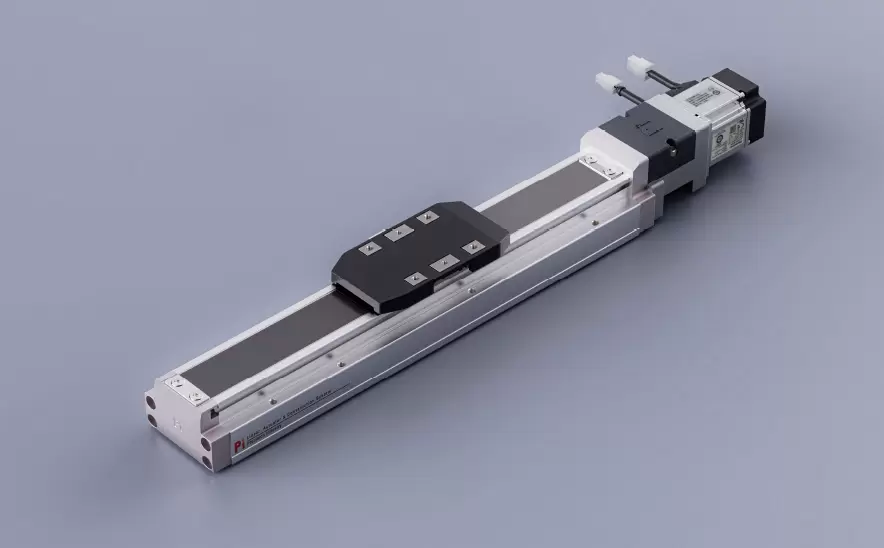
Motor Bottom Side
Repeatability:±0.005/0.01mmHorizontal Load:150kgVertical Load:55kgMaximum Speed:2000mm/sTravel Range:100-1500mm

 Current location:Home > Company > News > Latest news > How to Service Your Precision Positioning Slide Table for Long-Term Use
 Date: Jun 03 2026
Precision positioning slide tables are critical tools in labs, production lines, and automation systems. They offer smooth motion and pinpoint accuracy—but only if they’re properly maintained. Regular servicing not only keeps them running efficiently but also extends their lifespan, saving you time and money in the long run. Here’s a practical guide for keeping your slide table in top shape.
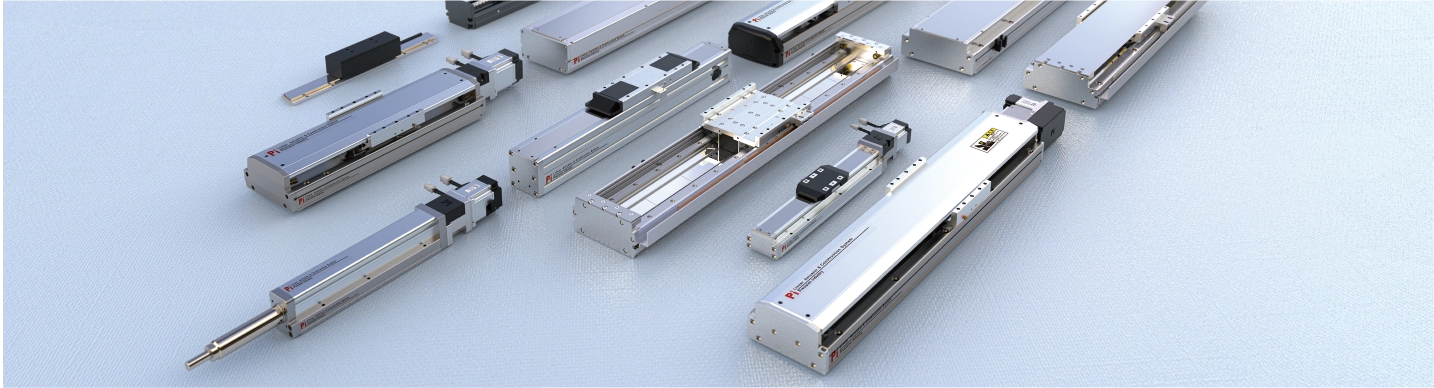
Before servicing, it’s important to know your equipment inside out. Most precision slide tables have rails, carriages, lead screws or belts, and bearings. Some models also include motors or controllers. Understanding these parts helps you identify where maintenance is needed and prevents accidental damage during service.
Dirt, dust, and small debris are the enemies of smooth motion. Even tiny particles can scratch rails or clog bearings.
Daily: Wipe the exterior surfaces with a soft, lint-free cloth.
Weekly: Remove debris from rails, screws, and carriage paths.
Monthly: Check under protective covers for hidden buildup.
Use mild cleaning solutions or manufacturer-recommended products to avoid damaging sensitive components.
Proper lubrication reduces friction and wear. Over-lubricating, however, can attract dust and create sticky residue that hinders movement.
Apply a small amount of manufacturer-recommended grease or oil to the rails, bearings, and lead screws.
Wipe off old lubricant before adding fresh.
Follow a regular schedule, especially in high-use or dusty environments.
Correct lubrication ensures smooth, reliable motion for years.
Even minor misalignments can affect precision. During servicing, check:
Rails and guides for scratches, dents, or corrosion.
Carriages for smooth, even motion and lack of vibration.
Fasteners and mounts for tightness without over-torquing.
Identifying small issues early prevents costly repairs and avoids operational downtime.
Precision slide tables are designed for accuracy, not brute force. Avoid:
Exceeding the weight or load limits.
Sudden impacts or side forces.
Forcing movement when the carriage is obstructed.
Gentle operation protects alignment and minimizes wear on components.
Environmental factors affect performance and longevity. Dust, humidity, temperature swings, and chemical exposure can all accelerate wear. To protect your slide table:
Use protective covers or enclosures.
Operate in temperature-controlled areas when possible.
Keep the table away from liquids or corrosive substances.
Even small environmental adjustments can make a significant difference over time.
Documenting your service activities helps track wear and schedule preventative care. Include:
Cleaning and lubrication dates.
Observations from inspections.
Any adjustments or replacements performed.
A log makes it easier to spot recurring issues and plan professional servicing if needed.
Even with careful maintenance, periodic professional servicing is important. Technicians can:
Align rails and carriages precisely.
Replace worn bearings or guides.
Conduct in-depth inspections that go beyond daily maintenance.
Professional checks ensure long-term performance and prevent unexpected failures.
Servicing your precision positioning slide table isn’t complicated—it’s about consistent, careful attention. Clean, lubricate, inspect, and handle your equipment with care, monitor the environment, and don’t skip professional checks. With these practices, your slide table will provide smooth, accurate motion for years, keeping your operations efficient and reliable.
Remember: a well-serviced slide table isn’t just long-lasting—it works better, helping you achieve the precision your work demands.