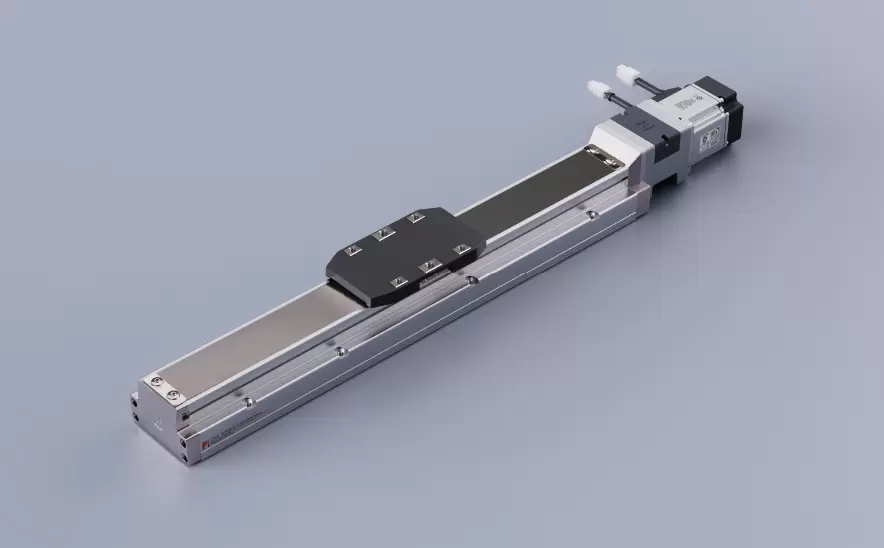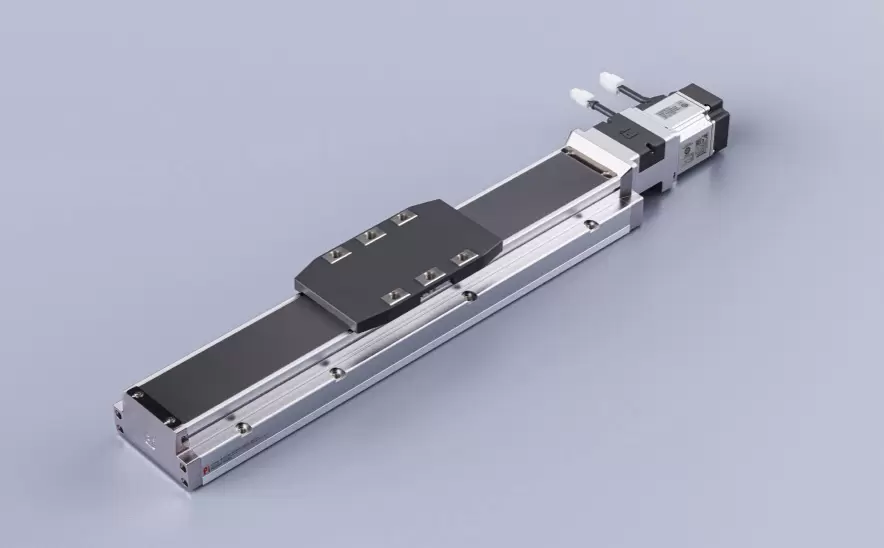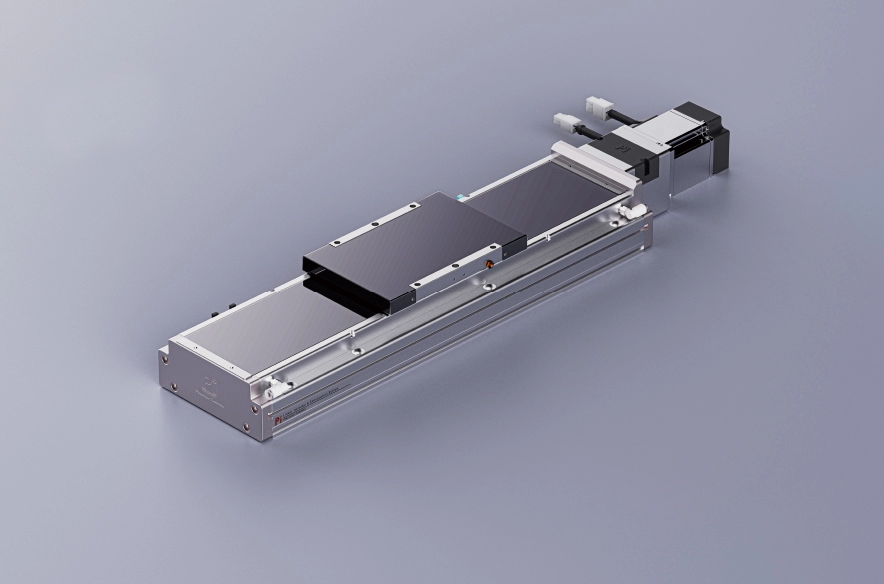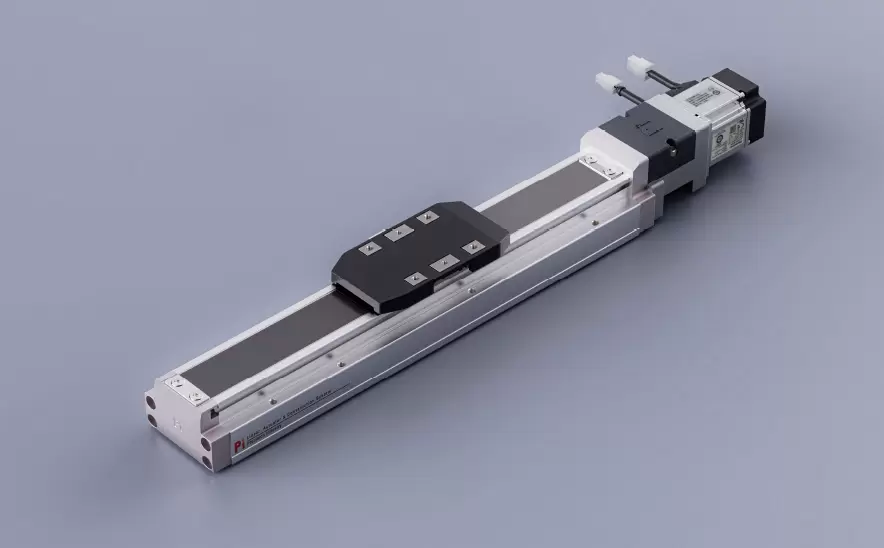
Motor Bottom Side
Repeatability:±0.005/0.01mmHorizontal Load:150kgVertical Load:55kgMaximum Speed:2000mm/sTravel Range:100-1500mm

 Current location:Home > Company > News > Latest news > How to Maintain the Accuracy of Your Precision Positioning Slide Table
 Date: Jun 10 2026
Precision positioning slide tables are essential tools in laboratories, manufacturing lines, and automation systems. They deliver smooth, controlled motion that ensures high accuracy and repeatability in your work. However, even the best slide tables can lose precision over time if they aren’t properly maintained. With a few practical strategies, you can keep your equipment accurate and reliable for years.
Contamination is one of the most common causes of accuracy loss. Dust, debris, or small particles on the rails and carriage can cause friction, uneven motion, or misalignment.
Daily: Wipe exposed surfaces with a soft, lint-free cloth.
Weekly: Inspect and remove debris from rails, screws, and guides.
Monthly: Check under protective covers for hidden buildup.
Avoid harsh chemicals; mild, non-corrosive cleaners or manufacturer-recommended solutions work best.
Proper lubrication reduces friction and wear, helping the slide table move smoothly and maintain accurate positioning.
Use lubricants recommended by the manufacturer.
Apply sparingly to rails, bearings, and lead screws.
Remove old or contaminated lubricant before adding fresh.
Over-lubricating can attract dust and create sticky residue, so moderation is key.
Even slight misalignment can affect precision. Regularly check:
Rails for straightness and smoothness.
Carriages for consistent, vibration-free motion.
Lead screws or belts for proper tension and minimal play.
Make minor adjustments as needed to keep the system aligned and operating accurately.
Exceeding weight limits or applying excessive force can distort components, resulting in positioning errors. Always:
Operate within the manufacturer’s specified load range.
Move the carriage gently and avoid sudden impacts.
Use end-of-travel stops or cushioning to prevent abrupt halts.
Handling your slide table with care preserves accuracy and minimizes wear.
Environmental factors like temperature changes, humidity, or vibrations can affect accuracy.
Keep the slide table in a stable, controlled environment whenever possible.
Avoid exposing it to direct sunlight, chemicals, or moisture.
Consider vibration-damping supports if the table is installed near heavy machinery.
Even small environmental improvements can make a big difference over time.
Regular inspections help you catch wear before it impacts accuracy:
Check bearings, guides, and screws for wear or damage.
Verify that fasteners and mounts are secure.
Inspect belts or motorized components for signs of fatigue.
Timely replacement of worn parts maintains smooth motion and precise positioning.
Recording your maintenance activities makes it easier to track trends and identify recurring issues. Include:
Cleaning and lubrication dates.
Component inspections and any adjustments.
Replacements or professional servicing performed.
A detailed log helps ensure consistent upkeep and informs future maintenance decisions.
Maintaining the accuracy of your precision positioning slide table isn’t complicated—it’s about consistent care and attention. Clean it, lubricate it, monitor alignment, avoid overloading, control environmental factors, and inspect components regularly. These steps protect your investment and ensure your slide table delivers smooth, precise motion day after day.
With careful maintenance, your precision slide table will continue to perform reliably, helping you achieve accurate results in every operation.