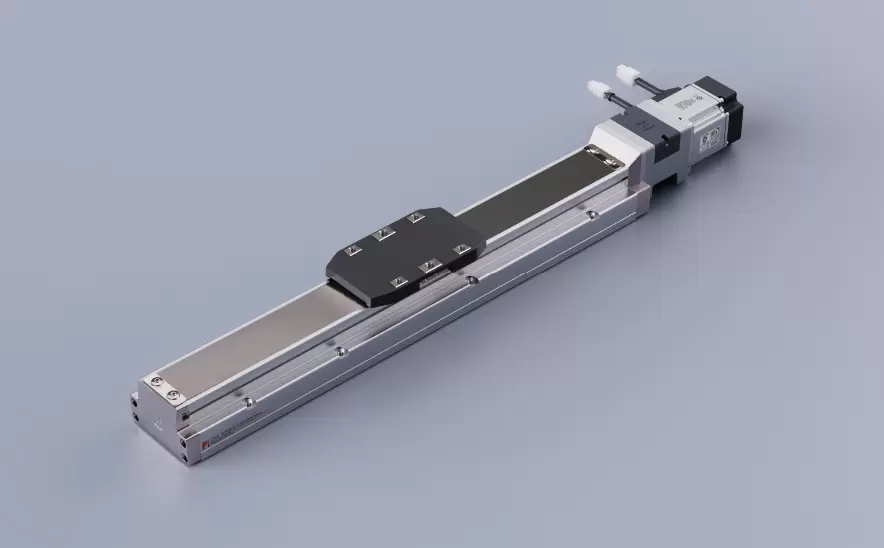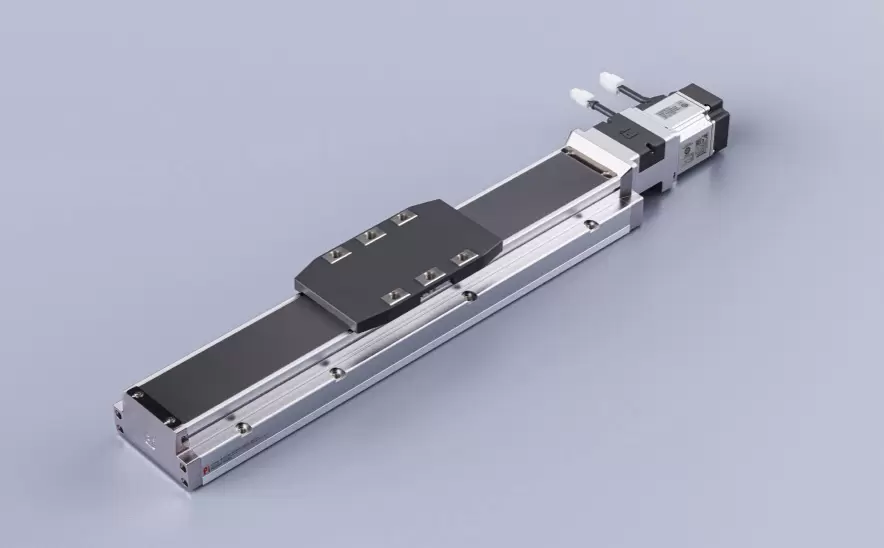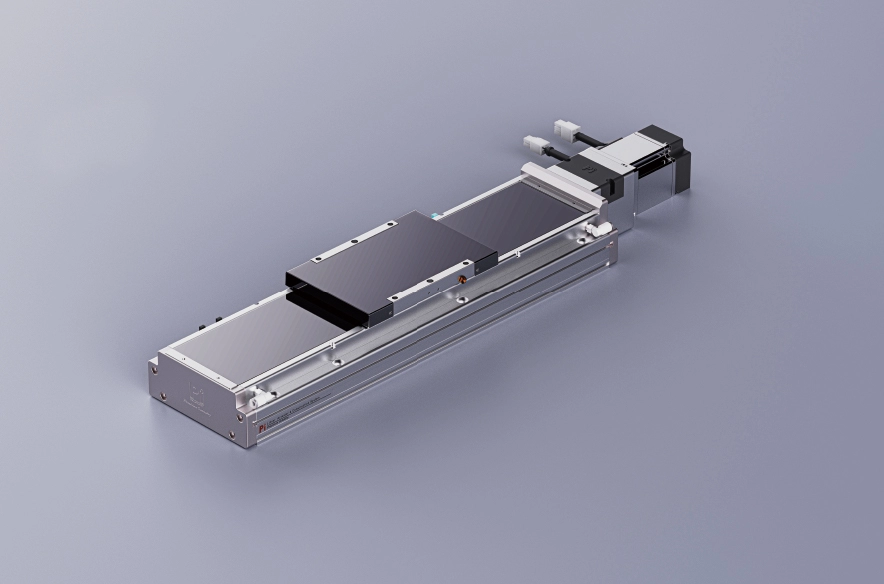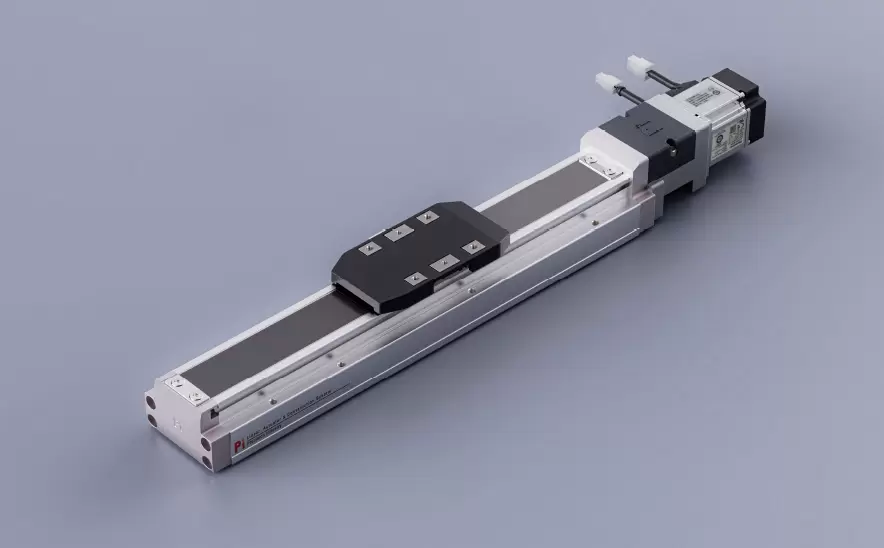
Motor Bottom Side
Repeatability:±0.005/0.01mmHorizontal Load:150kgVertical Load:55kgMaximum Speed:2000mm/sTravel Range:100-1500mm

 Current location:Home > Company > News > Latest news > Common Repairs for Precision Positioning Slide Tables and How to Fix Them
 Date: Jun 10 2026
Precision positioning slide tables are essential tools in laboratories, manufacturing lines, and automation systems. They provide accurate, smooth motion that keeps processes running efficiently. However, like any mechanical system, slide tables can experience wear or issues over time. Understanding the most common problems and how to address them can save time, reduce downtime, and extend the life of your equipment.
Symptoms: The carriage feels jerky, binds at certain points, or doesn’t move smoothly along the full travel range.
Causes: Dust or debris on rails, dried or insufficient lubrication, or misaligned components.
Fix:
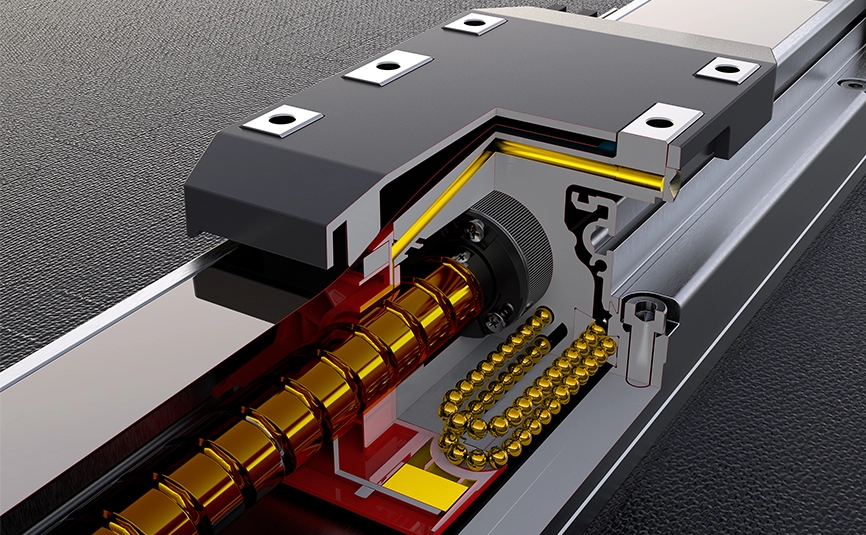
Thoroughly clean the rails, lead screws, and bearings with a soft cloth and mild cleaner.
Reapply manufacturer-recommended lubricant sparingly.
Check alignment of rails and carriages and adjust if necessary.
Regular cleaning and lubrication can prevent this issue from recurring.
Symptoms: Grinding, squeaking, or rattling noises during operation.
Causes: Worn bearings, lack of lubrication, or loose fasteners.
Fix:
Inspect bearings and replace any that show wear or damage.
Ensure all screws and mounts are securely tightened.
Lubricate moving parts according to the manufacturer’s instructions.
Addressing noise early prevents further damage to the slide table.
Symptoms: The carriage doesn’t stop exactly where intended, or motion isn’t precise.
Causes: Worn lead screws, loose nuts, or worn belts in belt-driven systems.
Fix:
Tighten or replace worn nuts or lead screws.
For belt-driven slides, inspect belts for stretch or damage and replace if needed.
Check overall alignment and recalibrate if necessary.
Correcting these issues ensures continued accuracy and precision in your operations.
Symptoms: The carriage wobbles or drifts slightly during operation, even when stationary.
Causes: Loose bearings, misaligned rails, or damaged guides.
Fix:
Inspect bearings and replace any that are worn or damaged.
Re-align rails carefully to manufacturer specifications.
Ensure mounts are secure and the system is properly leveled.
Maintaining proper alignment keeps the slide table stable and precise.
Symptoms: The motor doesn’t move the carriage smoothly, stalls, or fails to start.
Causes: Electrical issues, worn drive components, or overheating.
Fix:
Check wiring connections and ensure the power supply is stable.
Inspect drive components, such as belts or lead screws, for wear.
Allow the motor to cool if overheating and ensure proper ventilation.
Consult the manufacturer if the problem persists, as specialized knowledge may be required.
While repairs are sometimes unavoidable, regular preventative maintenance can reduce the likelihood of most common issues:
Clean and lubricate rails and screws regularly.
Inspect bearings, belts, and screws for wear.
Avoid overloading or forcing the carriage.
Monitor environmental conditions like dust, moisture, and temperature.
Precision positioning slide tables are highly reliable, but they still require attention to maintain optimal performance. Understanding common repairs—from stiff movement to positioning errors—allows operators to quickly identify and resolve problems, minimizing downtime and extending the life of the equipment. With consistent care and timely repairs, your slide table can continue delivering accurate, smooth, and dependable motion for years to come.