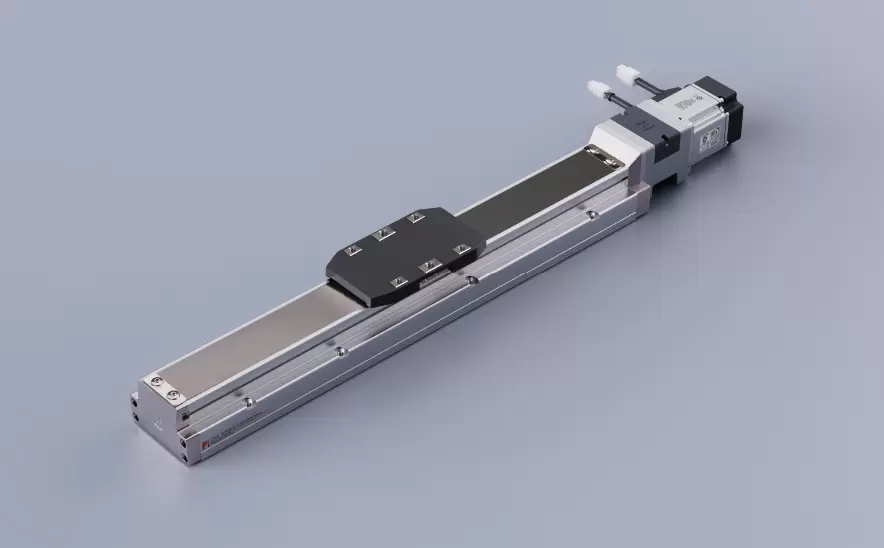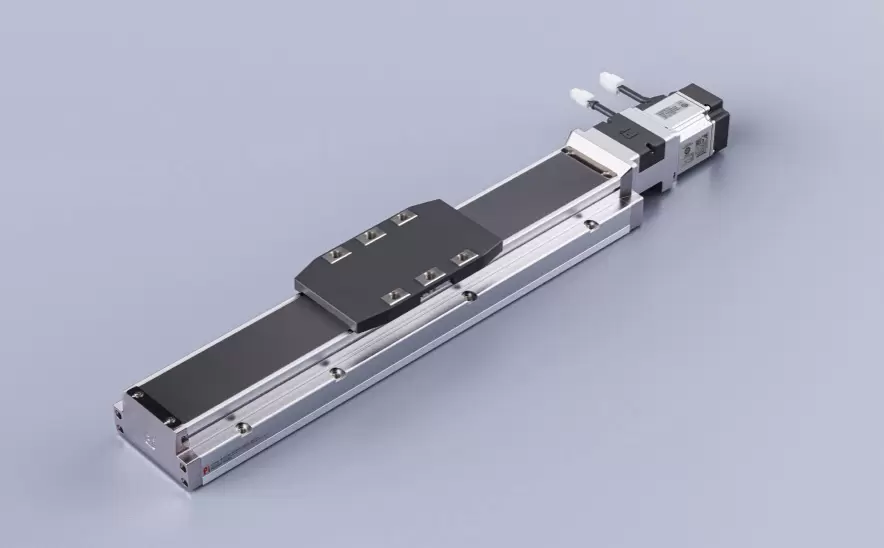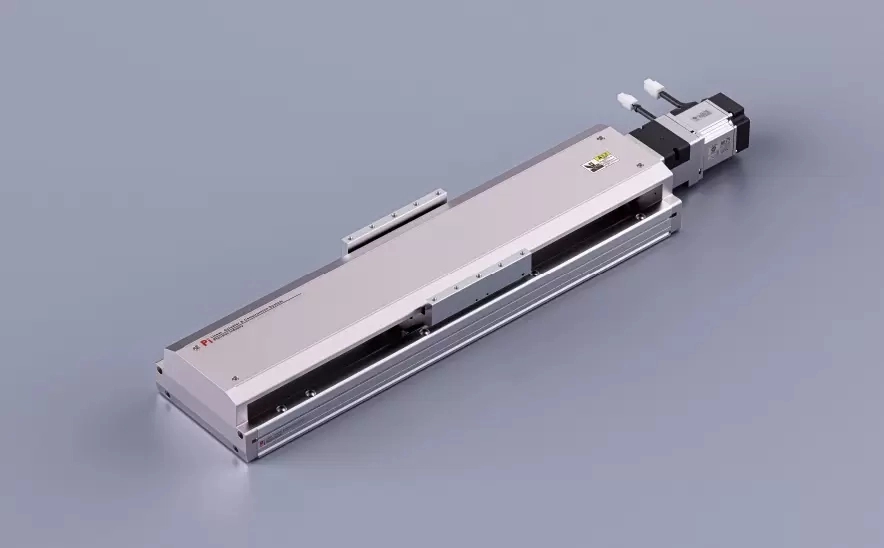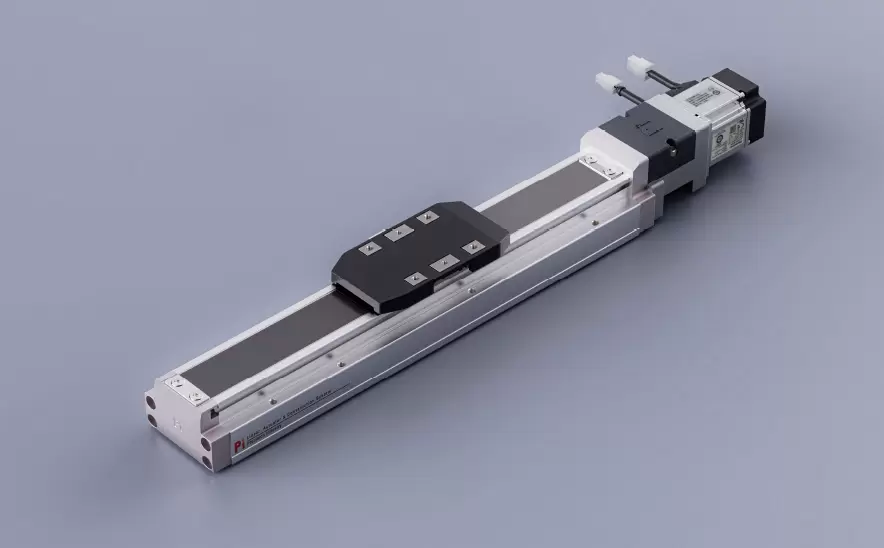
Motor Bottom Side
Repeatability:±0.005/0.01mmHorizontal Load:150kgVertical Load:55kgMaximum Speed:2000mm/sTravel Range:100-1500mm

 Current location:Home > Company > News > Latest news > Standard Ball Screw Actuator vs Other Linear Drives: Key Differences Explained
 Date: Dec 18 2025
Linear motion systems are the backbone of modern automation. From semiconductor fabrication and electronics assembly to medical equipment and industrial testing, machines rely on linear drives to deliver accurate, repeatable movement. However, not all linear drive technologies are created equal. Each has distinct strengths and limitations that influence positioning accuracy, load capacity, speed, and long-term stability.
Among the most commonly used solutions are standard ball screw actuators, belt-driven actuators, linear motors, and rack-and-pinion systems. Understanding the differences between these technologies helps engineers select the most suitable solution for each application.
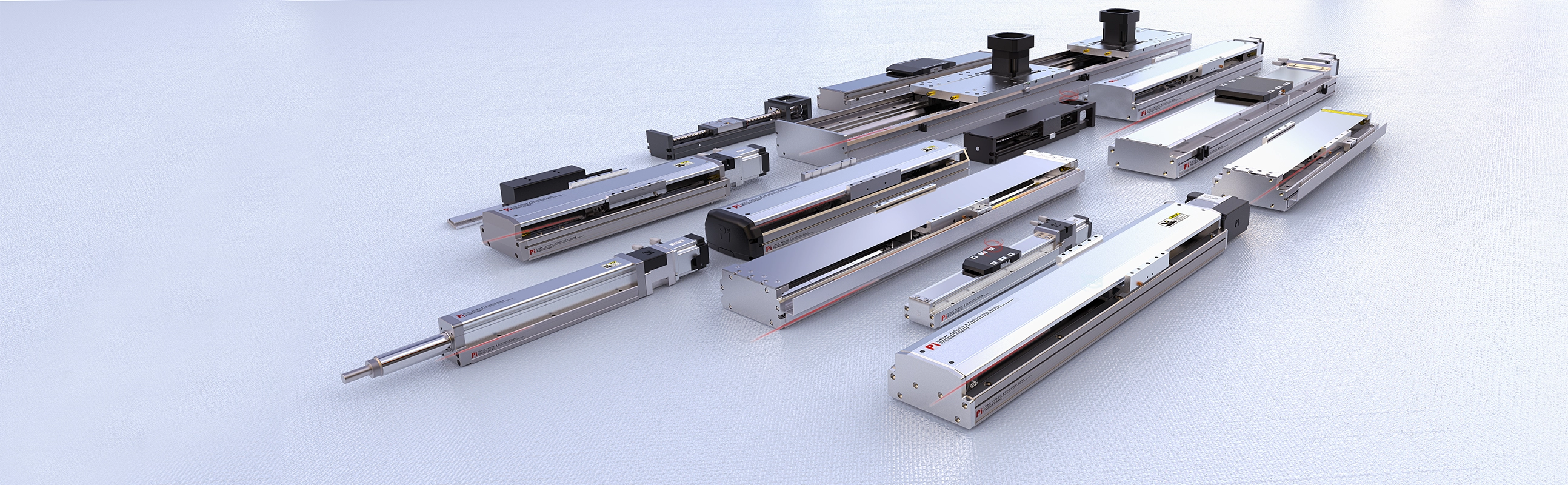
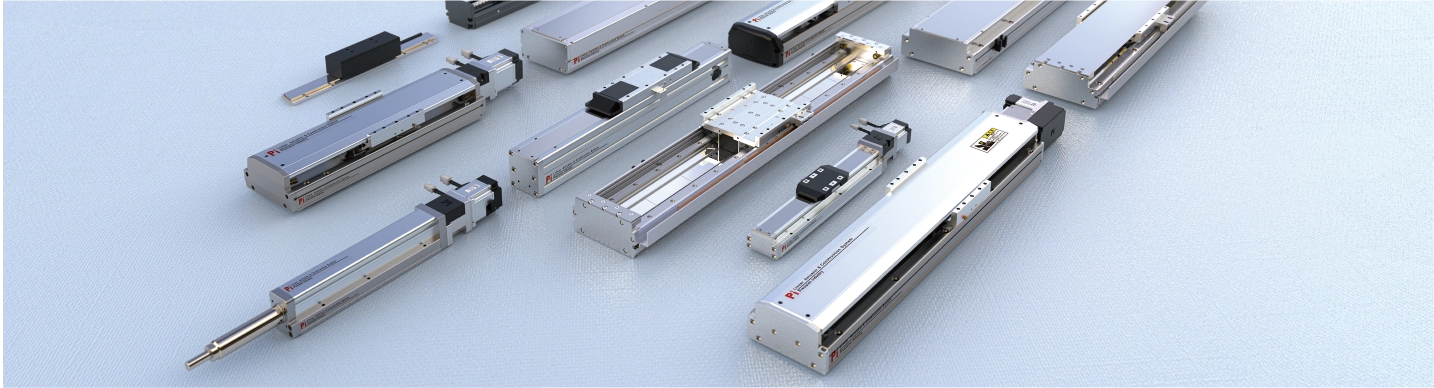
Since its founding in 2003, Ruan has focused on precision motion technology. Under the Pi brand, the company designs and manufactures precision positioning slide tables, XY linear modules, electric cylinders, rectangular coordinate modules, linear motor modules, built-in slide tables, industrial robot arms, and transmission components. Within this portfolio, the Standard Ball Screw Actuator remains a core solution for applications requiring high accuracy and stable positioning.
This article compares standard ball screw actuators with other common linear drive technologies and explains their key differences.
A standard ball screw actuator converts rotary motion into linear movement through a rolling contact mechanism. Steel balls circulate between the screw and nut, significantly reducing friction compared to sliding systems.
High positioning accuracy and repeatability
Strong axial rigidity and load capacity
Predictable mechanical response
Excellent compatibility with servo control
Mature, widely adopted industrial design
Because of this balance, ball screw actuators are frequently used as a benchmark when comparing linear drive solutions.
Belt-driven systems use timing belts and pulleys to create linear motion. They are commonly used in applications that require long stroke lengths and high speed.
Strengths
High travel speed
Long stroke capability
Lightweight moving components
Limitations
Lower positioning accuracy
Reduced rigidity under load
Elasticity in belts can affect repeatability
Wear over time impacts accuracy
Ball screw actuators offer superior accuracy and rigidity, making them better suited for precision positioning tasks. Belt-driven actuators, on the other hand, are often selected for high-speed transport where accuracy requirements are less strict.
Typical use cases
Ball screw: inspection platforms, precision assembly, medical equipment
Belt drive: material transfer, packaging, long-distance motion
Linear motors generate motion directly without mechanical transmission components. They are known for extremely high speed and acceleration.
Strengths
No mechanical contact
Very high speed and acceleration
Excellent dynamic response
Limitations
Higher system complexity
Greater control and cooling requirements
Sensitivity to environmental conditions
Lower inherent holding force when powered off
Standard ball screw actuators provide higher load-holding capability and simpler mechanical integration. Linear motors excel in ultra-fast applications but may not be ideal where rigidity, holding stability, or environmental robustness is required.
Typical use cases
Ball screw: precision positioning, vertical axes, load-bearing systems
Linear motor: high-speed scanning, ultra-fast pick-and-place
Rack-and-pinion systems convert rotary motion into linear movement using gears. They are often used for long travel and heavy loads.
Strengths
Suitable for long stroke applications
Capable of handling large loads
Simple mechanical concept
Limitations
Lower positioning accuracy
Gear backlash affects repeatability
Noise and wear over time
Ball screw actuators provide higher accuracy and smoother motion, while rack-and-pinion systems are typically chosen for heavy-duty applications where precision is secondary.
Typical use cases
Ball screw: CNC auxiliary axes, precision automation
Rack-and-pinion: gantry systems, large machinery movement
Positioning accuracy and repeatability are critical in industries such as semiconductor, PCB, and medical manufacturing.
Ball screw actuators: High accuracy, low backlash, excellent repeatability
Belt drives: Moderate accuracy, affected by belt elasticity
Linear motors: Very high accuracy, dependent on control and feedback systems
Rack-and-pinion: Moderate to low accuracy, influenced by gear clearance
For applications where repeatable positioning directly affects product quality, ball screw actuators remain a preferred choice.
Load handling capability is another important differentiator.
Ball screw actuators: Strong axial load capacity with compact structure
Belt drives: Limited load capacity due to belt tension
Linear motors: Load capacity depends on motor size and magnetic force
Rack-and-pinion: Suitable for very heavy loads but with reduced precision
Ball screw actuators strike a balance between load capacity and precision, which is why they are widely used in industrial automation.
Mechanical wear affects all linear drive systems differently.
Ball screw actuators: Rolling contact reduces wear; predictable maintenance
Belt drives: Belts stretch and require periodic replacement
Linear motors: Fewer mechanical parts but require careful thermal and control management
Rack-and-pinion: Gear wear impacts backlash and noise
With proper lubrication and alignment, ball screw actuators maintain stable performance over long service cycles.
From a system design perspective, standard ball screw actuators offer:
Straightforward mechanical integration
Compatibility with common servo and stepper motors
Predictable behavior during commissioning
Wide availability of standard sizes and configurations
This simplifies machine design and reduces development time.
With over 20 years of experience, Ruan understands the importance of stable and reliable motion in industrial automation. While the Pi product portfolio includes linear motor modules and other advanced solutions, standard ball screw actuators remain a core offering due to their proven performance across multiple industries.
By focusing on precision manufacturing, structural rigidity, and application-driven design, Ruan provides ball screw actuator solutions that meet the real-world demands of high-precision positioning.
Each linear drive technology has its place in industrial automation. Belt drives excel in speed and long travel, linear motors dominate ultra-dynamic motion, and rack-and-pinion systems handle heavy-duty movement. However, when accuracy, repeatability, rigidity, and long-term stability are required, standard ball screw actuators continue to be a trusted solution.
For precision manufacturing environments such as semiconductor, electronics, medical, and automation systems, the standard ball screw actuator offers a balanced and reliable approach to linear motion. Backed by decades of engineering experience, Ruan continues to support these industries with motion solutions designed for accuracy and consistency.