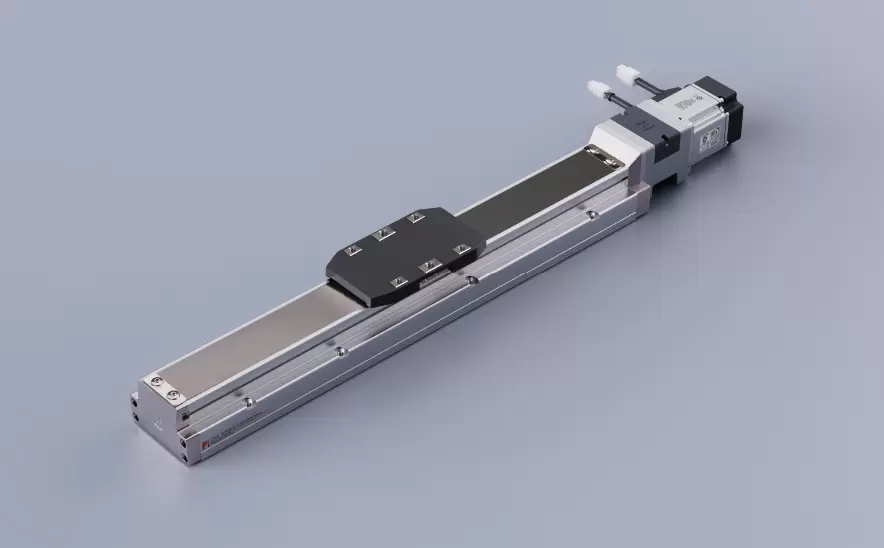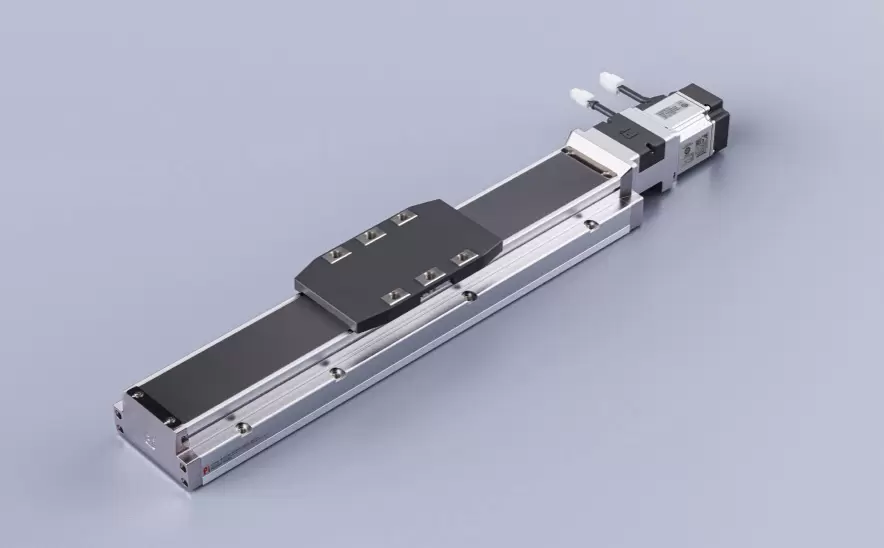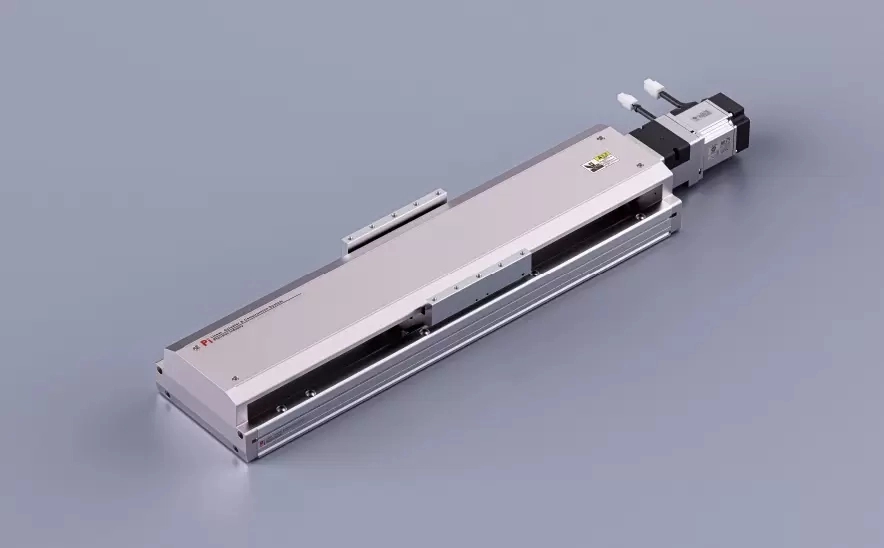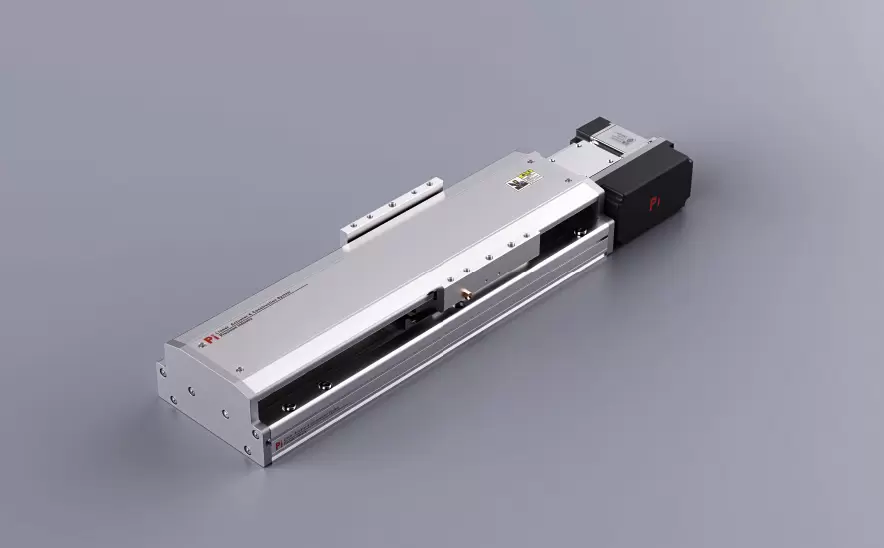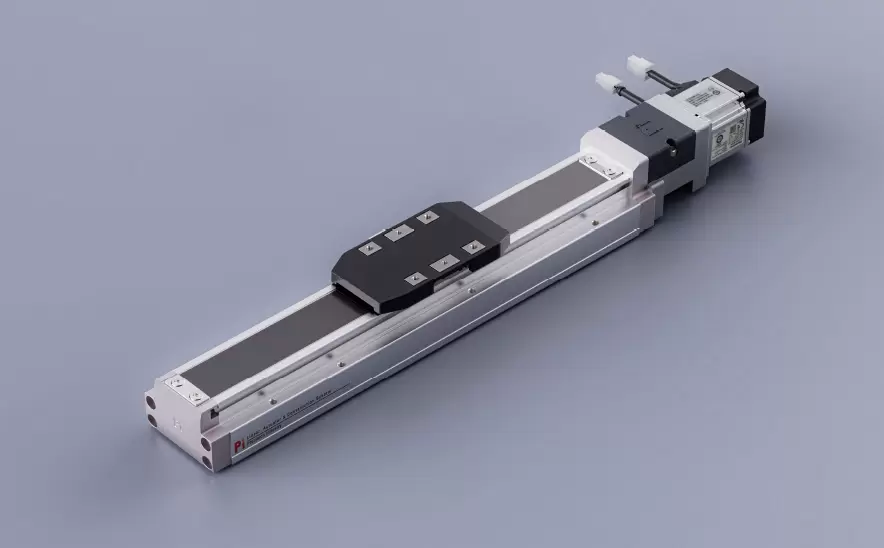
Motor Bottom Side
Repeatability:±0.005/0.01mmHorizontal Load:150kgVertical Load:55kgMaximum Speed:2000mm/sTravel Range:100-1500mm

 Current location:Home > Company > News > Latest news > How to Choose the Right Precision Positioning Slide Table for Small-Scale Manufacturing
 Date: Mar 11 2026
In small-scale manufacturing, precision is key. Whether you’re working with automated assembly, micro-manufacturing, or customized product creation, the equipment you choose can greatly impact the quality, speed, and consistency of your processes. One essential piece of equipment that plays a crucial role in achieving high-precision movement is the precision positioning slide table.
However, choosing the right slide table for your small-scale manufacturing operations can be a complex decision. With a variety of options on the market, it’s important to evaluate the specific needs of your application to ensure the best possible performance. This guide will help you navigate the key factors to consider when selecting a precision positioning slide table that meets the demands of your small-scale manufacturing environment.
1. Define Your Application NeedsThe first step in choosing the right slide table is to understand the specific tasks you’ll be performing. Precision positioning slide tables are highly versatile and can be used in various applications, from material handling to machining and assembly. The requirements for each application can vary significantly, so defining your needs is crucial.
For Micro-manufacturing: If you are involved in creating tiny, intricate parts, a slide table with sub-micron accuracy and fine adjustments may be required.
For Automated Assembly: If your task is more about repetitive movement with moderate precision, then a slide table with a high load capacity and reliable speed control may be the focus.
For Testing and Inspection: If you're positioning sensitive components, such as optical equipment or circuits, then vibration control, stability, and precision will be essential.
By understanding your needs, you can make a more informed decision about the type of precision slide table that will best suit your manufacturing process.
2. Consider the Load CapacityIn small-scale manufacturing, the load capacity of the slide table plays a critical role in determining its suitability for your application. Depending on the materials or components you’re working with, you’ll need to select a slide table that can handle the weight without compromising precision or stability.
What to Look For:
Static load capacity: The maximum weight the table can support when stationary.
Dynamic load capacity: The maximum weight the table can carry while moving, which is especially important for applications that require high precision during movement.
It’s essential to choose a slide table with an appropriate load capacity for your application to prevent deformation or misalignment that could affect the quality of your work.
3. Precision and RepeatabilityThe main purpose of a precision positioning slide table is to allow for accurate and repeatable movements. In small-scale manufacturing, consistency and precision are vital to producing high-quality parts and ensuring the repeatability of processes.
What to Look For:
Precision: Look for a slide table that provides the necessary level of accuracy for your application. Some models offer precision in the micron range (e.g., ±1 micron or better), which is crucial for fine manufacturing tasks.
Repeatability: This refers to the ability of the table to return to the exact same position after multiple cycles. High repeatability is particularly important for automated or robotic applications where consistent positioning is necessary.
A slide table with high precision and repeatability will ensure that your manufacturing process runs smoothly, reducing defects and increasing efficiency.
4. Speed and Travel RangeThe speed at which the slide table moves and its travel range will have a significant impact on your overall manufacturing process. Different applications require varying speeds and ranges depending on the task at hand.
What to Look For:
Travel Range: Consider the maximum distance the slide table needs to travel. For applications like assembly or packaging, the range may need to be longer. For precise testing or micromachining, a shorter travel range may suffice.
Speed Control: The speed at which the slide table operates can affect cycle time. In small-scale manufacturing, where production runs may be smaller but quality is critical, having variable speed control can help fine-tune the process for optimal performance.
If your production involves frequent repositioning of parts or components, a slide table with the right speed and range will enhance efficiency and reduce bottlenecks.
5. Material SelectionThe material of the precision positioning slide table influences its durability, load capacity, and resistance to wear and corrosion. In small-scale manufacturing, it’s important to choose a material that aligns with both your application requirements and environmental conditions.
Common Materials:
Aluminum: Lightweight and cost-effective, suitable for lighter loads and general applications.
Stainless Steel: Provides higher strength and corrosion resistance, ideal for more demanding environments or heavy loads.
Anodized Aluminum: Anodizing improves the corrosion resistance of aluminum, making it a good option for moderate duty applications.
Titanium: Strong and highly corrosion-resistant, suitable for high-performance applications in harsh environments, though typically more expensive.
Choosing the right material ensures that your slide table remains functional and reliable over time, especially in environments subject to wear or corrosion.
6. Type of ActuationSlide tables can be powered in different ways, and the type of actuation you choose will depend on the level of precision, speed, and control required for your application. Common actuation methods include:
Manual Actuation: Manual slide tables are less expensive and provide simple, hands-on control, making them suitable for small-scale, low-volume tasks. However, they may not offer the precision or speed needed for more complex tasks.
Electric Motors: Electric-powered slide tables offer the precision and repeatability needed for automated or robotic applications. They typically provide more consistent movement, programmable control, and the ability to integrate with automated systems.
Pneumatic or Hydraulic Actuators: These are used in systems that require higher force but don’t need as fine a level of control as electric-powered systems. Pneumatic or hydraulic actuation can be useful in applications with higher load capacities or faster speeds.
For most small-scale manufacturing operations, an electric motorized slide table will offer the best balance of precision, speed, and ease of integration.
7. Environmental ConsiderationsEnvironmental conditions such as temperature, humidity, and exposure to dust or chemicals can impact the performance and longevity of your slide table. Depending on your production environment, you may need to choose a slide table that is resistant to certain factors.
What to Look For:
Corrosion resistance: If your operation involves exposure to moisture, chemicals, or other corrosive elements, consider a slide table made from materials like stainless steel or anodized aluminum.
Sealing and Protection: For cleanroom environments, choose a slide table with sealed bearings and dust-resistant features.
Temperature tolerance: If your operation involves high heat or extreme temperature fluctuations, ensure the slide table can handle the thermal load without compromising performance.
Selecting a slide table that can withstand your environmental conditions will enhance its durability and reliability, reducing the need for frequent maintenance.
8. Maintenance and ServiceabilityMaintenance plays a key role in ensuring the longevity of your precision slide table. Consider how easy it is to maintain, lubricate, or replace parts in the system.
What to Look For:
Ease of access to moving parts: Choose a slide table with easy access to components like bearings or motors for routine maintenance.
Lubrication systems: Some slide tables feature self-lubricating systems, while others require manual lubrication. Consider the maintenance requirements of each type before making a decision.
Service support: Ensure that the manufacturer offers service support, replacement parts, and warranties to keep the table running smoothly over time.
By selecting a slide table with easy-to-maintain features, you can minimize downtime and ensure smooth operation throughout its lifespan.
ConclusionChoosing the right precision positioning slide table for small-scale manufacturing is a decision that can greatly impact your productivity, precision, and overall efficiency. By considering factors like application needs, load capacity, precision, speed, and material, you can select a slide table that fits your specific manufacturing requirements.
Whether you’re working on automated assembly, testing, or small-batch production, the right slide table will ensure you achieve consistent results and optimize workflows. Take the time to evaluate these factors, and you’ll make an informed decision that supports the long-term success of your manufacturing processes.