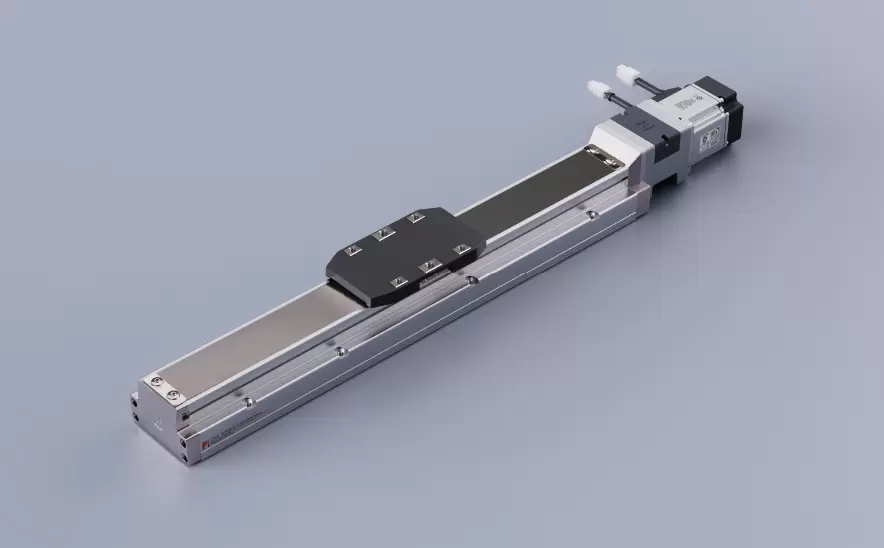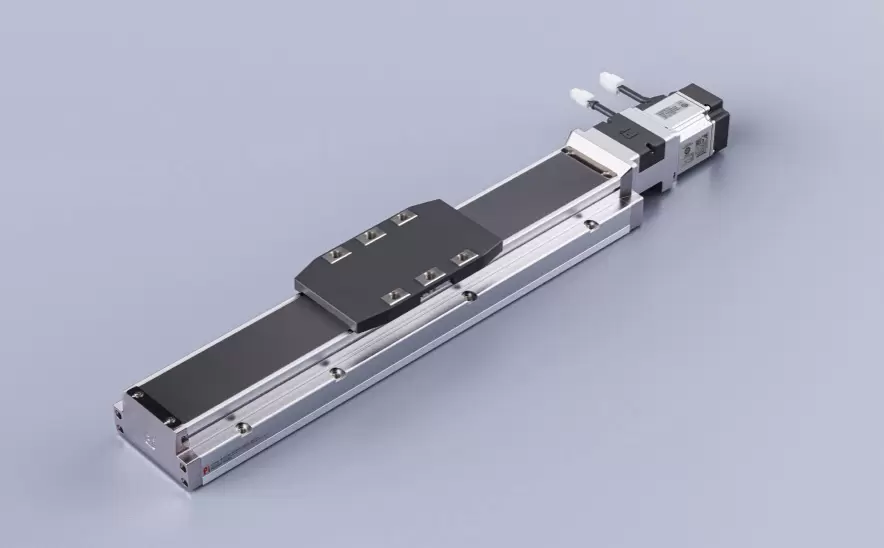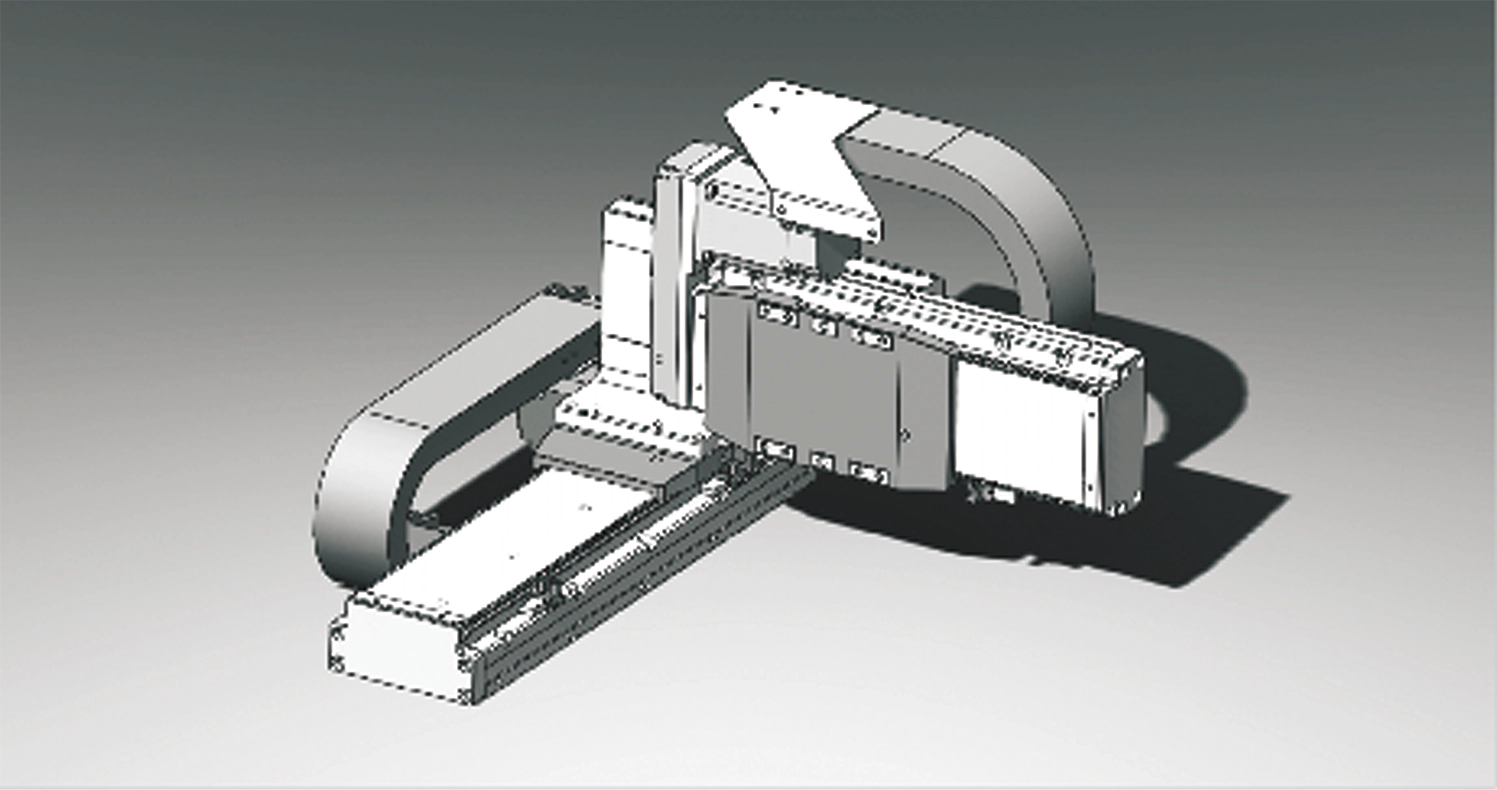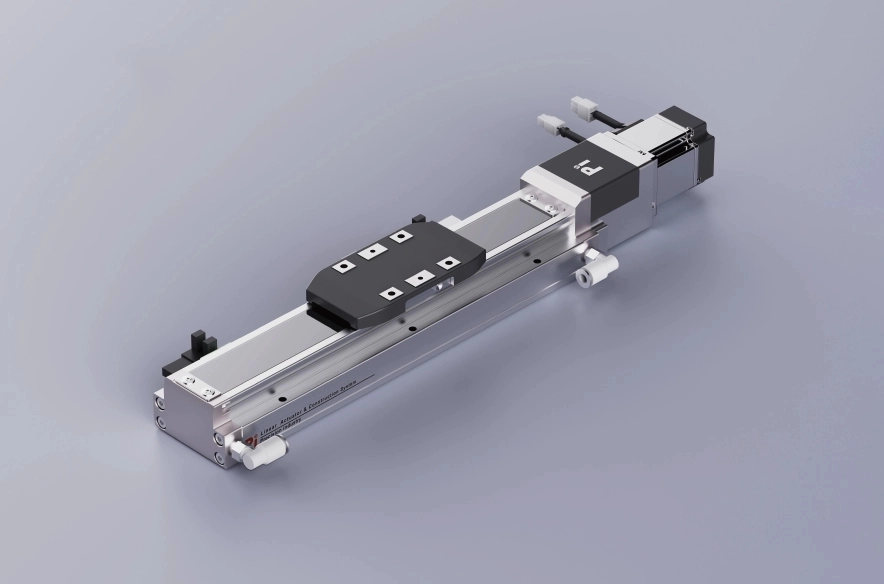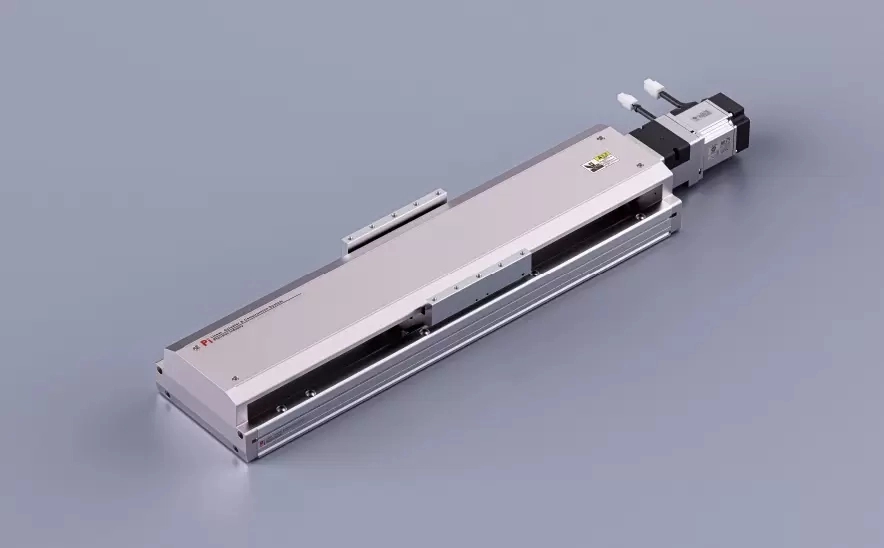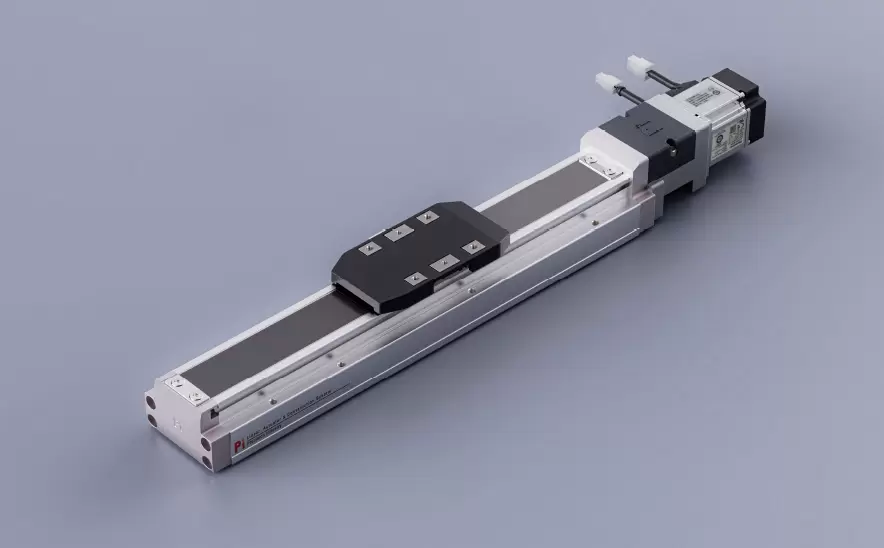
Motor Bottom Side
Repeatability:±0.005/0.01mmHorizontal Load:150kgVertical Load:55kgMaximum Speed:2000mm/sTravel Range:100-1500mm

 Current location:Home > Company > News > Latest news > When to Call for Professional Maintenance on Your Precision Positioning Slide Table
 Date: Jul 22 2026
Precision positioning slide tables are essential components in many high-accuracy applications, including automated production lines, inspection equipment, optical systems, medical devices, and laboratory instruments. Designed for reliable and repeatable movement, these systems can provide years of stable operation when properly maintained.
However, routine cleaning and basic maintenance are not always enough. Over time, wear, environmental factors, or unexpected operating conditions may affect performance. Knowing when to request professional maintenance can prevent small issues from becoming costly equipment failures.
As a precision positioning slide table manufacturer, we recommend that users pay attention to early warning signs and seek technical support when necessary. This article explains the situations where professional inspection and maintenance are highly recommended.
Many users perform regular cleaning, lubrication, and basic inspections to keep their slide tables in good condition. These steps are important, but precision motion systems involve multiple components working together, including mechanical structures, drive systems, sensors, and control elements.
Some problems cannot be identified through visual inspection alone.
Professional maintenance can help:
Identify hidden mechanical wear
Restore positioning accuracy
Prevent unexpected equipment downtime
Extend the service life of critical components
Ensure the system continues meeting application requirements
A timely professional check is often more cost-effective than repairing a damaged system after a major failure.
One of the most common reasons to request professional maintenance is a noticeable decline in positioning performance.
You may need technical support if you observe:
Increased positioning errors
Poor repeatability during repeated movements
Inconsistent stopping positions
The system no longer meets required accuracy levels
Reduced accuracy can result from several causes, such as component wear, mechanical misalignment, feedback issues, or changes in operating conditions. A professional evaluation can help identify the actual cause instead of treating only the visible symptom.
Precision slide tables are designed to operate smoothly and quietly. Unexpected sounds or vibrations should not be ignored.
Common warning signs include:
Grinding or clicking sounds
Sudden vibration during movement
Uneven motion across the travel range
Increased operating resistance
These symptoms may indicate problems with internal components, guide systems, drive mechanisms, or mounting conditions.
Continuing operation without inspection may increase wear and lead to more serious damage.
A healthy precision positioning slide table should provide stable and predictable motion.
Professional maintenance may be required when:
The slide table hesitates during movement
Motion speed changes unexpectedly
The system experiences occasional sticking
Movement is no longer smooth after lubrication
Irregular movement can be caused by contamination, insufficient lubrication, mechanical adjustment issues, or component aging. Professional technicians can determine whether cleaning, adjustment, or part replacement is needed.
Regular cleaning and lubrication can solve many minor issues. However, if performance problems remain after normal maintenance, further inspection is recommended.
For example:
Lubrication does not reduce noise
Cleaning does not restore smooth movement
Accuracy continues to decline after adjustments
These situations may indicate deeper mechanical or electrical issues that require specialized tools and experience.
Certain events can create hidden damage even if the equipment appears to work normally afterward.
Professional inspection is recommended after:
☐ Unexpected impact or collision
☐ Excessive load operation
☐ Sudden power failure during movement
☐ Incorrect installation or adjustment
☐ Long periods of storage without operation
Early inspection after abnormal events can help detect problems before they affect production quality.
During routine checks, users should look for visible signs that indicate professional service may be needed.
Examples include:
Damaged protective covers
Loose structural components
Worn mechanical parts
Corrosion on precision surfaces
Abnormal lubricant contamination
Replacing or repairing affected components at an early stage can help protect the entire positioning system.
A slide table that performs well in one application may require evaluation when operating conditions change.
Consider professional consultation when:
The workload increases
Operating speed requirements change
The environment becomes more demanding
A new controller or motor system is installed
Higher positioning accuracy is required
A professional review can confirm whether the existing slide table is still suitable for the updated requirements.
A professional maintenance service typically includes more than simply replacing parts.
Depending on the condition of the equipment, technicians may perform:
The system is checked for movement stability, positioning accuracy, and overall operating condition.
Key components are examined for wear, alignment problems, and abnormal conditions.
Professional cleaning methods and suitable lubricants are used to restore smooth operation.
If necessary, mechanical adjustments or calibration procedures are performed to bring the system back to expected performance.
If components are approaching the end of their service life, professional recommendations can help users plan maintenance in advance.
Although professional maintenance is sometimes unavoidable, proper daily care can reduce the frequency of major service requirements.
Recommended practices include:
Do not wait until problems appear. Routine inspection helps identify small changes early.
Protect the slide table from excessive dust, moisture, vibration, and temperature fluctuations.
Operating beyond the designed load range can accelerate wear and reduce accuracy.
Recording inspections, lubrication dates, and performance changes makes troubleshooting faster and more accurate.
| Maintenance Type | Suitable For |
|---|---|
| Daily cleaning | Removing dust and basic contamination |
| Regular lubrication | Supporting smooth operation |
| Visual inspection | Checking external conditions |
| Professional maintenance | Accuracy issues, abnormal operation, internal inspection, calibration |
Basic maintenance helps preserve performance, while professional service addresses problems that require deeper analysis.
A precision positioning slide table is a high-value component that plays an important role in maintaining equipment accuracy and productivity. While regular cleaning and lubrication are essential, some performance issues require professional knowledge and specialized inspection methods.
If you notice reduced accuracy, unusual movement, abnormal noise, repeated failures, or changes in operating conditions, contacting a professional maintenance team is the right step.
At our precision positioning slide table company, we believe that reliable performance comes from both high-quality manufacturing and proper long-term care. With timely maintenance support, your positioning system can continue delivering stable, accurate, and dependable motion for years to come.