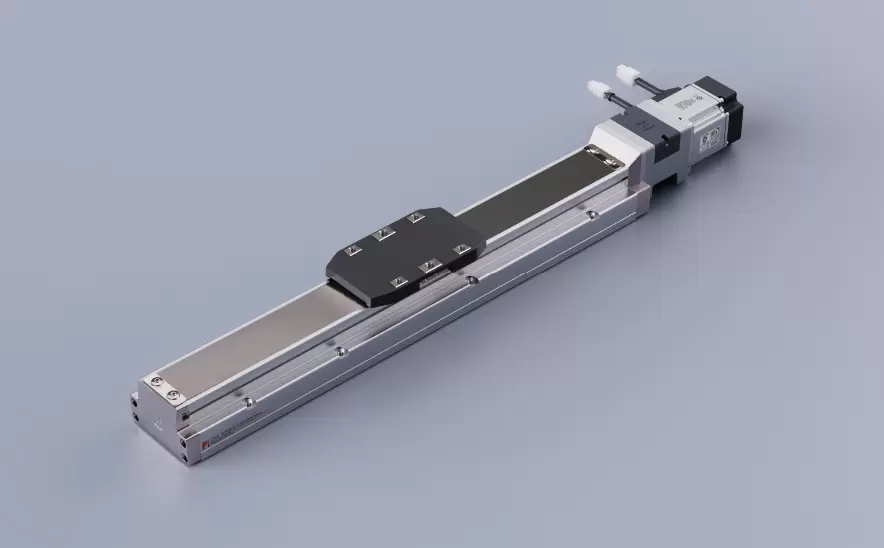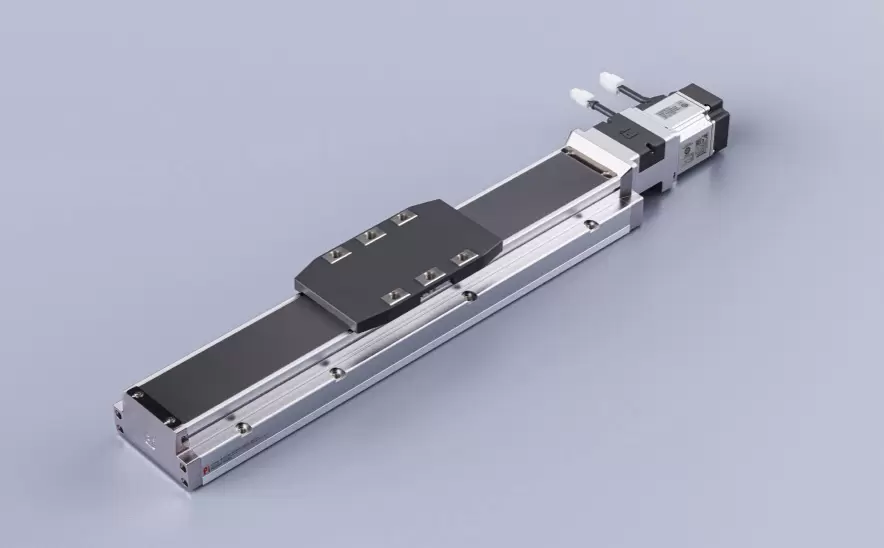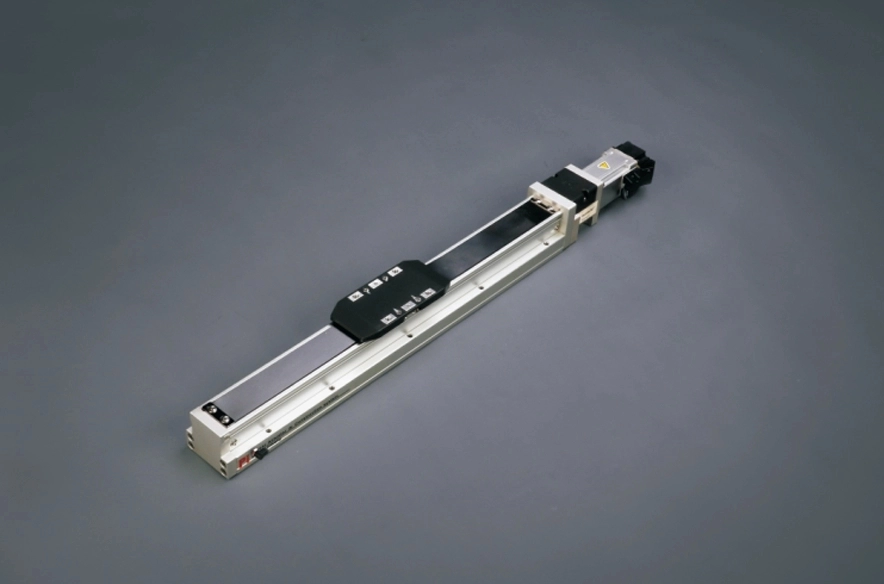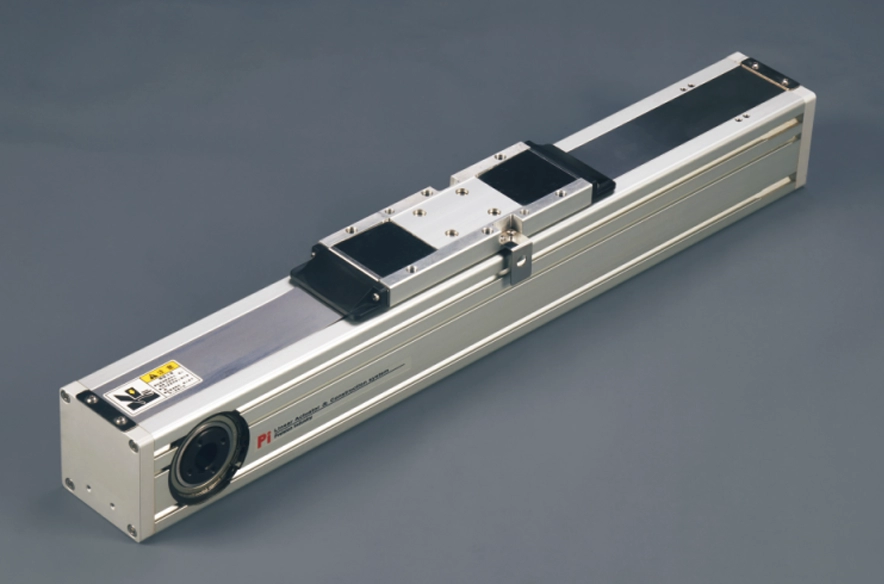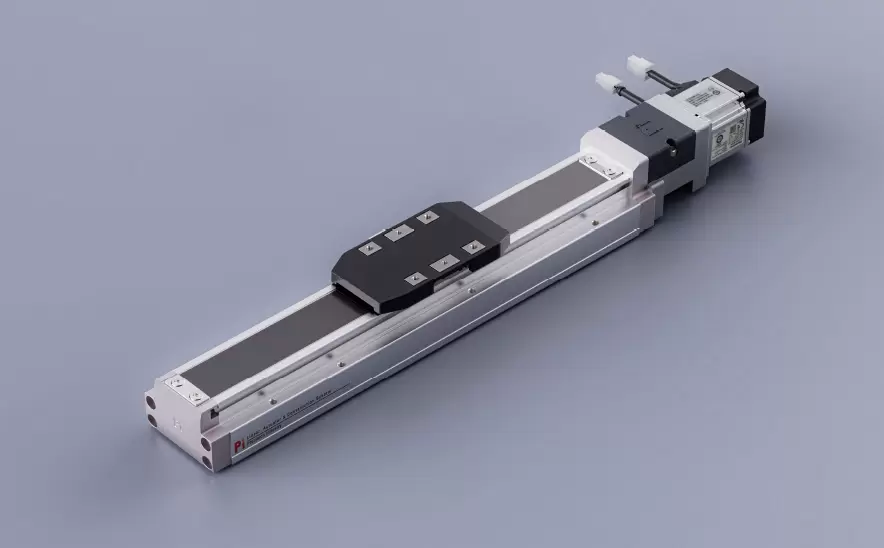
Motor Bottom Side
Repeatability:±0.005/0.01mmHorizontal Load:150kgVertical Load:55kgMaximum Speed:2000mm/sTravel Range:100-1500mm

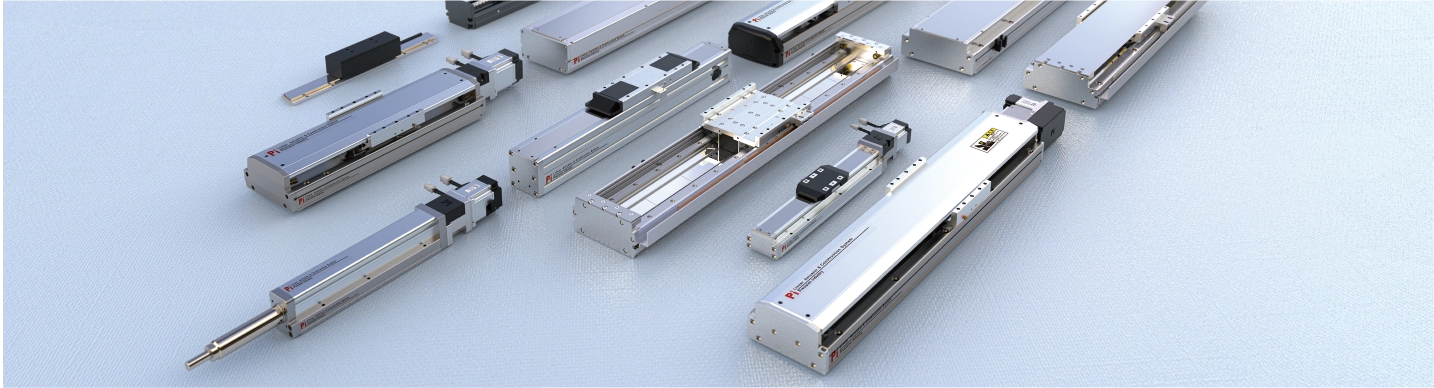
 Current location:Home > Company > News > Latest news > How to Clean and Lubricate Your Precision Positioning Slide Table
 Date: Jul 15 2026
Precision positioning slide tables are designed to deliver accurate and stable linear motion in applications such as automation equipment, optical instruments, semiconductor manufacturing, inspection systems, and laboratory devices. However, even the most reliable positioning system requires proper care to maintain its original performance.
Regular cleaning and lubrication are two essential maintenance steps that help prevent premature wear, reduce friction, and ensure smooth movement. As a manufacturer of precision positioning slide tables, we often recommend that users establish a simple but effective maintenance routine rather than waiting until performance problems appear.
This guide explains how to properly clean and lubricate your precision positioning slide table while avoiding common maintenance mistakes.
A precision slide table contains carefully matched mechanical components that work together to achieve accurate movement. During daily operation, dust, metal particles, oil residue, and environmental contaminants may gradually accumulate on the motion surface.
Without proper maintenance, these contaminants can lead to:
Increased friction during movement
Reduced positioning repeatability
Unusual operating noise
Faster component wear
Lower overall system reliability
Lubrication also plays an important role by reducing direct contact between moving parts and helping the mechanism operate smoothly. The right maintenance method can significantly improve the service life of the slide table.
Before starting any maintenance work, proper preparation helps protect both the equipment and the operator.
1. Turn off the equipment
Always stop the machine and disconnect power if necessary before cleaning. This prevents unexpected movement during maintenance.
2. Review the manufacturer’s instructions
Different slide table models may use different materials, structures, and lubrication requirements. Always follow the recommended maintenance guidelines for your specific model.
3. Prepare suitable tools
Common maintenance tools include:
Clean lint-free cloths
Soft brushes
Approved cleaning solutions
Recommended lubricants
Protective gloves
Avoid using rough materials or aggressive chemicals that may damage precision surfaces.
Cleaning should be performed carefully because precision motion components require a clean working surface.
Begin by removing visible dust and particles from the slide table.
Use a soft brush or clean cloth to gently remove:
Dust buildup
Metal particles
Old lubricant residue
External contaminants
Do not apply excessive force, especially around guide surfaces and moving components.
The moving area is the most important part of the cleaning process.
Pay attention to:
Linear guide surfaces
Sliding contact areas
Drive components
Protective covers and surrounding areas
If contamination is present, use a suitable cleaning solution recommended for precision mechanical equipment. Apply the cleaner to the cloth rather than directly spraying onto the slide table whenever possible.
Direct spraying may allow liquid to enter sensitive components such as sensors or electrical connections.
Cleaning provides a good opportunity to check the condition of the slide table.
Look for:
☐ Scratches or unusual marks on motion surfaces
☐ Excessive wear signs
☐ Loose mounting parts
☐ Damaged protective components
☐ Abnormal lubricant color or contamination
Finding these issues early can help prevent unexpected equipment downtime.
After cleaning, lubrication should be applied carefully and correctly.
Not all lubricants are suitable for precision positioning systems.
The selected lubricant should be compatible with:
Operating speed
Working temperature
Load requirements
Environmental conditions
Using an unsuitable lubricant may attract more dust or affect motion accuracy.
A common maintenance mistake is applying too much lubricant.
Excess lubricant can:
Collect dust and particles
Increase resistance
Contaminate surrounding components
Apply a small, even amount according to the manufacturer’s recommendations. The goal is to create smooth movement, not to cover the entire mechanism with lubricant.
After applying lubricant:
Move the slide table slowly through its travel range.
Allow the lubricant to spread evenly across the contact surfaces.
Remove any excess lubricant that remains on exposed areas.
This step helps ensure consistent motion performance.
Even simple maintenance tasks can cause problems if performed incorrectly.
Avoid abrasive cloths, harsh solvents, or materials that may scratch precision surfaces.
Small particles can create long-term wear when trapped between moving components.
More lubricant does not always mean better protection. Excess lubrication may reduce performance.
Maintenance is also an opportunity to identify early signs of damage or wear.
The ideal cleaning and lubrication schedule depends on the working environment and operating conditions.
A general guideline:
| Operating Environment | Suggested Maintenance Frequency |
|---|---|
| Clean laboratory environment | Every few months or according to usage |
| Normal industrial environment | Monthly inspection recommended |
| Dusty or high-cycle applications | More frequent cleaning and lubrication |
For equipment operating continuously or under heavy loads, a customized maintenance plan may be more appropriate.
In addition to regular cleaning and lubrication, users can improve long-term reliability by following these practices:
Avoid excessive dust, moisture, and vibration whenever possible.
Pay attention to unusual sounds, slower movement, or reduced accuracy.
Incorrect alignment or mounting stress can affect positioning performance.
Recording cleaning dates, lubrication details, and performance observations makes future maintenance easier and more effective.
Proper cleaning and lubrication are simple but essential steps for maintaining the performance of a precision positioning slide table. A consistent maintenance routine helps protect critical components, maintain motion accuracy, and reduce unexpected interruptions.
At our precision positioning slide table company, we believe that reliable performance comes not only from high-quality manufacturing but also from proper daily care. By following the correct cleaning methods, selecting suitable lubricants, and performing regular inspections, users can maximize the lifespan and stability of their precision motion systems.
A well-maintained slide table is better prepared to deliver accurate, repeatable, and dependable performance throughout its service life.