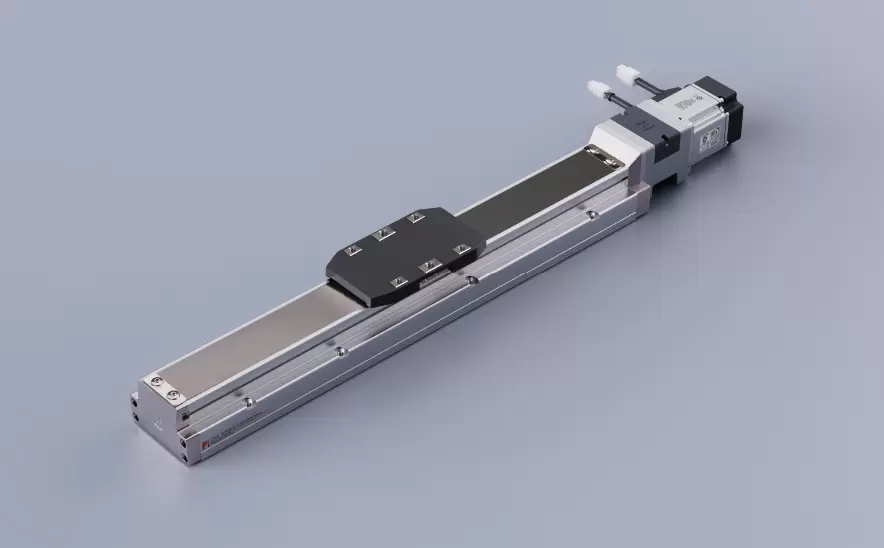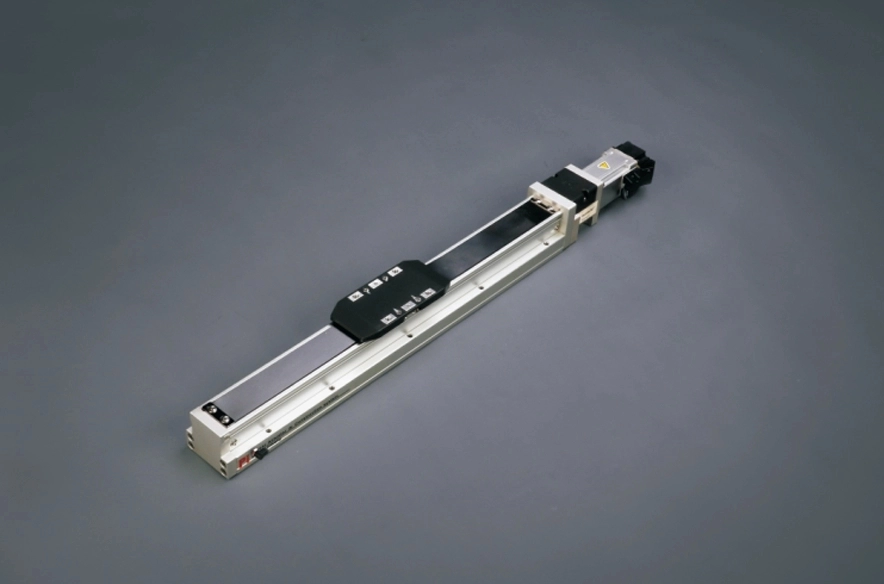
Motor Bottom Side
Repeatability:±0.005/0.01mmHorizontal Load:150kgVertical Load:55kgMaximum Speed:2000mm/sTravel Range:100-1500mm

 Current location:Home > Company > News > Latest news > Ensuring Longevity: Maintaining Your Precision Positioning Slide Table in Harsh Environments
 Date: Aug 05 2026
Precision positioning slide tables are engineered to deliver exceptional accuracy and repeatability. In ideal operating conditions, they can maintain stable performance for years with routine maintenance. However, not every application takes place in a clean laboratory or climate-controlled production facility.
Many industries require precision motion systems to operate in environments filled with dust, moisture, temperature fluctuations, chemical exposure, or constant vibration. These conditions can significantly accelerate component wear and shorten equipment lifespan if proper precautions are not taken.
Fortunately, with the right maintenance strategy, your precision positioning slide table can continue performing reliably even in challenging environments.
Before developing a maintenance plan, it's important to identify the environmental factors that may affect your equipment.
Common challenges include:
Airborne dust and debris
High humidity
Water exposure
Corrosive chemicals
Extreme temperatures
Frequent temperature changes
Heavy machine vibration
Oil mist and industrial contaminants
While these conditions may seem unavoidable in certain industries, understanding their impact helps maintenance teams take preventive action before problems arise.
Dust is one of the most common threats to precision motion systems.
Fine particles can enter guide rails, bearings, and drive components, gradually increasing friction and causing premature wear. In manufacturing facilities, dust may come from machining operations, packaging materials, or nearby equipment.
To minimize damage:
Inspect rails and moving components regularly.
Clean exposed surfaces before debris accumulates.
Install protective covers or bellows where possible.
Avoid using excessive compressed air that may force particles deeper into sensitive components.
A small amount of contamination may seem harmless, but over time it can significantly affect positioning accuracy and motion smoothness.
Moisture is another major concern, particularly in coastal regions, food processing facilities, and outdoor installations.
Excess humidity can lead to:
Corrosion of metal components
Lubricant degradation
Electrical connector damage
Sensor reliability issues
To combat moisture-related problems:
Use corrosion-resistant materials when available.
Inspect seals and protective enclosures regularly.
Remove condensation promptly.
Store spare parts in a dry environment.
In particularly humid conditions, environmental monitoring systems can provide early warning signs before damage occurs.
Temperature has a direct effect on precision equipment.
High temperatures may cause lubricants to thin and lose effectiveness, while extremely low temperatures can increase viscosity and create additional resistance during motion.
Rapid temperature changes can be equally problematic because they cause materials to expand and contract at different rates.
Recommended practices include:
Following manufacturer-recommended operating temperature ranges.
Allowing equipment to reach thermal stability before high-precision operation.
Monitoring motor and drive temperatures during extended operation.
Using lubricants suitable for the specific environmental conditions.
Maintaining stable temperatures whenever possible helps preserve both accuracy and component life.
Many precision slide tables are installed near large machinery, stamping equipment, compressors, or industrial conveyors. Continuous vibration may gradually loosen fasteners, affect alignment, and reduce positioning consistency.
To reduce vibration-related wear:
Inspect mounting hardware frequently.
Verify alignment during routine maintenance.
Consider vibration isolation solutions when appropriate.
Monitor performance trends for unexpected changes.
Even minor vibration can have a cumulative effect on high-precision systems over time.
Harsh environments often require a different lubrication strategy than clean-room or laboratory applications.
For example:
Dusty environments may contaminate lubricants more quickly.
High-temperature settings may accelerate lubricant breakdown.
Moisture exposure may reduce lubrication effectiveness.
Instead of relying solely on standard maintenance intervals, adjust lubrication schedules based on actual operating conditions.
Regular inspection of lubricant condition can provide valuable insight into the health of the entire motion system.
Many users focus exclusively on guide rails, bearings, and drive systems while overlooking protective accessories.
Components such as:
Bellows covers
Cable carriers
Protective enclosures
Seals and wipers
play a critical role in preventing contaminants from reaching sensitive motion components.
A damaged protective cover may seem like a minor issue, but it can quickly expose expensive internal parts to harmful environmental conditions.
Routine inspection of these protective elements should be part of every maintenance program.
One common mistake is applying the same maintenance schedule used in clean operating environments.
In harsh conditions, waiting several months between inspections may allow problems to develop unnoticed.
Instead:
Perform visual inspections more frequently.
Monitor equipment performance regularly.
Address minor abnormalities immediately.
Review maintenance records for recurring issues.
More frequent inspections often reduce overall maintenance costs because small problems are resolved before major repairs become necessary.
Modern automation systems generate valuable operational data that can help identify developing issues.
Useful indicators include:
Motor load changes
Positioning accuracy trends
Increased vibration levels
Temperature fluctuations
Repeatability variations
By monitoring these indicators, maintenance teams can identify potential failures before they result in unplanned downtime.
Predictive maintenance is particularly valuable in harsh environments where component wear tends to occur faster than expected.
Operating a precision positioning slide table in a harsh environment does not automatically mean sacrificing reliability or accuracy. The key lies in understanding the environmental challenges and adapting your maintenance practices accordingly.
By controlling contamination, managing moisture, monitoring temperature effects, protecting critical components, and increasing inspection frequency, businesses can significantly extend the service life of their equipment.
A well-maintained slide table is more than a piece of machinery—it is a long-term investment in productivity, precision, and operational stability. Even in the toughest conditions, the right maintenance strategy can keep your system performing at its best for years to come.