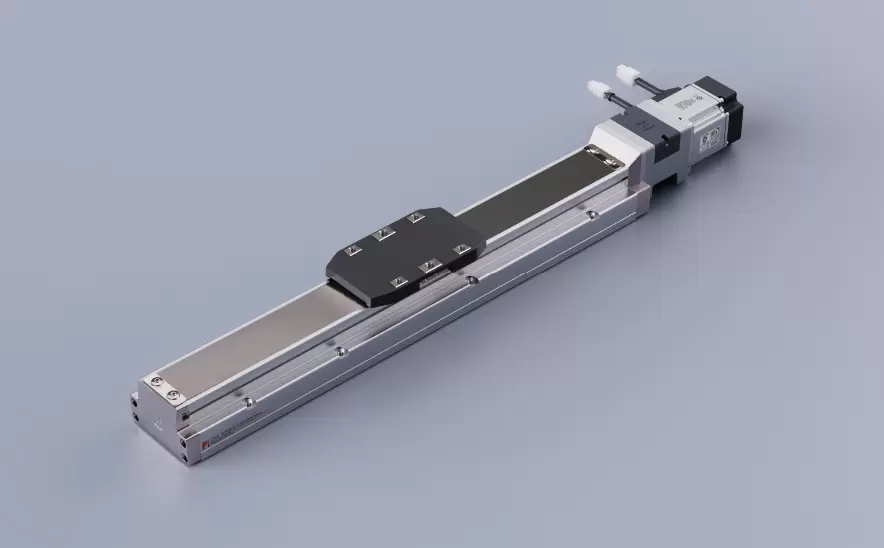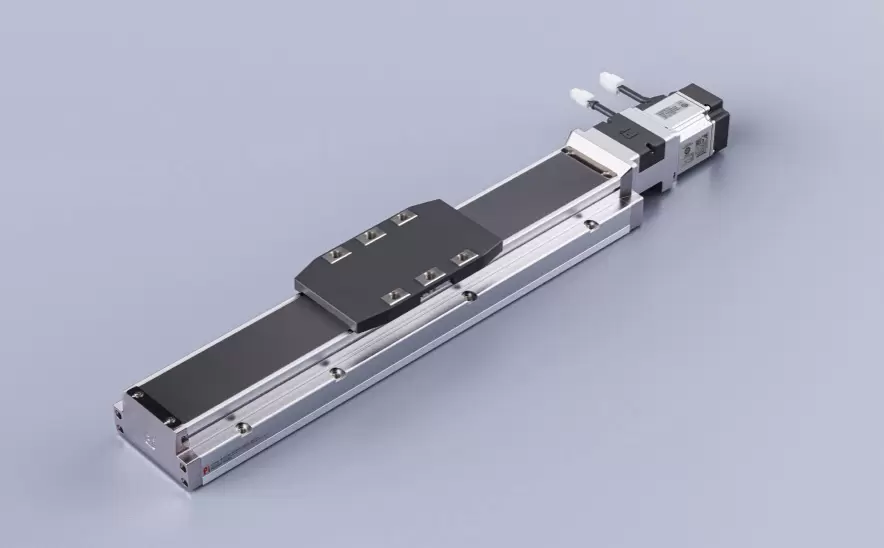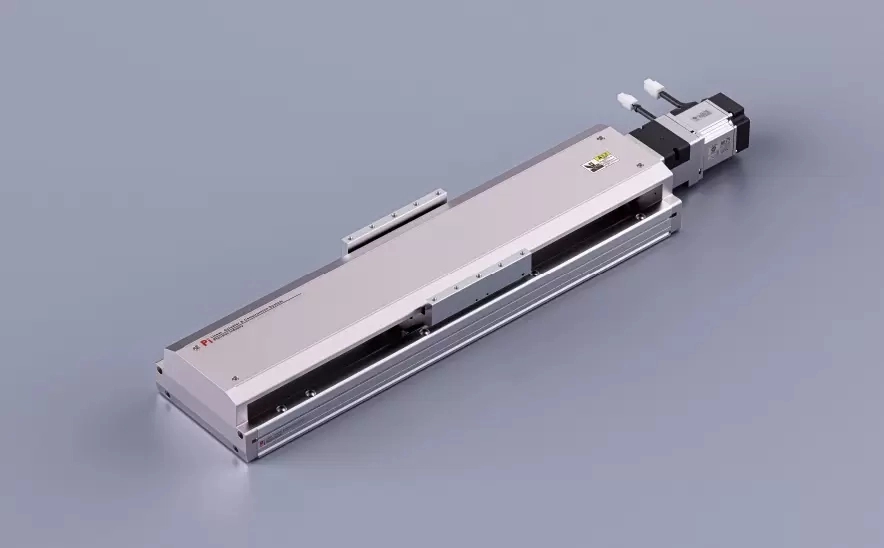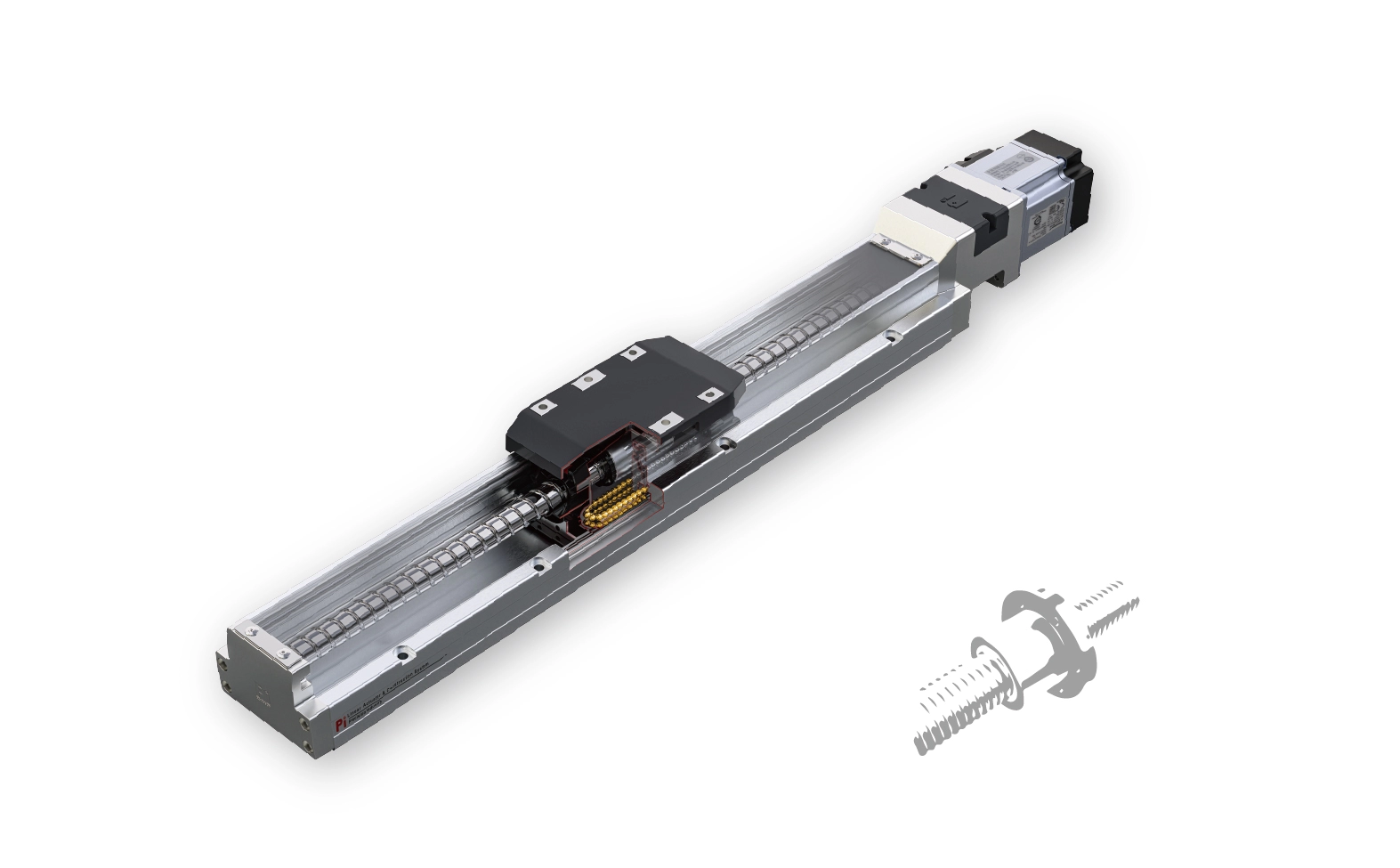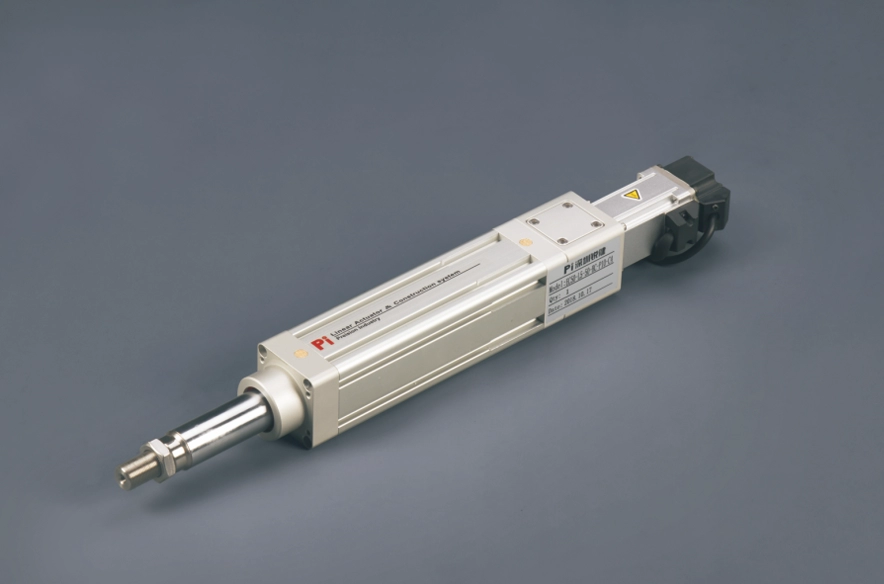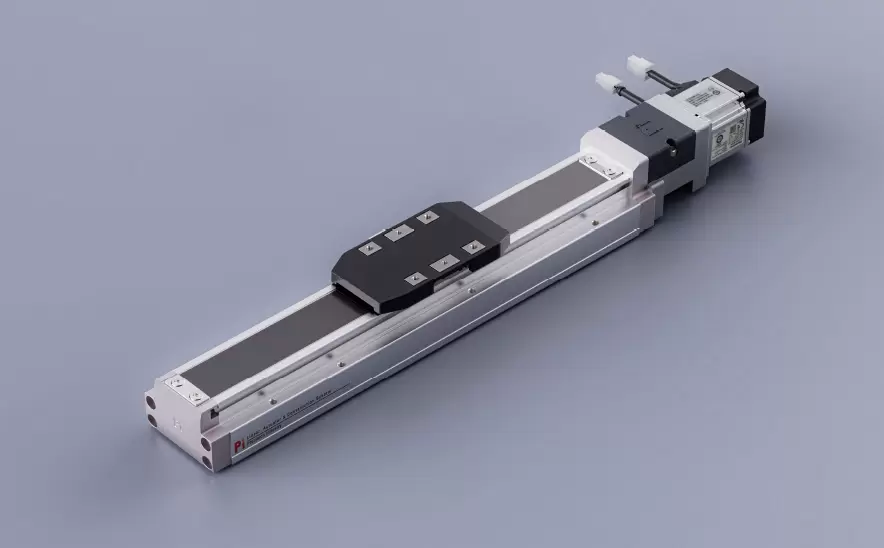
Motor Bottom Side
Repeatability:±0.005/0.01mmHorizontal Load:150kgVertical Load:55kgMaximum Speed:2000mm/sTravel Range:100-1500mm

 Current location:Home > Company > News > Latest news > Top Tips for Daily Maintenance of Precision Positioning Slide Tables
 Date: Aug 05 2026
Precision positioning slide tables are widely used in industries that require accurate and repeatable motion, including automation, semiconductor manufacturing, optical inspection, medical equipment, and laboratory systems. These high-precision motion components are designed to deliver reliable performance, but proper daily maintenance is essential to keep them operating at their best.
A consistent maintenance routine does not need to be complicated. Small actions performed regularly can help prevent unexpected failures, maintain positioning accuracy, and extend the service life of your equipment.
As a precision positioning slide table manufacturer, we understand that users need practical maintenance methods that fit into daily operations. In this guide, we share key maintenance tips to help you protect your precision slide tables and achieve stable long-term performance.
A precision positioning slide table works through the cooperation of multiple components, including guide systems, drive mechanisms, motors, sensors, and control units. Because these components operate with tight accuracy requirements, small changes can gradually affect overall performance.
Daily maintenance helps to:
Reduce contamination-related problems
Maintain smooth movement
Detect early signs of wear
Prevent unexpected downtime
Support consistent positioning accuracy
Regular care is not only about fixing problems — it is about preventing them before they impact production.
Contamination is one of the most common factors affecting precision motion performance. Dust, metal particles, oil residue, and other debris can enter moving areas and increase friction.
Remove visible dust and particles from the surface
Keep the surrounding workspace clean
Check protective covers for dirt buildup
Use a soft, lint-free cloth for cleaning
For applications in environments with high levels of dust or particles, more frequent cleaning may be necessary.
Avoid using rough tools or excessive force, as precision surfaces require careful handling.
Operators who work with the equipment every day are often the first to notice changes in performance.
Before or during operation, pay attention to:
Smoothness of movement
Operating noise
Travel consistency
Positioning response
Unexpected vibration
A properly functioning slide table should move steadily without unusual resistance or sound.
If you notice a change from normal operation, record the details and check the system condition before continuing long-term use.
Lubrication plays an important role in reducing friction and protecting moving components. However, proper lubrication requires the correct method and amount.
During daily checks:
☐ Confirm that lubrication points are not dry
☐ Check for dirty or contaminated lubricant
☐ Look for excessive lubricant buildup
☐ Follow the recommended lubrication schedule
Using too much lubricant can attract dust and may negatively affect motion performance. Always use lubricants that are suitable for your specific slide table model.
A precision positioning system depends on stable installation. Loose connections can introduce vibration and reduce accuracy.
Regularly check:
Mounting screws
Mechanical connections
Motor attachments
Cable positions
Sensor installation points
If any looseness is found, follow proper adjustment procedures. Incorrect adjustments may affect system alignment.
The environment around a precision slide table has a direct influence on its performance.
Important factors include:
Large temperature changes may affect mechanical stability and positioning accuracy.
Excess moisture may contribute to corrosion or electrical issues.
Contaminated environments can accelerate wear on moving components.
External vibration sources may influence high-accuracy positioning applications.
Maintaining a stable operating environment helps the slide table perform more consistently.
Modern positioning systems often include monitoring functions that provide valuable information about equipment condition.
Operators should check:
Controller warnings
Communication status
Sensor feedback
Repeated error messages
A single warning may not indicate a serious issue, but repeated alarms should be investigated.
Keeping a maintenance record can help identify whether a problem is occasional or becoming more frequent.
Proper operation is one of the simplest ways to protect your precision positioning slide table.
Avoid:
Operating beyond the recommended load range may accelerate wear and affect accuracy.
Do not manually push the moving platform while the system is active.
Collisions or unexpected mechanical shocks may damage precision components.
Changing control settings without proper knowledge may reduce system stability.
Following correct operating procedures helps prevent unnecessary maintenance issues.
A short inspection before operation can identify many potential problems early.
A practical daily checklist includes:
| Inspection Area | What to Check |
|---|---|
| External condition | Dust, damage, contamination |
| Motion behavior | Smooth and stable movement |
| Noise level | Unusual sounds or vibration |
| Lubrication | Proper condition and amount |
| Connections | Secure cables and mounting parts |
| System status | Warnings and abnormal signals |
This simple routine can be completed quickly and provides valuable information about equipment health.
Recording maintenance activities is often overlooked, but it provides long-term benefits.
Useful information includes:
Cleaning dates
Lubrication records
Performance observations
Error history
Component replacements
Maintenance records help identify trends and make future troubleshooting more efficient.
Daily maintenance can prevent many common problems, but some situations require professional inspection.
Contact a technical support team if you experience:
Continuous positioning errors
Unusual noise that does not disappear
Significant vibration
Repeated system alarms
Visible component damage
Reduced performance after normal maintenance
Professional service can help identify hidden issues and prevent more serious equipment problems.
A well-maintained precision positioning slide table provides several advantages:
Regular care reduces unexpected interruptions and supports stable operation.
Proper cleaning, lubrication, and inspection help protect critical components.
Maintaining mechanical and environmental conditions supports consistent positioning performance.
Early detection of problems can reduce the need for major repairs.
Daily maintenance is a simple but effective way to protect your precision positioning slide tables and maintain reliable performance. Regular cleaning, careful observation, proper lubrication, and responsible operation all contribute to longer equipment life and improved system stability.
At our precision positioning slide table company, we believe that product quality and maintenance practices work together. Even the most advanced positioning system requires proper care to deliver consistent results.
By developing a daily maintenance routine, users can keep their precision motion systems running smoothly, reduce downtime, and achieve dependable performance for years to come.