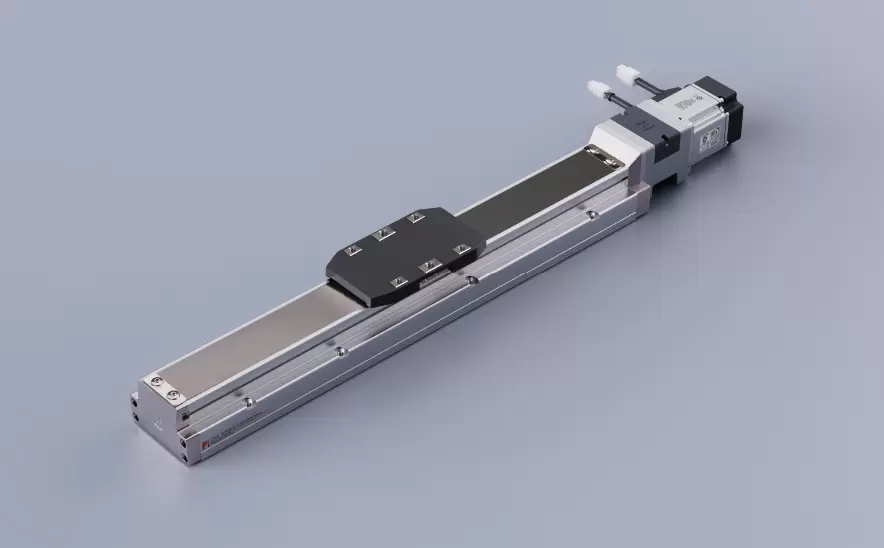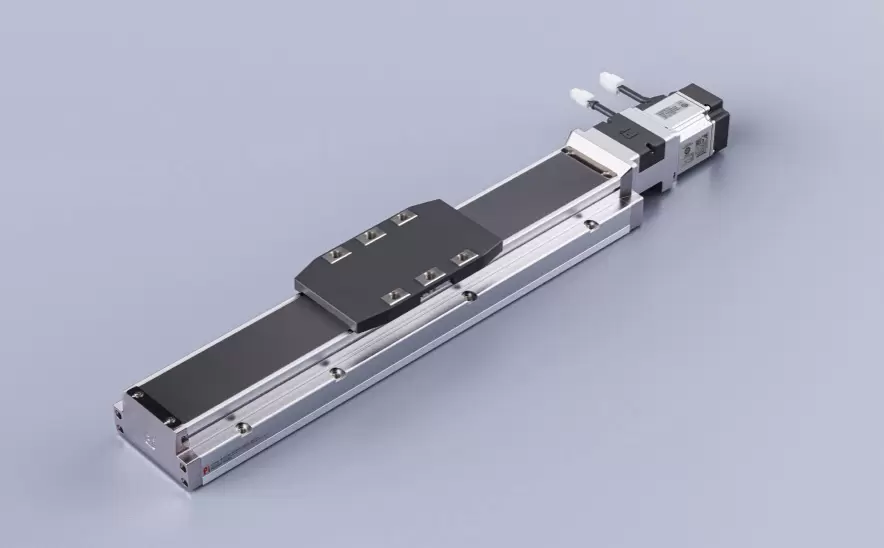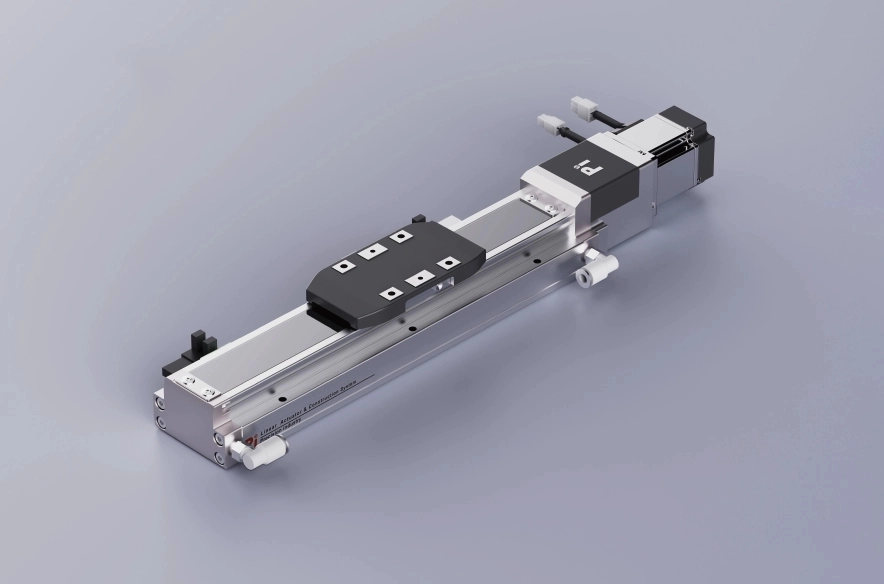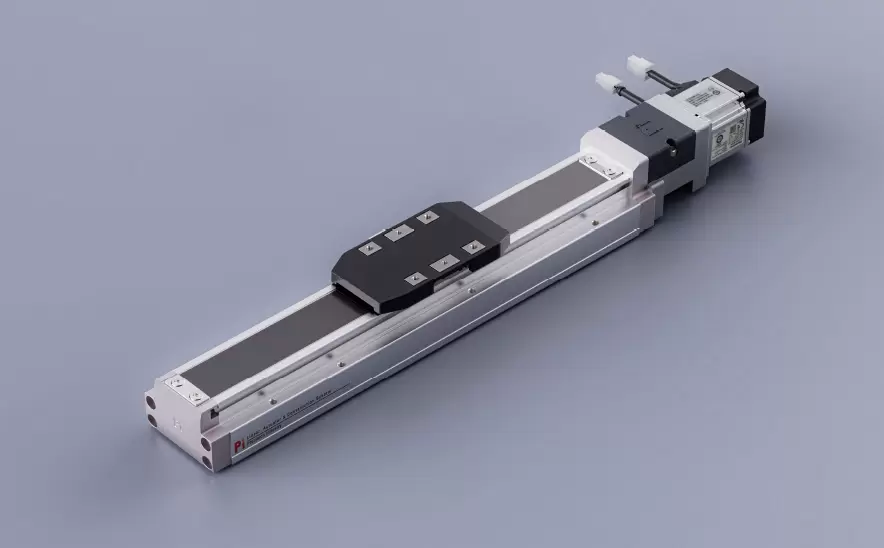
Motor Bottom Side
Repeatability:±0.005/0.01mmHorizontal Load:150kgVertical Load:55kgMaximum Speed:2000mm/sTravel Range:100-1500mm

 Current location:Home > Company > News > Latest news > How to Clean Your Precision Positioning Slide Table for Better Performance
 Date: Jul 29 2026
Precision positioning slide tables are designed to provide accurate, stable, and repeatable motion for demanding applications such as automation systems, semiconductor equipment, optical inspection devices, and laboratory instruments. To maintain this level of performance, regular cleaning is one of the most important maintenance tasks users can perform.
Even a high-quality precision slide table may experience reduced performance if dust, particles, oil residue, or other contaminants accumulate over time. Proper cleaning helps protect moving components, maintain positioning accuracy, and extend the service life of the system.
As a precision positioning slide table manufacturer, we recommend establishing a simple cleaning routine that matches your working environment and usage conditions. This article explains how to clean your precision slide table safely and effectively.
A precision positioning slide table contains closely matched components that work together to achieve accurate movement. Small contaminants can interfere with these components and gradually affect performance.
Regular cleaning helps prevent:
Increased friction during movement
Unstable positioning accuracy
Abnormal operating noise
Premature wear of mechanical parts
Unexpected maintenance issues
In many cases, performance problems develop slowly. A regular cleaning routine allows users to identify potential issues before they become serious.
Before cleaning your precision slide table, proper preparation is essential.
Always stop operation before beginning maintenance. If required, disconnect the power supply to prevent unexpected movement.
Safety should always come first, especially when working around motorized positioning equipment.
Before cleaning, take a moment to inspect the overall condition of the slide table.
Look for:
Visible dust or contamination
Unusual marks on moving surfaces
Loose components
Damaged protective covers
Signs of lubricant contamination
This quick inspection can provide useful information about the condition of the system.
Recommended cleaning materials include:
Soft lint-free cloth
Soft brush
Approved cleaning solution
Protective gloves
Clean air source (if suitable for the application)
Avoid using rough fabrics, strong chemicals, or tools that may scratch precision surfaces.
Begin by gently removing loose contaminants from the outside of the slide table.
Focus on areas such as:
Mounting surfaces
Protective covers
Surrounding mechanical structures
Exposed moving areas
Use gentle movements to avoid pushing particles deeper into sensitive areas.
The guide system is one of the most important areas to maintain because it directly affects movement smoothness and accuracy.
Carefully clean:
Linear guide surfaces
Sliding contact areas
Drive-related components
Areas where particles may accumulate
When using a cleaning solution, apply it to the cloth rather than directly spraying onto the equipment. This helps prevent liquid from entering sensitive internal components.
Over time, lubricant may collect dust and particles, reducing its effectiveness.
During cleaning:
Remove dirty lubricant residue
Check for unusual discoloration
Confirm that lubrication points remain clean
After cleaning, apply fresh lubricant only if required and according to the manufacturer’s recommendations.
Many precision slide tables include sensors and electrical connections that support accurate positioning.
When cleaning these areas:
Remove dust gently
Avoid direct contact with sensitive components
Check that cables remain properly connected
Prevent moisture from entering electrical parts
Sensors play an important role in motion feedback, so keeping them clean helps maintain reliable operation.
After cleaning is complete, test the slide table carefully.
Check:
☐ Smooth movement across the travel range
☐ Normal operating sound
☐ Correct response from the control system
☐ No remaining contamination or excess lubricant
A short operational check confirms that the cleaning process has been completed correctly.
Some solvents or chemicals may damage surface treatments, seals, or protective materials.
Always use cleaning products suitable for precision mechanical equipment.
Precision components are manufactured with tight tolerances. Excessive pressure during cleaning may affect alignment or damage delicate surfaces.
Dust often accumulates around corners, covers, and less visible areas. These areas should not be overlooked because contamination can eventually affect moving components.
Cleaning is not only about removing dirt. It is also an opportunity to observe changes in equipment condition.
Pay attention to:
New scratches
Increased wear
Unusual residue
Changes in movement behavior
The ideal cleaning frequency depends on the application environment.
| Working Environment | Suggested Cleaning Frequency |
|---|---|
| Clean laboratory environment | Regular inspection and periodic cleaning |
| Standard industrial environment | Routine cleaning based on usage |
| Dusty or high-particle environment | More frequent cleaning required |
| High-precision applications | Follow a strict maintenance schedule |
There is no single schedule that fits every application. Factors such as operating speed, workload, and environmental conditions should be considered.
Cleaning is only one part of proper slide table maintenance. For better reliability, users should also:
Use the correct lubricant type and apply the appropriate amount.
Pay attention to unusual sounds, vibration, or changes in positioning accuracy.
A cleaner environment reduces the amount of contamination reaching the motion system.
Recording cleaning dates and observations helps create a more effective maintenance plan.
Routine cleaning can handle normal contamination, but some situations require professional support.
Contact a technical service team if:
Movement remains abnormal after cleaning
Positioning accuracy decreases
Internal contamination is suspected
Components show visible damage
The system has experienced a collision or overload
Professional inspection can help identify problems that are not visible during normal maintenance.
Regular cleaning is a simple yet effective way to maintain the performance of a precision positioning slide table. By removing contaminants, protecting moving components, and checking system conditions regularly, users can improve reliability and extend equipment service life.
At our precision positioning slide table company, we understand that precision performance depends on both product quality and proper maintenance. A clean and well-maintained slide table can continue delivering smooth, accurate, and dependable motion for years.
Developing a consistent cleaning routine is a small investment that provides long-term benefits for your precision positioning system.